If Manhattan feels out of reach as a first-time buyer, Hell’s Kitchen may be one of the places that changes your math. You want a neighborhood that feels central, connected, and genuinely livable, but you also need pricing and inventory that make a first purchase possible. Hell’s Kitchen stands out because it offers a realistic entry point into central Manhattan, along with a wide range of housing types and a strong everyday lifestyle. Let’s dive in.
Hell’s Kitchen offers central Manhattan access
For many first-time buyers, location is the starting point. Hell’s Kitchen, also known as Clinton in Manhattan Community District 4, sits on the west side between the Hudson River and Midtown. That puts you close to major job centers, transit connections, and daily conveniences without pushing you into the very top tier of Manhattan pricing.
The neighborhood’s setting is a big part of its draw. Community Board 4 materials note that the district includes major transportation infrastructure like Penn Station entrances, the Port Authority Bus Terminal, the Lincoln Tunnel, and the West Side Highway. In practical terms, that means you are buying into a highly connected part of the city, even if it also comes with the energy and noise of a dense urban environment.
Relative value matters for first-time buyers
Hell’s Kitchen is not a bargain-basement market, but it can be a more accessible entry point than some nearby Manhattan neighborhoods. Redfin’s March 2026 snapshot shows a median sale price of $1.234 million in Hell’s Kitchen, compared with $1.325 million in Midtown Manhattan and $1.395 million on the Upper West Side. The takeaway is not that Hell’s Kitchen is cheap, but that it often sits in a lower-to-middle pricing band for central Manhattan.
StreetEasy’s current neighborhood data points in the same general direction. It shows an all-listings median of $1.177 million and a median size of 951 square feet in Hell’s Kitchen. Since these sources use different methods and timing, the most reliable conclusion is directional: you may find a somewhat easier point of entry here than in some nearby areas, but not a dramatic discount.
Co-ops can widen your options
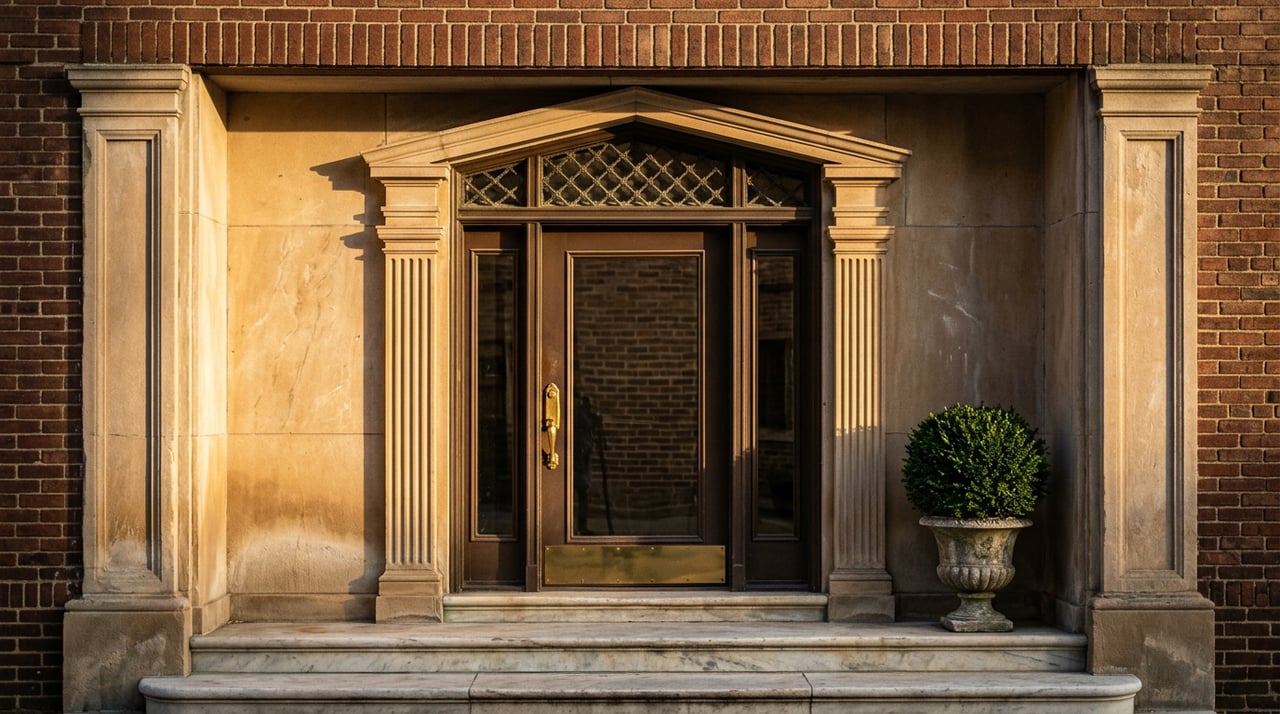
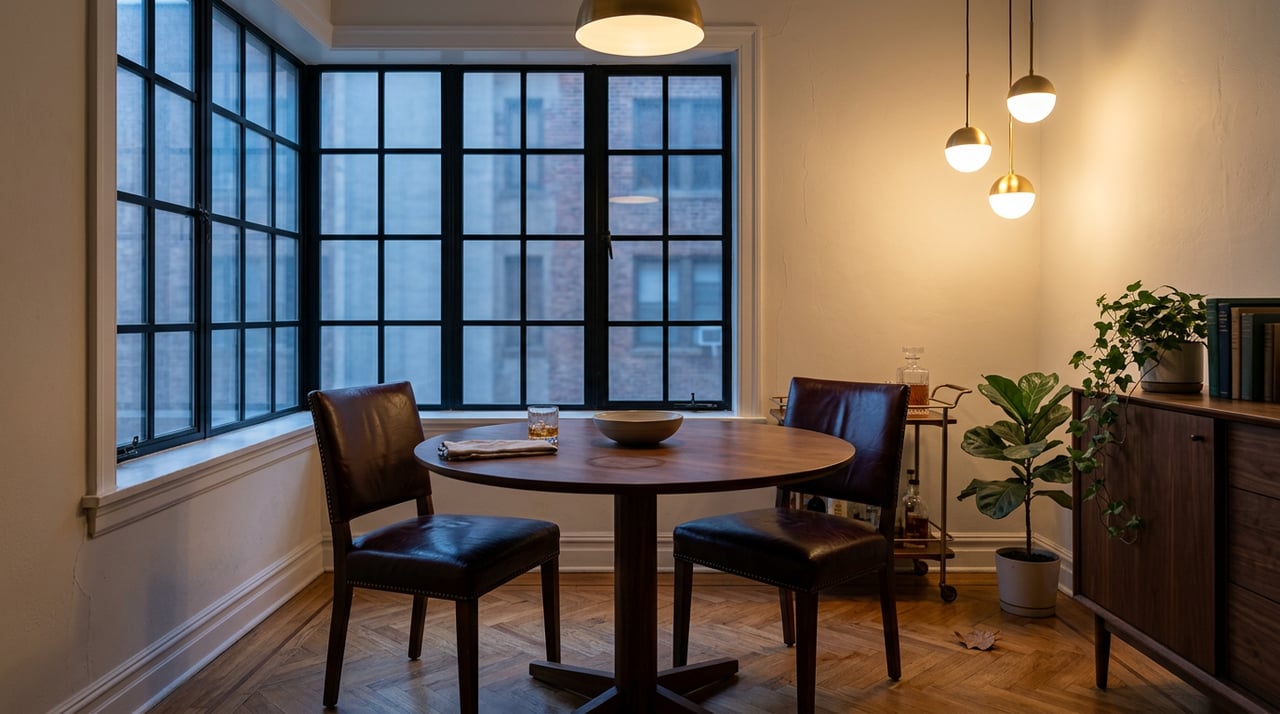
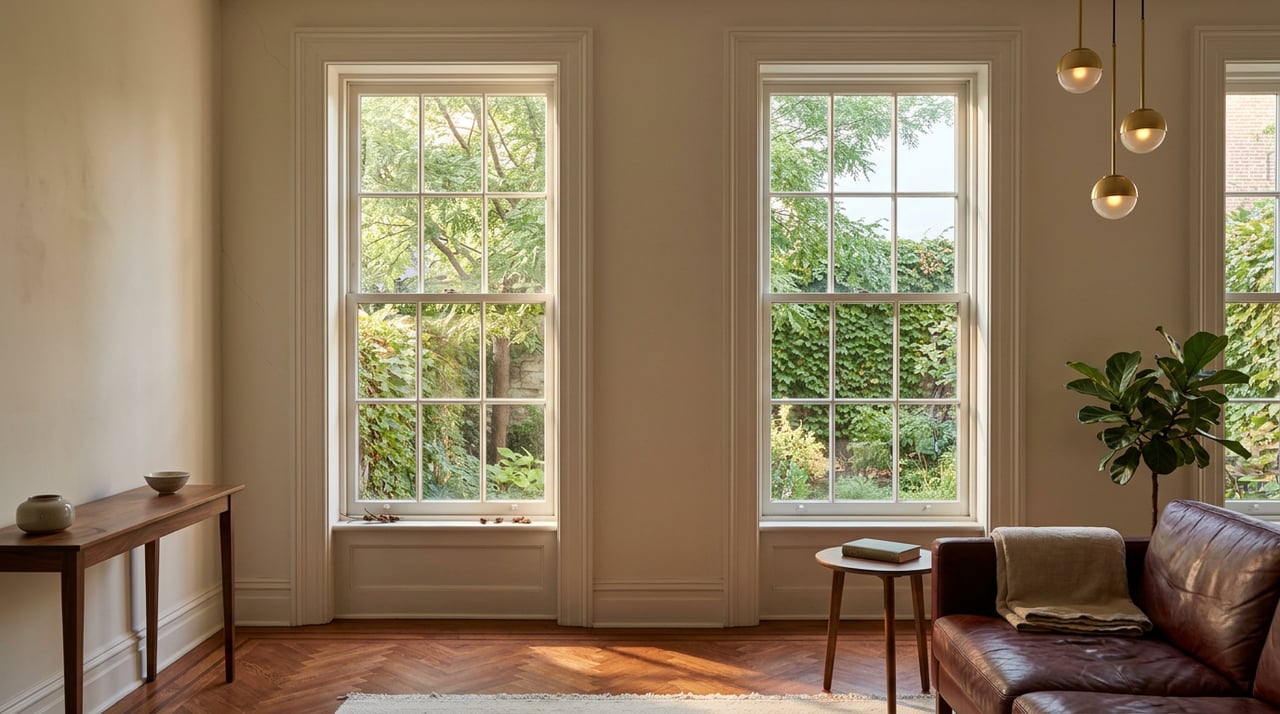
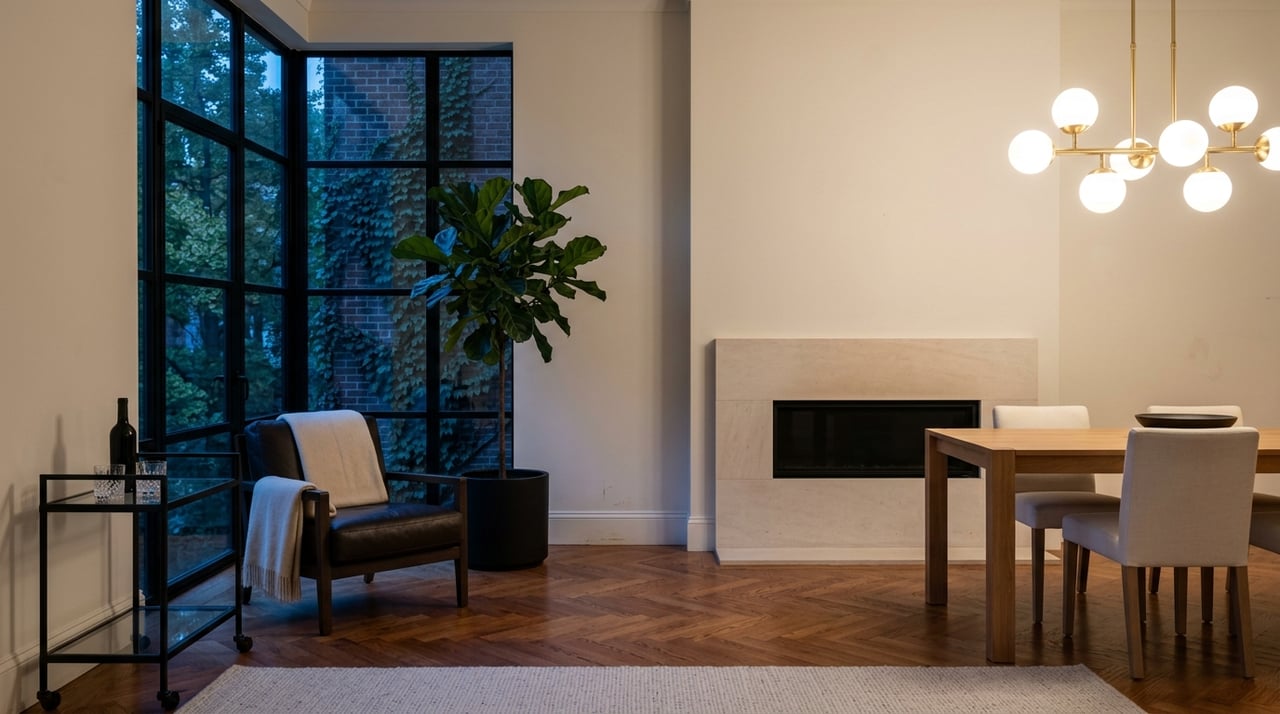
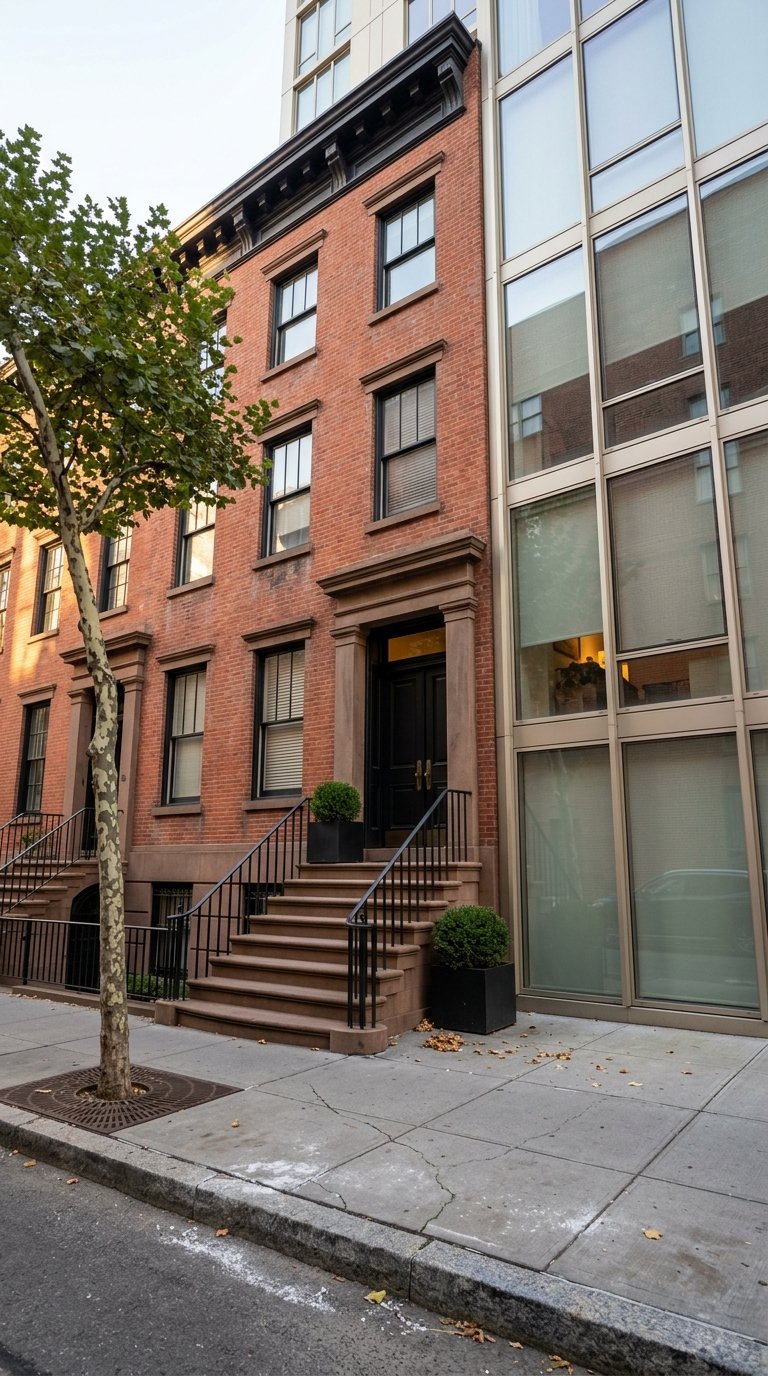
This is where Hell’s Kitchen becomes especially interesting for first-time buyers. The neighborhood has a broad mix of co-ops, condos, older walk-ups, loft-like conversions, and newer high-rise buildings. That range gives you more ways to balance budget, space, condition, and monthly costs.
StreetEasy’s current median pricing shows a meaningful gap between co-ops and condos. Condo studios are around $725,000, 1-bedrooms about $1.0875 million, and 2-bedrooms around $1.697 million. Co-op medians are much lower, at roughly $440,000 for studios, $625,000 for 1-bedrooms, and $974,500 for 2-bedrooms.
For a first-time buyer, that difference matters. In many cases, choosing a co-op or an older walk-up in Hell’s Kitchen may give you more purchasing power than stretching for a newer condo or moving to a neighboring area. It is often less about chasing the newest product and more about finding the right fit for your budget and long-term plans.
Building variety creates real choices
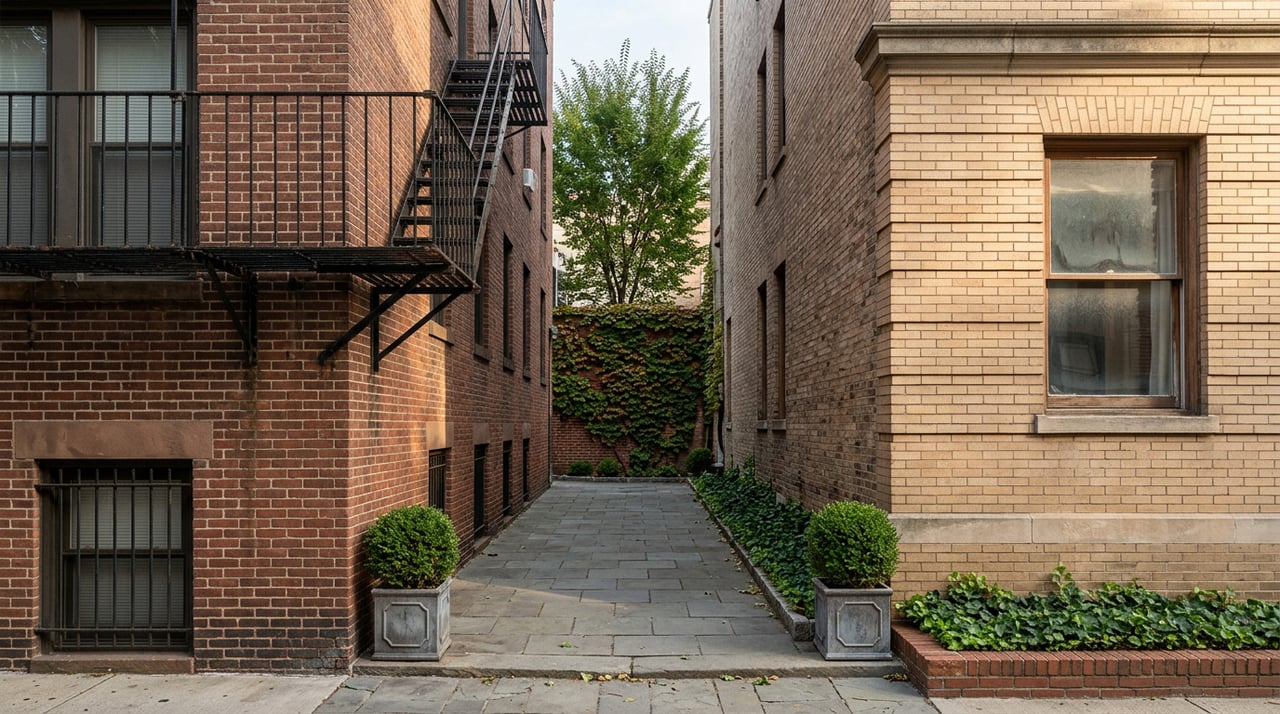
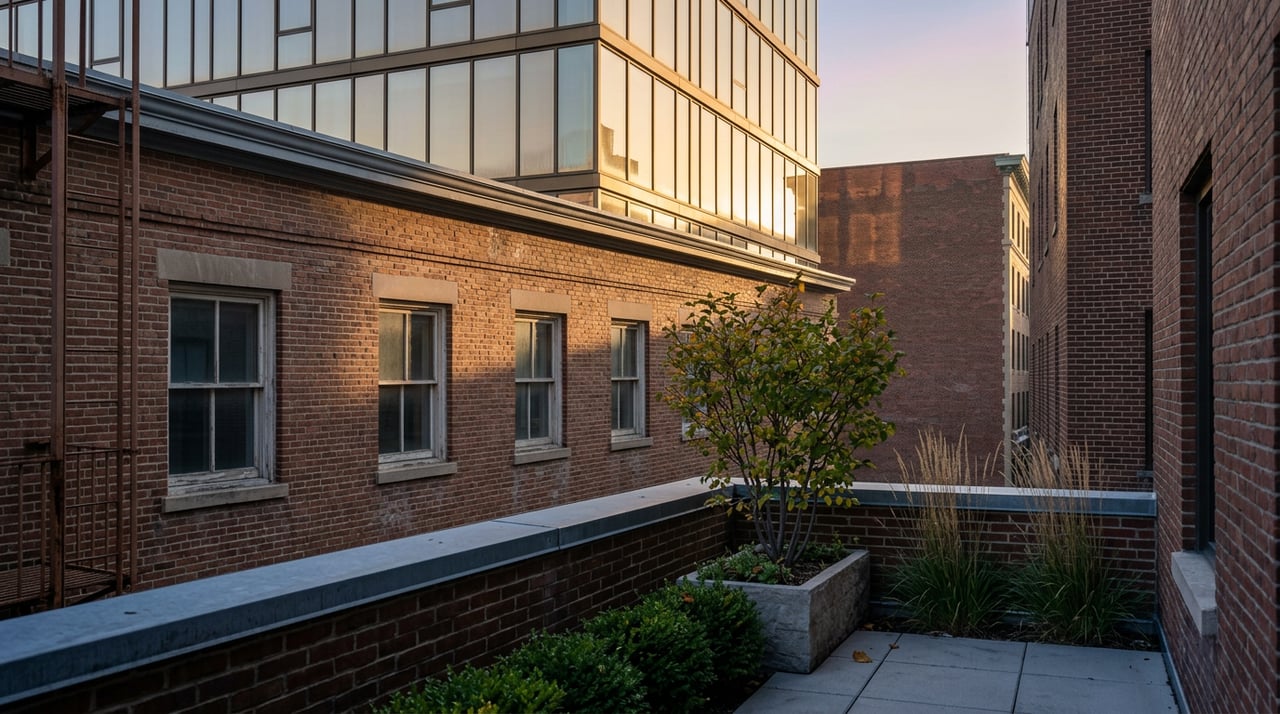
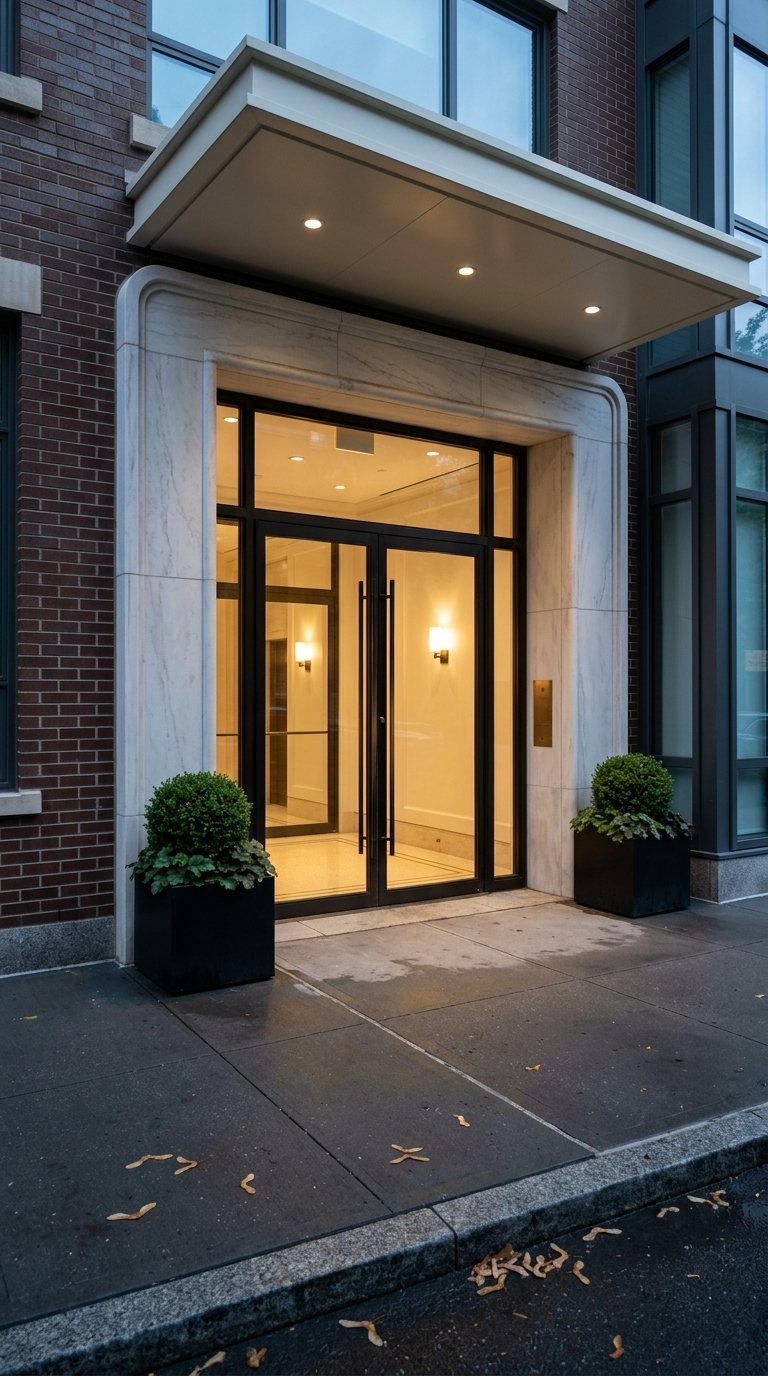
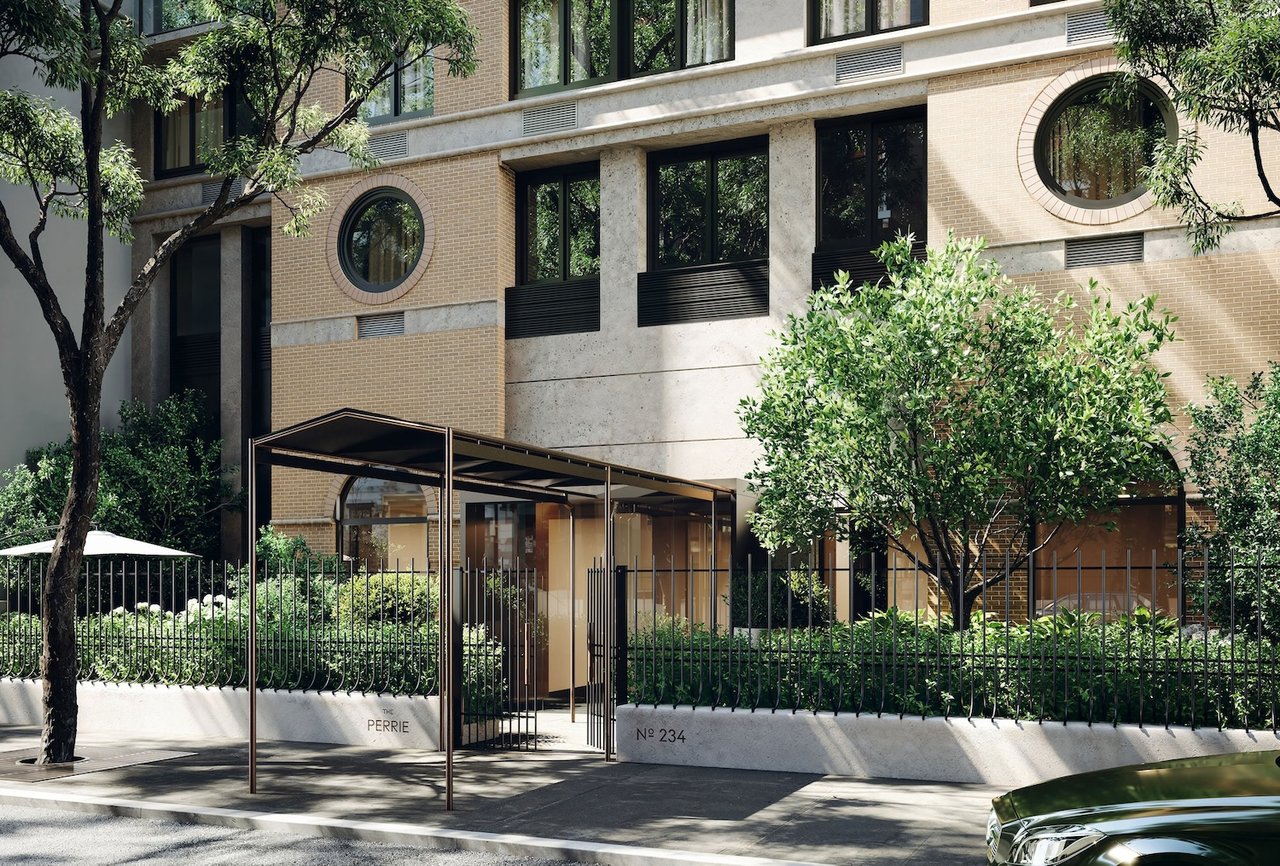
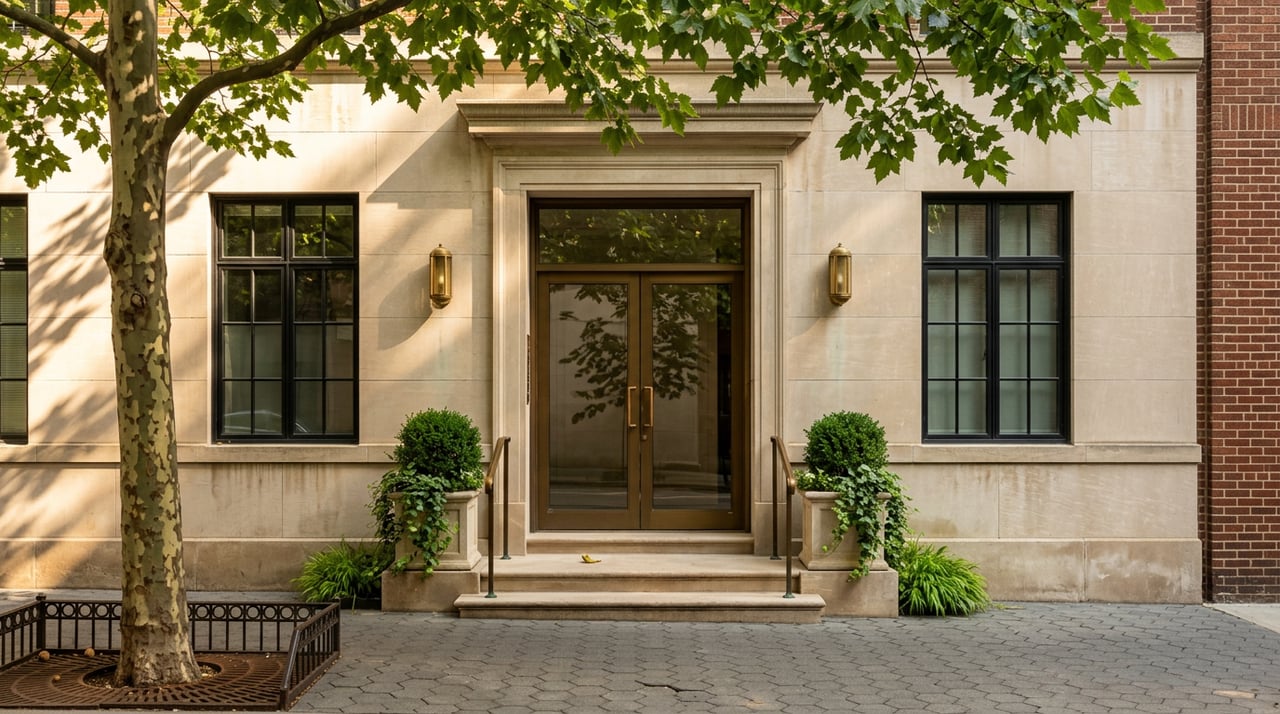
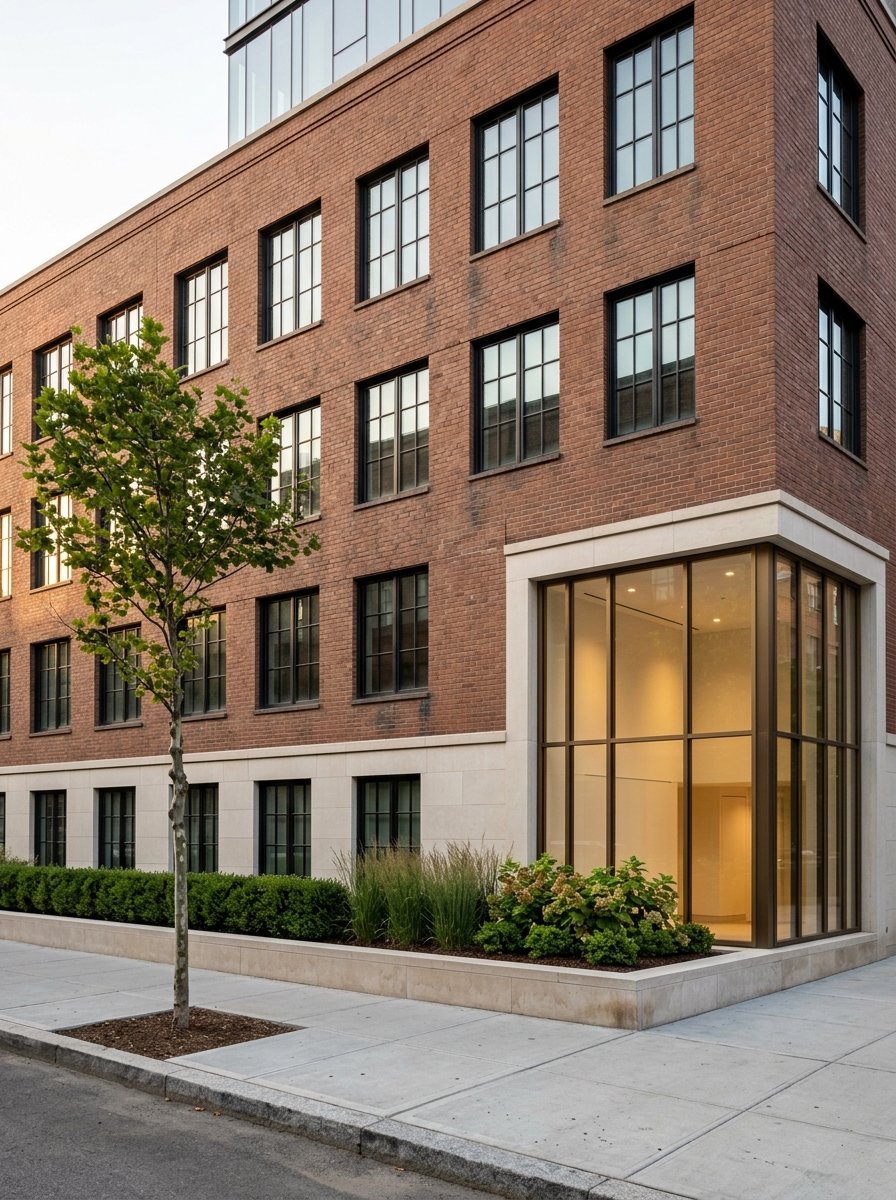
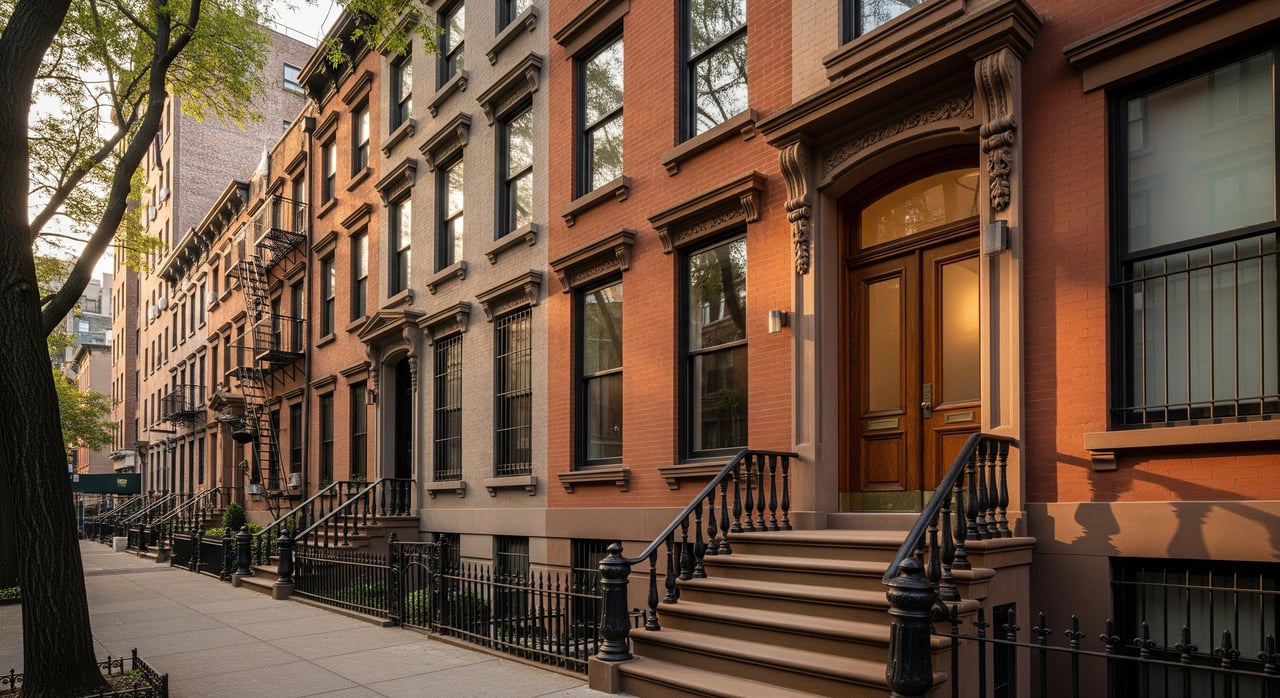
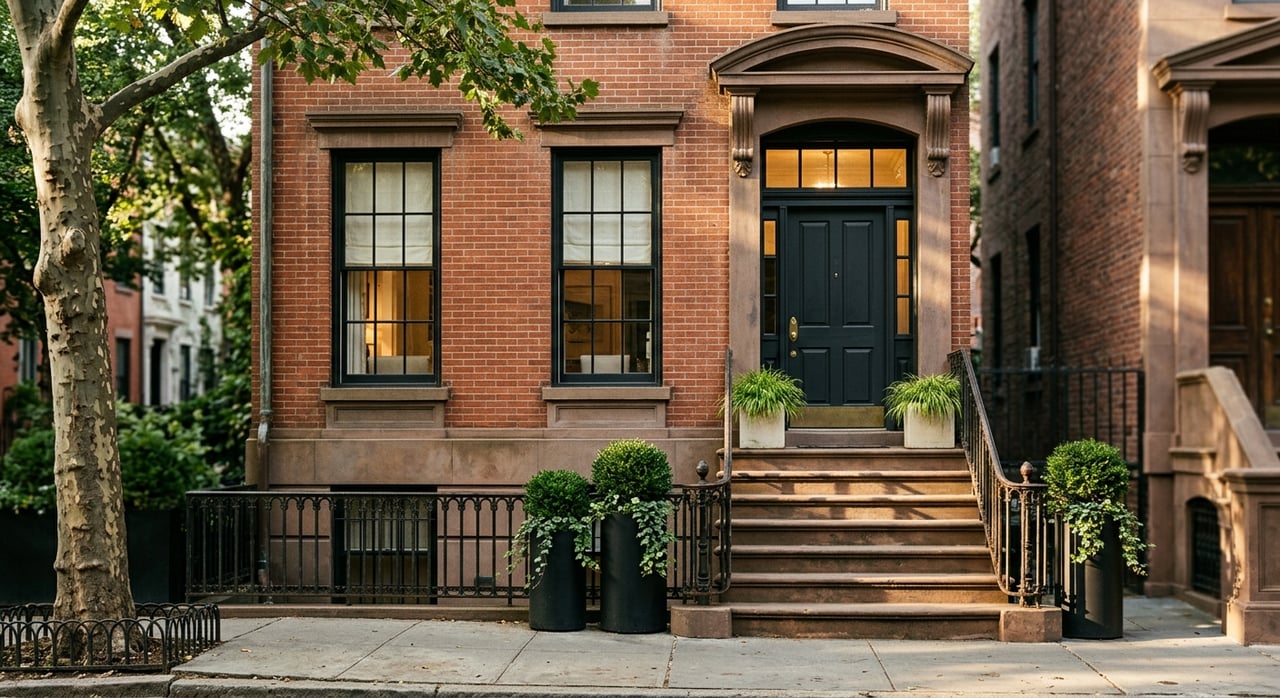
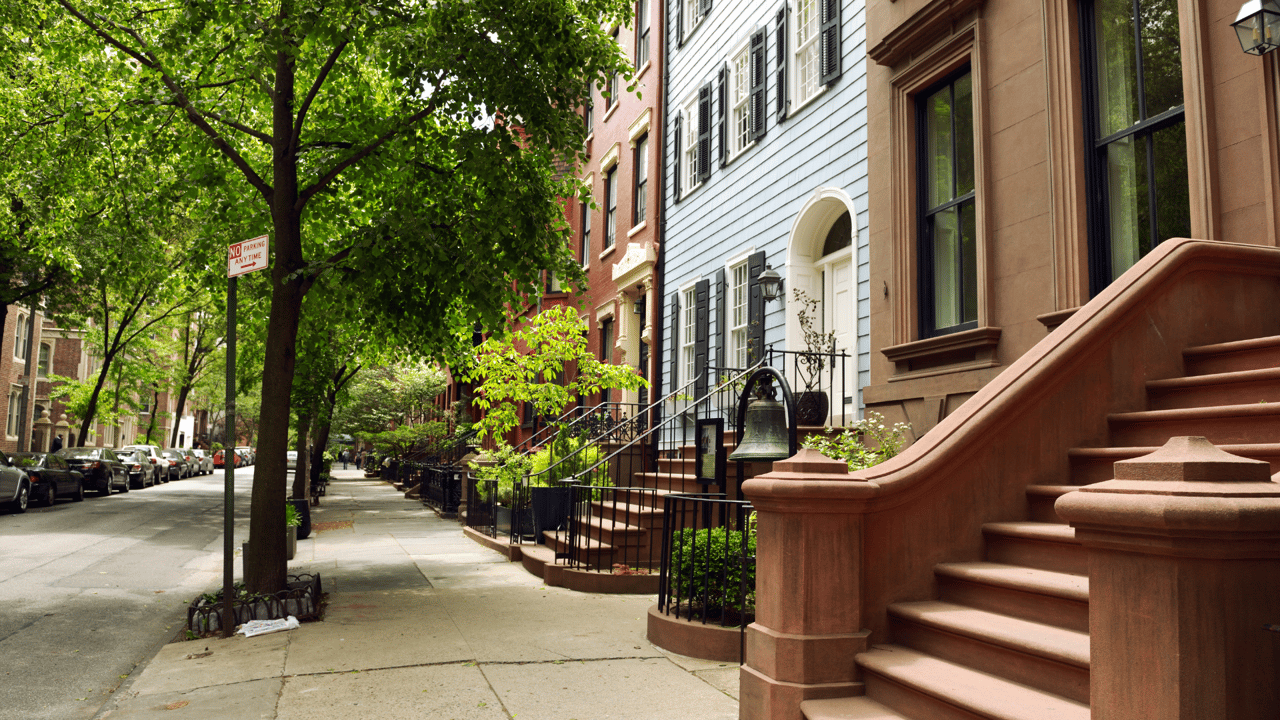
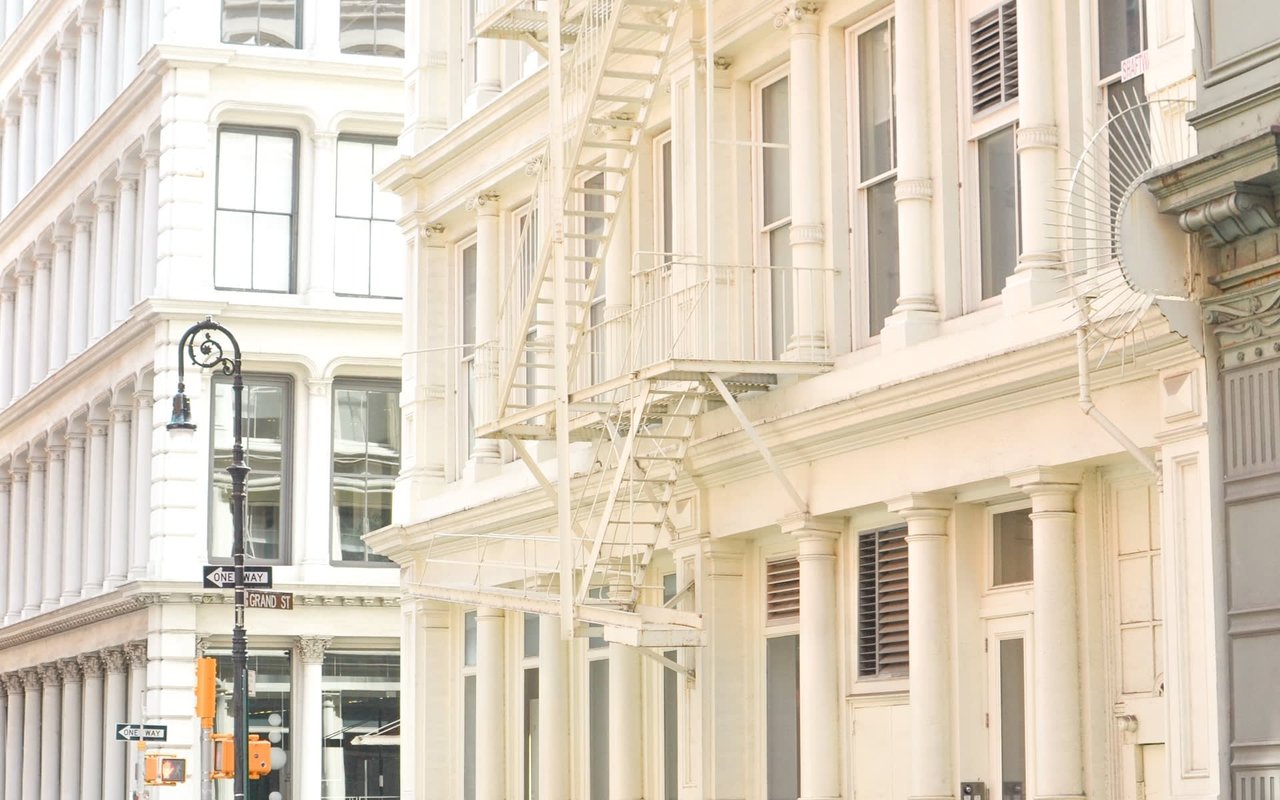
One reason Hell’s Kitchen appeals to new buyers is that it does not force a single lifestyle. Public planning materials describe a mix of walk-up apartments, tenements, converted lofts, and high-rise apartment buildings. StreetEasy also notes that newer skyscraper development has grown alongside older low-rise stock.
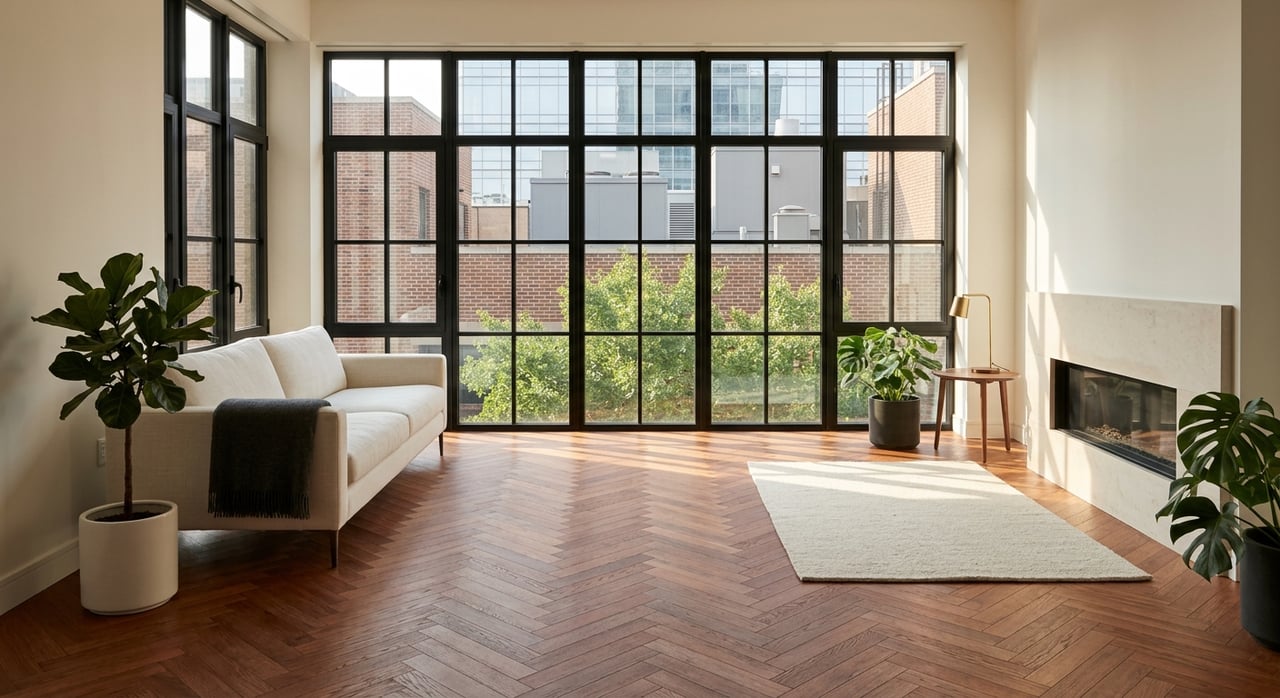
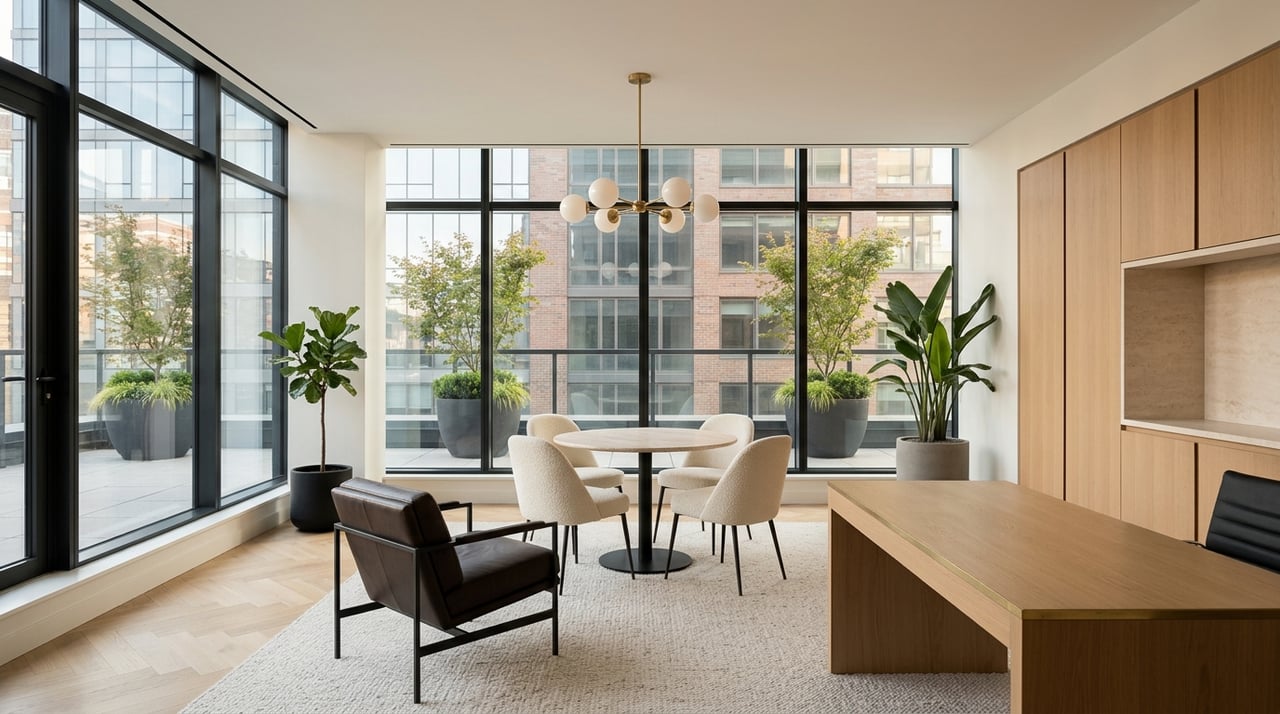
That variety gives you room to make tradeoffs based on what matters most to you. If your goal is a lower entry price, an older co-op or walk-up may be worth serious attention. If you care more about modern finishes, elevators, and amenity packages, newer condos may appeal to you, though usually at a premium.
New development pricing helps show that premium clearly. StreetEasy’s current page shows a new-development median of $1.35 million, above the neighborhood’s all-sales median of $1.177 million. For many first-time buyers, that spread is a reminder that the smartest value may come from buying older inventory with strong fundamentals rather than focusing only on new construction.
Daily life is a real selling point
A first purchase is not just a numbers exercise. You are also choosing how you want to live day to day, and Hell’s Kitchen has a lot to offer on that front. Community Board 4 materials describe the area as serving both residents and nearby workers with restaurants, cultural organizations, and neighborhood services.
Access to open space is another major advantage. Hudson River Park’s Hell’s Kitchen section runs from West 34th to West 54th Streets and includes Pier 84, boating and kayak access, a dog run, food and bike concessions, and the Intrepid Sea, Air & Space Museum at Pier 86. NYC Parks also identifies DeWitt Clinton Park as a neighborhood park in the area.
That blend of city energy and outdoor access can be especially appealing when you are buying your first Manhattan home. You get the convenience of a central location, but you also have places to walk, bike, or spend time by the water. For many buyers, that makes the neighborhood feel more balanced and easier to enjoy over the long term.
The neighborhood has a distinct character
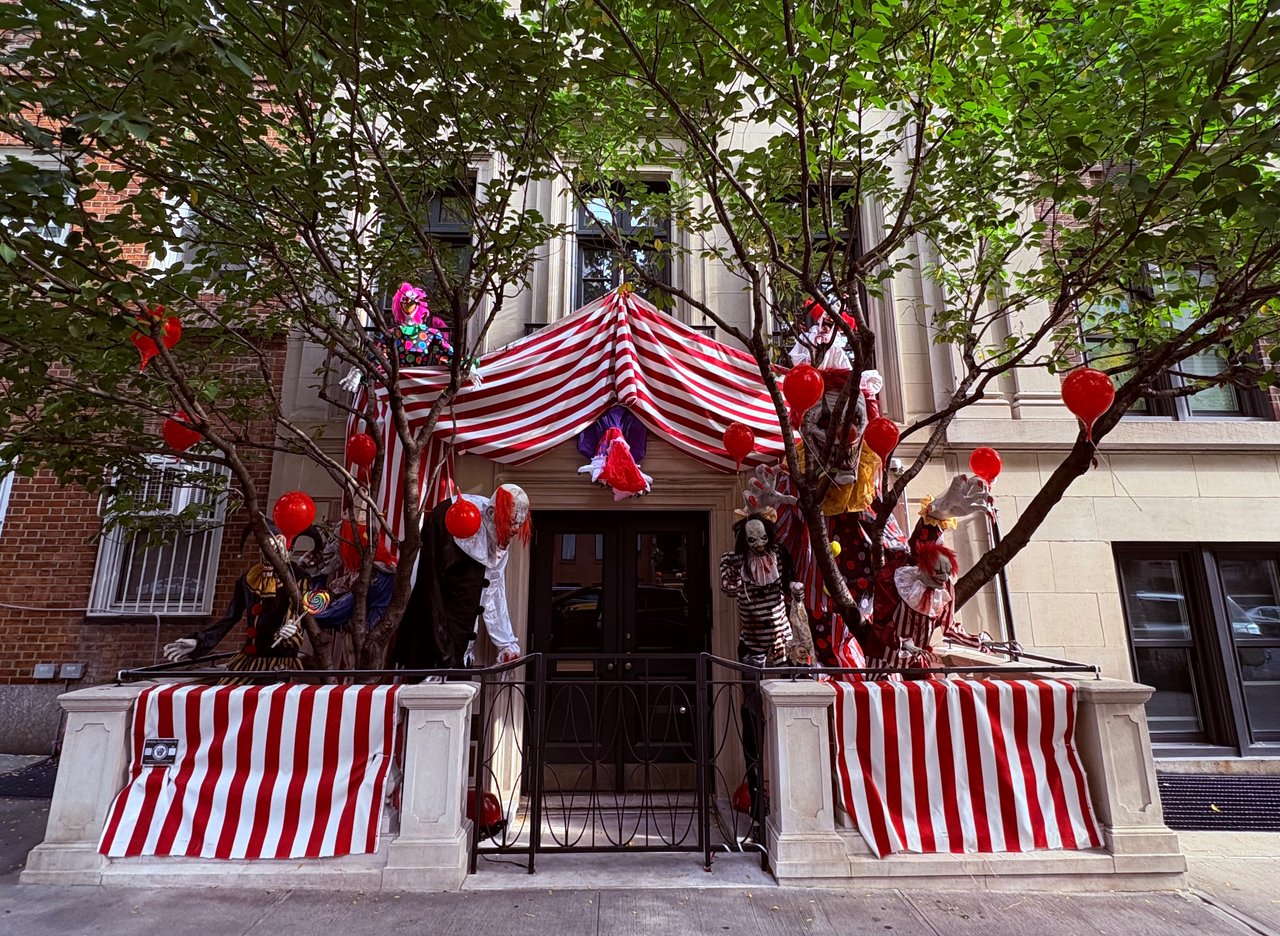
Hell’s Kitchen is not trying to be quiet or tucked away. It is active, busy, and intensely urban. For the right buyer, that is exactly the point.
The neighborhood’s residential character has also been shaped by planning decisions. New York City’s Special Clinton District zoning was created to preserve residential character, small-scale retail, and the street-tree environment while allowing compatible new construction. That helps explain why the area still feels like a mix of old and new rather than a single wave of redevelopment.
For first-time buyers, this matters because neighborhood feel can influence long-term satisfaction. You may find a block with older low-rise buildings and local retail, or a more modern stretch with larger towers and a different pace. That block-by-block range gives buyers more flexibility than neighborhoods that feel visually or financially uniform.
Hell’s Kitchen fits many early-career buyers
The area’s demographics also help explain why it resonates with first-time Manhattan buyers. Community Board 4’s needs assessment, using 2016 data, found that 45% of residents were between ages 25 and 44, with a median income of $101,080. That profile aligns with many early-career professionals who want to buy in Manhattan before moving farther uptown or to another borough.
Community District 4 also grew 27.2% from 2010 to 2020. While growth alone does not tell the whole story, it does suggest that more people have been drawn to this west-side district over time. For buyers, that reinforces the idea that Hell’s Kitchen continues to attract demand from people who value location, housing variety, and convenience.
Appreciation potential is plausible, not guaranteed
Many first-time buyers want to know whether buying in Hell’s Kitchen could support long-term value. There is a reasonable case for that, but it is important to stay grounded. The local story is tied to constrained supply, preserved residential character in parts of the neighborhood, and continued west-side investment.
The Special Clinton District was designed to conserve the value of land and buildings while preserving neighborhood scale and street life. The broader west side also benefited from the Hudson Yards plan, including the No. 7 subway extension, major new office and residential space, and new open space. Those factors can support long-term demand, even though no neighborhood offers guaranteed appreciation.
Recent pricing suggests demand has remained healthy. Redfin reports that Hell’s Kitchen’s median sale price rose 23.5% year over year to $1.234 million in March 2026, compared with 8.6% on the Upper West Side and 9.7% in Midtown Manhattan in the latest available snapshots. That does not mean every apartment will perform the same way, since results can vary by building type, block, condition, and monthly carrying costs, but it does show that the neighborhood can keep pace.
What first-time buyers should weigh carefully
Hell’s Kitchen can be a strong first-buy neighborhood, but it still rewards careful decision-making. The right apartment here depends on more than list price alone. In Manhattan, especially in co-ops and older buildings, the full cost picture matters.
As you compare options, pay close attention to:
- Building type and ownership structure
- Monthly maintenance or common charges
- Condition and renovation needs
- Walk-up versus elevator tradeoffs
- Block-by-block feel and traffic patterns
- Price gap between resale and new development
This is one of those neighborhoods where strategy matters. Two apartments with similar asking prices can offer very different value once you look at monthly costs, building rules, layout, and long-term flexibility.
Why the neighborhood stands out
At its core, Hell’s Kitchen appeals to first-time Manhattan buyers because it offers something increasingly hard to find: choice. You can still access central Manhattan, enjoy strong neighborhood amenities, and explore a wider range of price points and building types than you might expect nearby. That combination gives buyers more room to be selective instead of simply settling for what is available.
It is also a neighborhood where tradeoffs are fairly clear. You may accept more noise and traffic in exchange for location and convenience. You may choose an older co-op over a newer condo to improve affordability. For many first-time buyers, those are smart tradeoffs, especially when they are made with a clear plan.
If you are considering a first purchase in Hell’s Kitchen, working with a team that understands Manhattan micro-markets, co-op and condo differences, and block-by-block value can make the search much more productive. If you want tailored guidance on where Hell’s Kitchen fits into your budget and goals, Dana Sapir can help you evaluate the right opportunities with clarity and confidence.
FAQs
Why does Hell’s Kitchen appeal to first-time Manhattan buyers?
- Hell’s Kitchen appeals to many first-time buyers because it offers central Manhattan access, a broad mix of housing types, and pricing that is often somewhat lower than nearby neighborhoods like Midtown Manhattan and the Upper West Side.
Are co-ops in Hell’s Kitchen more affordable than condos?
- Based on current StreetEasy median pricing, co-ops in Hell’s Kitchen are generally much less expensive than condos at the studio, 1-bedroom, and 2-bedroom levels, which can make them especially appealing to first-time buyers.
What types of homes can buyers find in Hell’s Kitchen?
- Buyers in Hell’s Kitchen can find older walk-ups, tenements, converted lofts, co-ops, condos, and newer high-rise buildings, giving them a wide range of options depending on budget and lifestyle.
Is Hell’s Kitchen a quiet neighborhood for Manhattan buyers?
- Hell’s Kitchen is generally a busy, highly urban neighborhood with significant traffic and pedestrian activity due to its central location and nearby transportation infrastructure.
Does Hell’s Kitchen offer parks and outdoor space for residents?
- Yes. The neighborhood has access to Hudson River Park, including Pier 84 and other waterfront amenities, and it also includes DeWitt Clinton Park for local outdoor recreation.
Can Hell’s Kitchen support long-term value for first-time buyers?
- It may. Factors like constrained supply, preserved residential character in parts of the neighborhood, and ongoing west-side investment support a reasonable long-term value case, but appreciation is never guaranteed and can vary by property.