If you want Manhattan energy at your doorstep, the Lower East Side is one of the first neighborhoods that comes to mind. It draws people who want to be close to restaurants, subway lines, waterfront park space, and the layered history that makes downtown living feel distinct. If you are wondering whether the Lower East Side fits your lifestyle, this guide will walk you through what daily life actually feels like here. Let’s dive in.
Lower East Side Overview
The Lower East Side sits within Manhattan Community District 3, alongside the East Village and part of Chinatown. The district runs from 14th Street north to the East River on the east and south, with Bowery and Fourth Avenue on the west, which helps explain why the area feels connected to several downtown neighborhoods rather than tucked away from them.
That location shapes daily life in a big way. You are close to multiple parts of Lower Manhattan, and it is easy to move between the Lower East Side, the East Village, Chinatown, and nearby sections of downtown without feeling like you have crossed into a completely different world.
Lower East Side Character
The Lower East Side has a long history as a neighborhood shaped by immigration. The Tenement Museum notes that it has been home to German, Jewish, Puerto Rican, and Chinese communities, and that it is now part of one of the country’s largest Chinatowns.
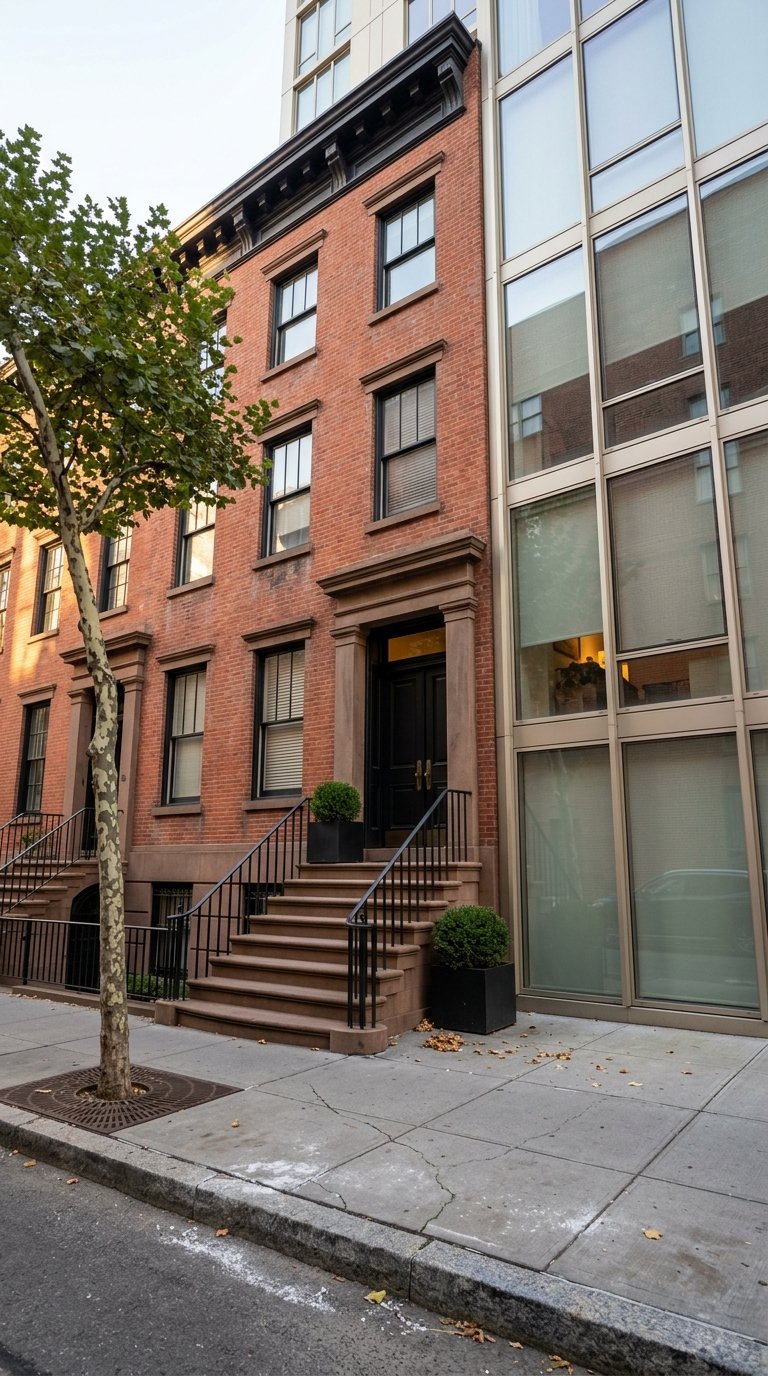
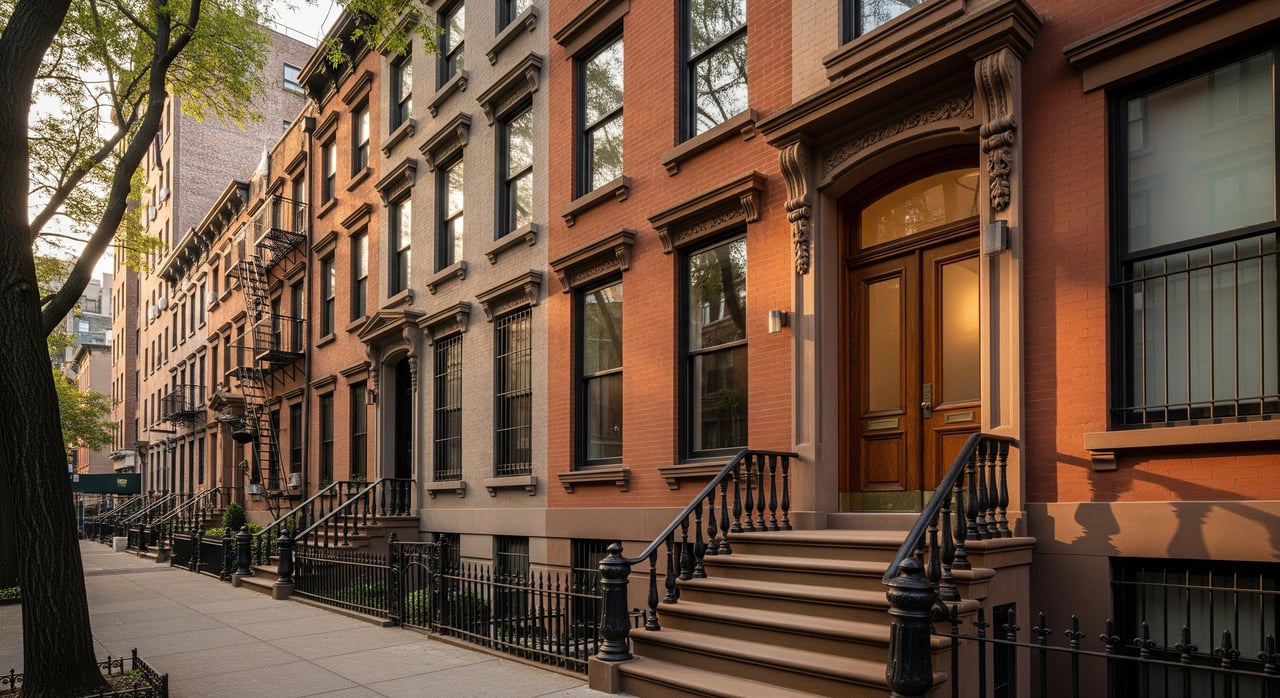
You can still feel that history on the street. The neighborhood has a layered, lived-in texture, with older buildings, busy storefronts, and a food culture that reflects generations of newcomers. That gives the area a sense of identity that feels grounded and active at the same time.
Housing on the Lower East Side
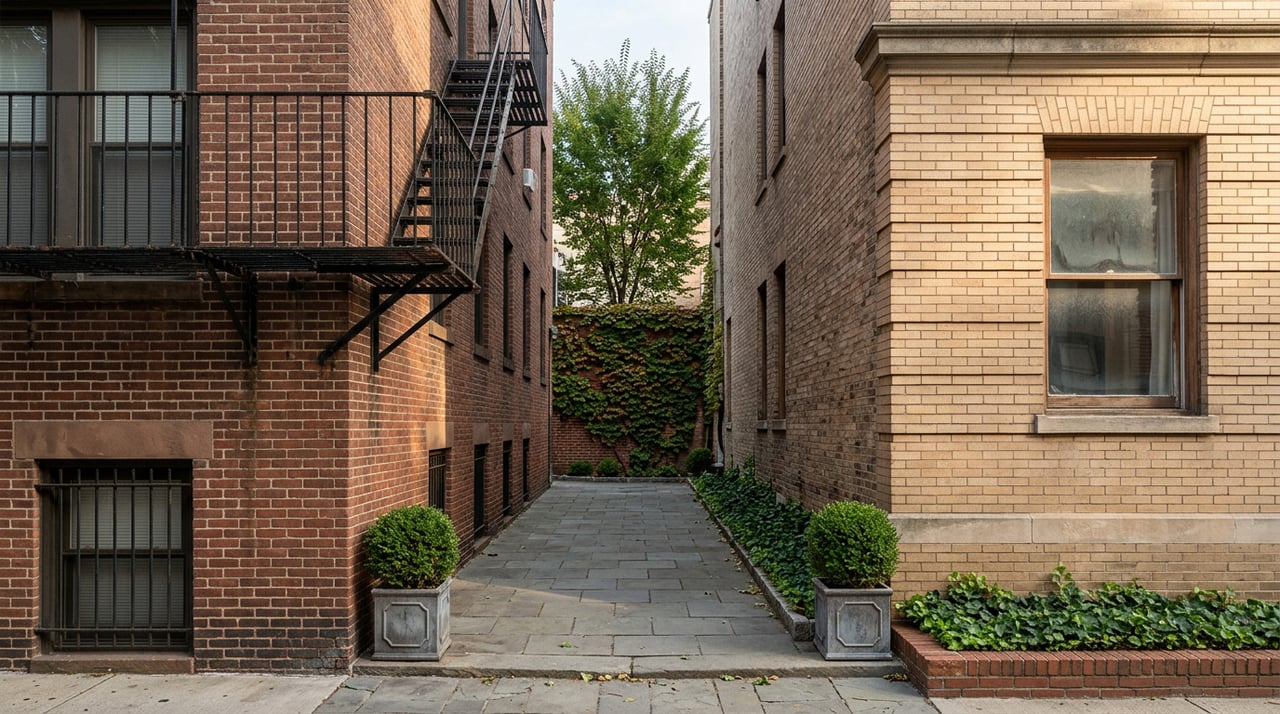
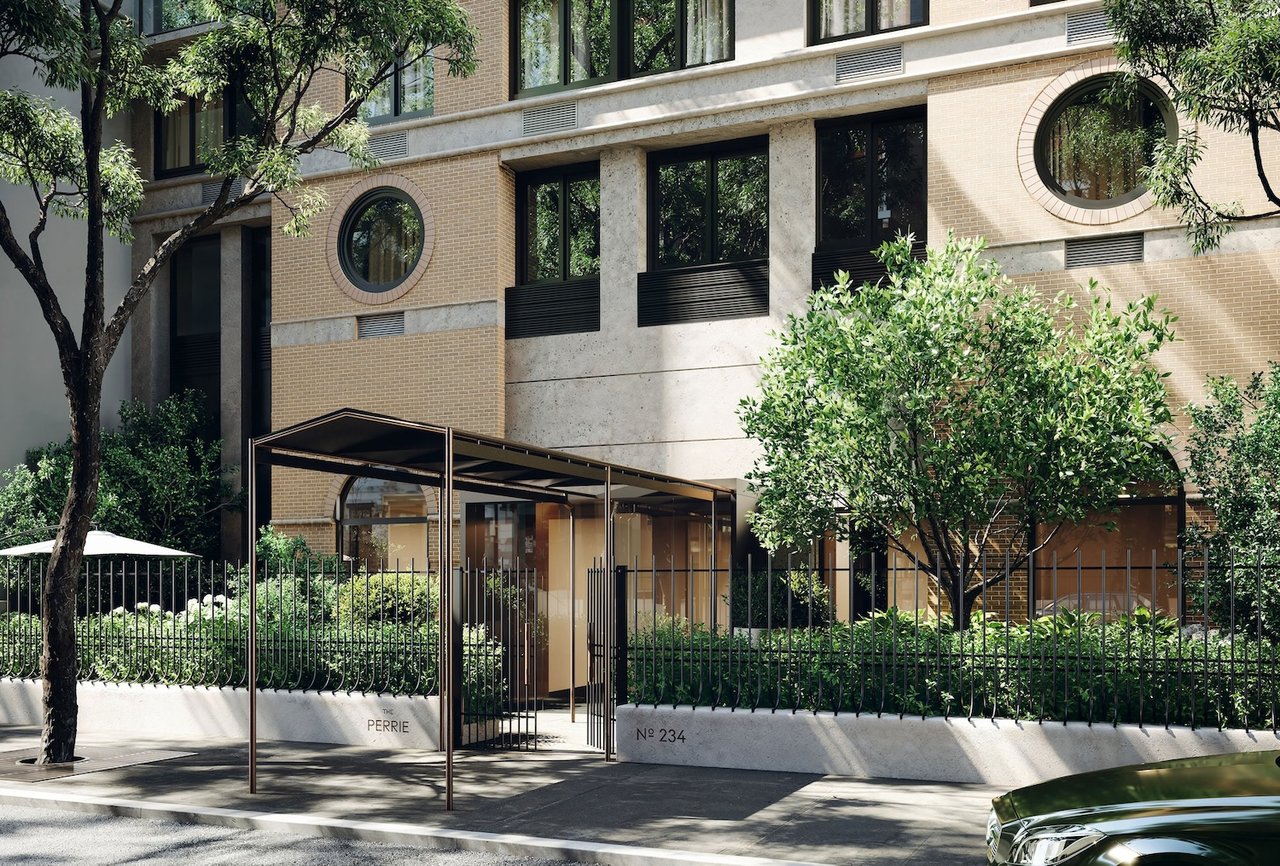
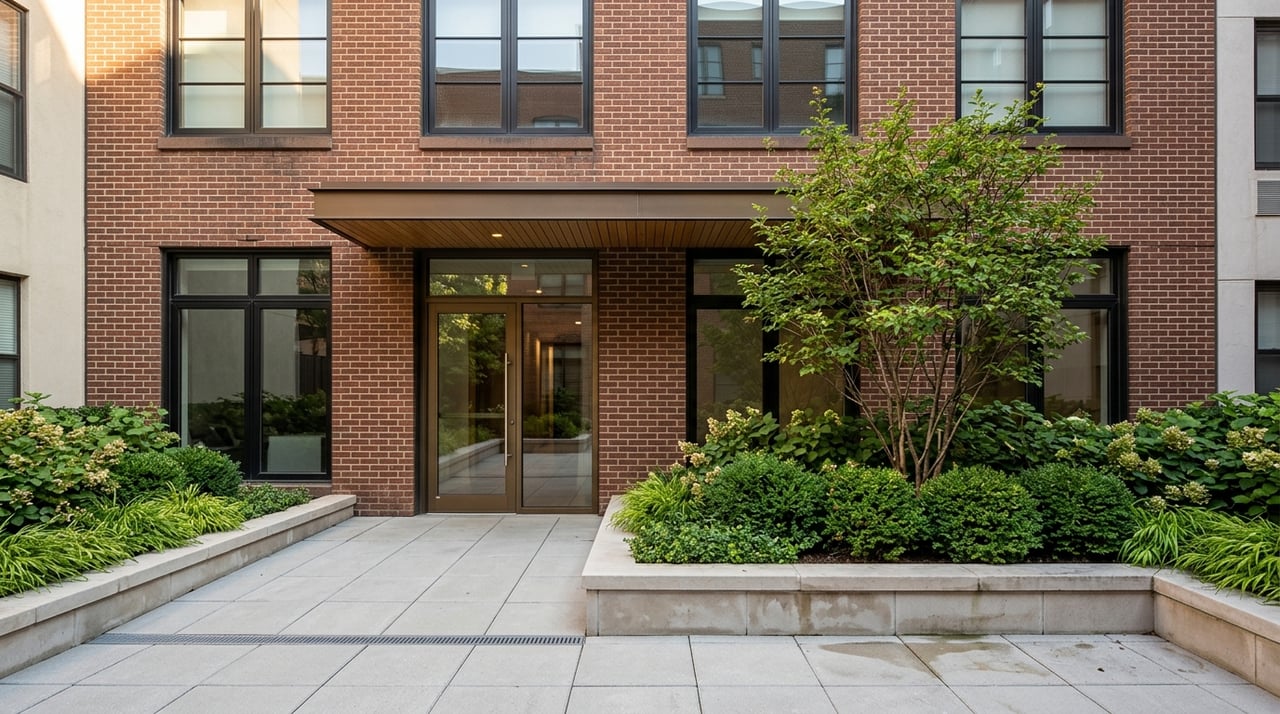
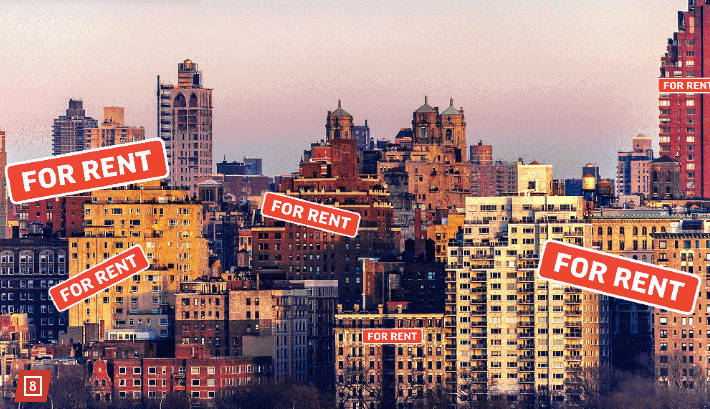
If you are thinking about buying or renting here, it helps to know that the housing stock is overwhelmingly multifamily. NYC Planning describes the broader East Village, Lower East Side, and Two Bridges area as dominated by mid-rise walk-up tenements and tower-in-the-park buildings, with nearly 70,000 residents in almost 26,000 dwelling units across about 600 buildings.
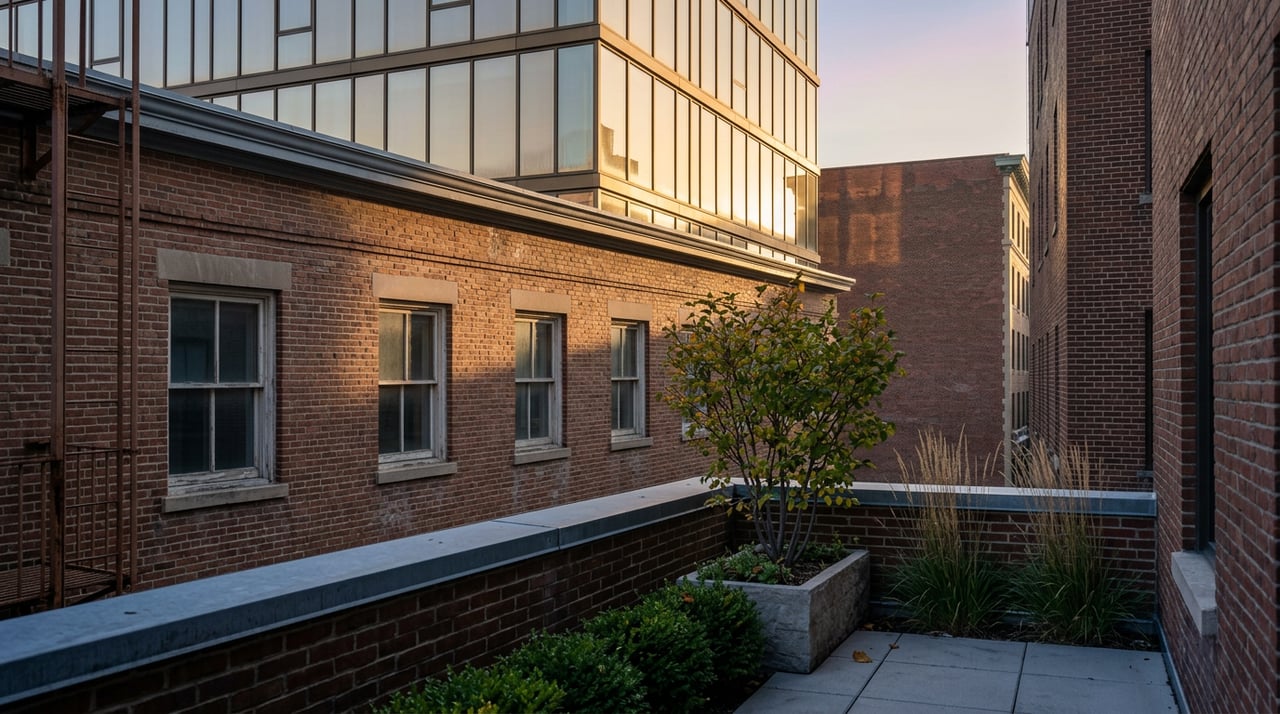
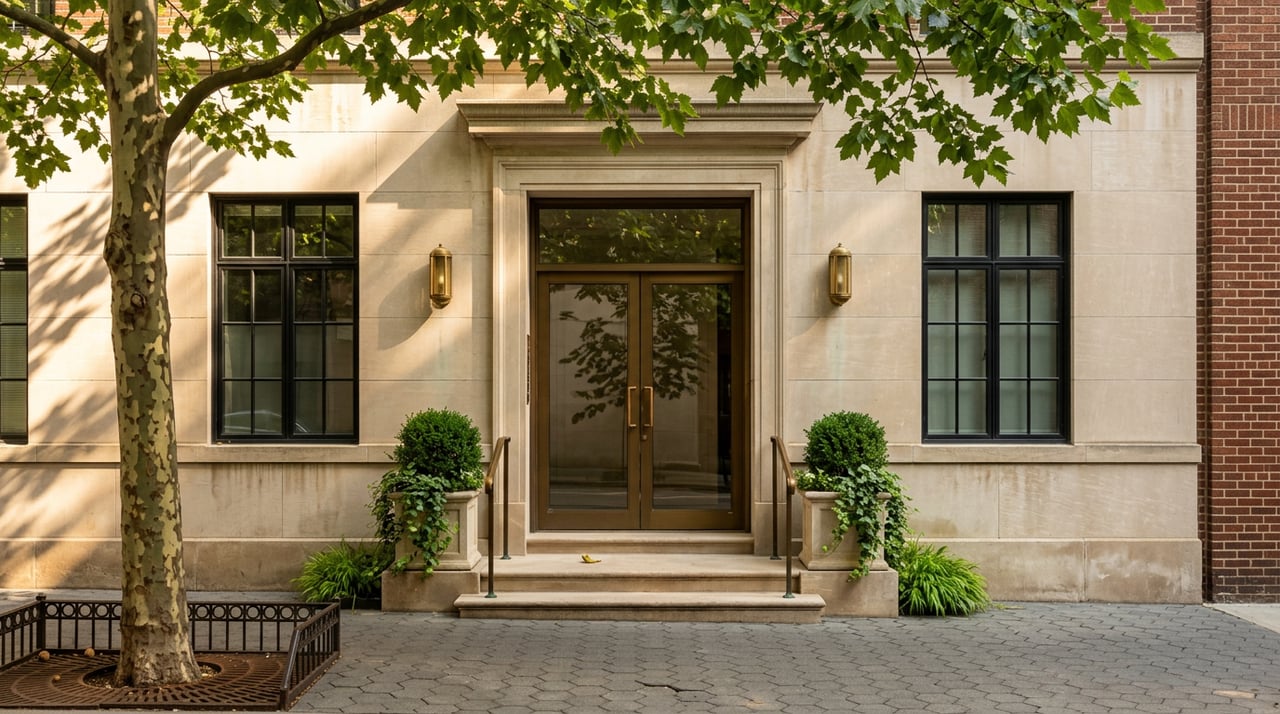
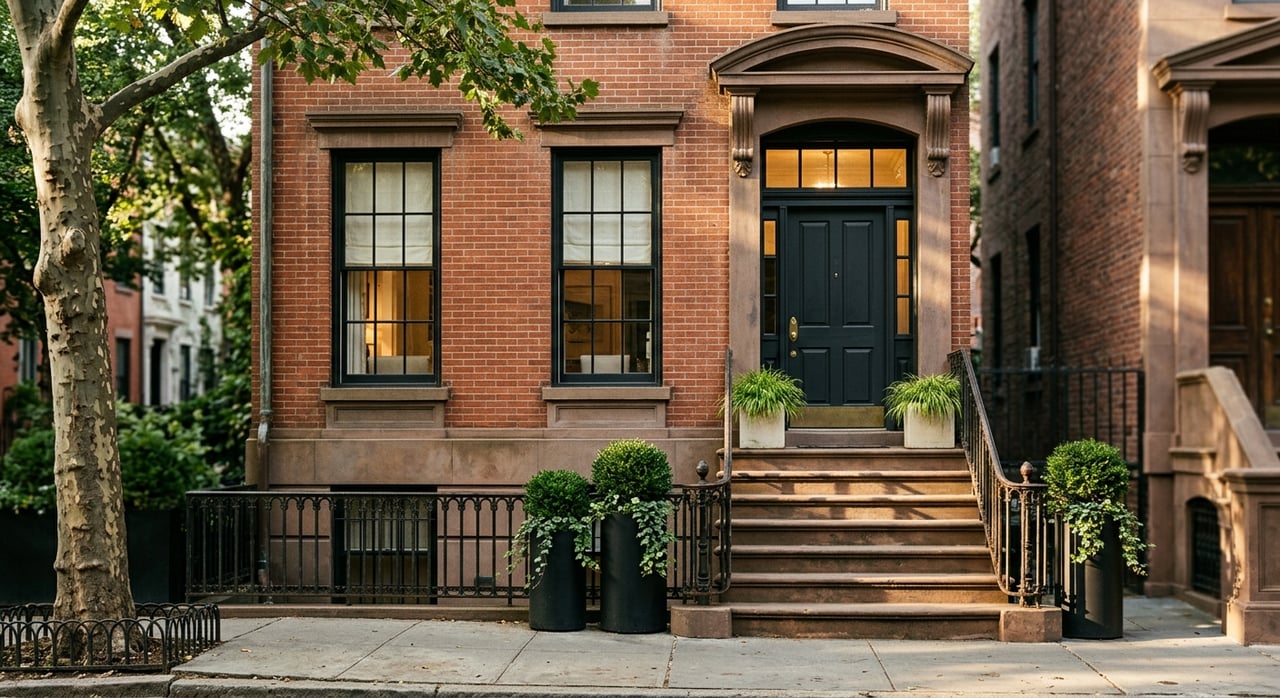
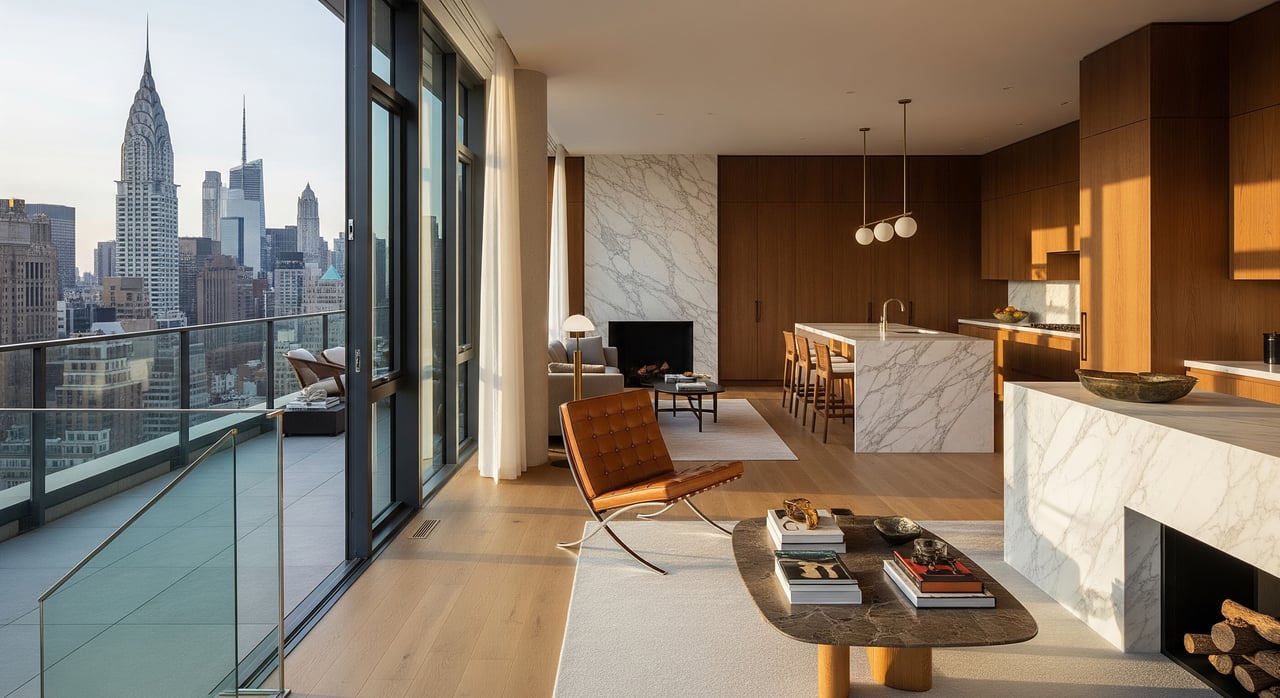
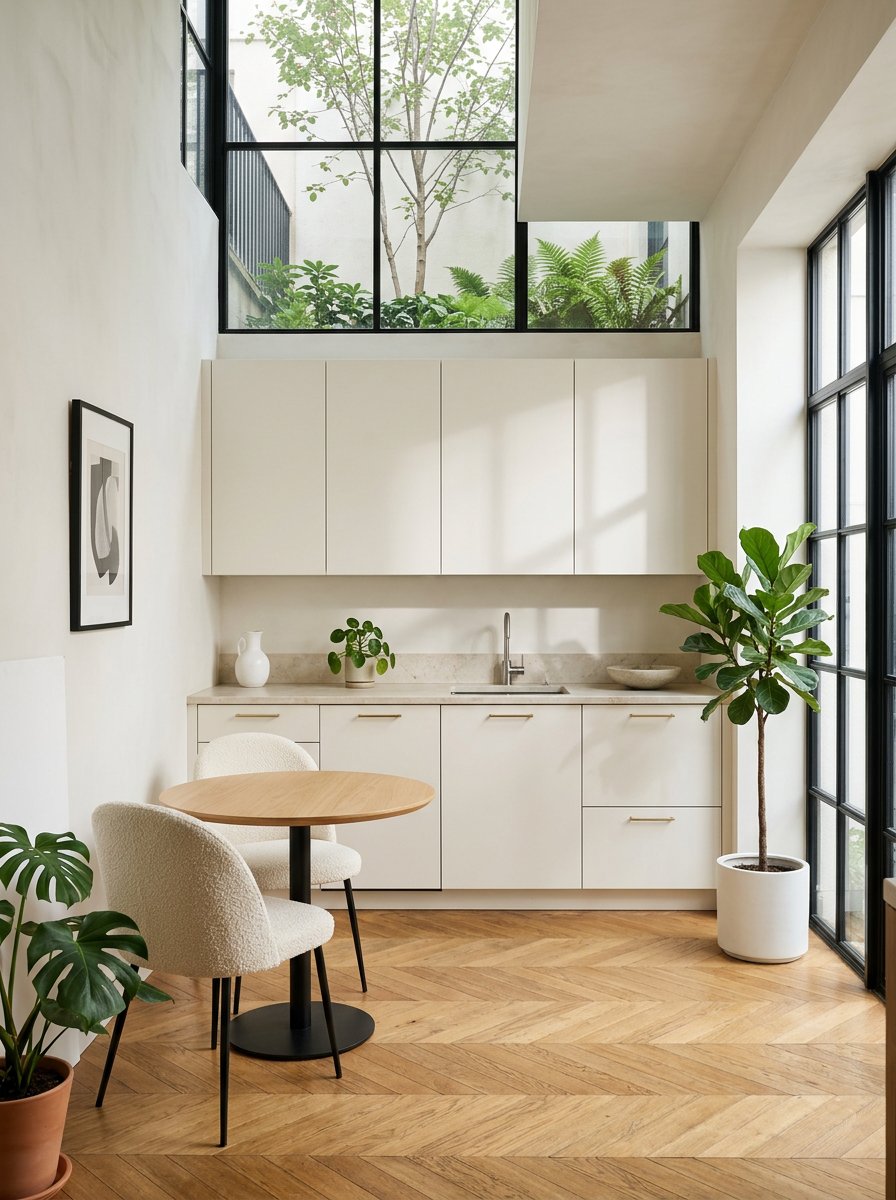
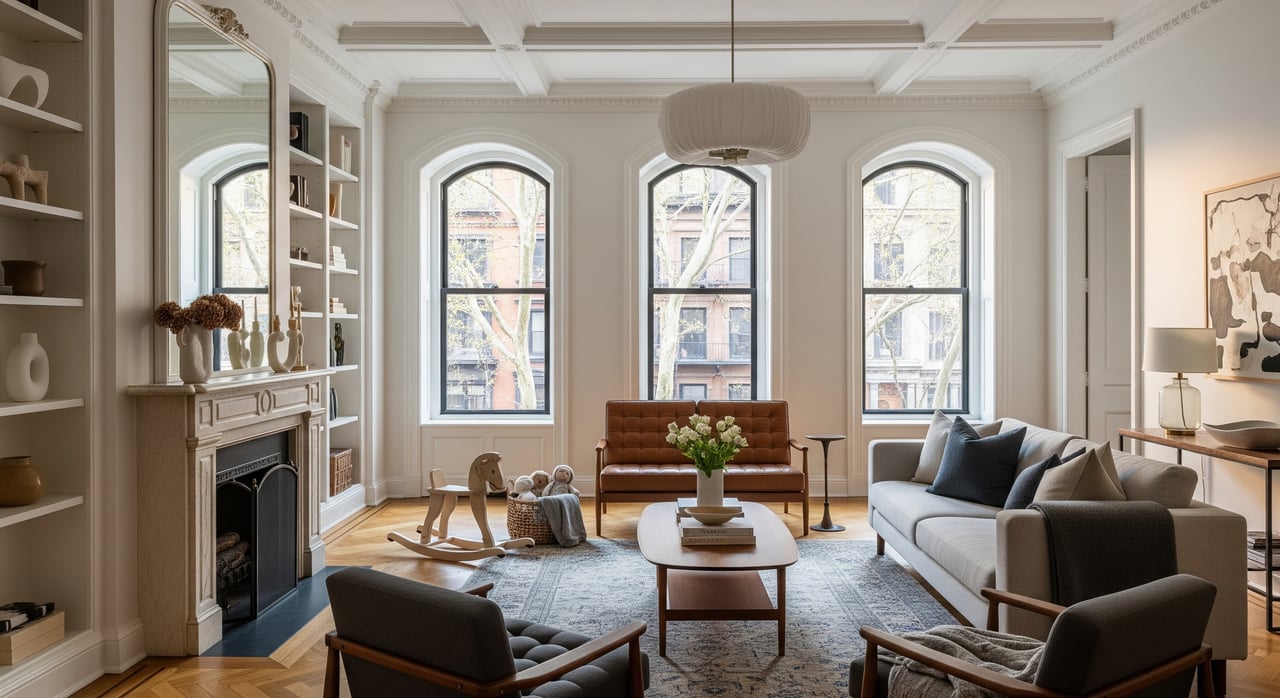
In practical terms, that usually means you will see prewar walk-ups, elevator buildings, and larger residential complexes more often than rowhouses or single-family homes. For many buyers, that is part of the appeal. The building mix gives the neighborhood variety, but it also means your search will likely focus on apartment living rather than traditional house-style inventory.
Many units in the broader area also provide affordable housing, according to NYC Planning. That contributes to a streetscape with a wide range of building types, resident experiences, and price points.
What buyers should keep in mind
Older housing stock can be part of the charm, but it also means every building needs to be evaluated on its own terms. Layout, light, building systems, elevator access, and block-level noise can all vary significantly from one property to the next.
NYC Planning also identifies the area as vulnerable to flooding from a 1% annual chance storm. If you are looking near the waterfront or in a larger residential complex, that is one more reason to understand building conditions, resiliency planning, and location-specific tradeoffs before you buy.
Dining and nightlife on the Lower East Side
The Lower East Side is one of downtown Manhattan’s most active nightlife neighborhoods. NYC launched a multi-agency quality-of-life plan for Ludlow and Orchard Streets between Houston and Delancey in part because that six-block corridor contains more than 80 food and beverage establishments.
For you as a resident, that means access. You can be close to a deep mix of bars, restaurants, and late-night spots without needing to travel far. The neighborhood often feels lively well beyond standard business hours.
That energy comes with tradeoffs. The city’s quality-of-life effort also referenced congestion, horn honking, and garbage collection concerns in the area, so if you value quiet evenings and low foot traffic, block selection matters.
What the street feel is really like
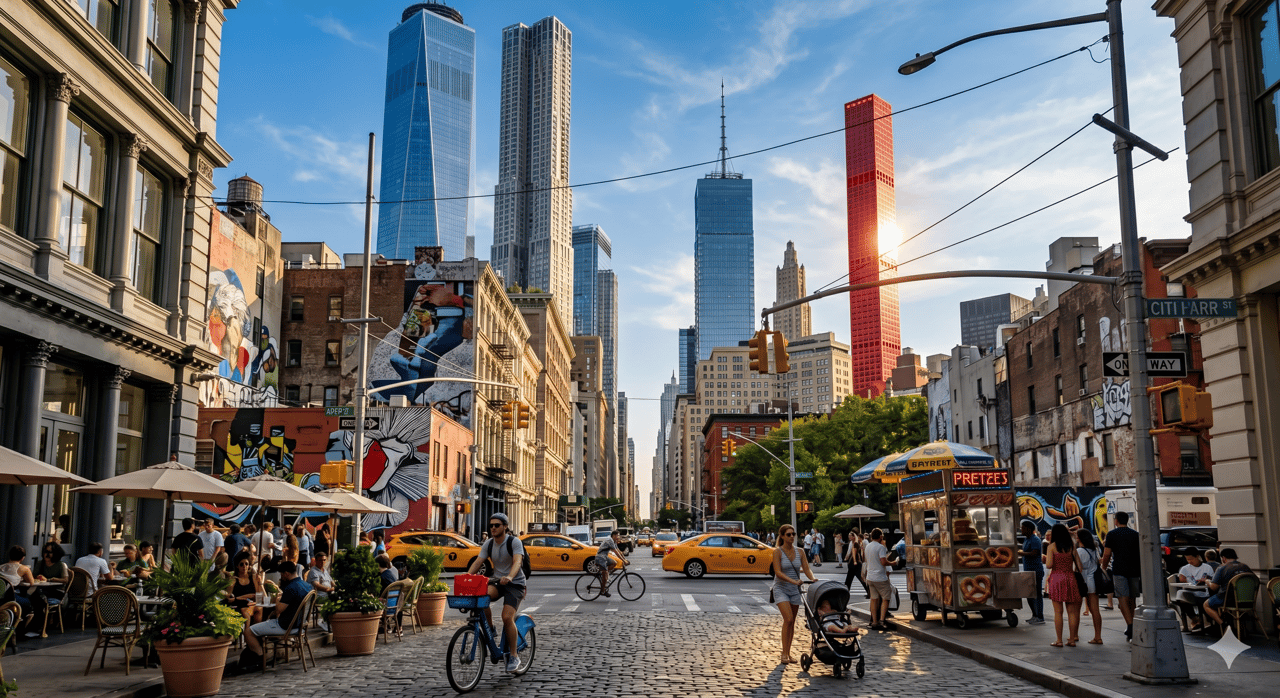
The Lower East Side tends to feel street-level, busy, and destination-oriented. It is not a neighborhood that hides its activity. In many parts of the area, the rhythm of daily life includes steady pedestrian movement, active storefronts, and a late-night pulse.
That is exactly what some buyers want. If you enjoy being in the middle of downtown action, the neighborhood can feel exciting and convenient. If you prefer a quieter, more formal residential atmosphere, it may feel intense.
Transit and getting around
Transit is one of the strongest practical advantages of living on the Lower East Side. MTA maps show access to the F at 2 Av, Broadway-Lafayette, and Delancey St-Essex St, plus the J and Z at Delancey St-Essex St and Bowery, with the M transferring at Delancey St-Essex St as well.
That gives you solid connectivity to Lower Manhattan, the East Village, and Brooklyn through the Nassau Street and Sixth Avenue systems. If your routine includes commuting, meeting clients, or moving across downtown regularly, that kind of subway access can make the neighborhood feel highly efficient.
The compact street grid also supports a walkable lifestyle. Many residents choose the Lower East Side because errands, dining, and transit are all close together, which helps make daily life feel fast-moving and convenient.
Parks and outdoor space
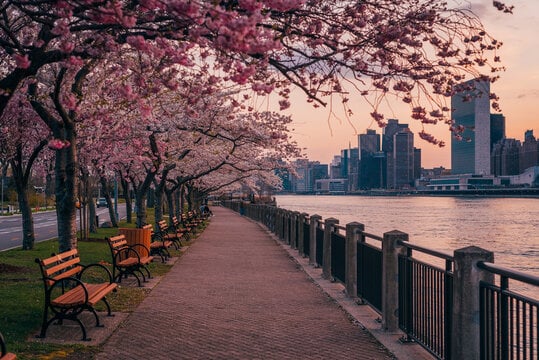
Green space exists on the Lower East Side, but it is more concentrated than abundant. John V. Lindsay East River Park is a major local asset, with 45.88 acres of waterfront space that includes ball fields, courts, a track, fishing, and bike and pedestrian paths.
The park is also an important part of the Waterfront Greenway, which adds another layer of recreational access. If you want room to run, bike, or spend time near the water, this is one of the neighborhood’s biggest outdoor draws.
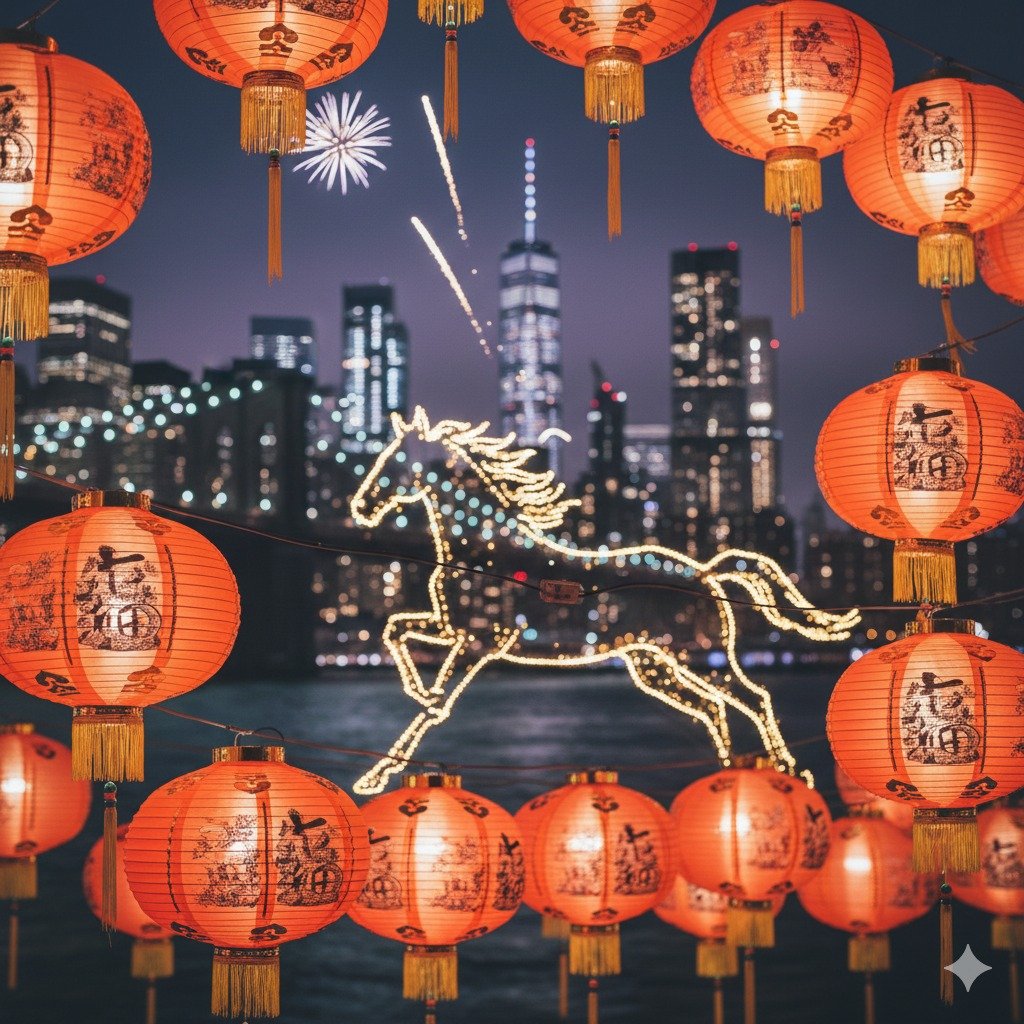
Sara D. Roosevelt Park offers a smaller neighborhood-scale option at Chrystie and Grand Streets. NYC Parks also uses that space for community events, including the annual Lunar New Year firecracker ceremony.
East River Park changes to know
The waterfront is still evolving. The East Side Coastal Resiliency project is rebuilding East River Park, and the city says large new sections opened in 2025 as part of a broader effort designed to reduce flood risk for about 110,000 New Yorkers.
At the same time, some areas remain in transition. According to NYC Parks, the section south of Stanton Street is temporarily closed, while open access points include East Houston Street, the 6th Street Bridge, and the 10th Street Bridge. New access points have also been added at Pier 42 and Corlears Hook Park.
For residents, that means the waterfront is usable and improving, but it is worth understanding current access conditions if park proximity is high on your list.
What daily life feels like
Living on the Lower East Side tends to feel urban first. You are surrounded by multifamily housing, active streets, strong transit, and a neighborhood identity built around movement, density, and cultural layering.
It can be a great fit if you want a compact, highly walkable downtown lifestyle with strong restaurant access and easy subway connections. Many people are drawn to the area because it feels authentic, busy, and deeply tied to Manhattan’s history.
It may be less ideal if your top priorities are quiet blocks, abundant open space, or a more polished uptown atmosphere. In that sense, the Lower East Side is less about retreat and more about access, energy, and being in the middle of things.
Who the Lower East Side suits best
The Lower East Side often appeals to buyers and renters who want to be immersed in downtown living. If you like being able to walk to dinner, meet friends nearby, and get around quickly by subway, the neighborhood offers a lot of convenience in a relatively compact footprint.
It can also work well for people who value character over formality. The streetscape is varied, the building stock is mixed, and the neighborhood’s identity comes from its long history as much as its current restaurant and nightlife scene.
As with most Manhattan decisions, fit comes down to priorities. The best way to evaluate the Lower East Side is not just to ask whether it is popular, but whether its pace, housing mix, and daily rhythm line up with how you want to live.
If you are weighing the Lower East Side against other Manhattan neighborhoods, having clear, block-by-block guidance can make the decision much easier. For tailored advice on buying or selling in Manhattan, book a private consultation with Dana Sapir.
FAQs
What is the Lower East Side known for in Manhattan?
- The Lower East Side is known for its immigrant history, dense multifamily housing, strong restaurant and nightlife scene, and easy access to surrounding downtown neighborhoods.
What kind of housing is common on the Lower East Side?
- The area is dominated by multifamily housing, including prewar walk-ups, elevator buildings, and larger residential complexes rather than single-family homes.
Is the Lower East Side a quiet neighborhood to live in?
- In many parts of the neighborhood, no. The Lower East Side is one of downtown Manhattan’s more active nightlife areas, so noise and foot traffic can be part of daily life depending on the block.
How is subway access on the Lower East Side?
- Subway access is a major advantage, with service from the F, J, Z, and M lines at stations including 2 Av, Delancey St-Essex St, Bowery, and Broadway-Lafayette.
Does the Lower East Side have parks and outdoor space?
- Yes. John V. Lindsay East River Park is the main large-scale outdoor space, and Sara D. Roosevelt Park offers additional neighborhood green space and community event use.
Is the Lower East Side a good fit for every Manhattan buyer?
- Not always. It tends to suit people who want a walkable, energetic downtown lifestyle, and may be less appealing if you prefer quieter streets, more open space, or a more formal residential setting.