Trying to choose between a townhouse and a condo in Greenwich Village? You are not comparing two nearly identical homes. In this part of Manhattan, you are often choosing between private control and historic stewardship on one side, and managed convenience and shared building living on the other. If you understand how ownership, costs, upkeep, and resale work here, you can make a smarter decision with fewer surprises. Let’s dive in.
Why this choice feels different in Greenwich Village
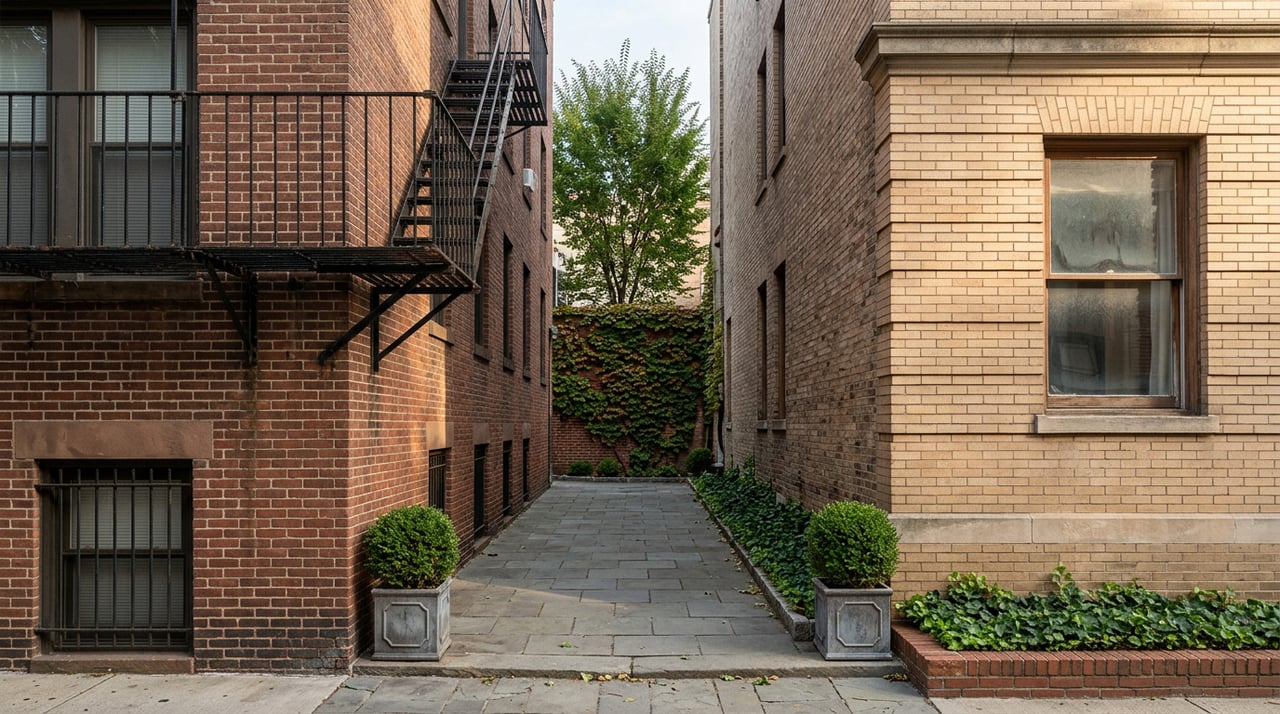
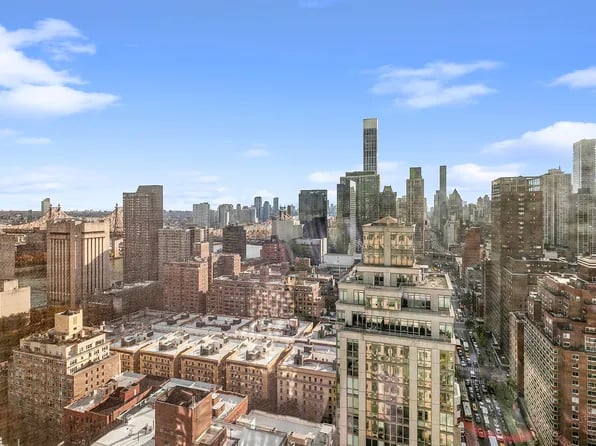
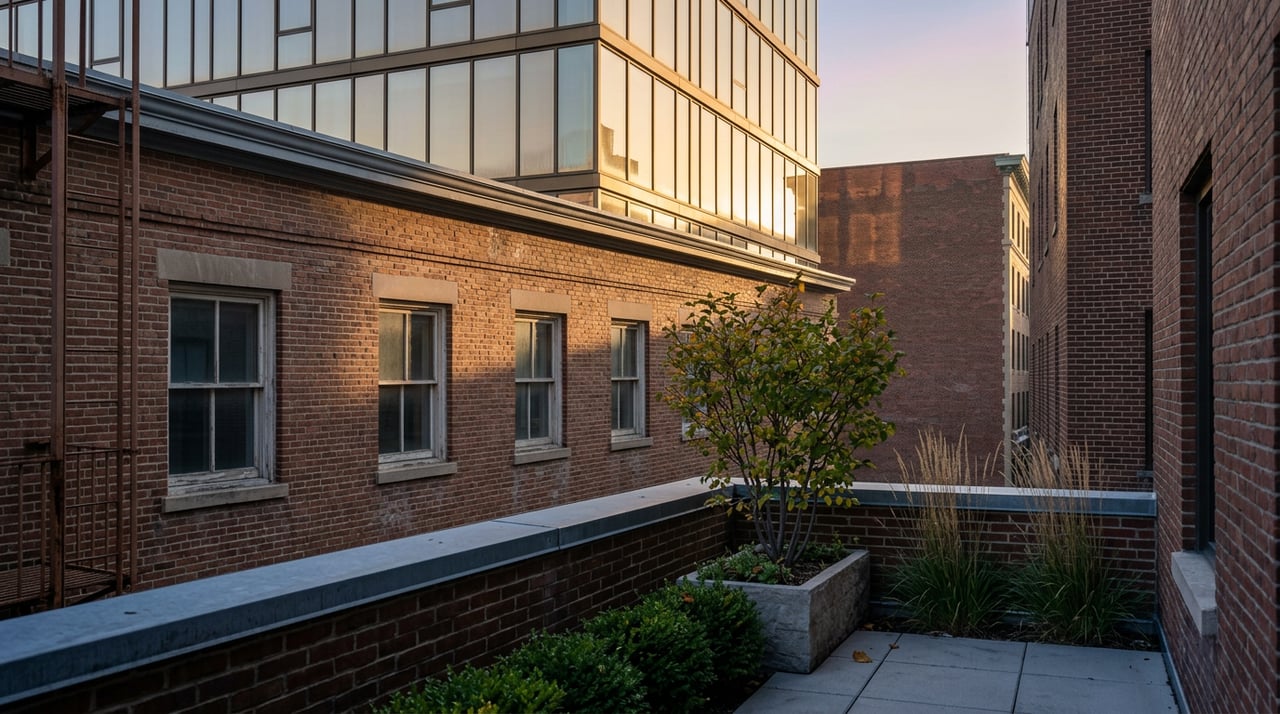
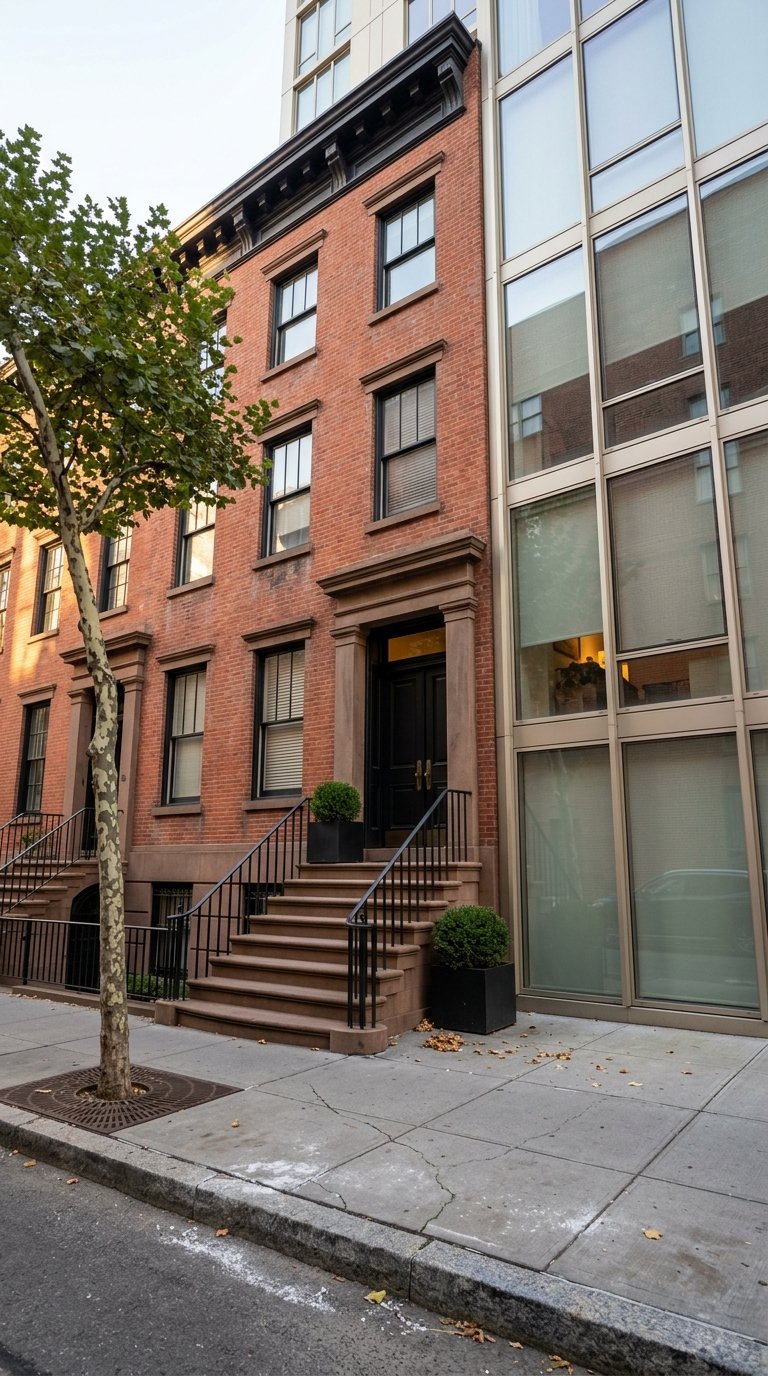
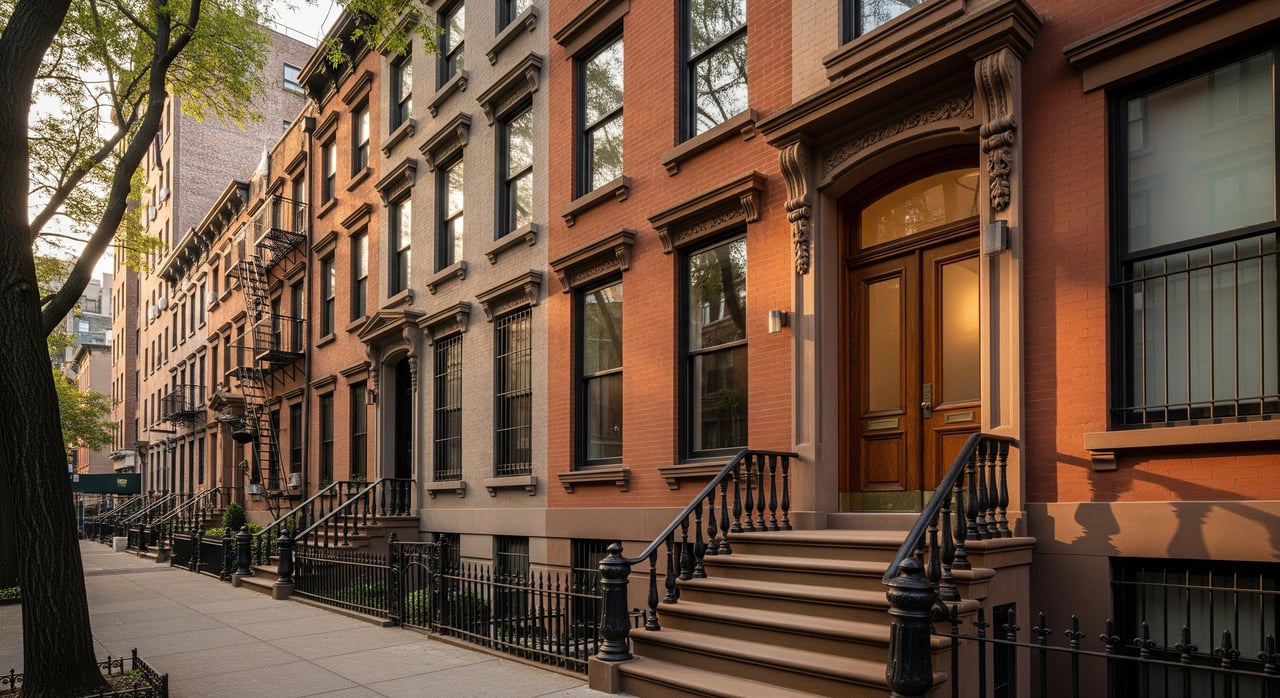
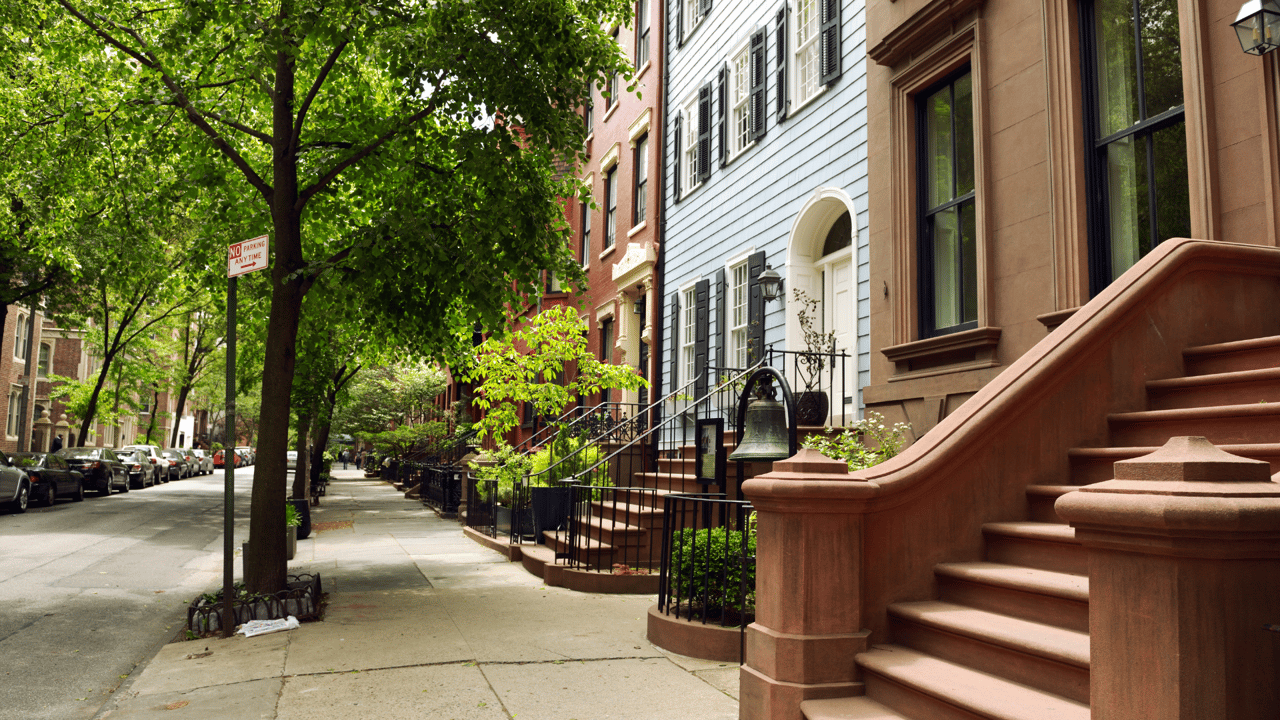
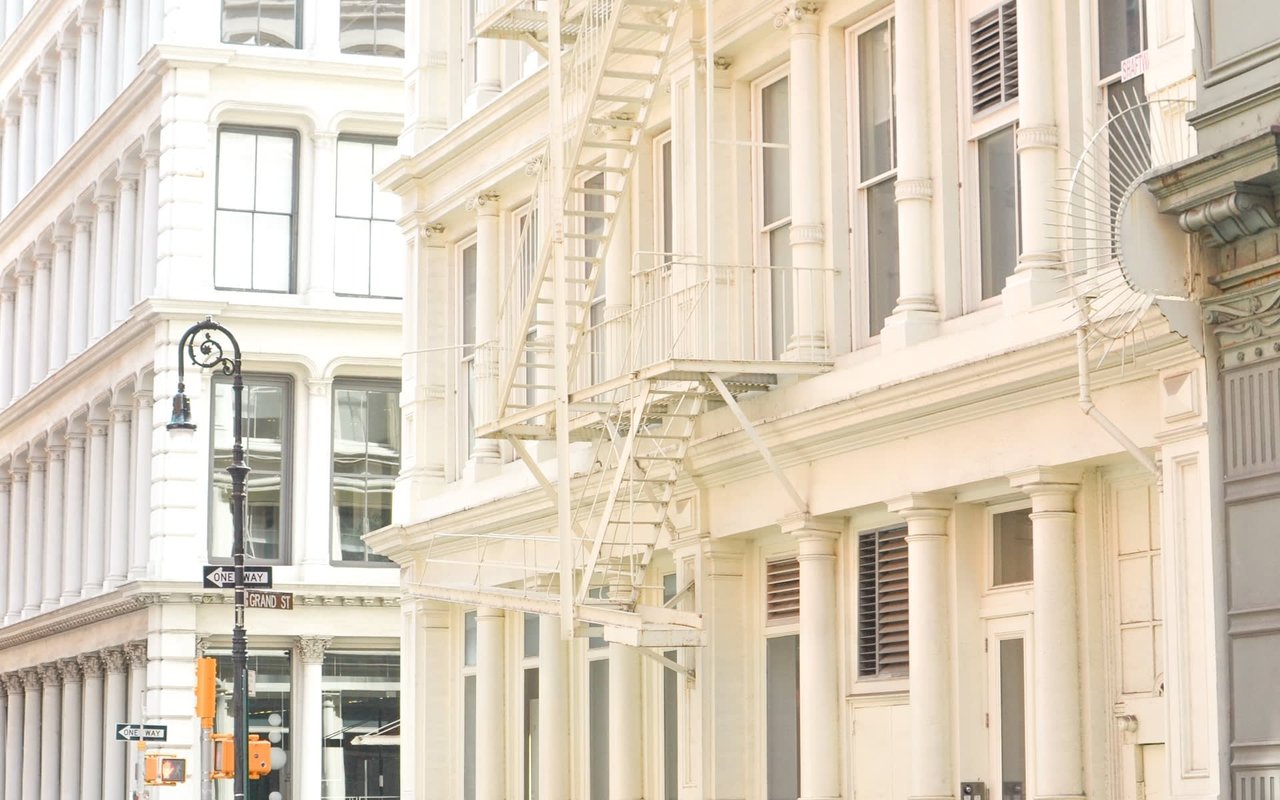
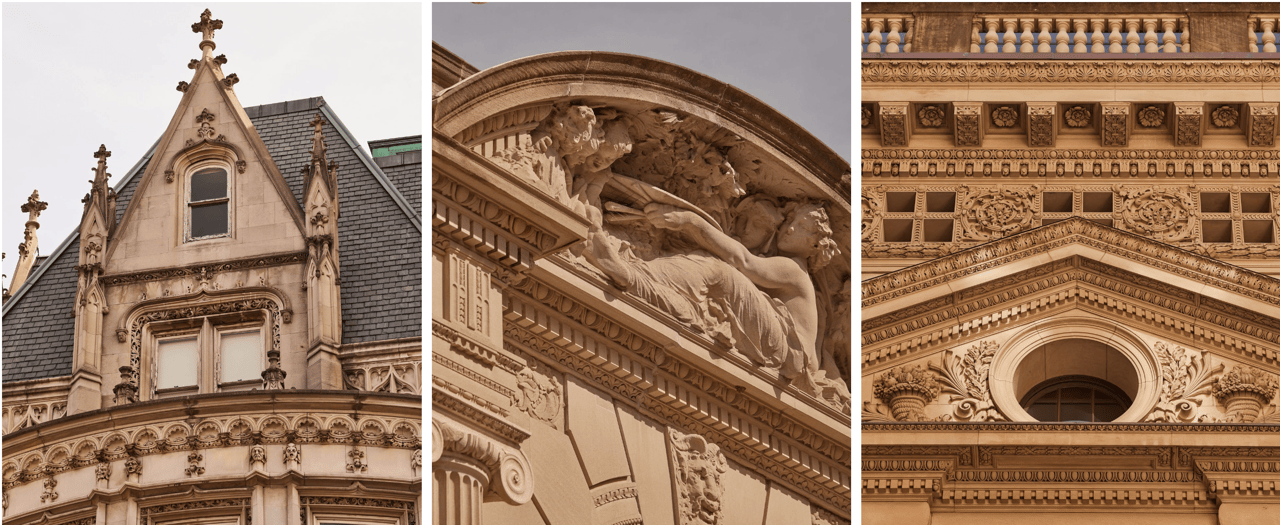
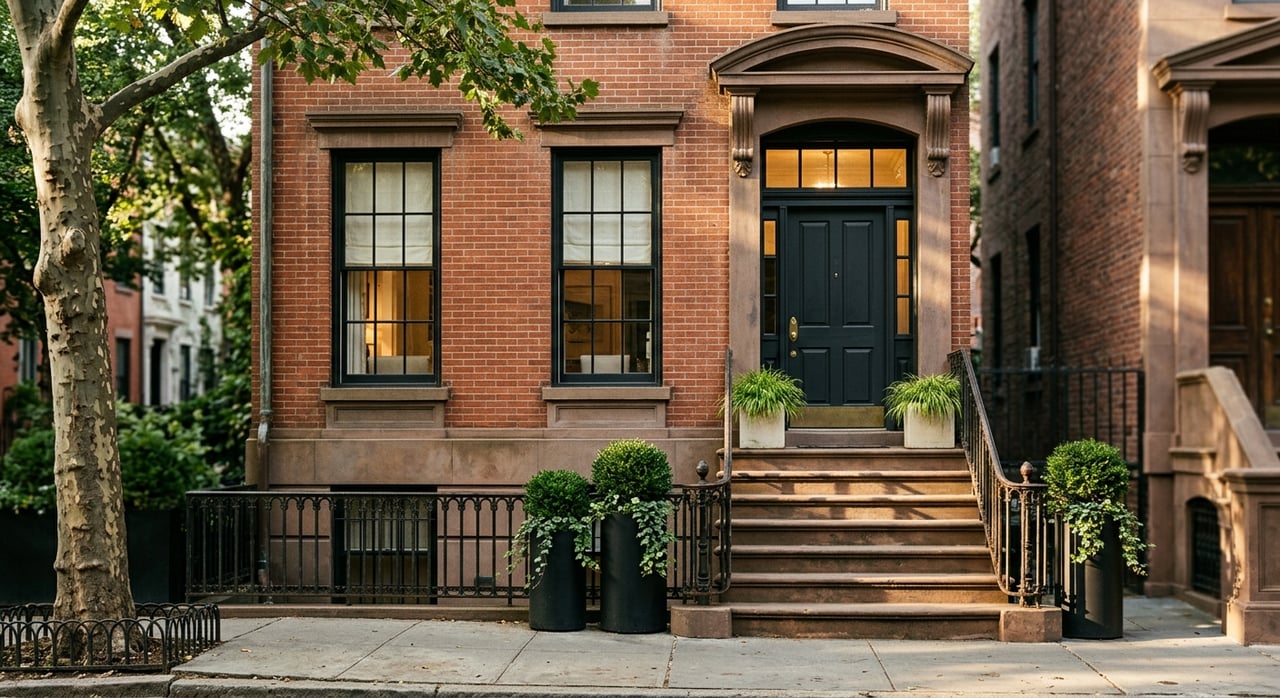
Greenwich Village is not a uniform housing market. According to official city planning materials, the neighborhood is defined by a layered mix of rowhouses, tenements, and apartment houses, not a high-rise skyline. That matters because your decision is shaped by the Village’s older building stock and historic character as much as by square footage or finishes.
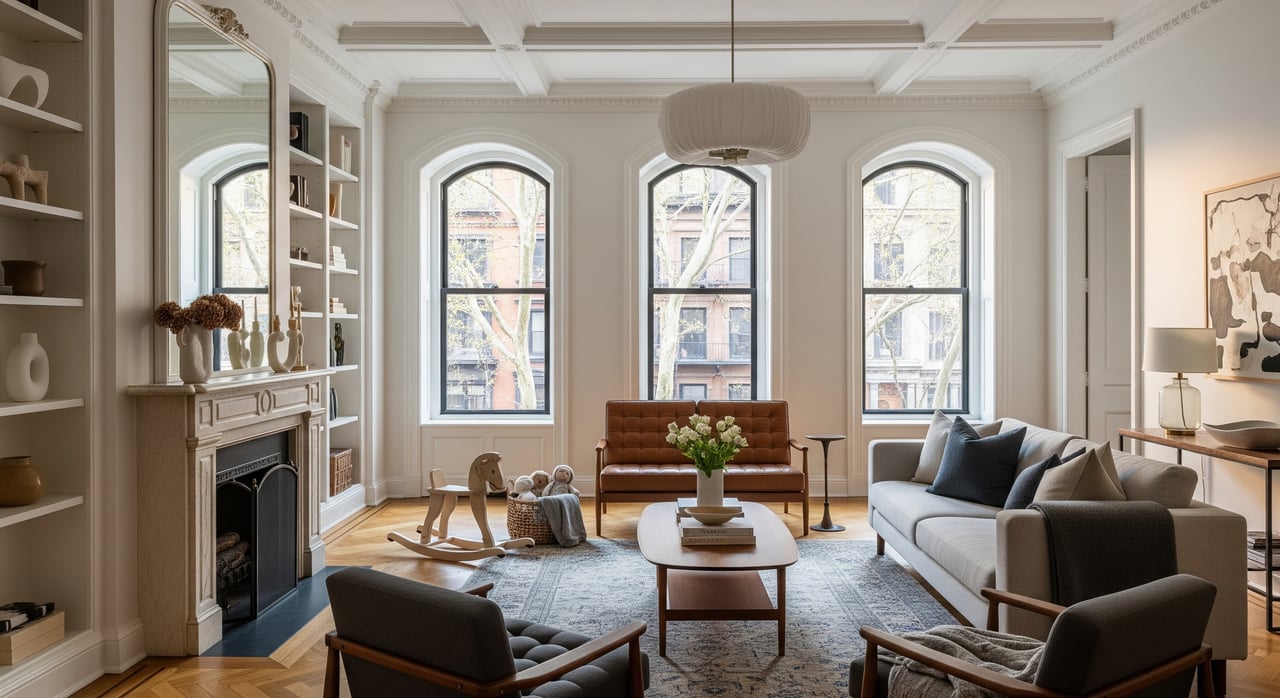
In practical terms, many buyers here are choosing between a rare townhouse and a unit in a managed building. Those are very different ownership experiences. A townhouse can offer privacy and control, while a condo can offer building services, amenities, and less day-to-day responsibility.
Price also makes the choice more nuanced. PropertyShark’s March 2026 market data reported a median sale price of $1.5375M across Greenwich Village residential sales, with type-specific medians of $3.3M for condos, $1.2M for co-ops, and $18M for houses. The house figure came from just one transaction, so it is especially sensitive to outliers, but it still shows how rare and premium townhouse inventory can be.
Townhouse vs condo basics
What a condo means
A condominium gives you ownership of your individual unit plus a shared interest in the building’s common elements. The New York State Attorney General’s condominium guidance explains that condo ownership is direct real property ownership, even though you still live within a managed association structure.
For many buyers, that creates a middle ground. You have more ownership independence than in a co-op, but you still share expenses, rules, and building-level decisions with other owners.
What a townhouse means
A townhouse is a very different commitment. Instead of owning one apartment within a larger property, you are typically responsible for the building itself, including its structure and systems.
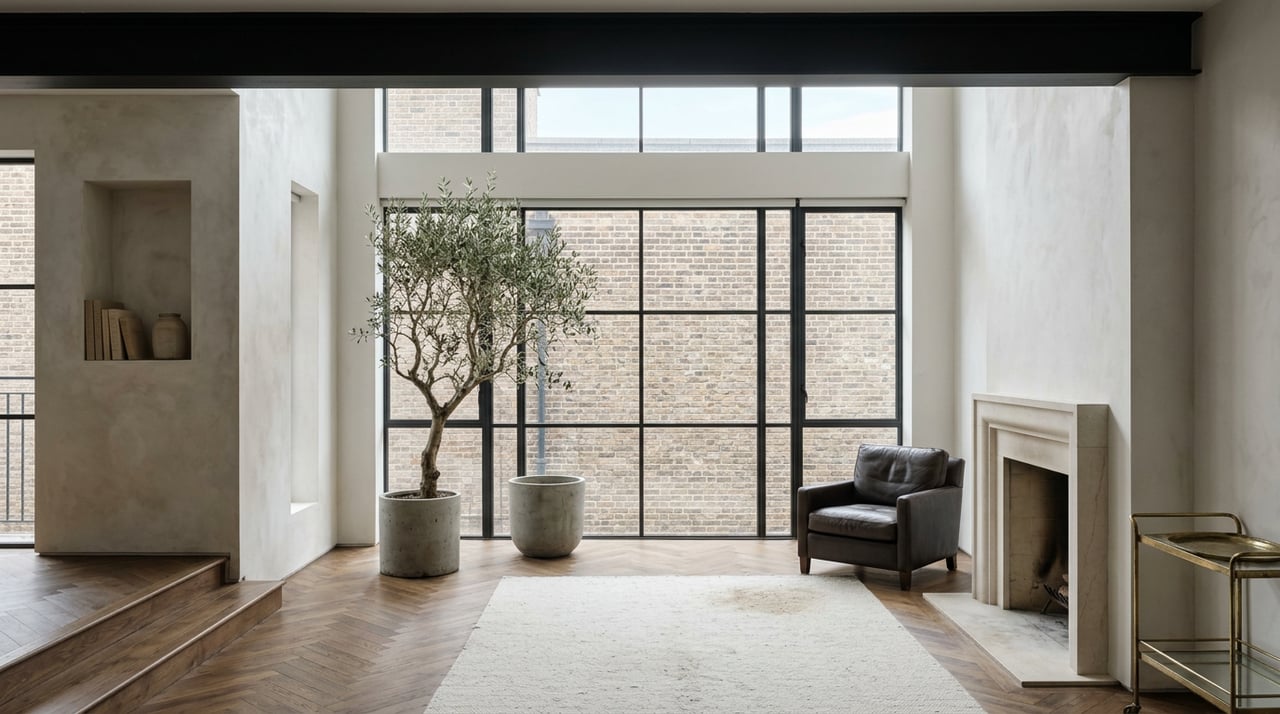
That extra autonomy is a major draw in Greenwich Village. You usually get more privacy, no shared hallways, and greater control over renovations, outdoor areas, and everyday use. The trade-off is simple: if something needs attention, it is largely your responsibility.
How lifestyle should guide your choice
Choose a townhouse if you want control
A townhouse may be the better fit if you value independence above convenience. You may prefer having your own entrance, more separation from neighbors, and more freedom over how you use and maintain the property.
That can be especially appealing if you are thinking long term. Buyers who want a single-family feel in Manhattan often see a Village townhouse as both a lifestyle purchase and an asset that rewards active stewardship.
Choose a condo if you want convenience
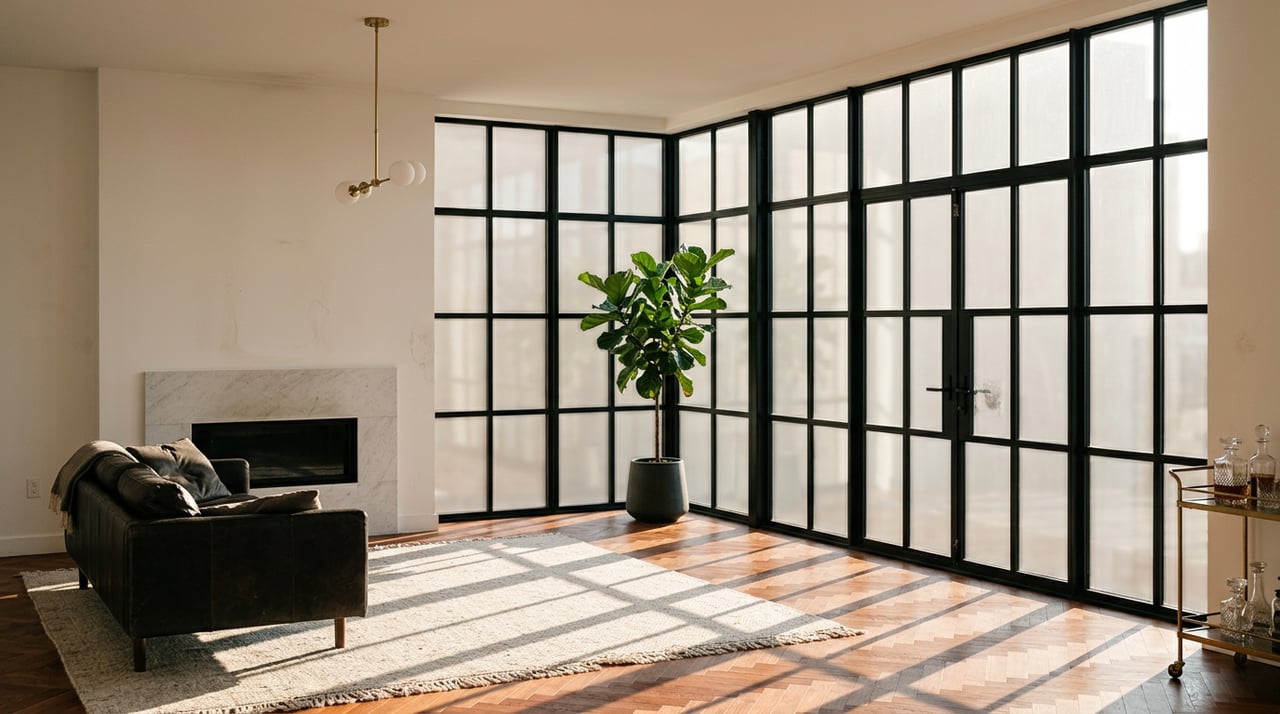
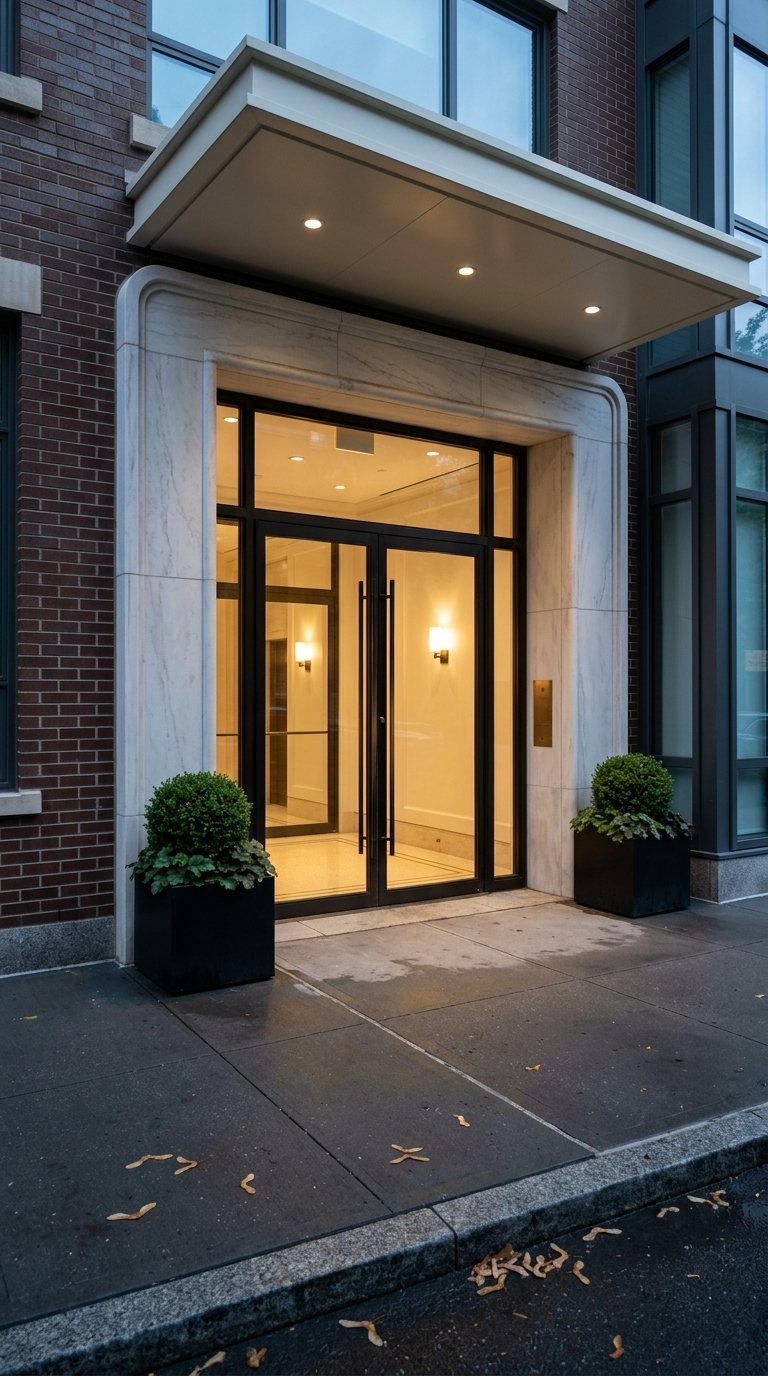
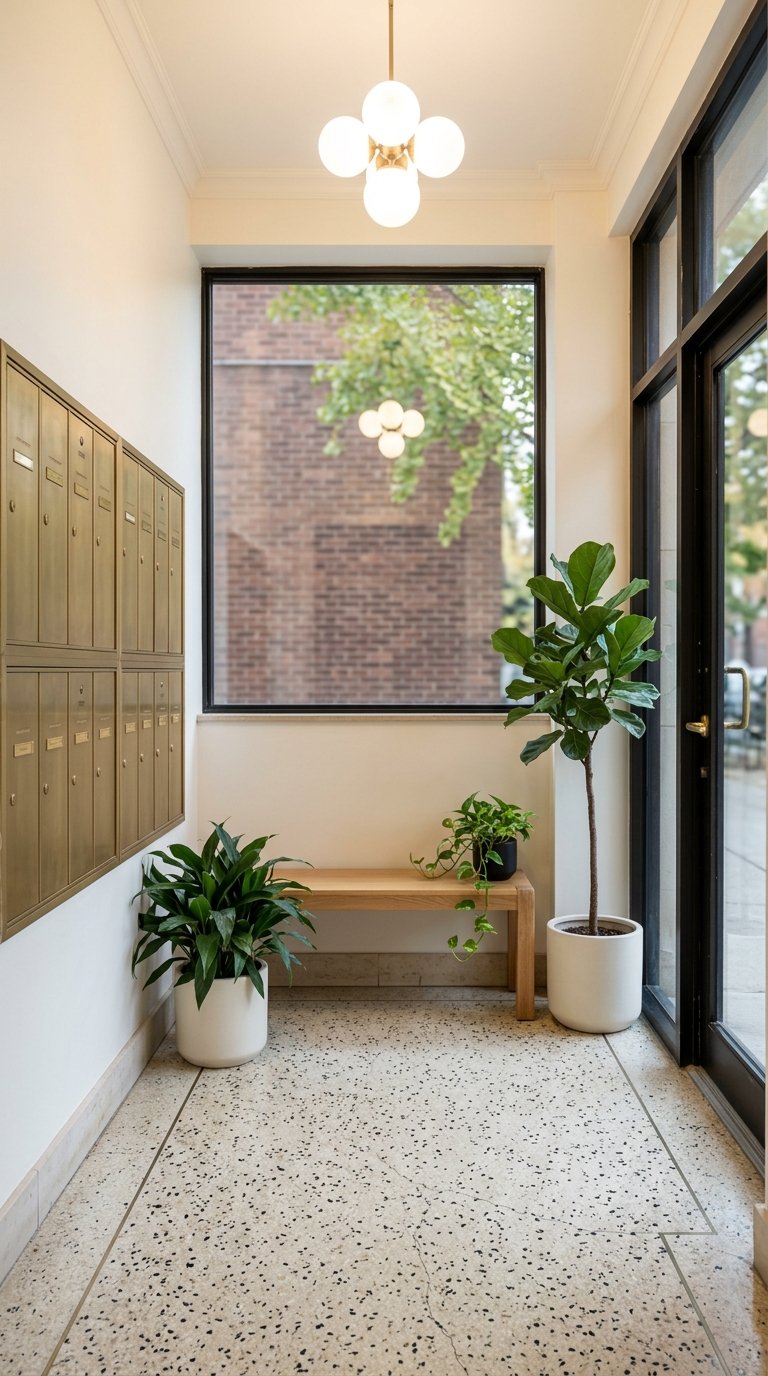
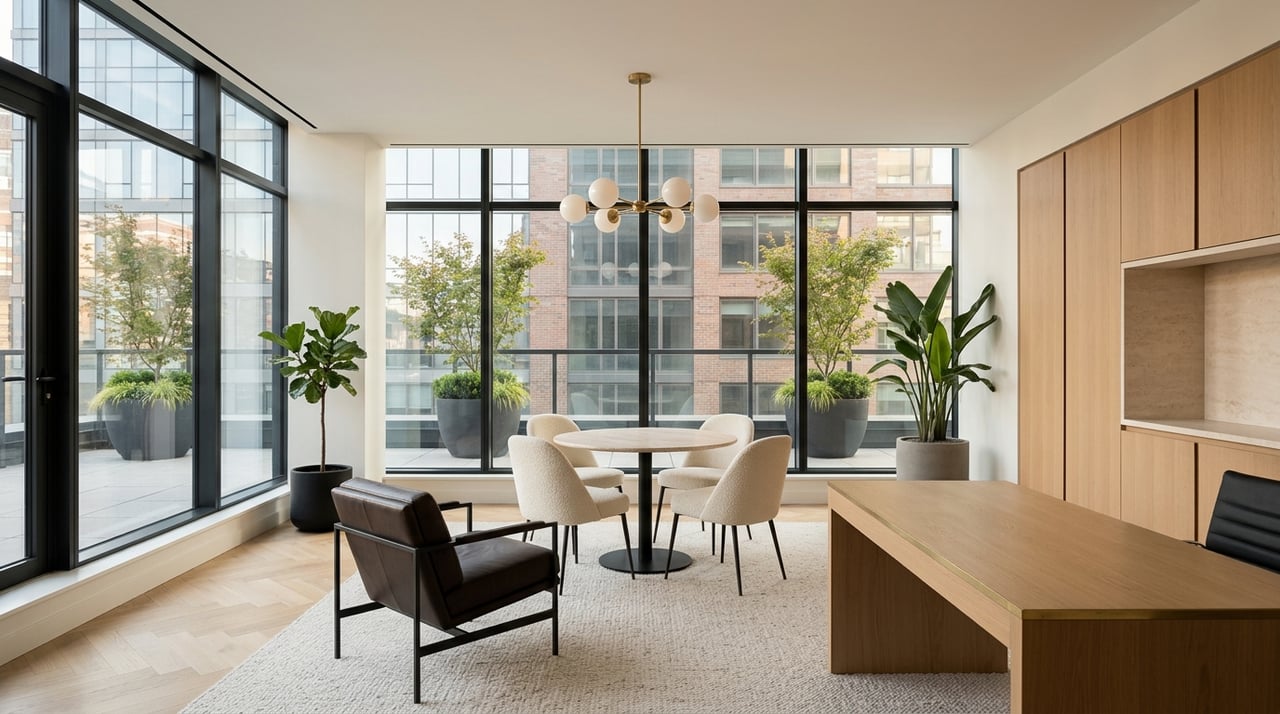
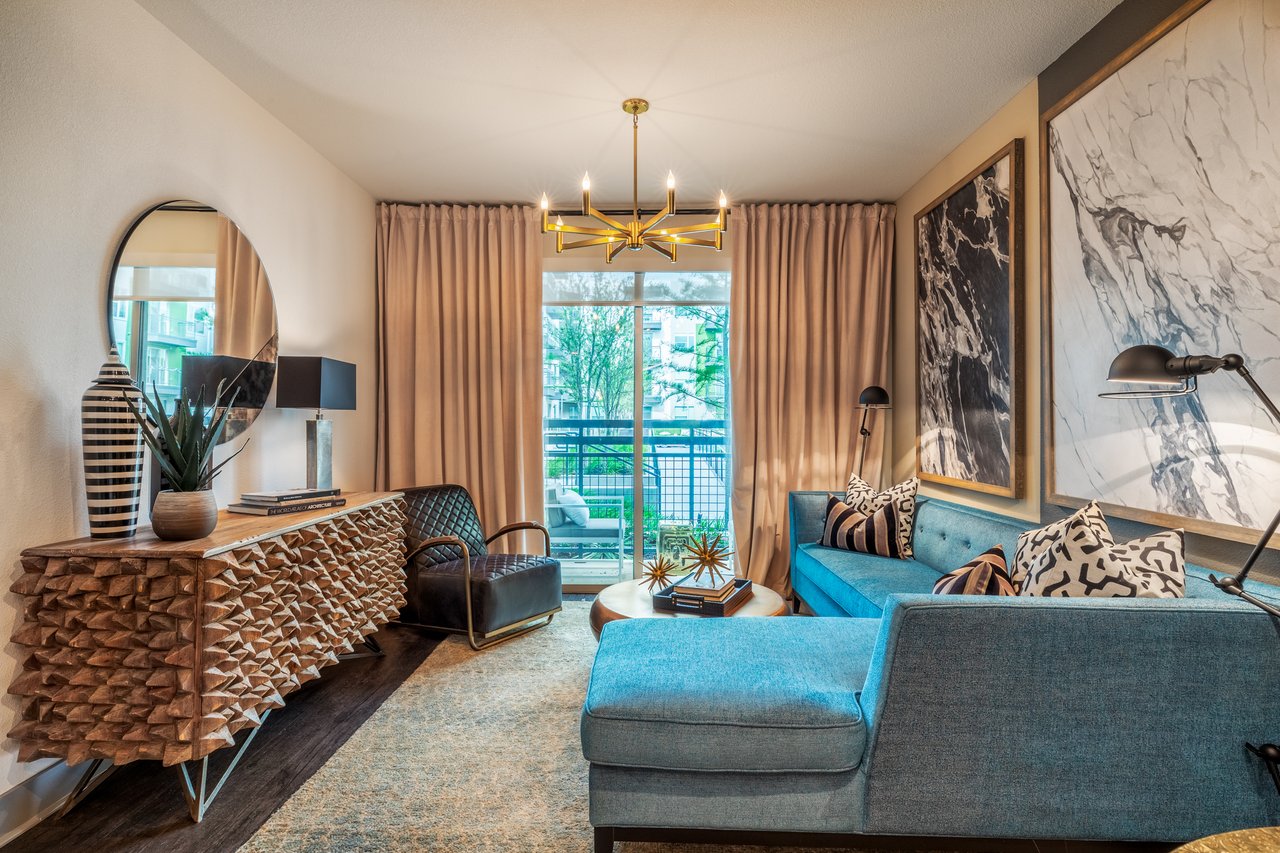
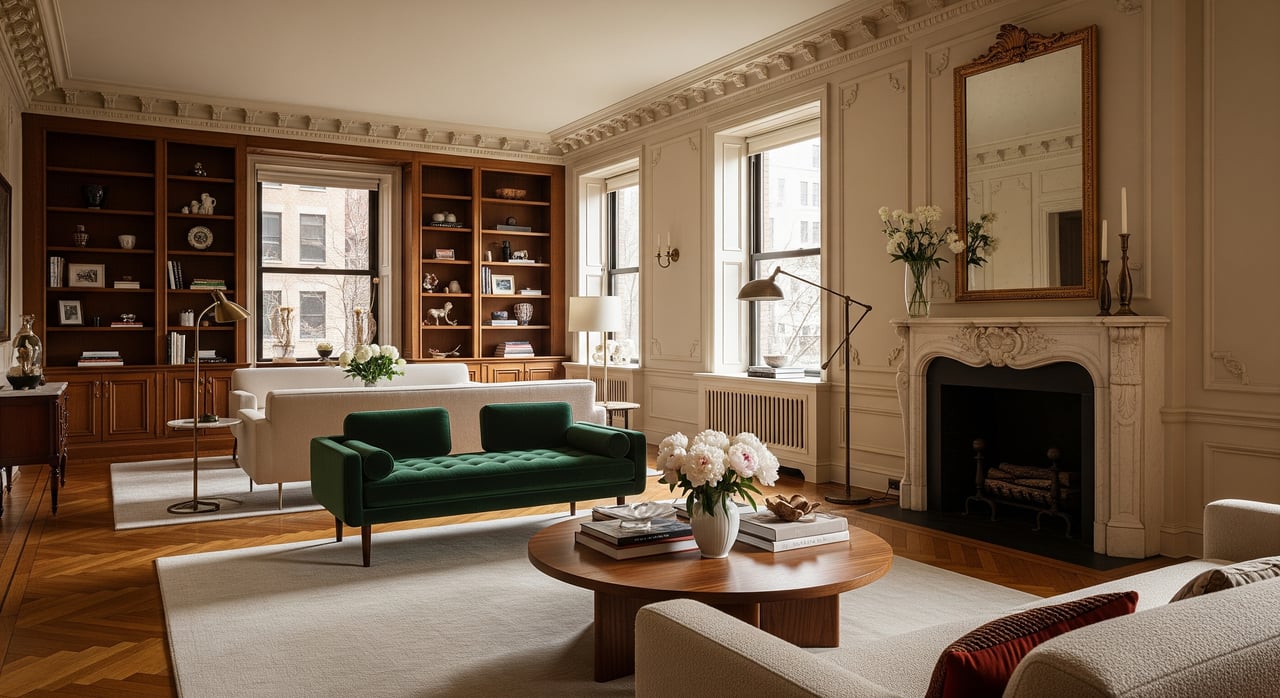
A condo often makes more sense if you want a simpler daily routine. In many buildings, staff, amenity spaces, and shared building management can reduce the amount of hands-on work required from you.
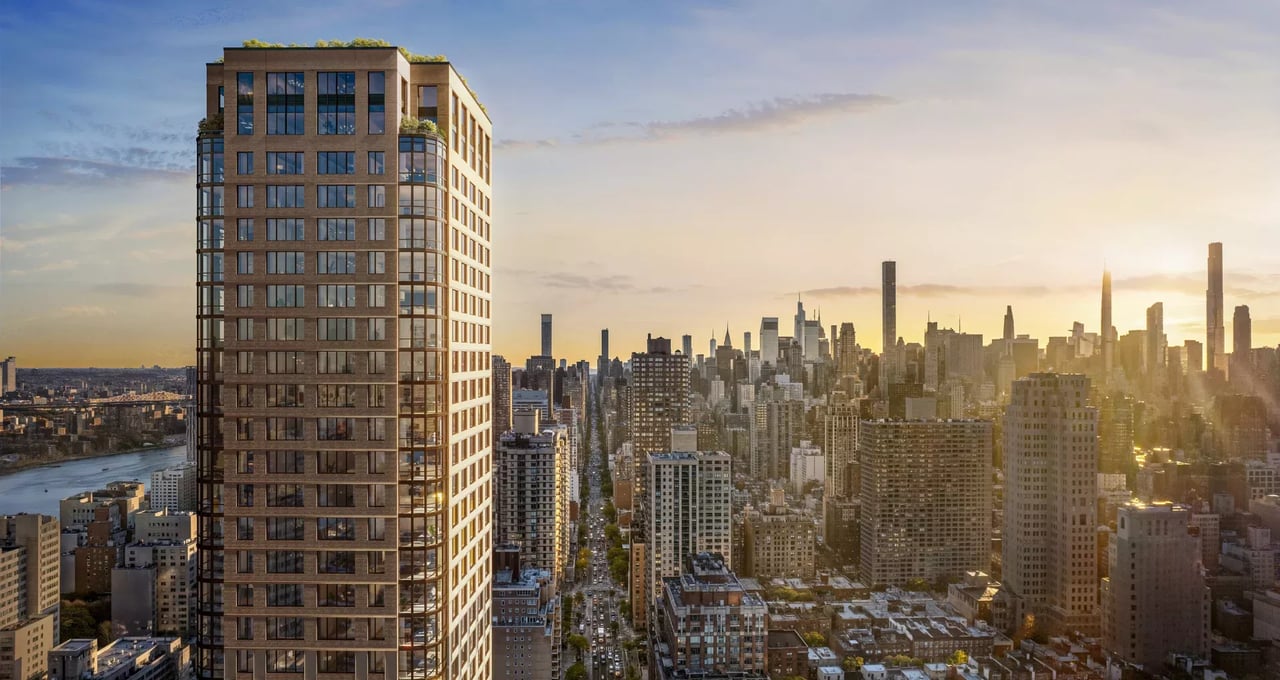
A current Greenwich Village example shows that trade-off clearly. A condo at 525 6th Avenue #8C is listed at $2.15M with $1,151 per month in common charges and $1,995 per month in taxes, and the building includes features like a doorman, concierge, gym, and roof deck. The upfront and monthly costs are meaningful, but so is the convenience package.
Historic district rules matter for townhouses
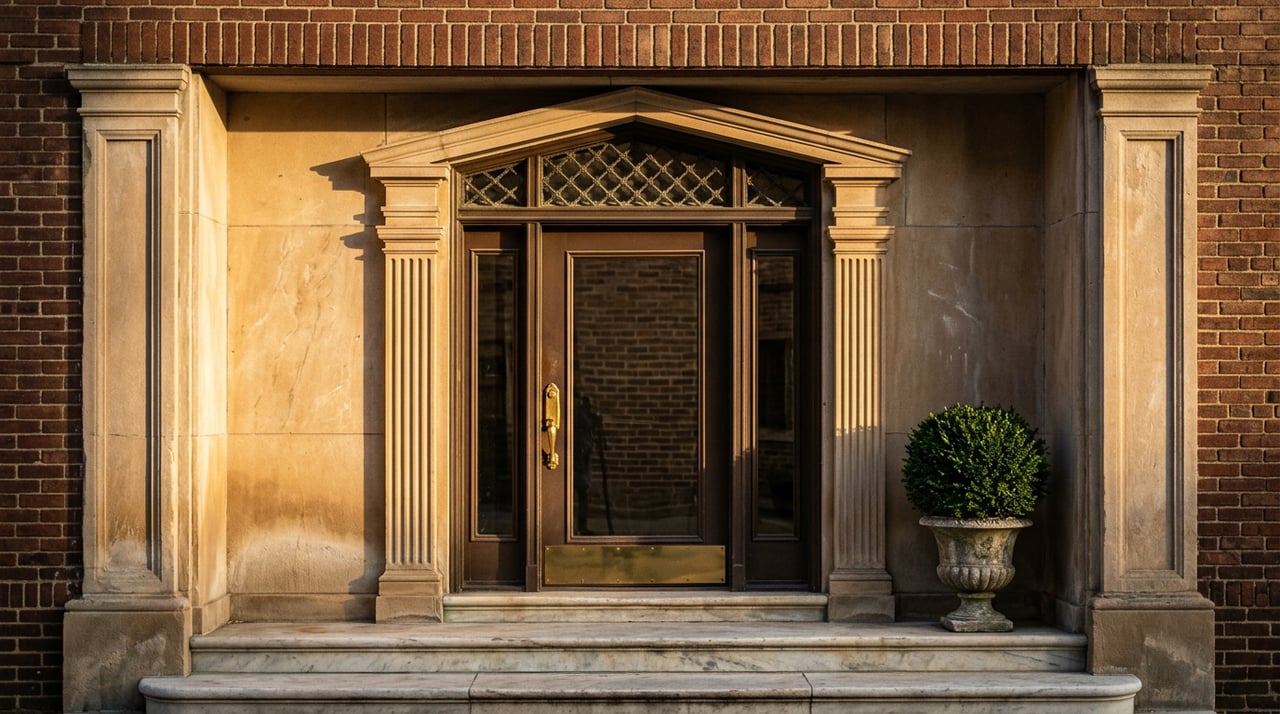
If you are considering a townhouse, historic district rules should be part of your decision from the start. Greenwich Village includes landmarked areas, and the Landmarks Preservation Commission Rowhouse Manual makes clear that owners in historic districts often need approval for exterior alterations.
That does not mean townhouse ownership is a bad idea. It does mean you should be comfortable with a more involved ownership experience, especially if you expect to change windows, doors, facades, railings, stoops, or other exterior features. In the Village, ownership often comes with stewardship.
Monthly costs are not just about price
Many buyers focus first on purchase price, but your true monthly cost can tell a different story.
For condos and co-ops, the Consumer Financial Protection Bureau explains that condo or co-op fees are usually paid separately and generally are not included in your mortgage payment. The same guidance notes that insurance can also be more complicated because a master policy may cover common areas while you still need your own unit coverage.
That means a lower listed price does not always equal a lower monthly burn. You need to evaluate the mortgage, taxes, common charges or maintenance, insurance, and likely near-term repair exposure together.
A quick Greenwich Village cost comparison
| Property type | Example pricing context | Ongoing cost pattern |
|---|---|---|
| Townhouse | House median was $18M in March 2026, based on 1 sale | More owner-managed costs, including structure and systems |
| Condo | Condo median was $3.3M in March 2026 | Monthly common charges, taxes, insurance, and possible assessments |
| Co-op | Co-op median was $1.2M in March 2026 | Monthly maintenance, taxes often included, plus board governance |
While this article focuses on townhouse versus condo, the co-op market matters because it shapes your alternatives. For example, 15 East 10th Street #4A, a resale co-op, is listed at $1.199M with $1,898 per month in maintenance. That price gap helps explain why some buyers stretch for a condo, while others decide that townhouse ownership is too large a jump.
Financing can affect your options
Financing rules are not identical across property types. Fannie Mae’s co-op share loan guidance notes that lenders must determine project acceptability for co-ops, and for both condos and co-ops, projects with critical repairs or significant unresolved deferred maintenance are not eligible for sale to Fannie Mae until required repairs are made.
That matters in Greenwich Village because the housing stock is older. Deferred maintenance, special assessments, and building condition are not side issues here. They can affect financing, monthly costs, and future resale.
For townhouse buyers, the underwriting discussion is different because you are not relying on the financial condition of a shared building in the same way. But you are taking on direct responsibility for the property itself, which makes inspections, repair planning, and reserve budgeting especially important.
Closing costs and tax treatment
No matter which path you choose, transaction costs deserve attention. The NYC Department of Finance states that real property transfer tax on residential one- to three-family houses, individual condos, and individual co-ops is 1% when consideration is $500,000 or less and 1.425% above that amount.
New York State’s additional residential transfer tax, often called the mansion tax, applies at 1% when consideration is $1 million or more. NYC also charges mortgage recording tax when a mortgage is recorded. In Greenwich Village, where pricing often exceeds those thresholds, these costs can be a major part of your buying budget.
There can also be longer-term tax implications for condo and co-op owners. The city notes that eligible owners may receive the NYC cooperative and condominium property tax abatement for primary residences, with benefits ranging from 17.5% to 28.1% depending on average assessed value. That makes ownership form relevant not just at closing, but throughout your hold period.
Resale looks different by property type
Resale liquidity is one of the biggest practical differences in the Village. According to PropertyShark’s March 2026 sales data, Greenwich Village saw 49 co-op sales, 12 condo sales, and only 1 house sale.
That does not mean townhouses are a poor investment. It means they are rarer, more expensive, and more idiosyncratic. The buyer pool is narrower, and each property tends to trade on its own merits, condition, location, and historic character.
The premium can be substantial. A landmark Greenwich Village townhouse at 11 West 12th Street sold for $26.5M in 2025. That kind of sale highlights the upside for highly desirable houses, but it also reinforces how different the townhouse market is from the apartment market.
How to decide with confidence
If you are deciding between a townhouse and a condo in Greenwich Village, it helps to ask a few direct questions:
- Do you want privacy and control, or ease and convenience?
- Are you comfortable managing building systems and upkeep yourself?
- Would landmark-related rules feel manageable or frustrating?
- Do monthly common charges feel worthwhile in exchange for staff and amenities?
- Is your priority a rare long-term asset, or a more straightforward ownership structure?
- How much do financing flexibility, resale depth, and carrying costs matter to you?
In most cases, the right answer comes down to how you want to live, not just what you want to buy. A townhouse can be the right choice if you want autonomy and are ready for active ownership. A condo can be the better fit if you want direct ownership with less daily responsibility and a more managed environment.
If you want help comparing Greenwich Village options through the lens of price, carrying costs, building condition, and long-term fit, Dana Sapir can help you evaluate the trade-offs and move forward with a clear strategy.
FAQs
What is the main difference between a townhouse and a condo in Greenwich Village?
- A townhouse usually gives you full responsibility for the building and more privacy and control, while a condo gives you direct ownership of a unit within a managed building with shared expenses and rules.
Are Greenwich Village townhouses much more expensive than condos?
- Based on March 2026 Greenwich Village sales data, houses had a median sale price of $18M and condos had a median of $3.3M, though the house median came from only one sale and should be read carefully.
Do Greenwich Village condo fees get included in your mortgage payment?
- No. The CFPB says condo and co-op fees are usually paid separately and generally are not included in your monthly mortgage payment.
Do historic district rules affect Greenwich Village townhouse owners?
- Yes. Many Village rowhouses are in historic districts, and exterior alterations may require approval from the Landmarks Preservation Commission.
Is resale easier for condos or townhouses in Greenwich Village?
- In general, condos have a broader resale market than townhouses because sales volume is higher, while townhouses are rarer and trade in a thinner, more specialized market.