In one of the world's most competitive property markets, the difference between a listing that closes in days and one that lingers for months rarely comes down to luck. It comes down to a handful of variables — and understanding them separates savvy sellers from frustrated ones.
Pricing Is Everything
No factor influences time on market more than the listing price. Manhattan buyers are sophisticated — many have spent months tracking comparable sales and attending open houses. An overpriced listing doesn't just fail to attract offers; it signals that the seller is disconnected from the market, which causes qualified buyers to pass without even requesting a showing. The psychology is counterintuitive: sellers assume room to negotiate is an asset, but buyers interpret overpricing as a red flag. The result is fewer showings, no competing bids, and eventually a price reduction that makes the listing appear distressed to an entirely new wave of buyers.
Presentation and First Impressions
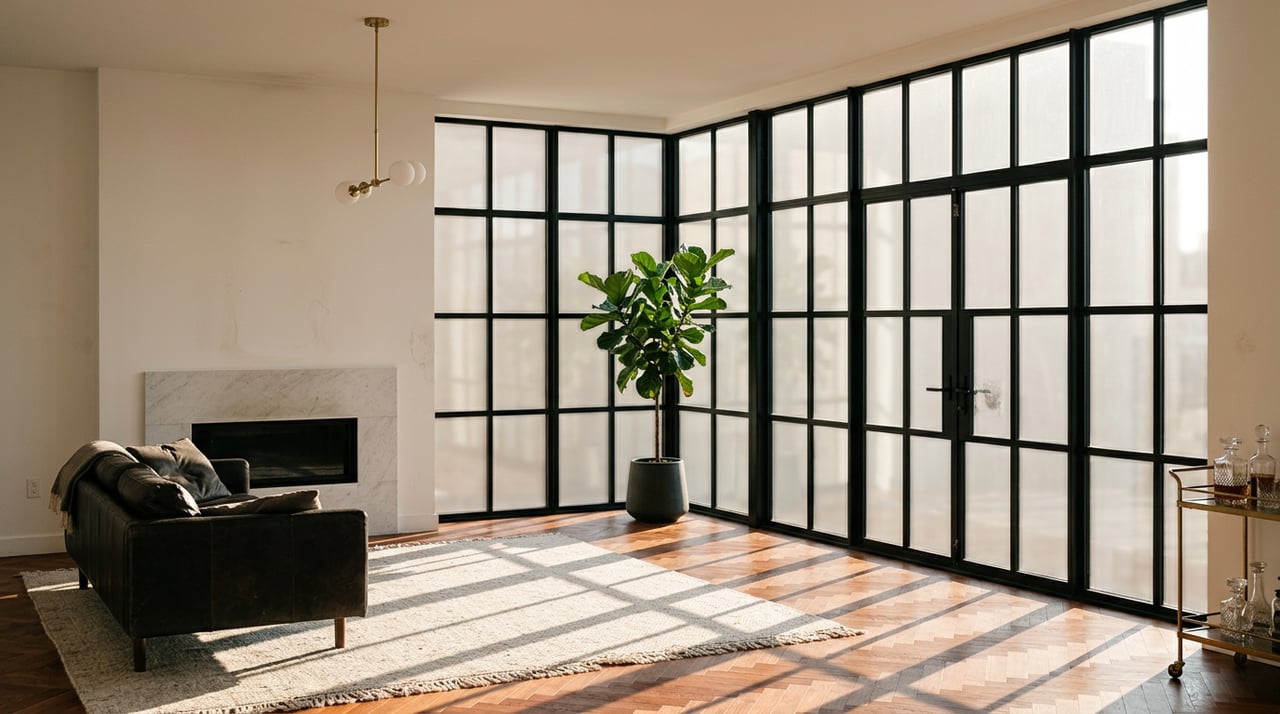
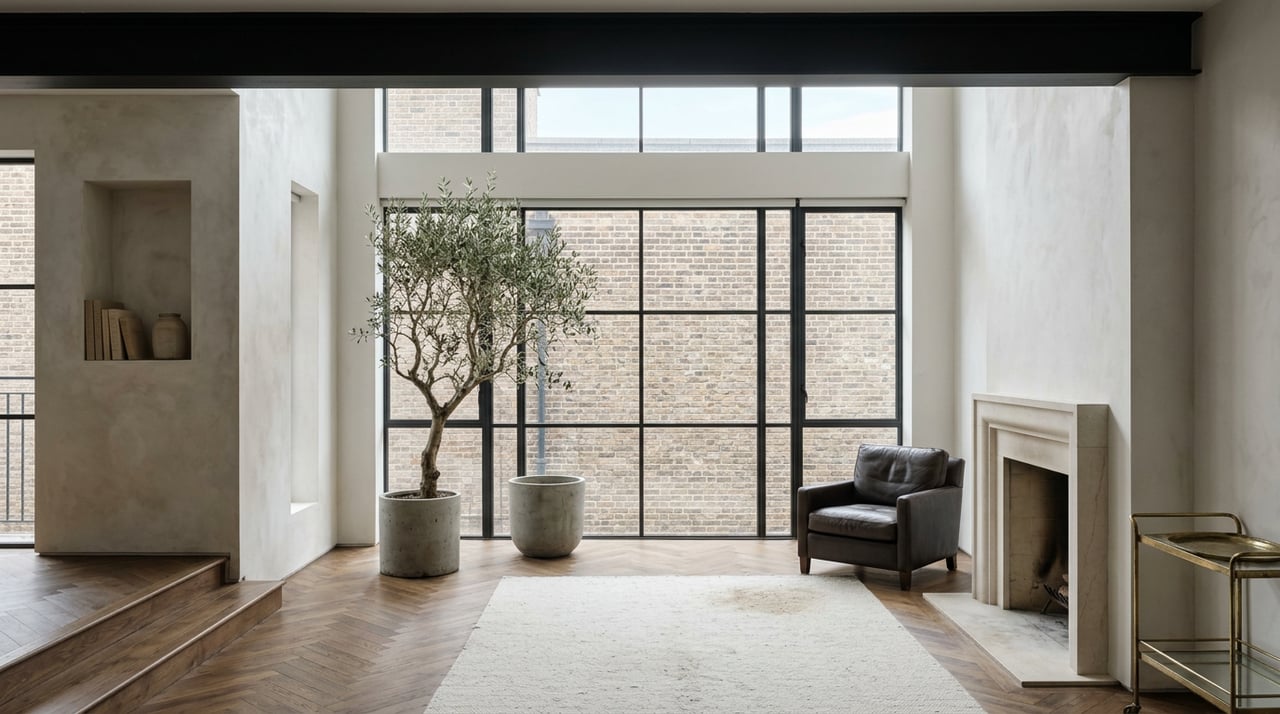
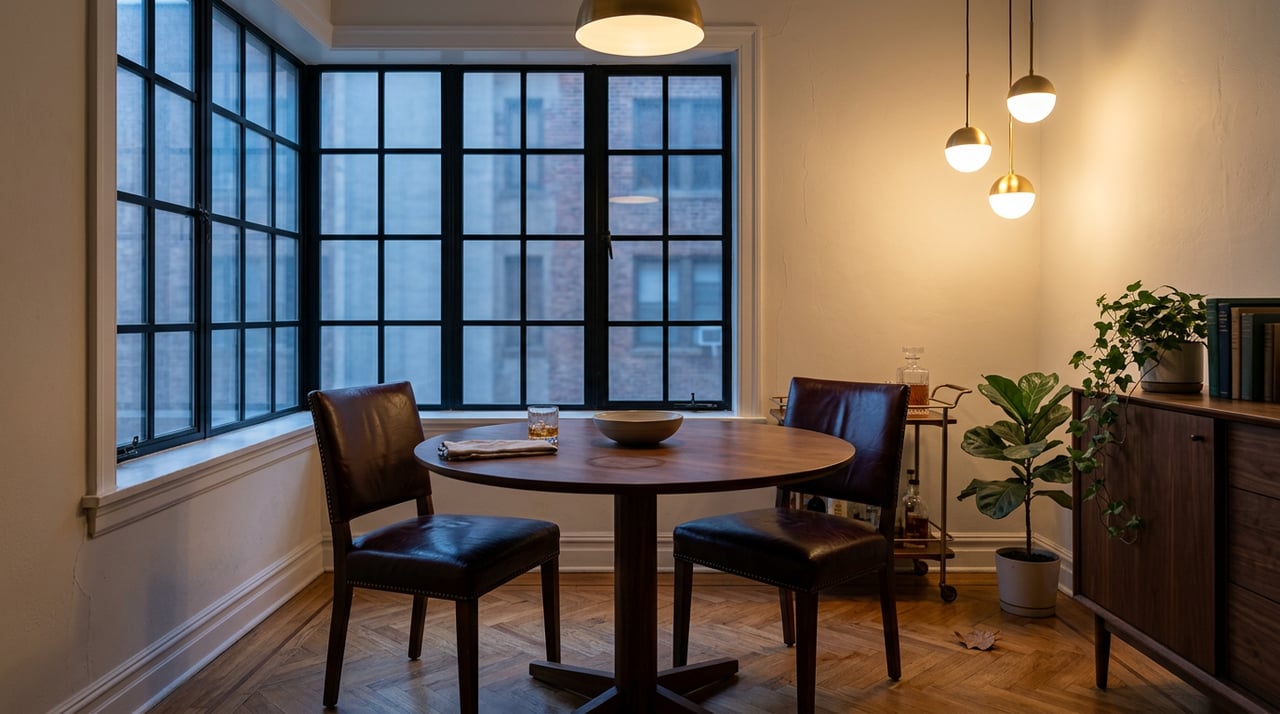
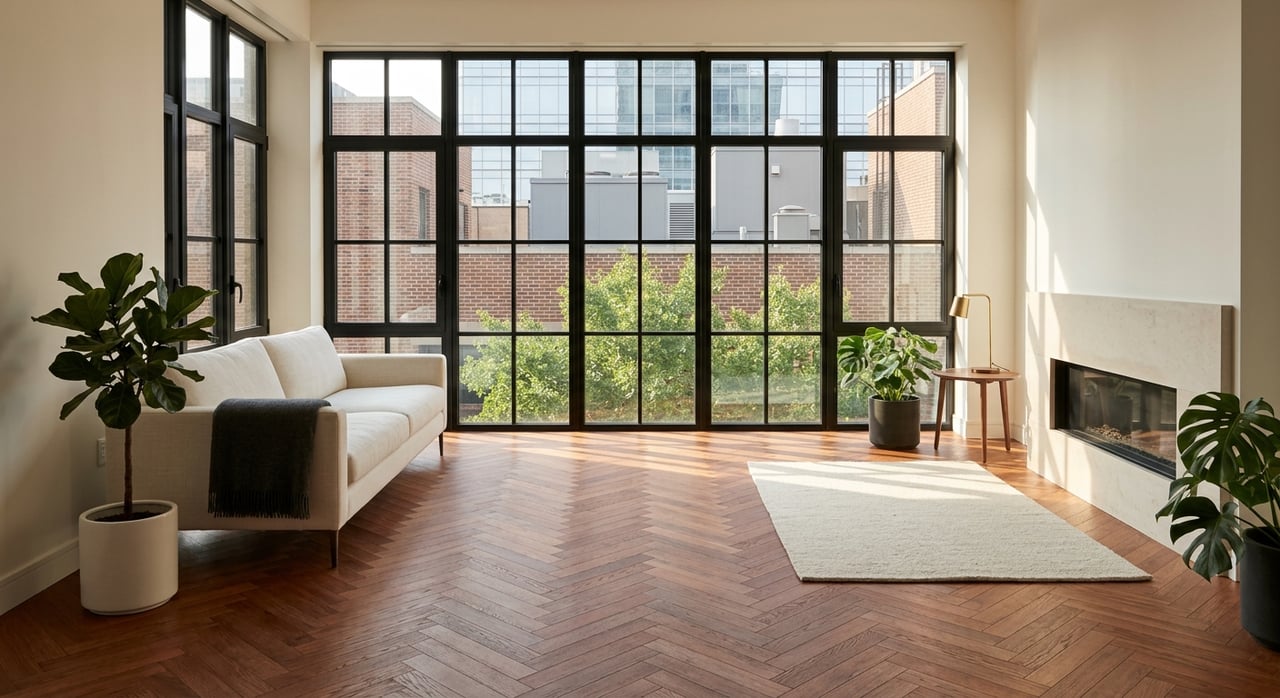
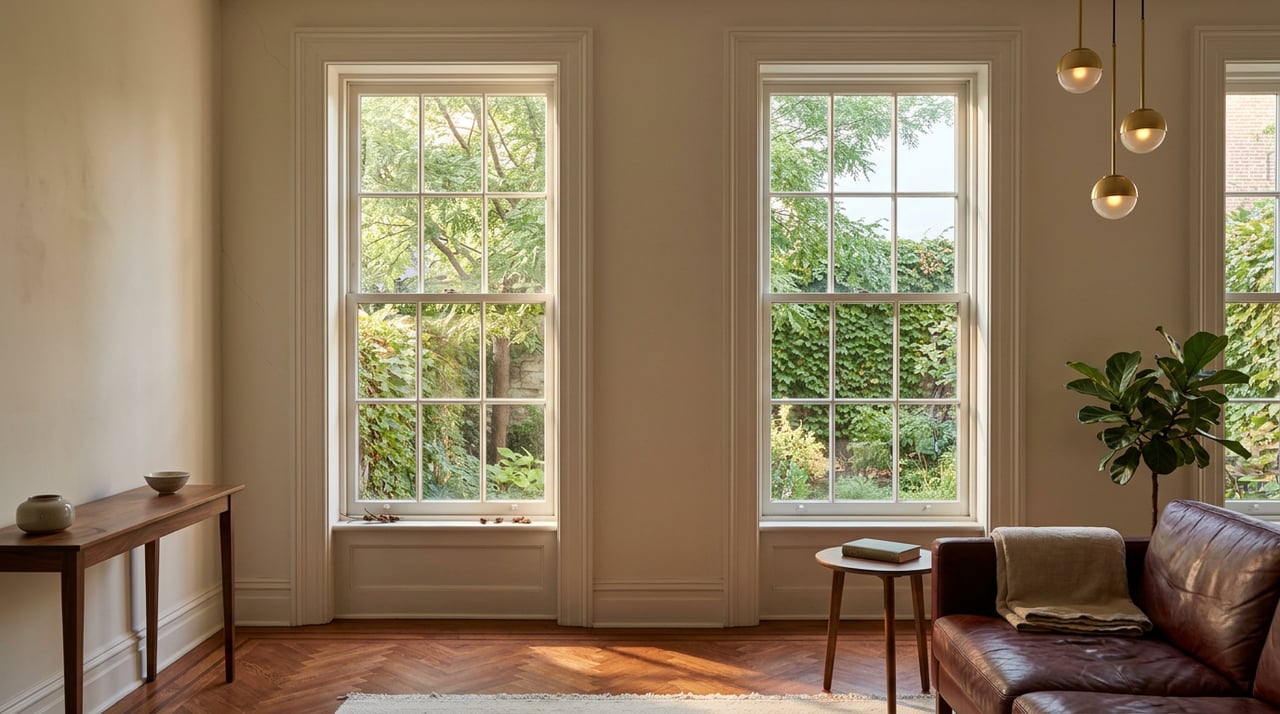
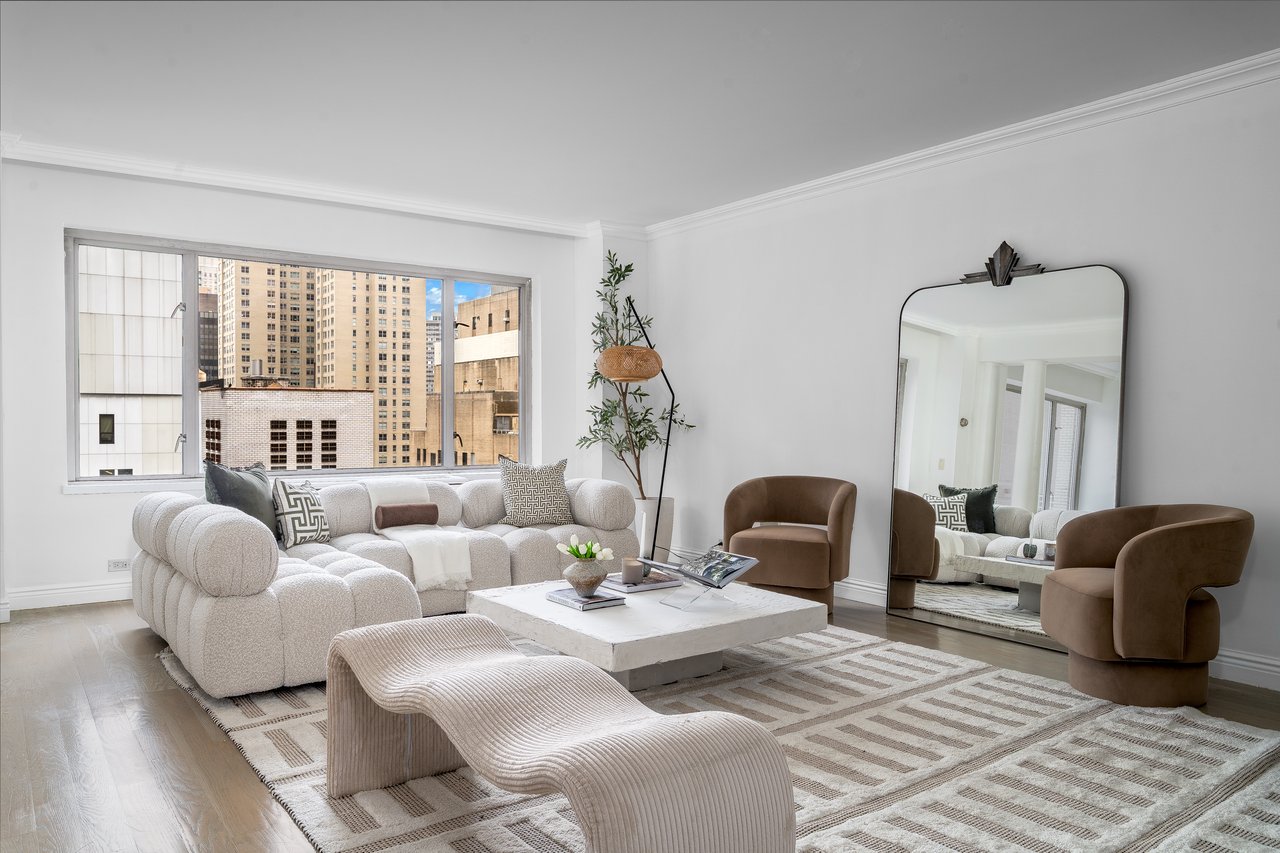
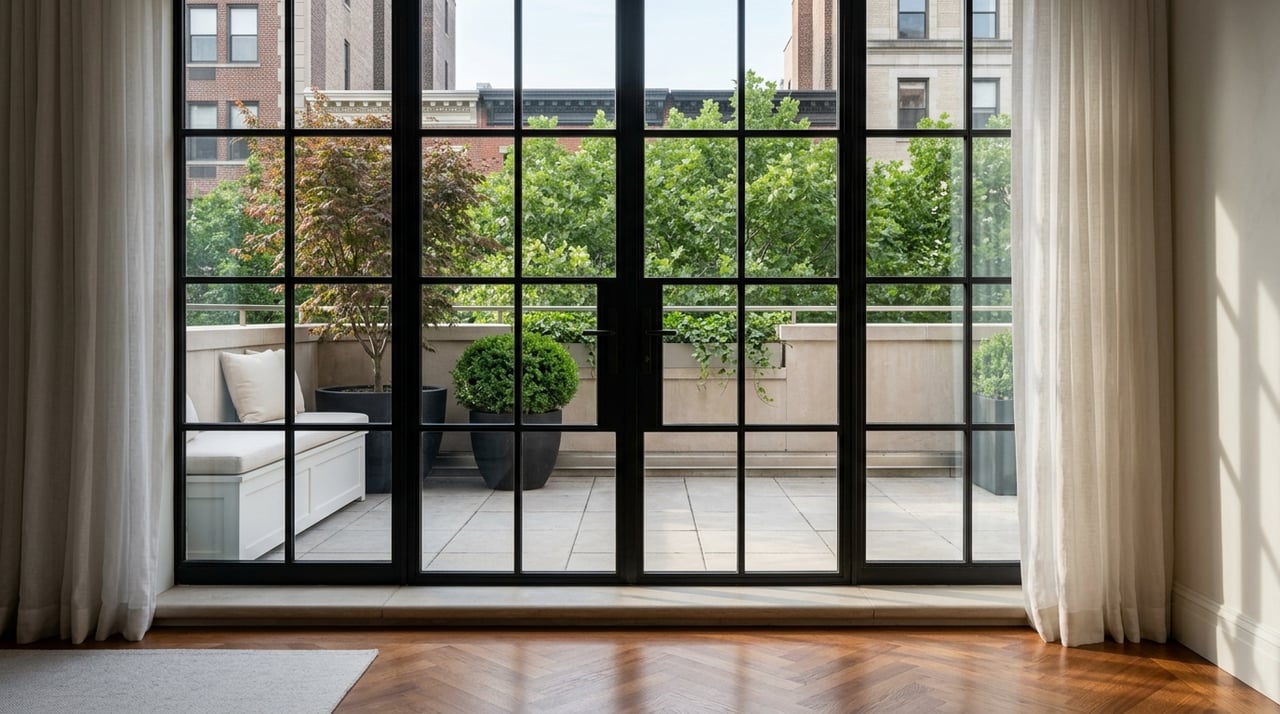
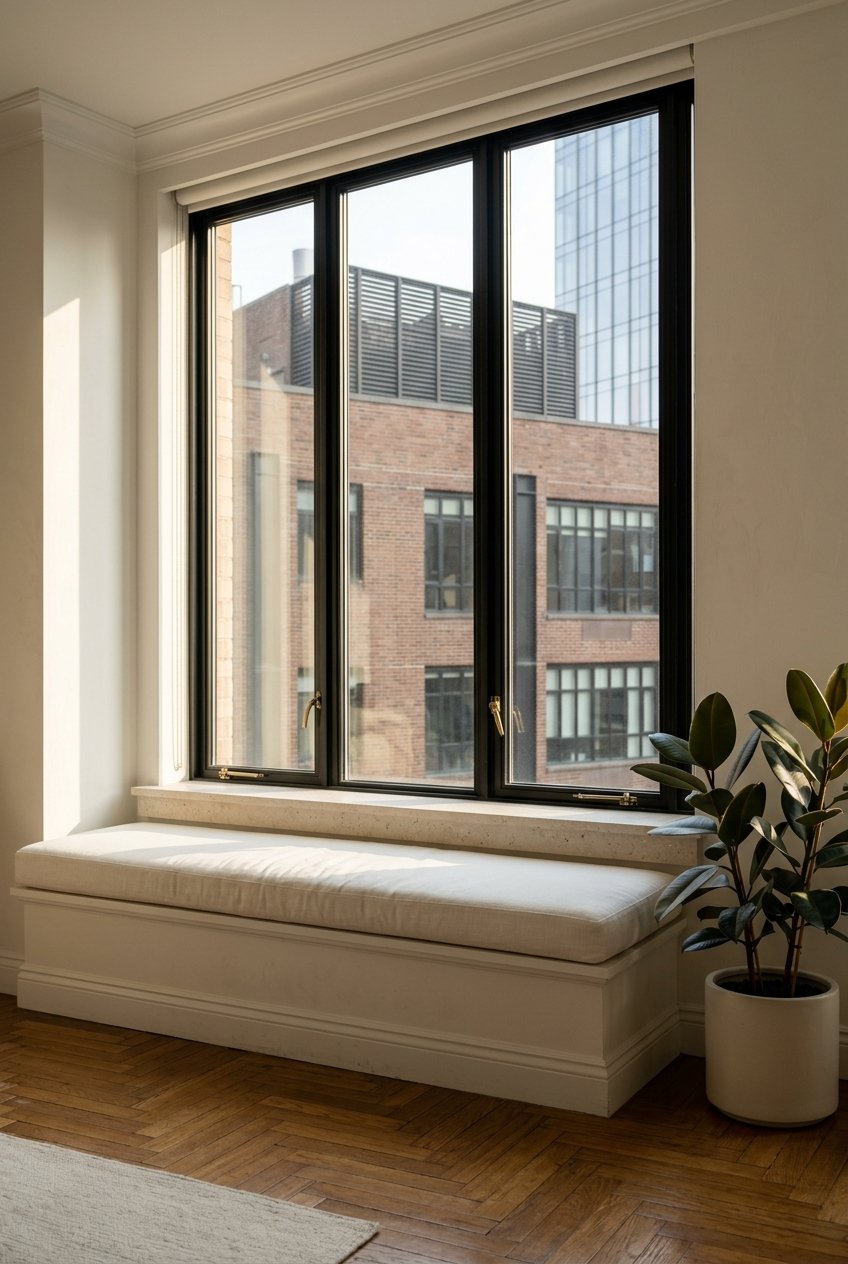
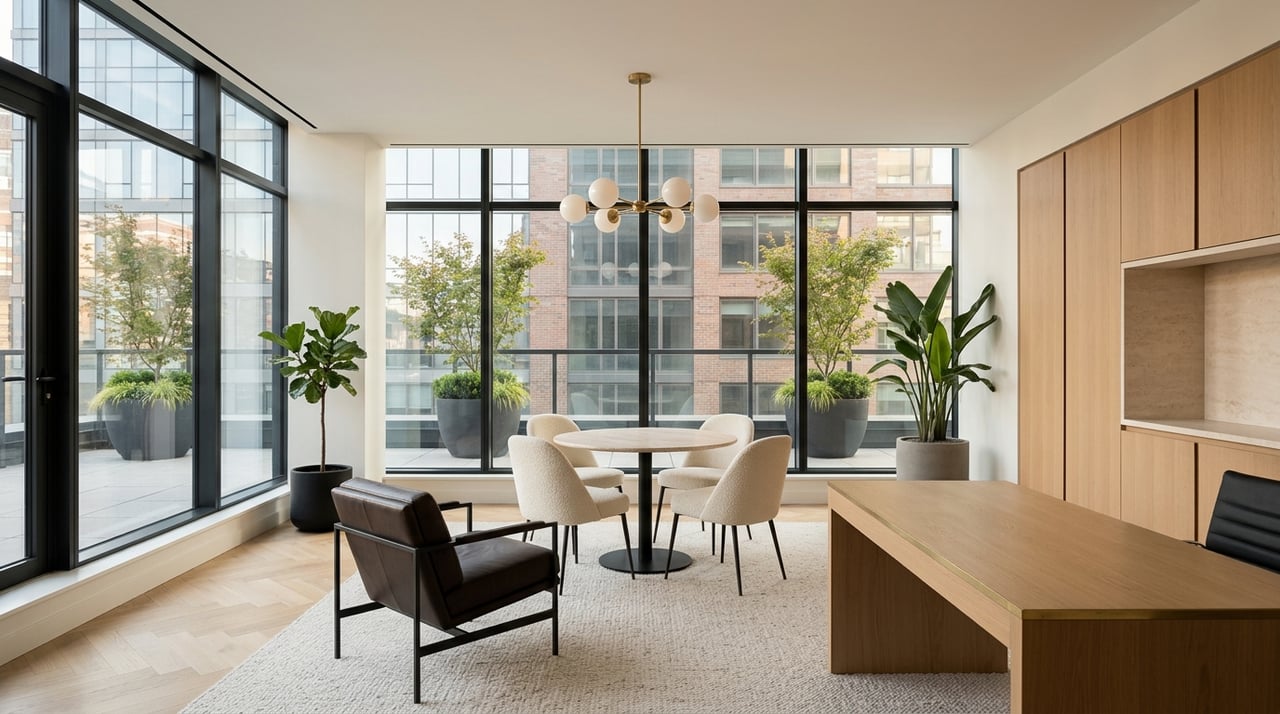
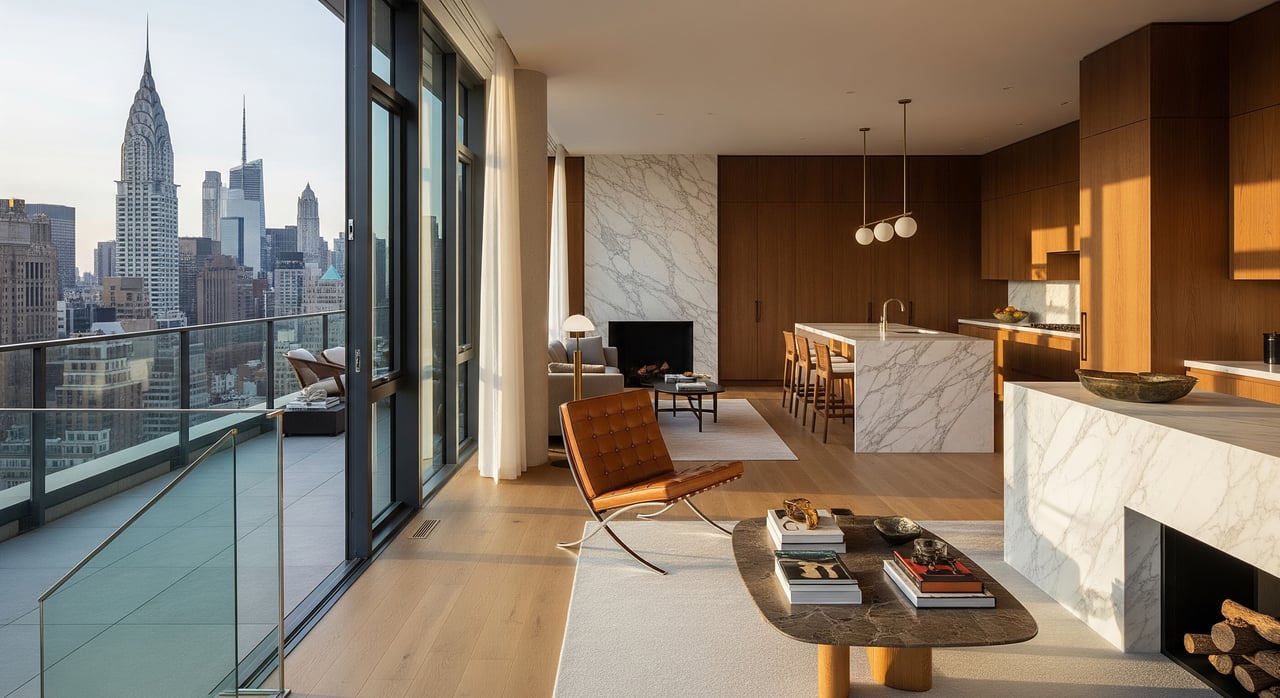
Manhattan buyers are paying premiums, and they expect premium presentation. A dated kitchen, scuffed floors, or poor listing photography can sink an apartment that is otherwise well-positioned. The best-performing listings treat photography and staging as a marketing investment, not an afterthought. Professional photography is non-negotiable in a market where the first showing happens on a screen — well-lit, proportional images routinely generate significantly more inquiries than listings with amateur photos. For units above $2 million, video walkthroughs and thoughtful lifestyle storytelling have become increasingly expected.
The Days-on-Market Penalty
One of the least understood dynamics in Manhattan real estate is how listing age accumulates against sellers. Once a property has been on the market for 60 days, buyer perception shifts. Showings slow. Lowball offers increase. The question every buyer asks their broker — "What's wrong with it?" — begins working against the seller regardless of the property's actual merits. This is why experienced brokers often prefer a compressed launch strategy: controlled pre-market exposure, a coordinated debut with broker events and open houses, and a deadline-driven offer process. Scarcity and urgency, even in the luxury segment, drive behavior.
Building Type and Board Approval
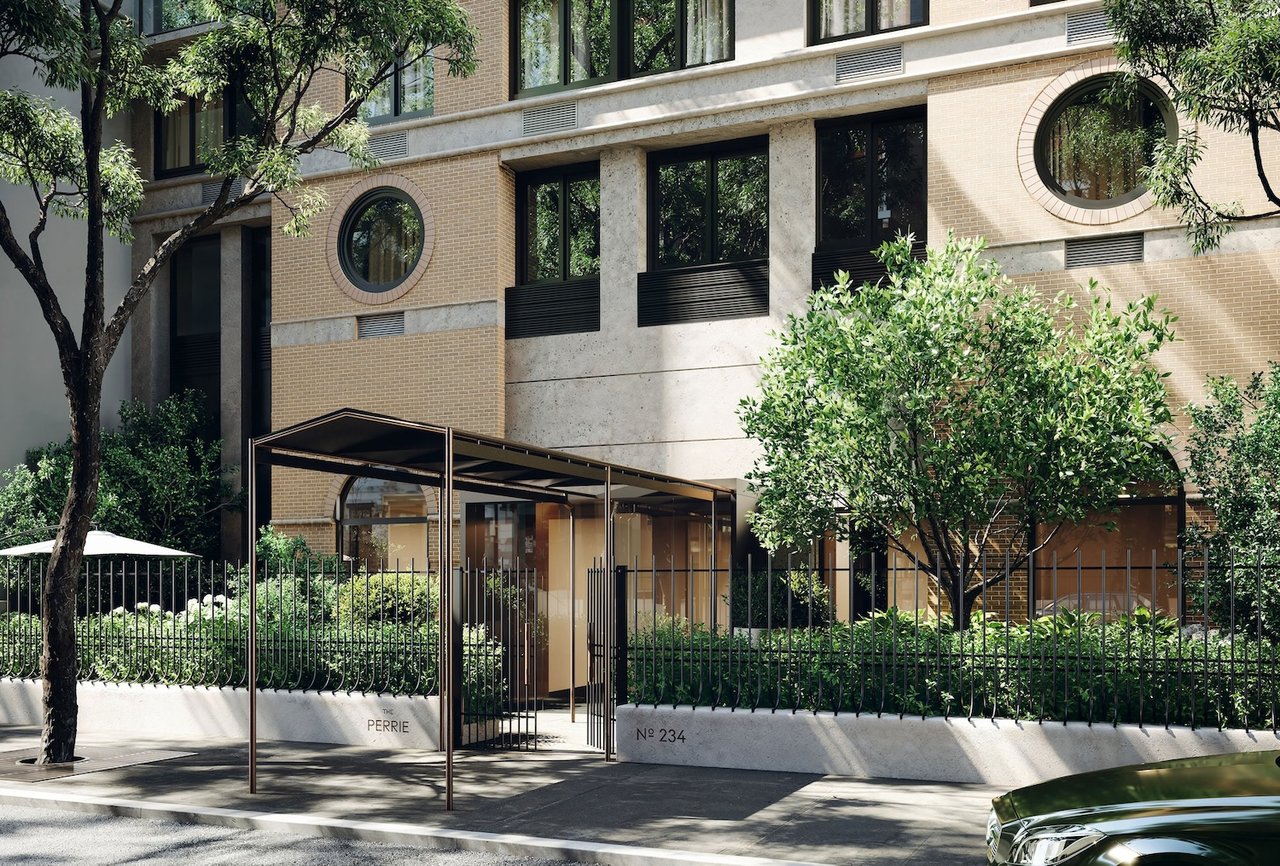
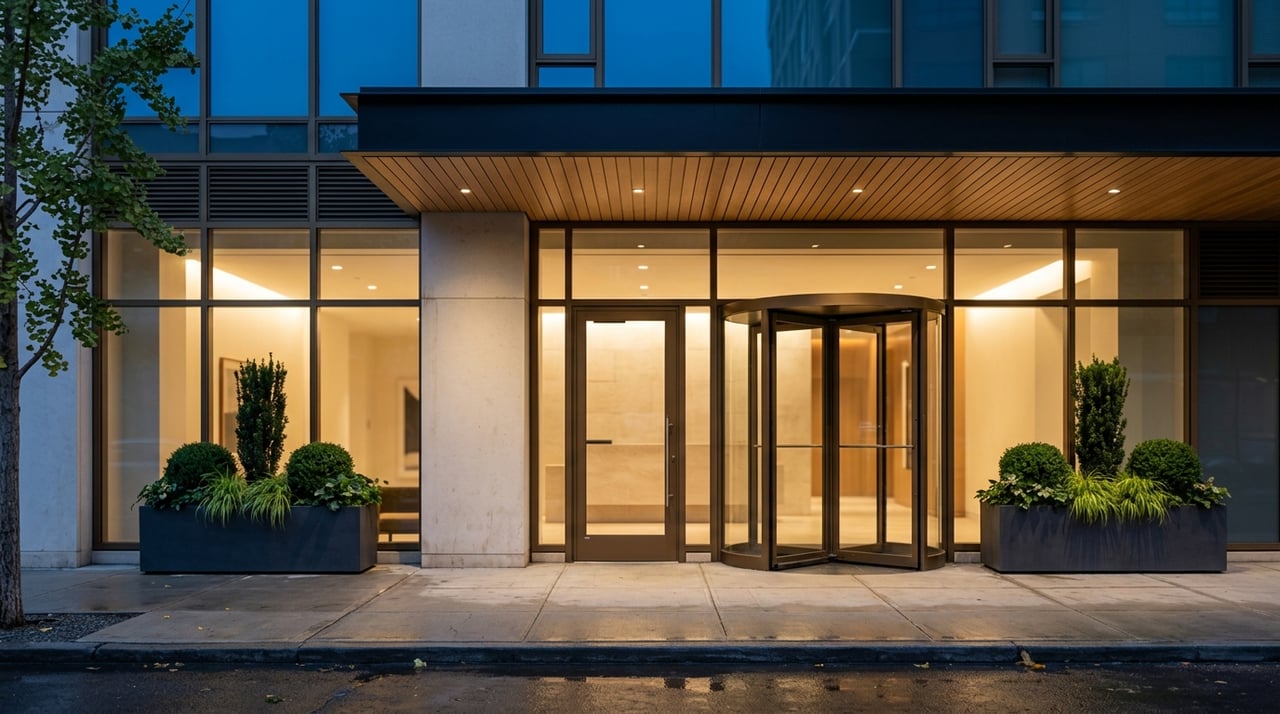
Co-ops represent roughly 75% of Manhattan's residential inventory, and their approval requirements — detailed financial statements, personal references, interviews, and liquid asset thresholds — eliminate a meaningful share of otherwise willing buyers. Listings in buildings with stringent boards or reputations for high rejection rates will always take longer to sell, not because of the apartment itself, but because the pool of eligible buyers is smaller. Condos, with their lighter purchase requirements, tend to move faster when priced well — particularly among international buyers and investors who cannot qualify for co-op purchases.
The Bottom Line
Manhattan real estate rewards preparation and punishes wishful thinking. The apartments that sell quickly are rarely the most spectacular — they are the most thoughtfully brought to market. Price honestly, present with care, understand your buyer pool, and launch with a strategy rather than a hope. Do those things, and the city's enduring demand will work in your favor.