If the idea of Central Park as your backyard makes you smile, the Upper West Side might be your move. You want tree‑lined streets, classic architecture, and daily routines that start or end in green space. In this guide, you’ll learn what life feels like on the park’s western edge, from morning runs and school drop‑offs to housing types, budgets, dining, and commutes. Let’s dive in.
Upper West Side basics near the park
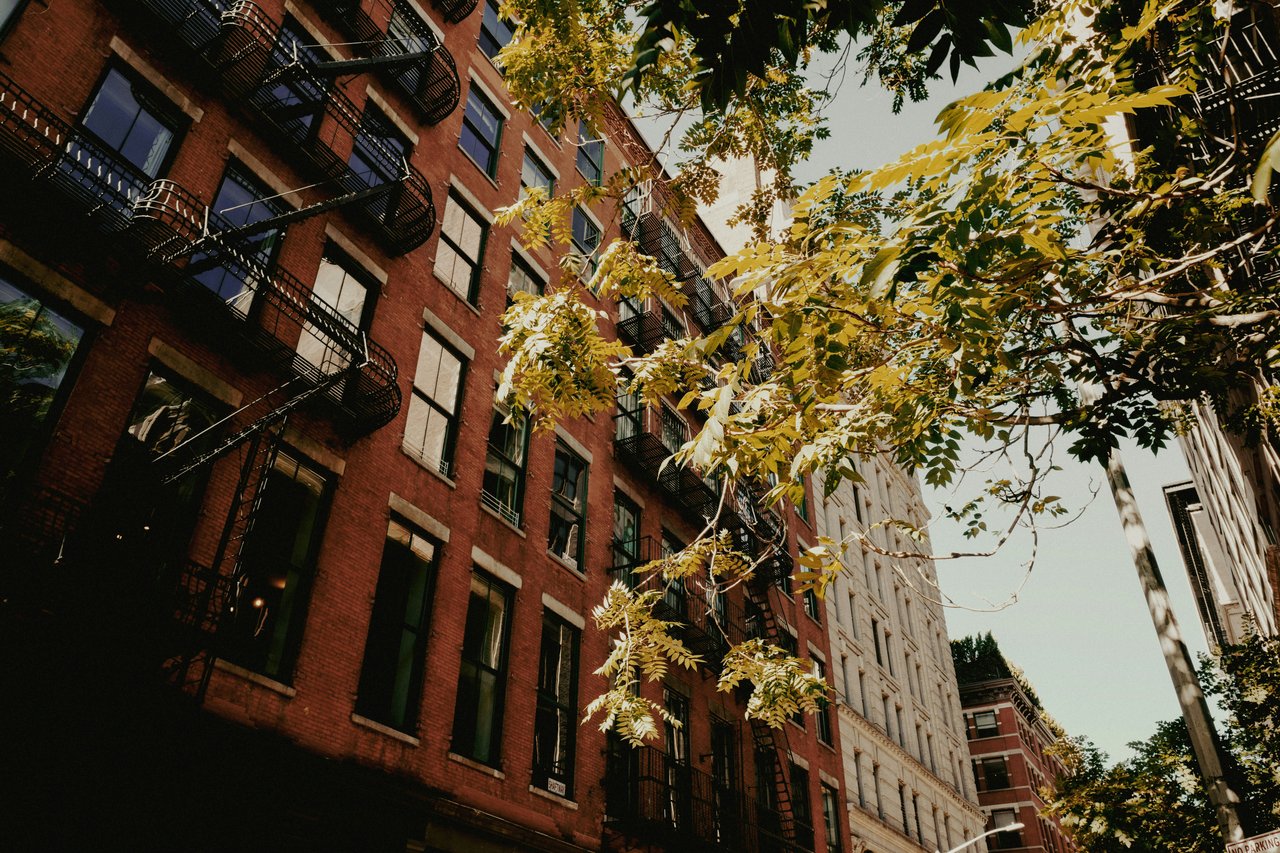
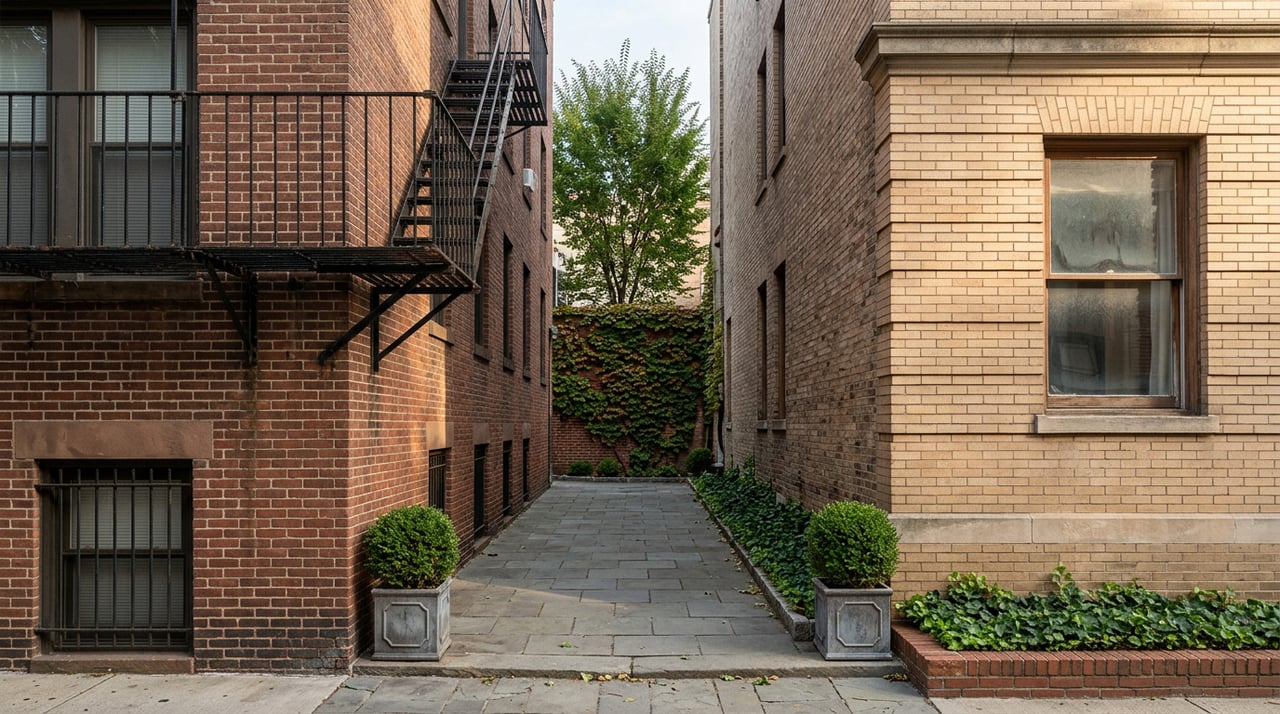
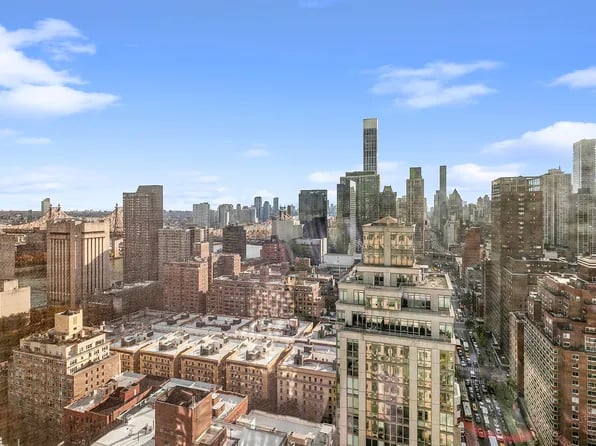
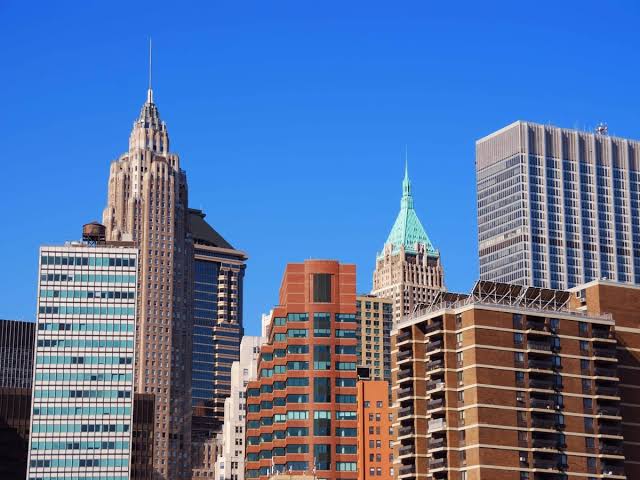
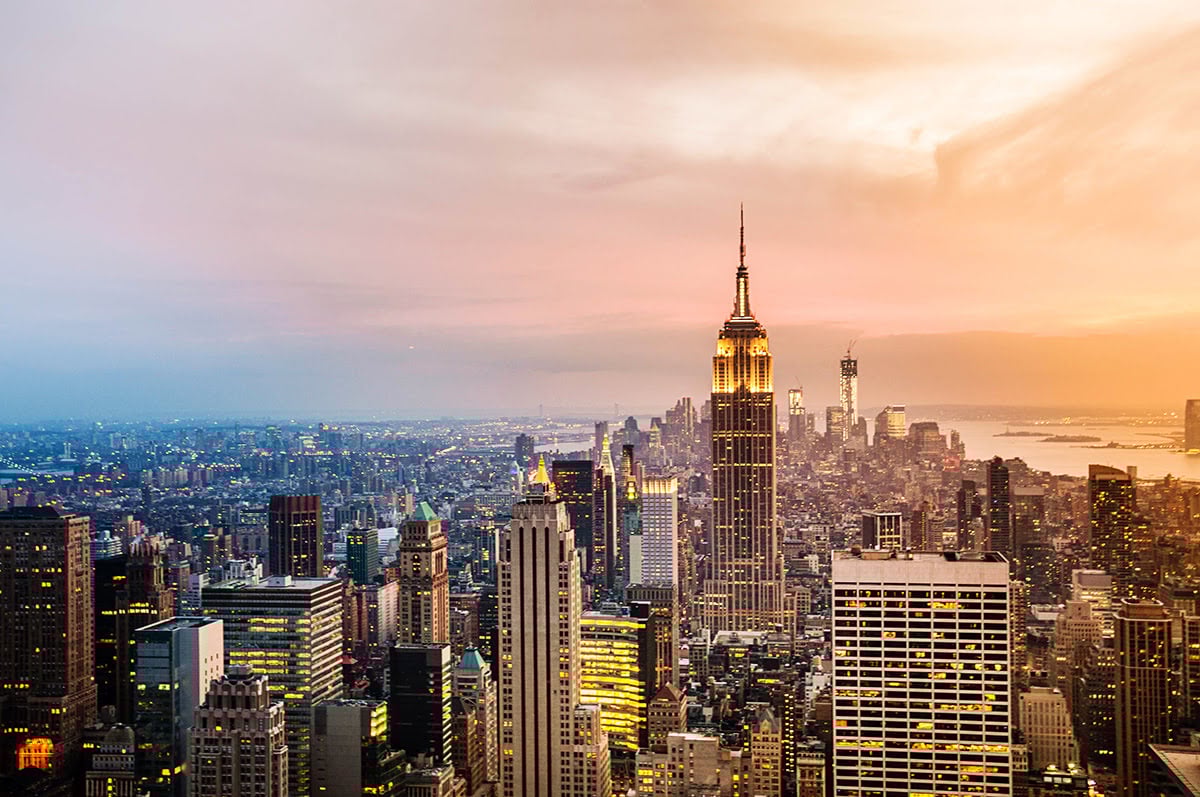
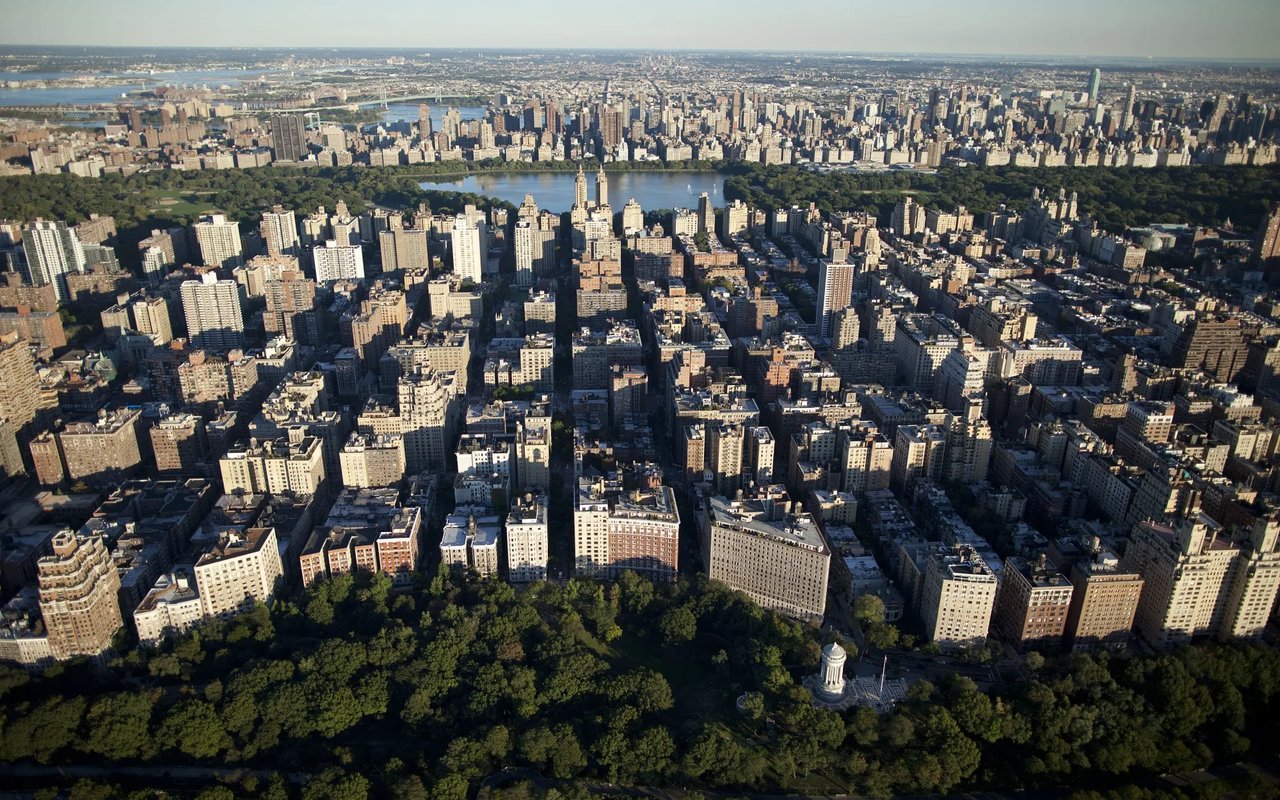
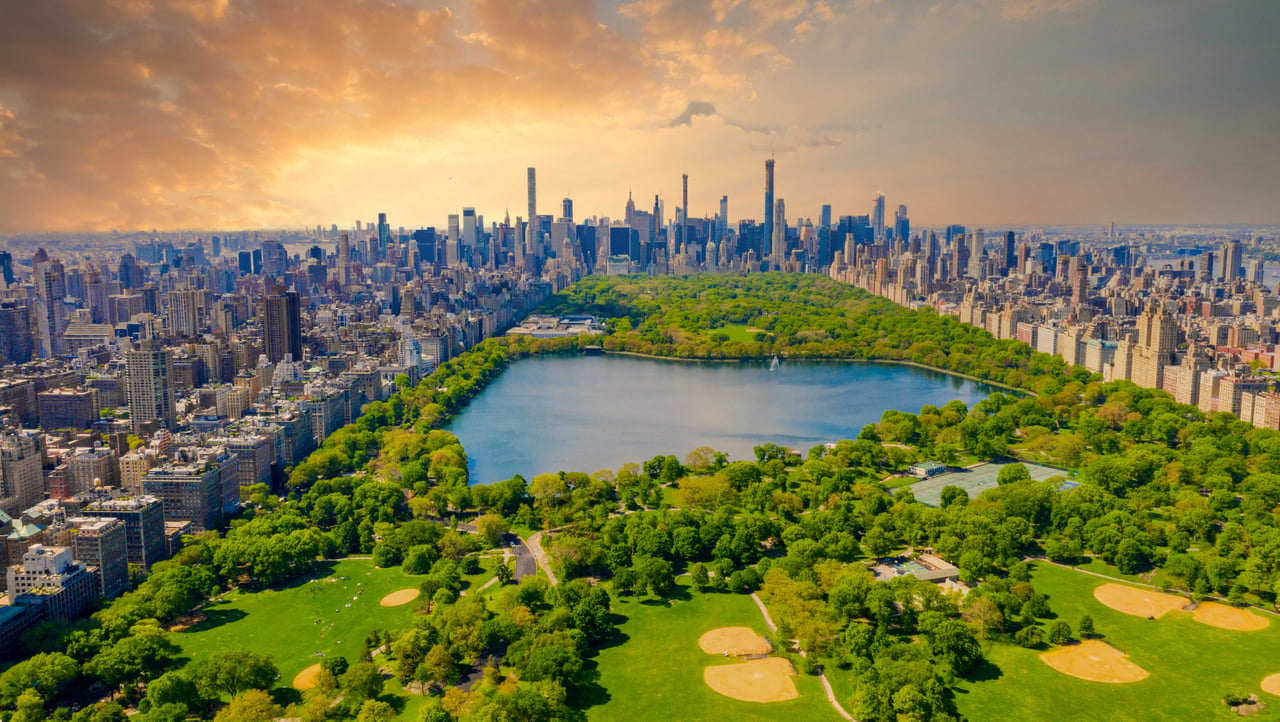
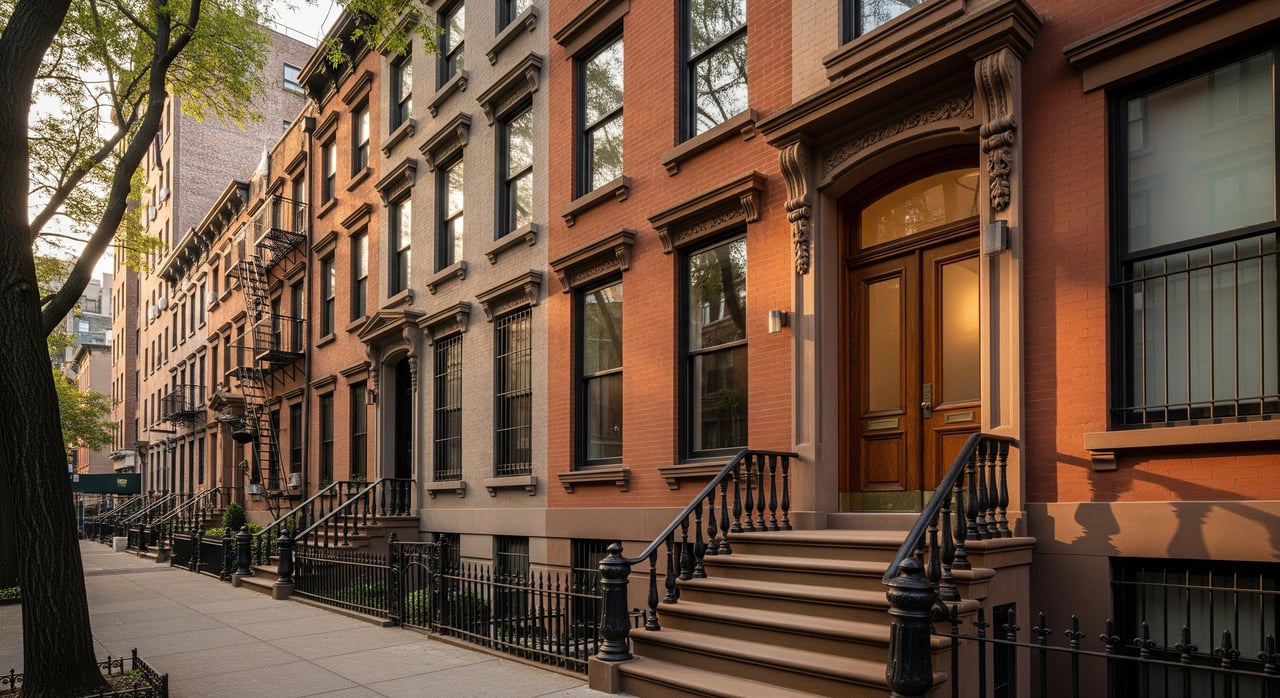
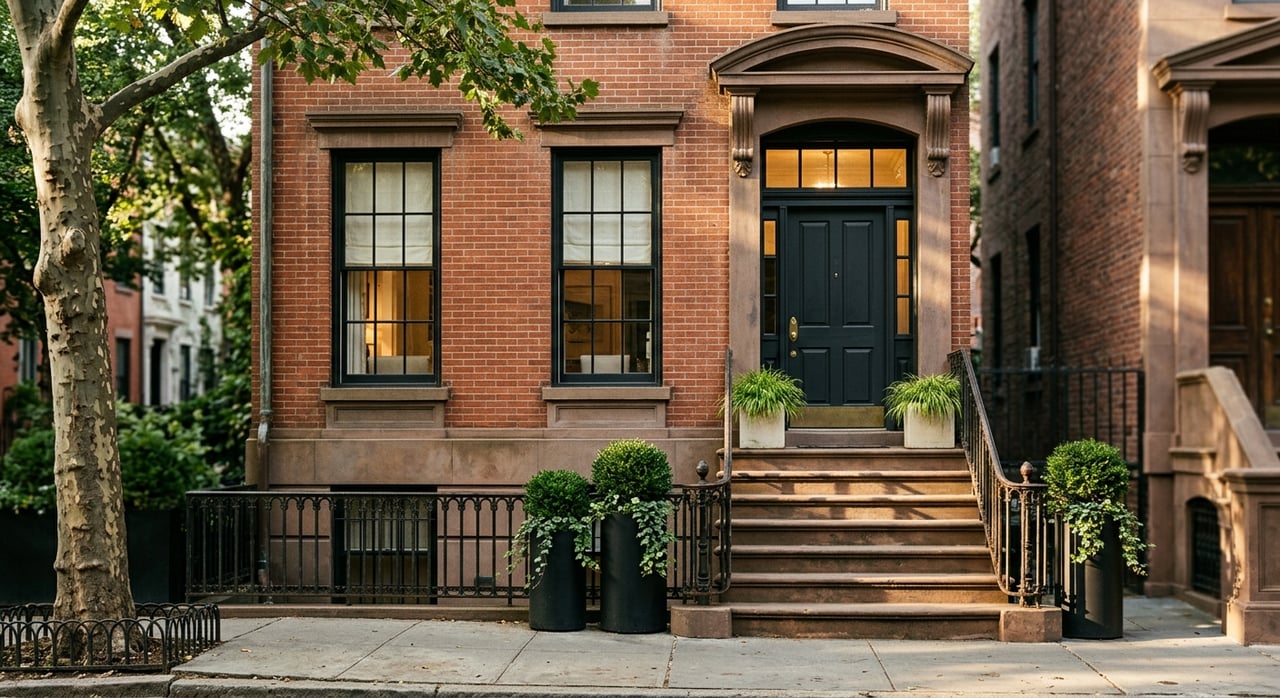
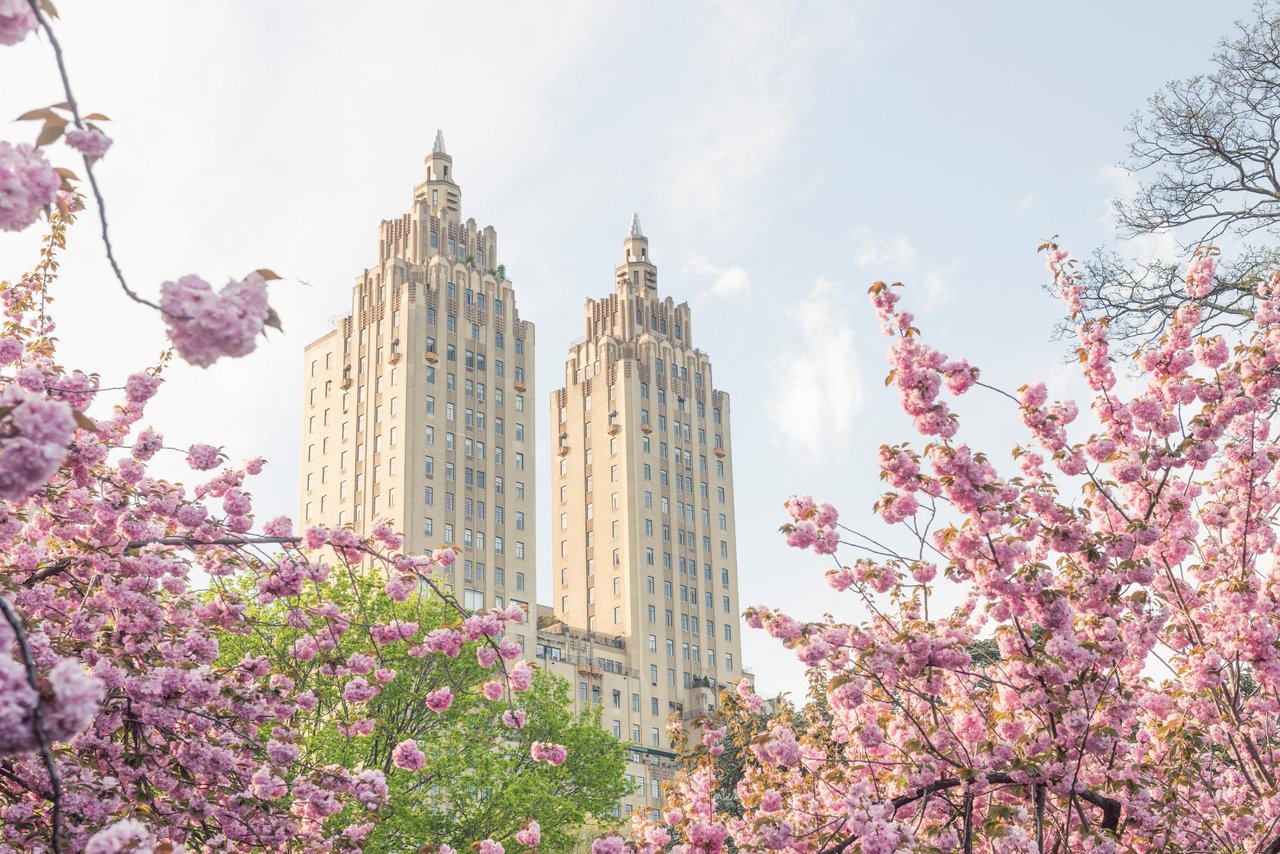
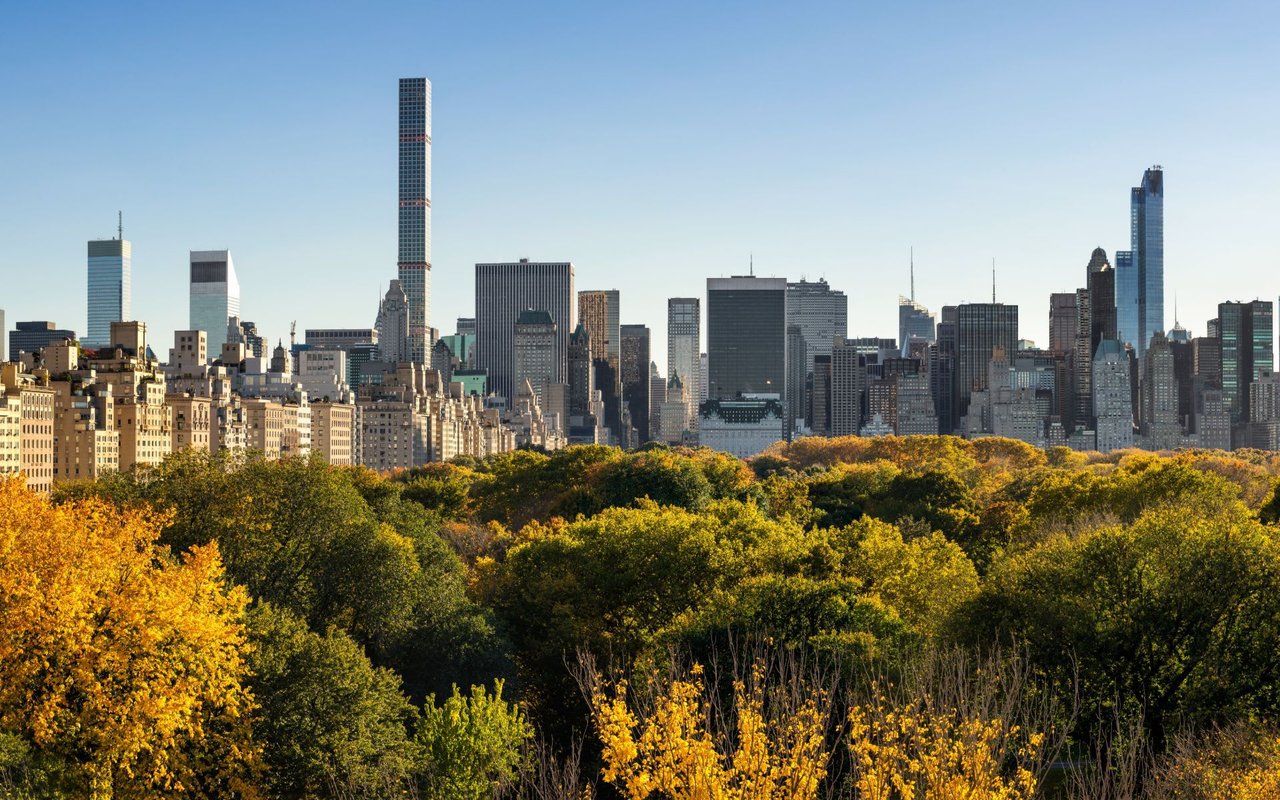
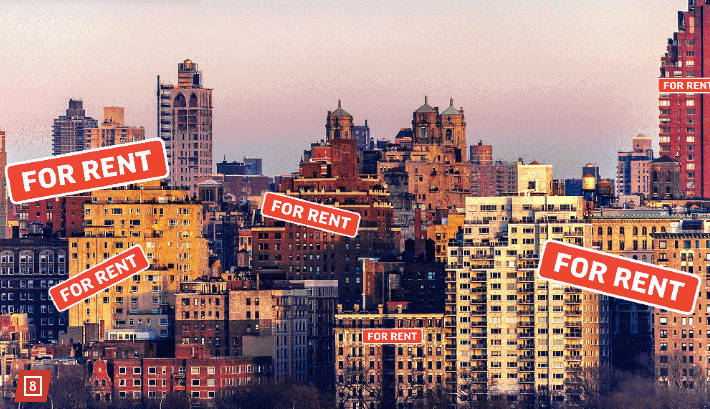
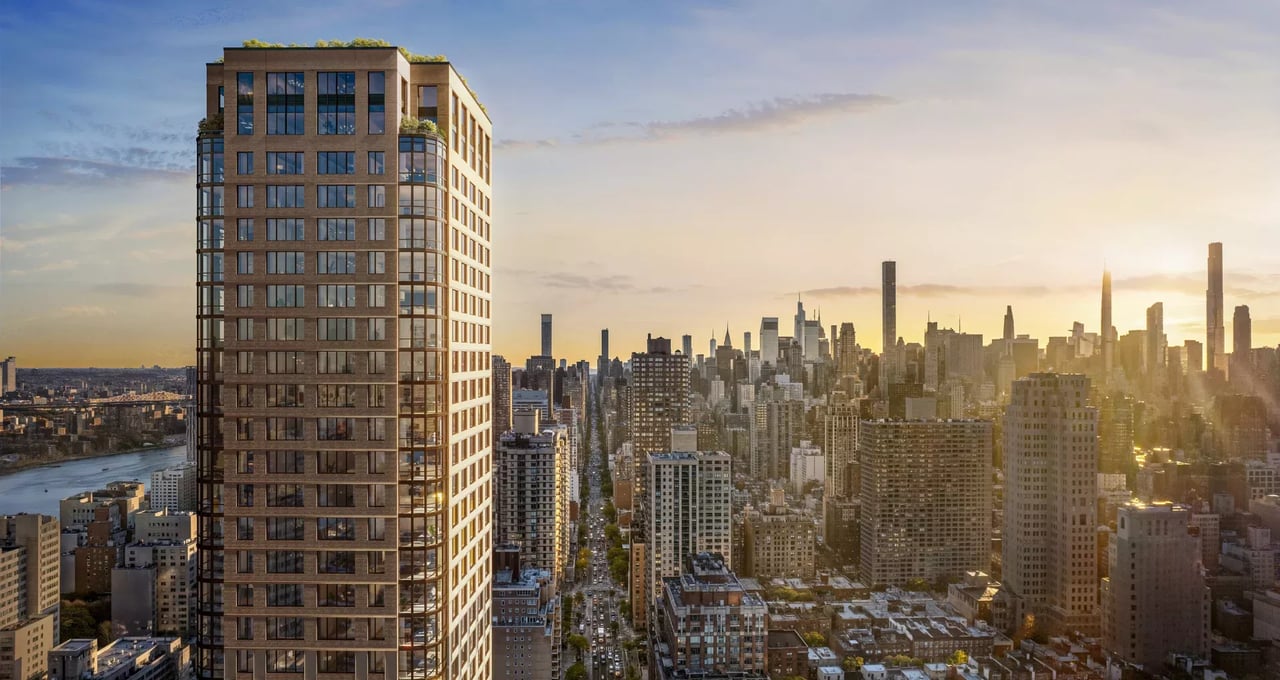
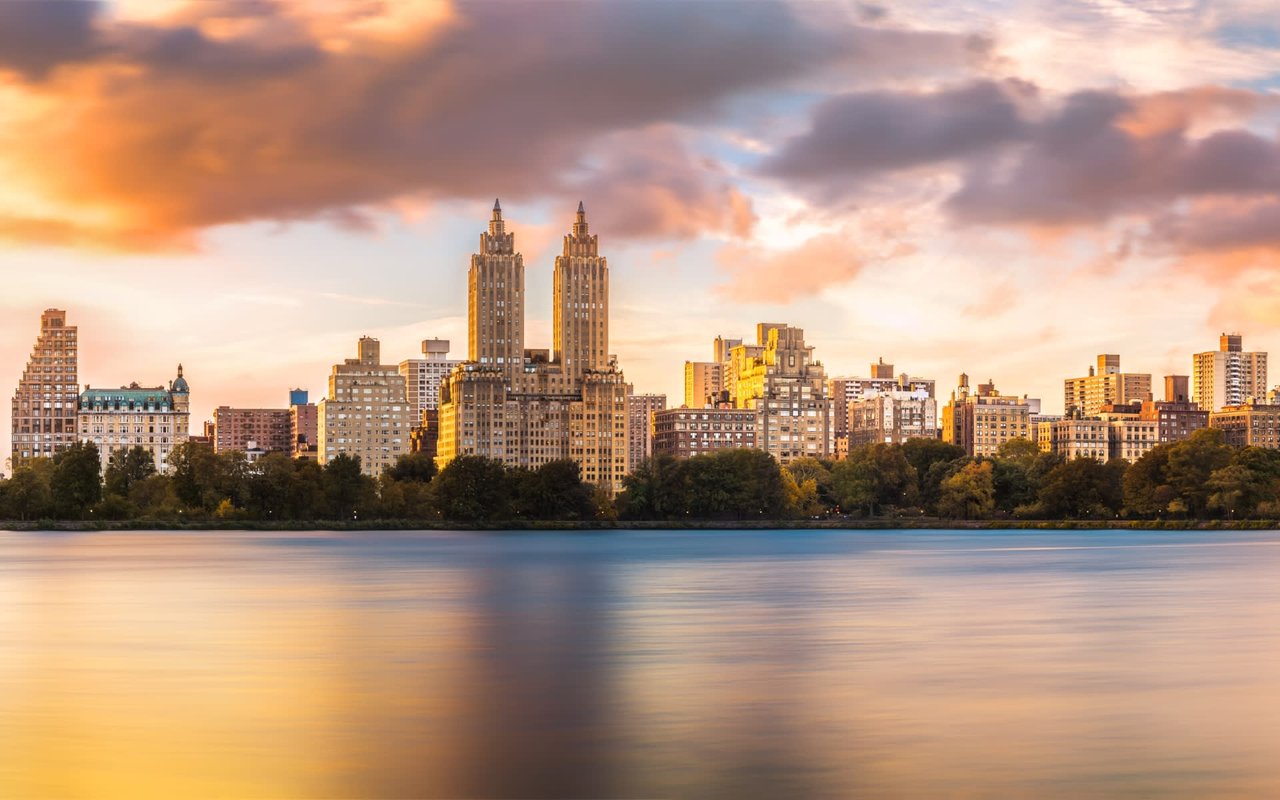
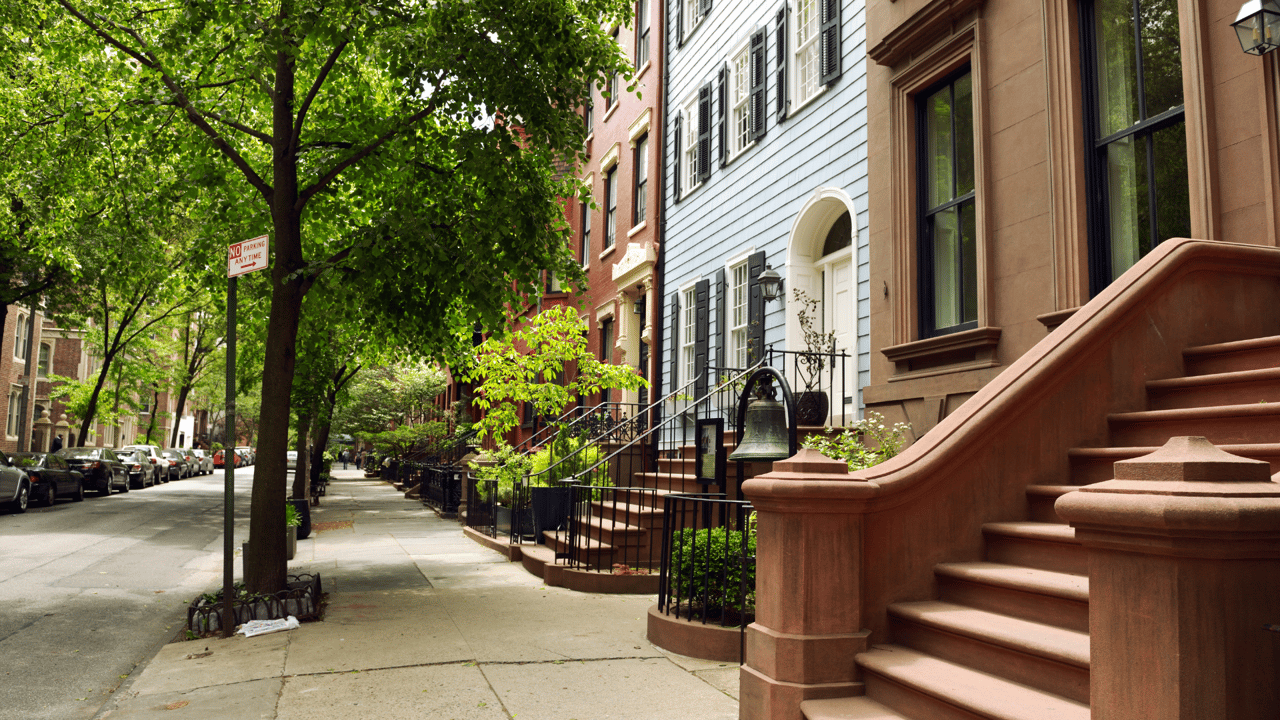
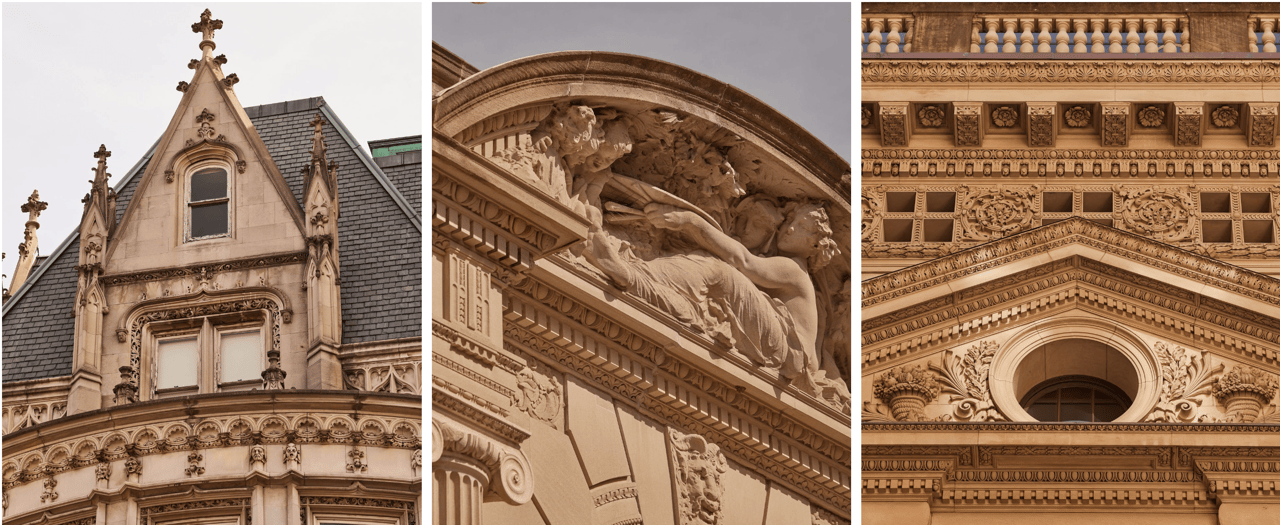
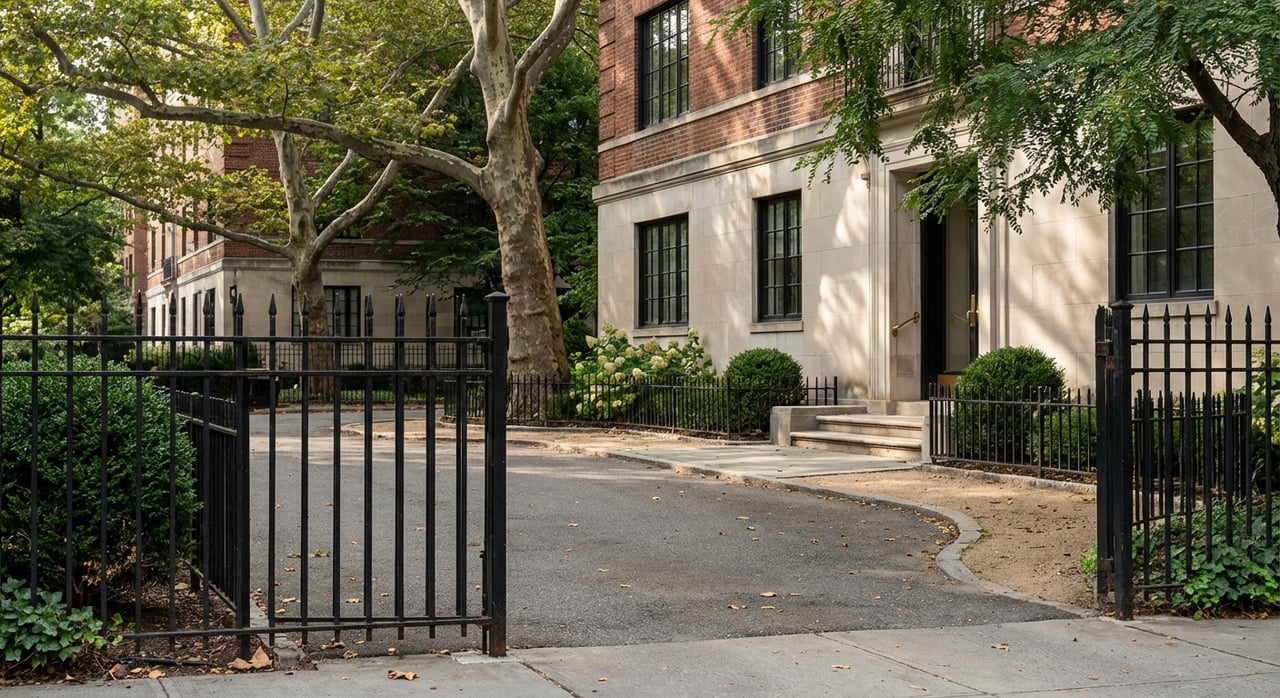
The Upper West Side stretches from West 59th Street to West 110th Street, set between Central Park and the Hudson River. It blends prewar brownstones, co‑op buildings along Central Park West, and newer developments on Broadway and Riverside Drive. Culture and retail cluster around Broadway, Columbus Avenue, and Lincoln Square, while many side streets feel residential and calm. For orientation, see the neighborhood overview on the Upper West Side.
Who lives here varies by block, but you’ll meet many families, established professionals, and creatives who value nearby performing‑arts institutions. Overall, the area is relatively affluent compared with broader city averages. Day to day, it feels like a neighborhood where you can run errands on foot and still catch a world‑class performance in the evening.
Central Park routines: mornings to weekends
Reservoir loop
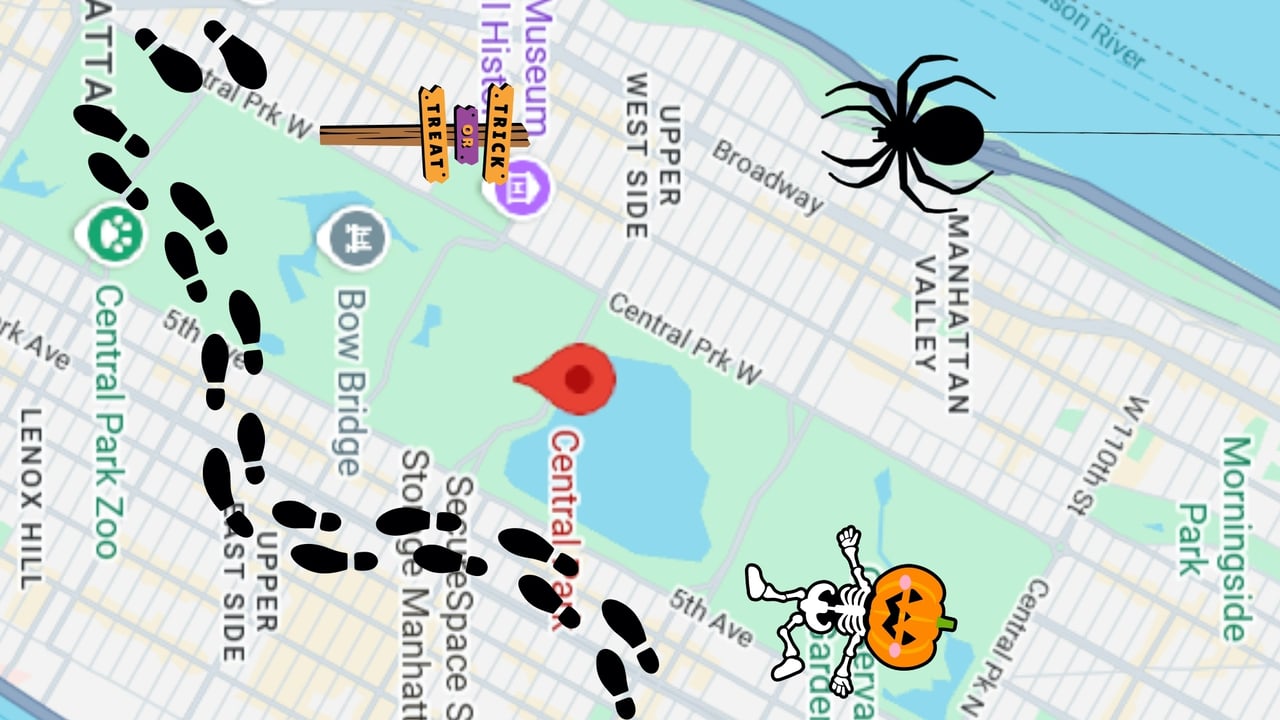
The Jacqueline Kennedy Onassis Reservoir draws runners, walkers, and dog owners before work and on weekends. Its soft‑surface loop is about 1.58 miles and sits mid‑park between 86th and 96th Streets. You can learn more about the loop and access points from the Central Park Reservoir page.
Great Lawn and Strawberry Fields
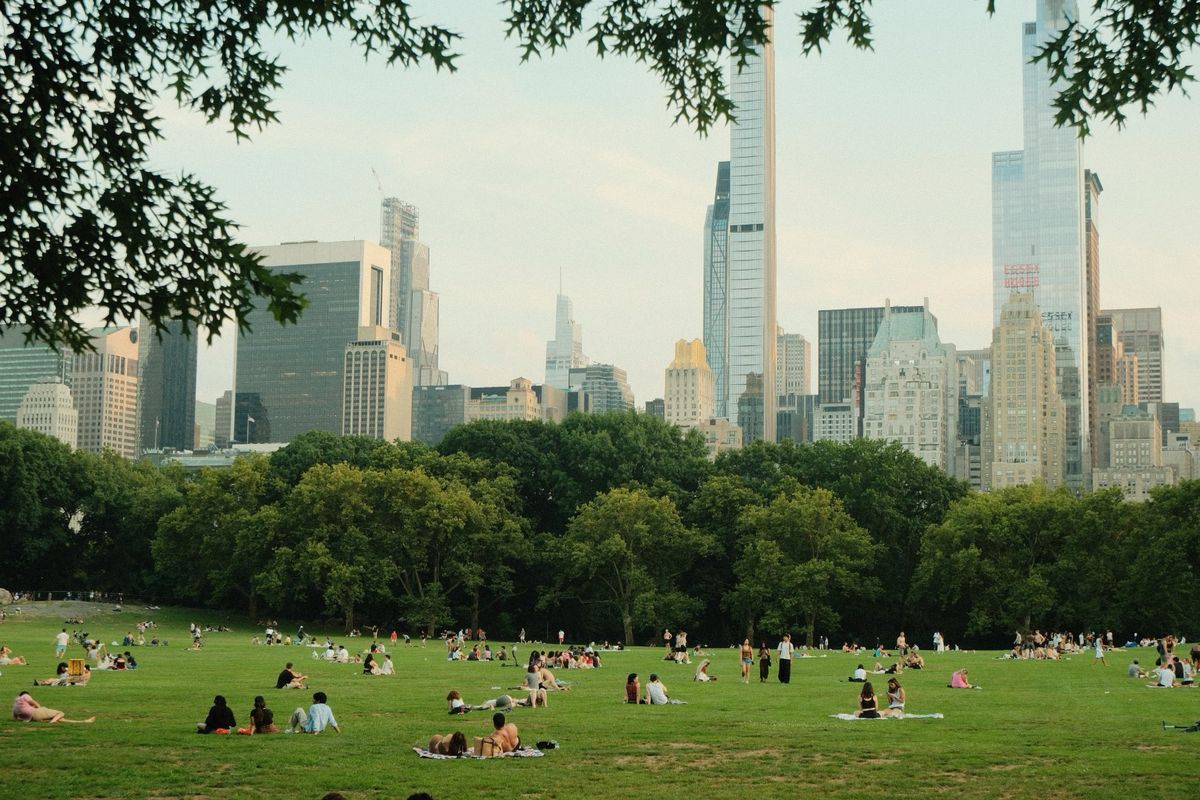
Weekend picnics often land on or near the Great Lawn, where you’ll also find informal sports and seasonal concerts. Get a feel for the area on the Great Lawn page. For a quieter moment, residents and visitors stop by Strawberry Fields near West 72nd Street on their way in or out of the park.
Riverside Park and the Hudson
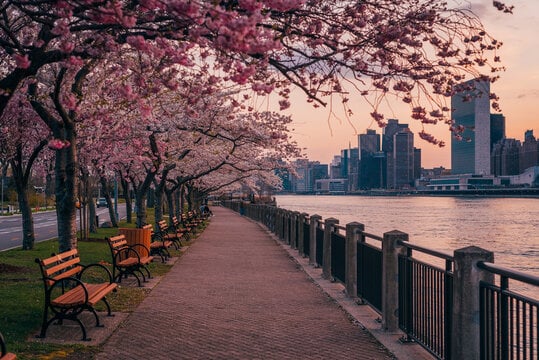
If you prefer river breezes, Riverside Park runs the length of the neighborhood with playgrounds, lawns, courts, and waterfront paths. The Hudson River Greenway is a continuous paved route for cyclists and walkers that connects local rides to longer commutes. Explore the route on the Hudson River Greenway overview. Many residents mix river runs, casual bike commutes, and subway rides in a single week.
Culture, dining, and everyday ease
At the south end, Lincoln Center anchors a packed calendar with the Metropolitan Opera, New York City Ballet, New York Philharmonic, and more. Check current venues and programming via Lincoln Center. North along Broadway and Columbus Avenue, you’ll find a neighborhood mix of family‑friendly restaurants and beloved markets like Zabar’s, plus bakeries and cafés for quick stops. Most daily errands are walkable, and you can plan a pre‑ or post‑show dinner within a few blocks.
Commute and connectivity
Getting around is straightforward. The 1/2/3 along Broadway and the B/C along Central Park West make Midtown accessible in about 10 to 25 minutes depending on your starting point and express or local service. For cross‑park trips, crosstown buses are the easiest option.
Crosstown buses and bikes
Buses like the M66, M72, M79, M86, and M96 run at regular intervals and help you skip subway transfers for east‑west trips. See an overview of routes and park access tips in this Central Park transit guide. If you bike, the Hudson River Greenway provides a reliable north–south route and easy connections to bridges and other lanes.
Car and parking realities
Owning a car in this part of Manhattan is less common. Street parking is limited, and garages come at a premium. Many residents pair subways with bikes, rideshares, and cabs. If your commute depends on elevators or accessible transfers, factor in weekend service changes and check MTA service advisories before you go.
Housing types and what to expect
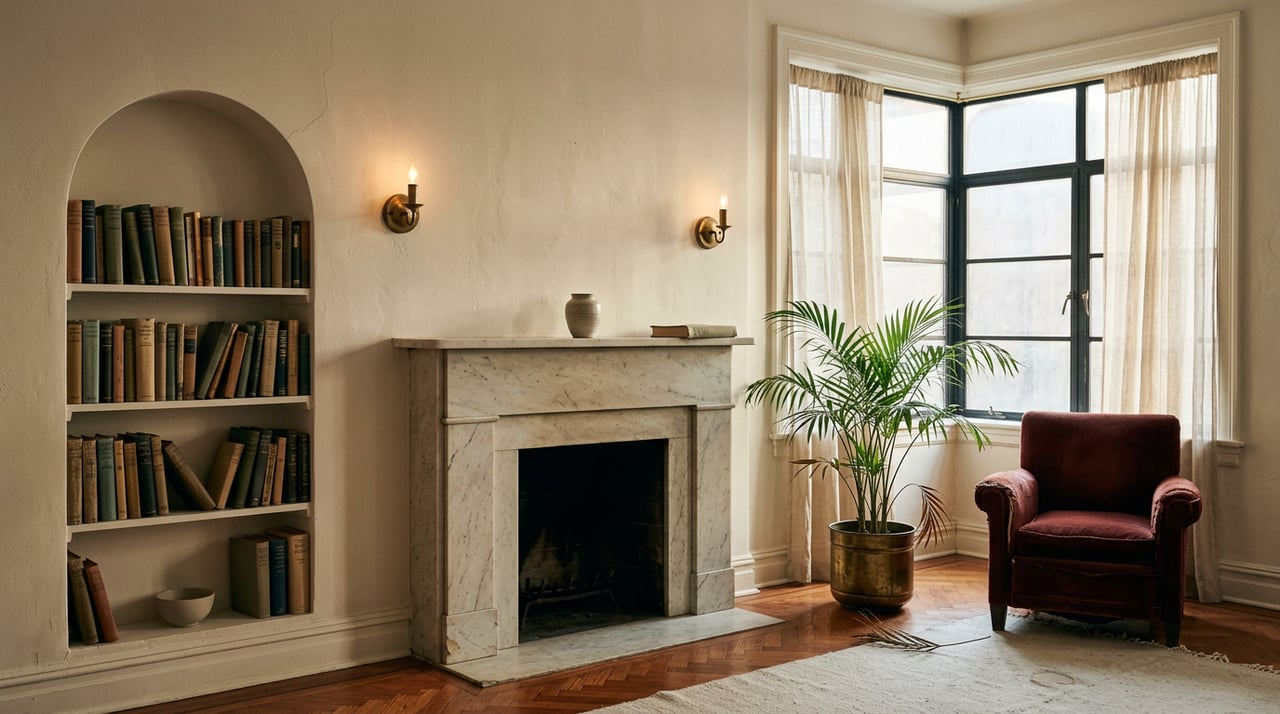
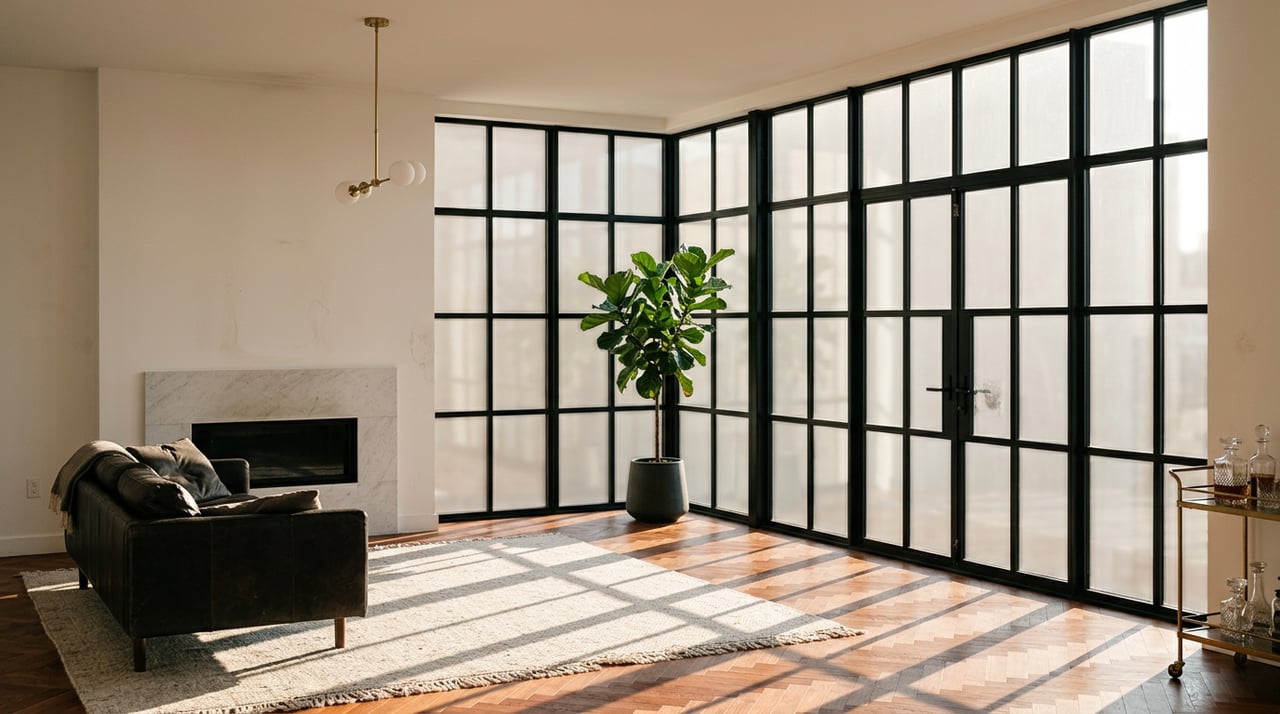
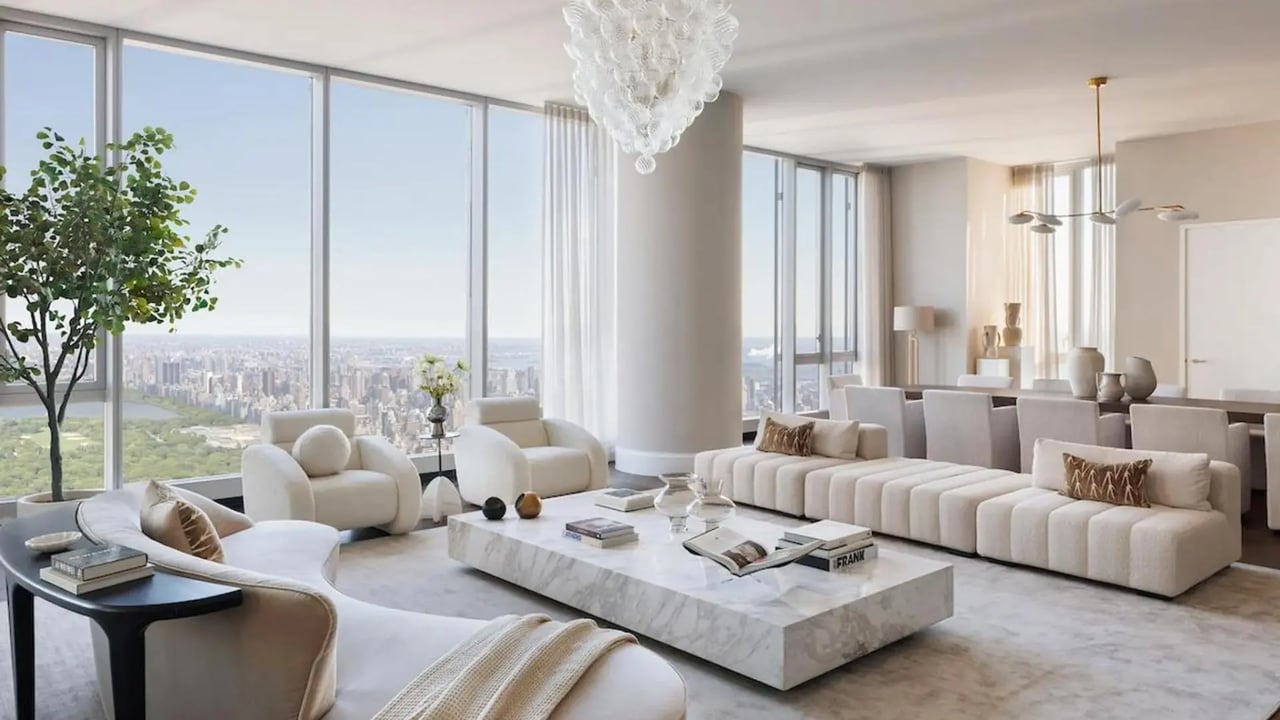
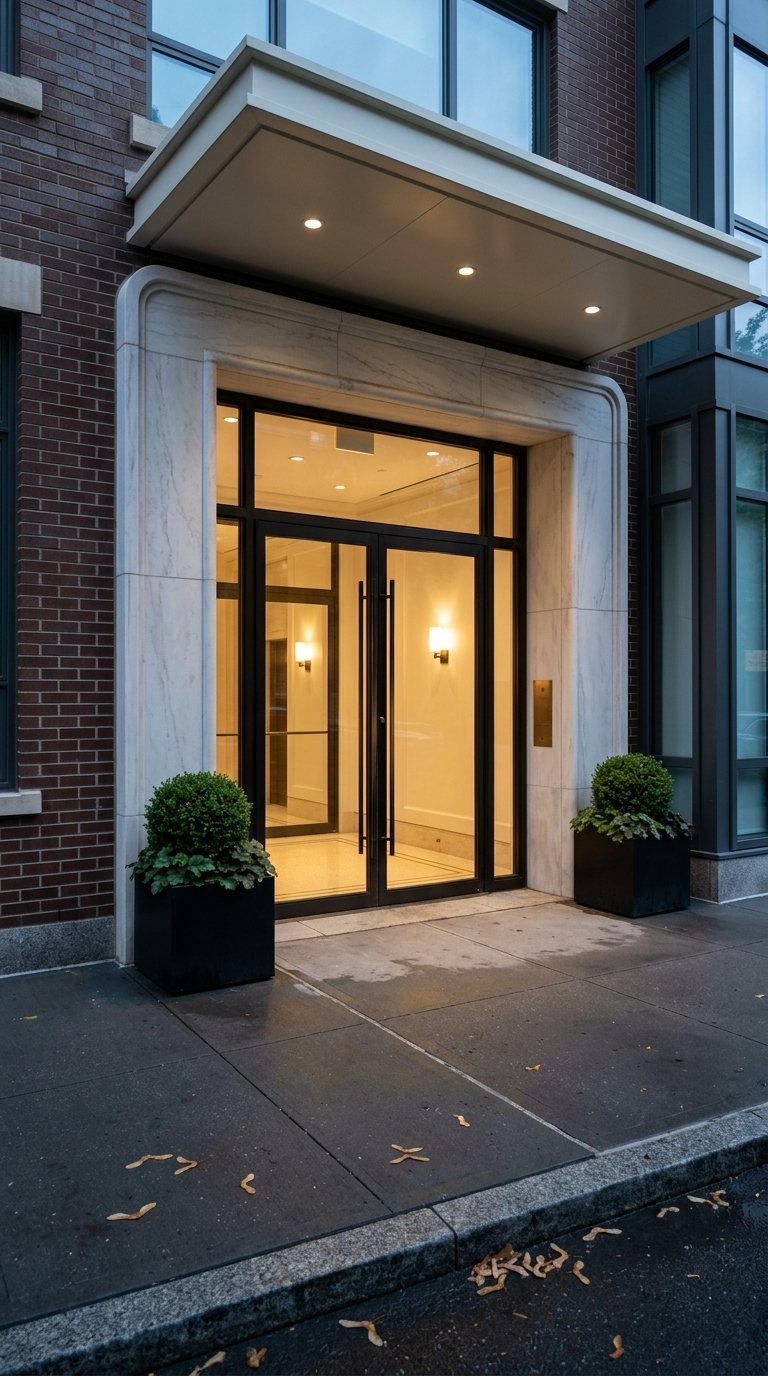
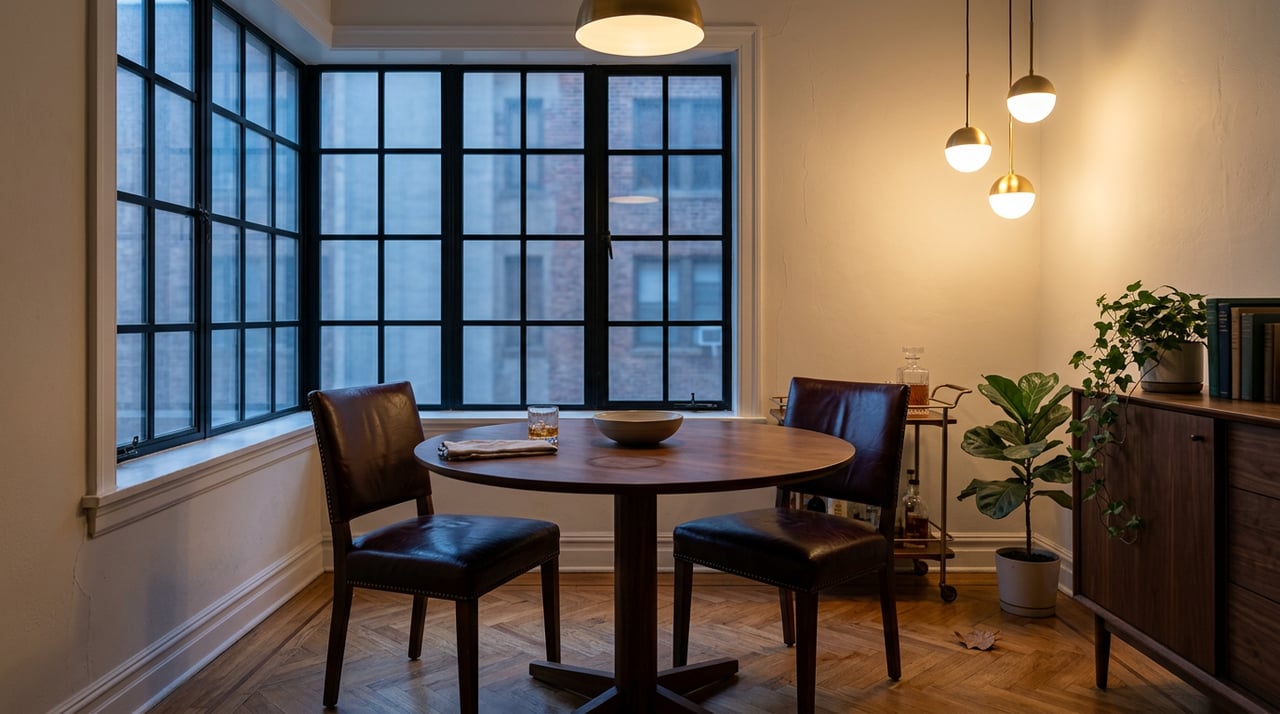
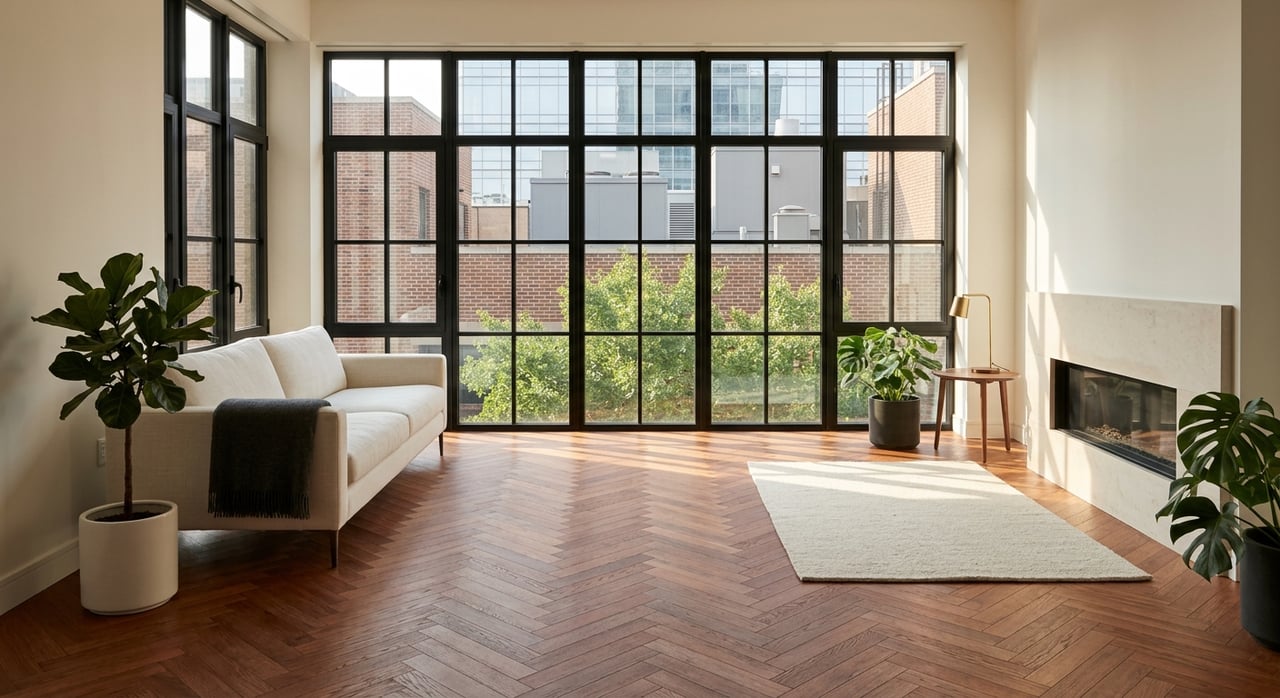
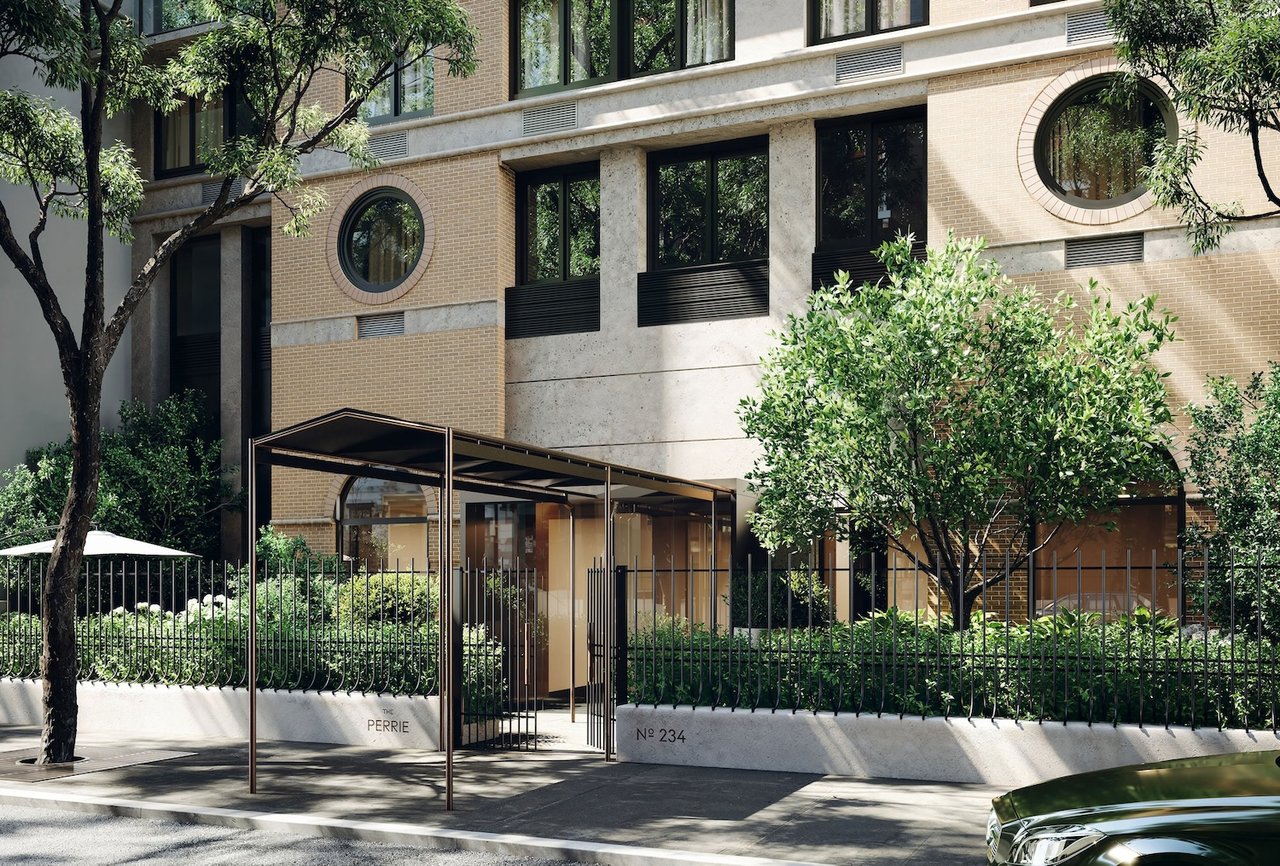
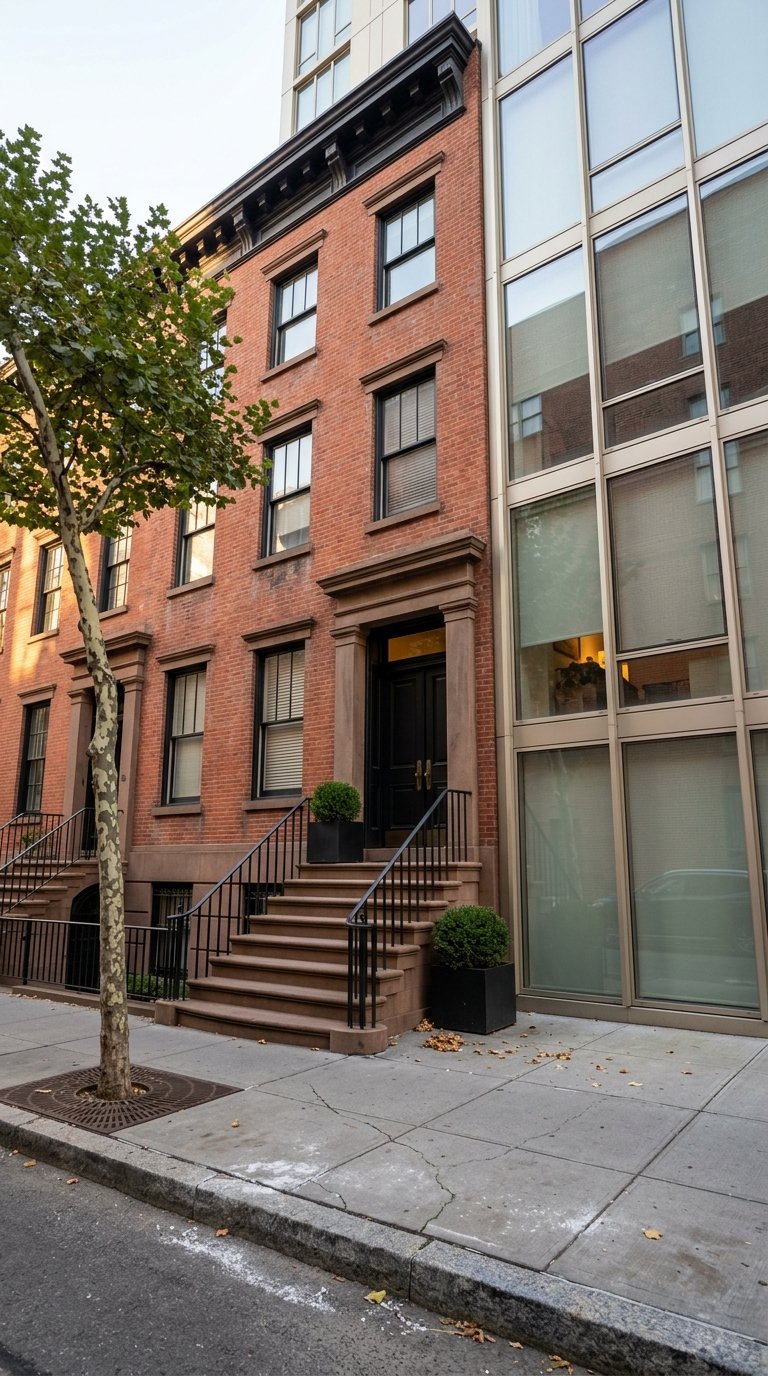
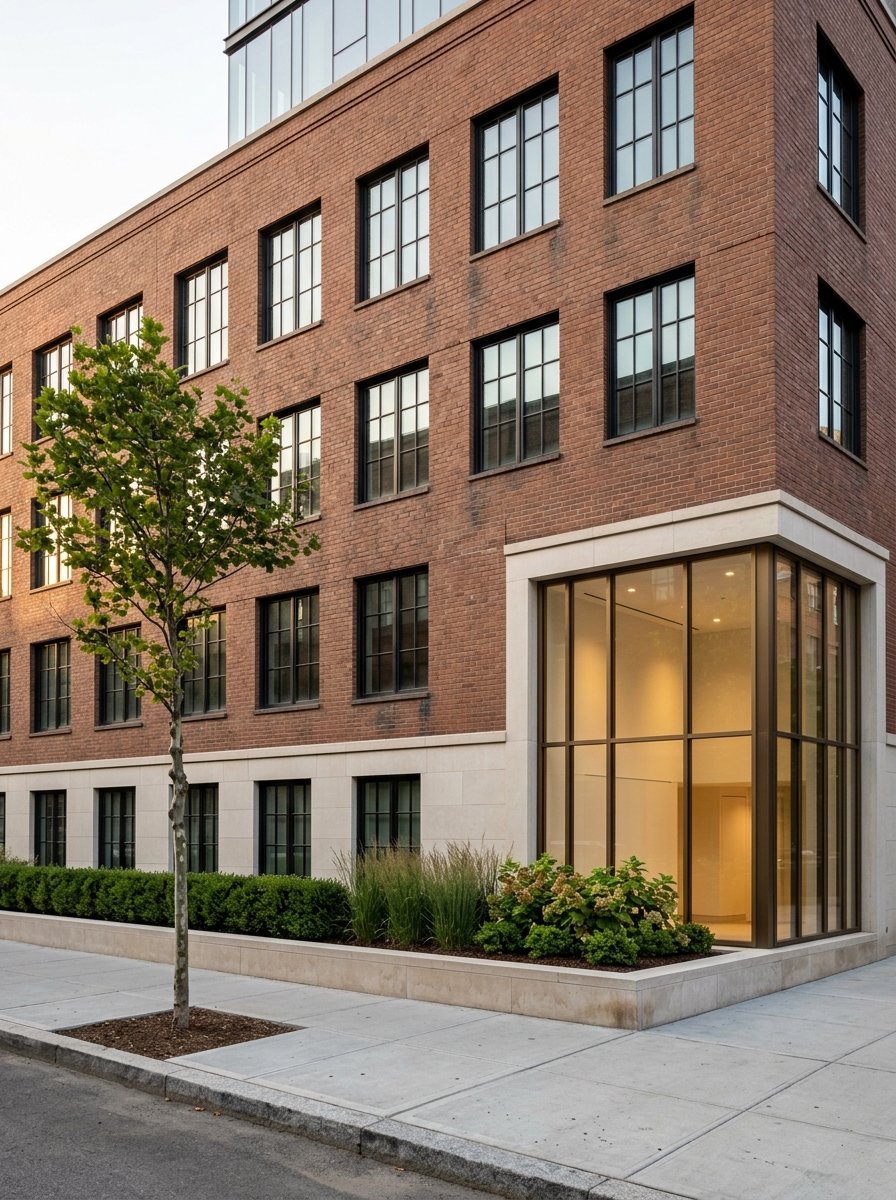
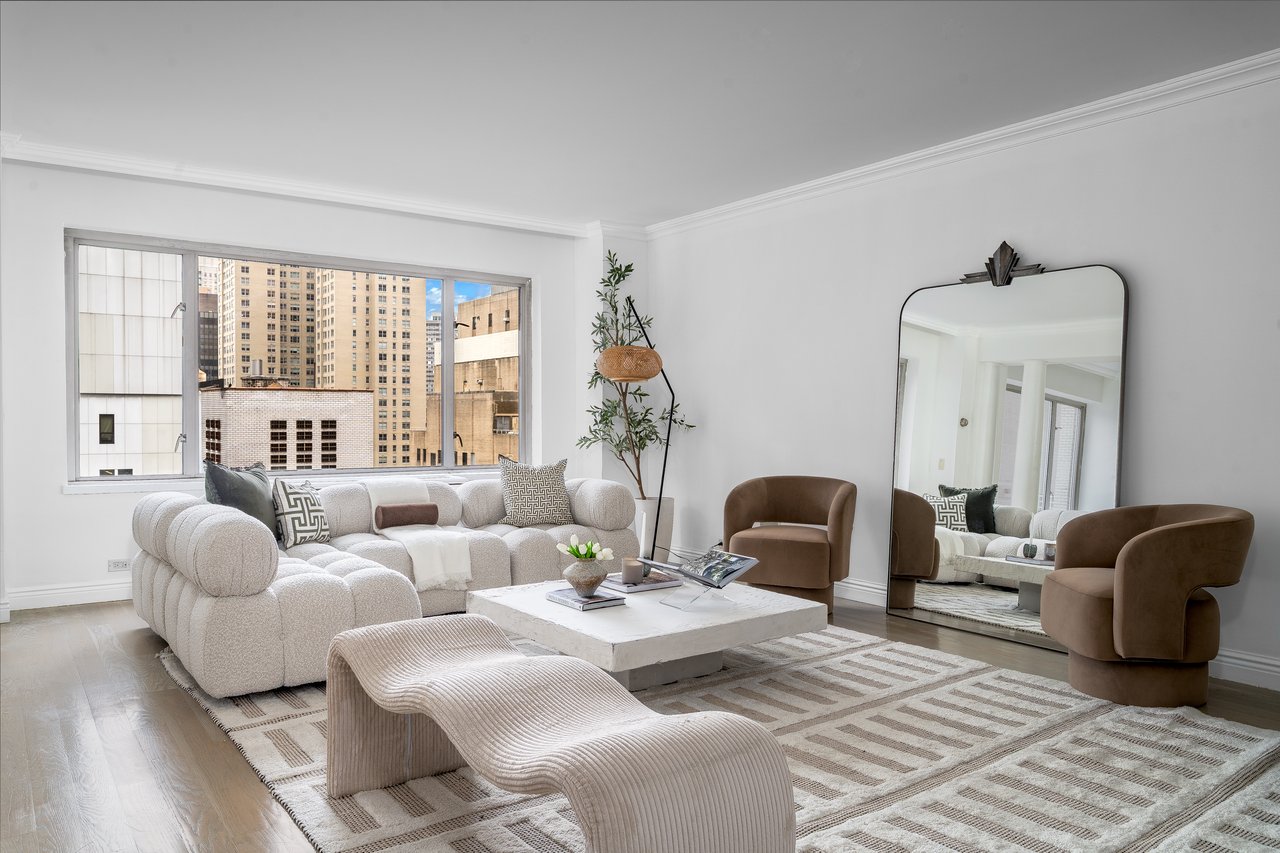
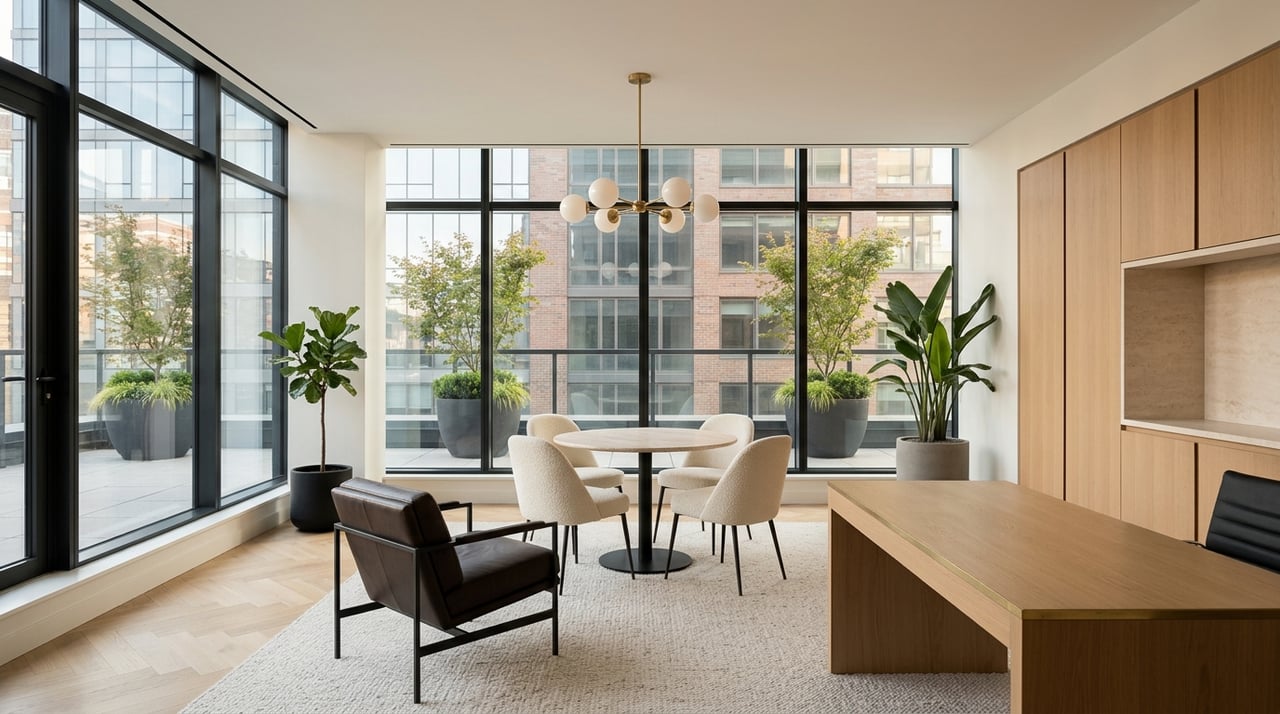
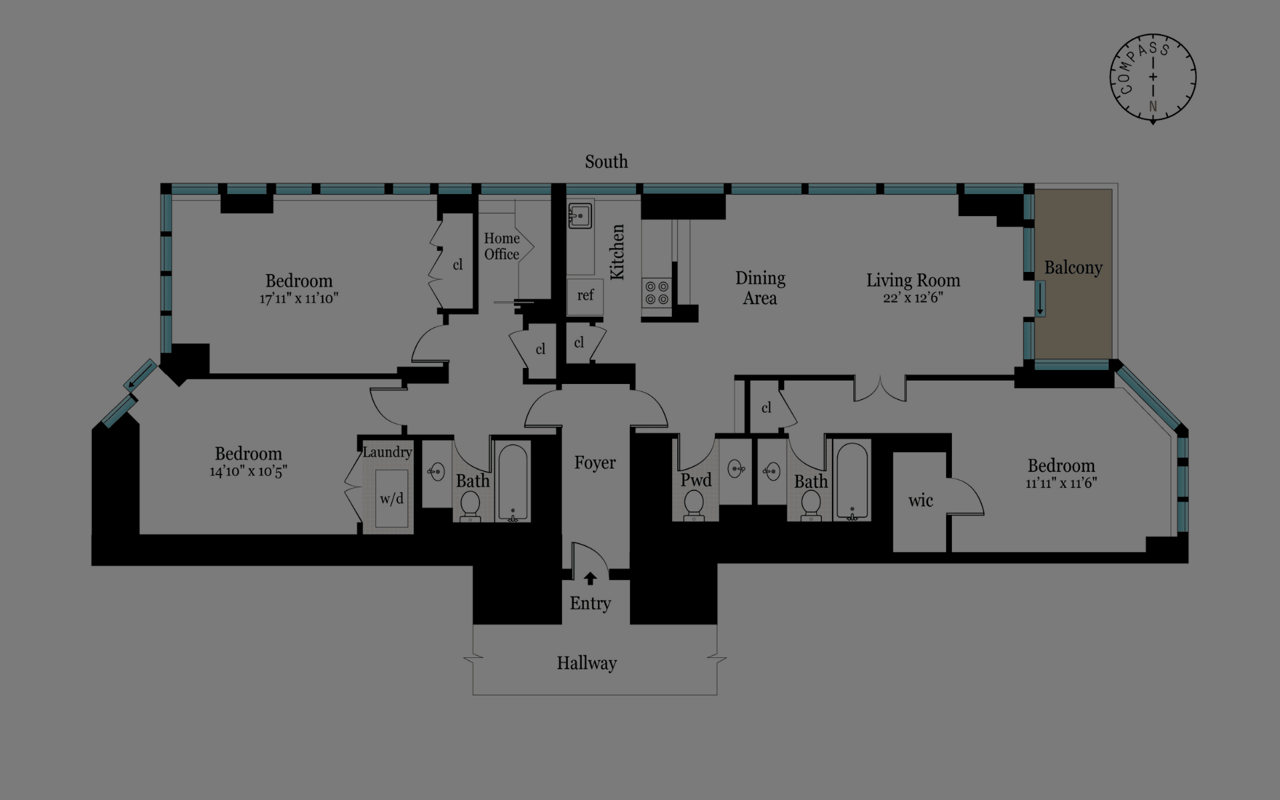
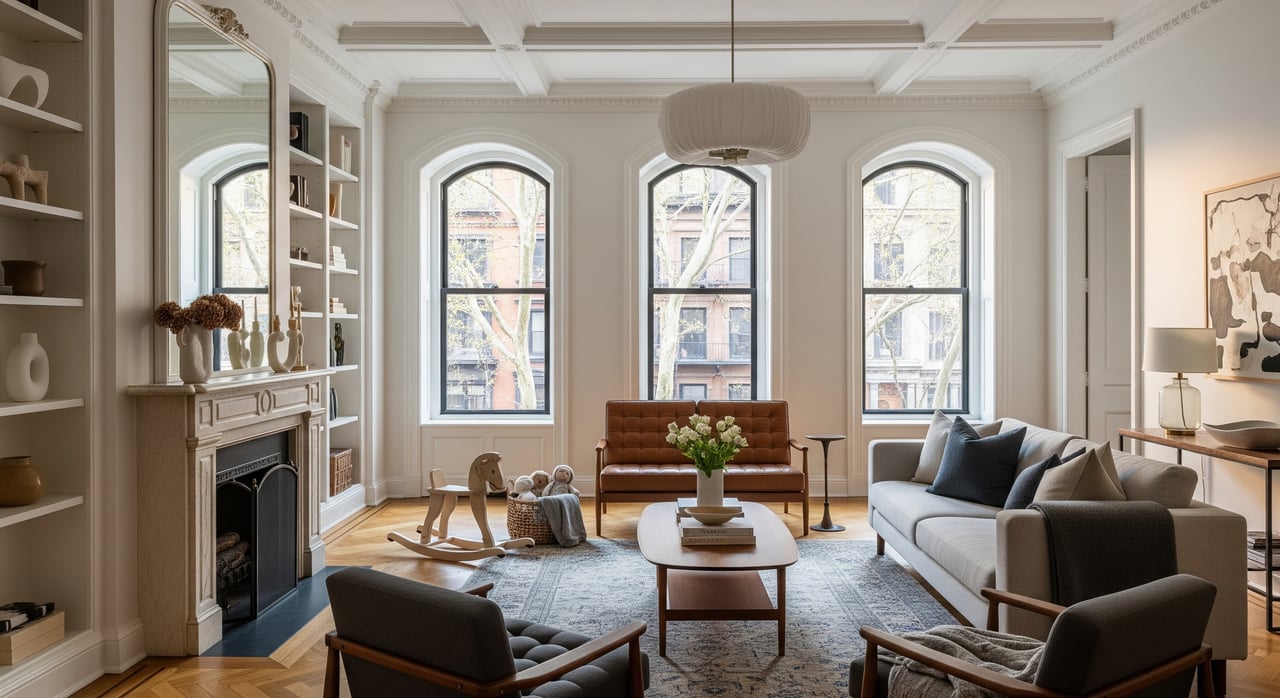
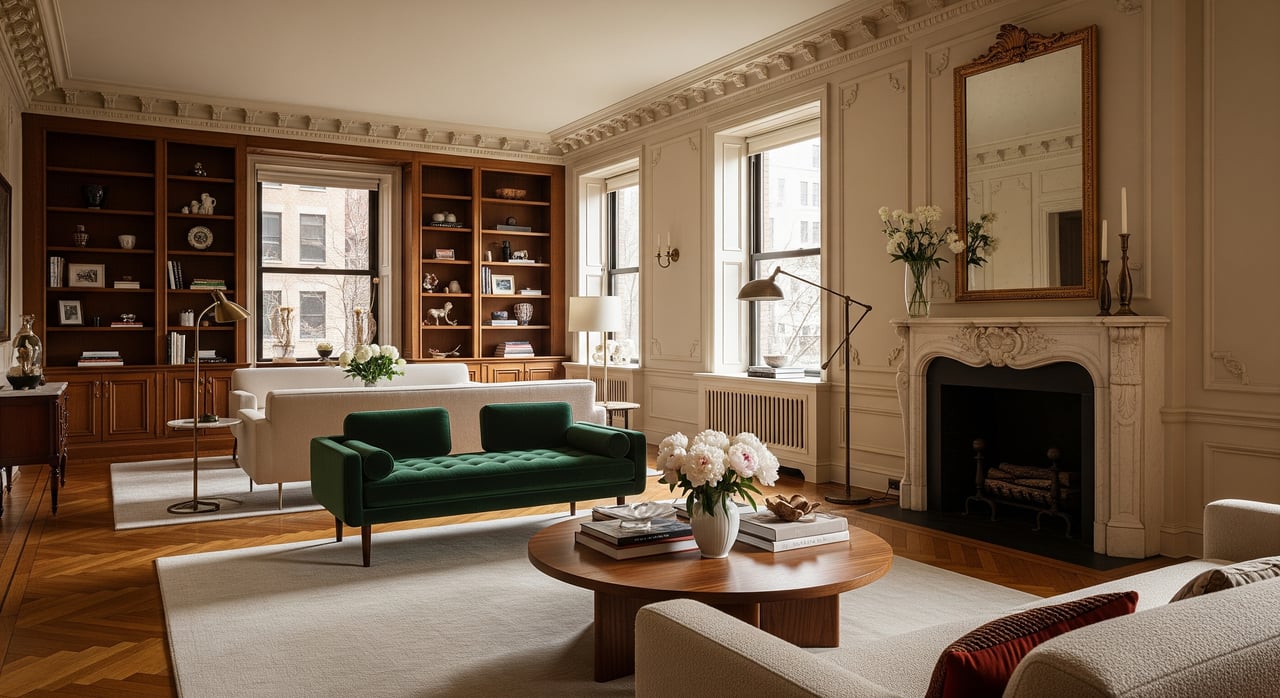
You’ll see a wide mix of homes: classic prewar co‑ops, grand park‑facing apartments, brownstones, and newer condominiums, especially near Columbus Circle and Riverside South. Co‑ops often involve a detailed board review, while condos can offer modern amenities and different financing structures. Block by block, the feel and price point can shift.
A recent neighborhood summary reported a roughly $1.2M median sale price for the broader Upper West Side in 2025, with median asking rents in the high‑$4,000s. Figures vary widely by building type, size, and exact location, and high‑end closings can skew medians. For context, review this Upper West Side market report and plan to confirm day‑of numbers before you set your budget.
What to expect by property type:
- Prewar co‑ops: gracious layouts, period details, and board packages that require preparation.
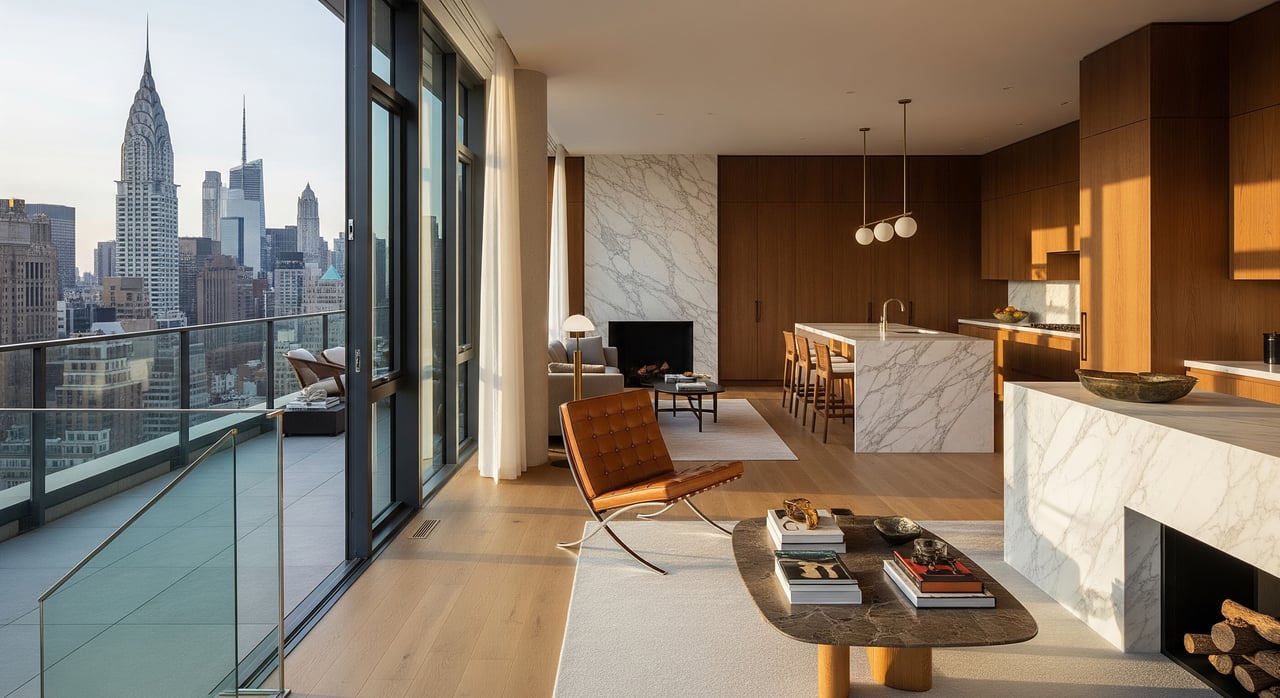
- Park‑view apartments: premium pricing for views and proximity, especially on Central Park West.
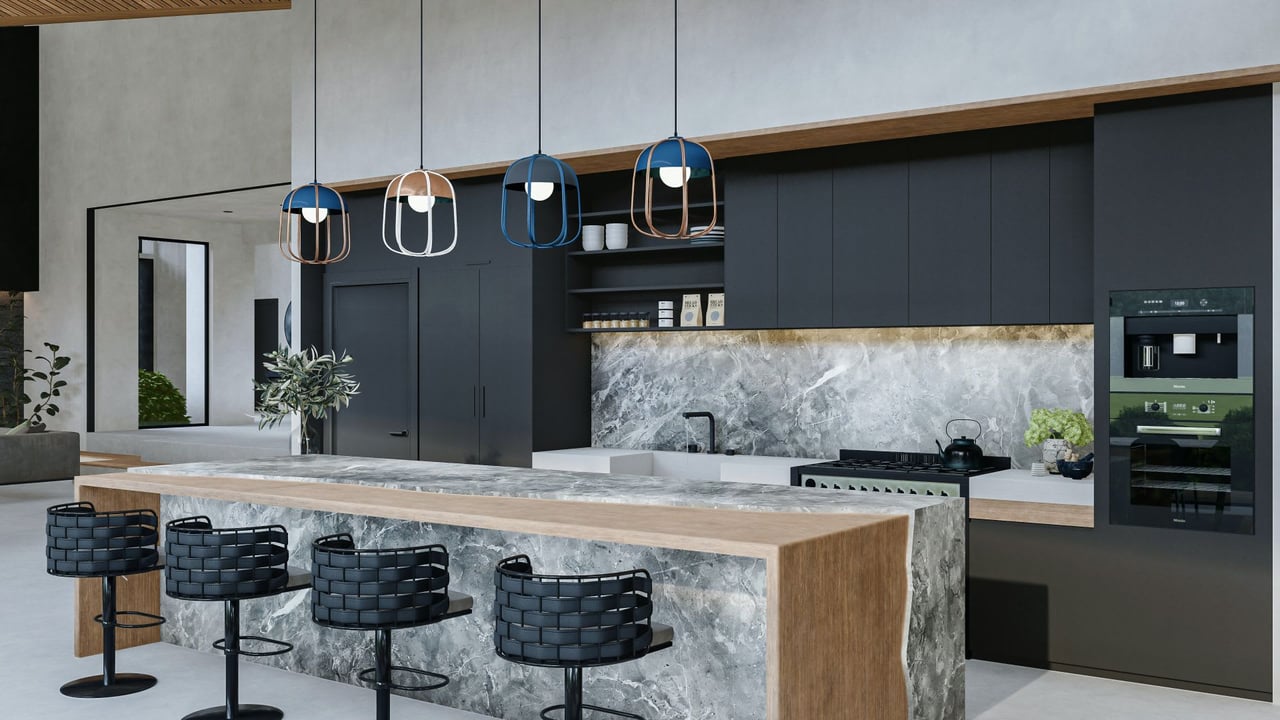
- Newer condos: contemporary finishes, amenity suites, and higher common charges that trade for flexibility.
- Brownstones and smaller buildings: unique charm and variety, with case‑by‑case rules.
If you want a strategic partner for co‑op boards, pricing, and timing, a calm, experienced team can reduce friction from offer to closing.
Schools and family logistics
Morning routines often revolve around short walks to local schools, park time for little ones, and quick grocery stops. Frequently referenced neighborhood public schools include P.S. 199 (Jessie Isador Straus) on West 70th Street and P.S. 87 (William Sherman) on West 78th Street. Zoning, admissions, and capacity change over time, and the city also offers specialty and private options. If schools are a priority, confirm current policies and zones with the NYC Department of Education before you decide.
Safety, pace, and trade‑offs
Like any major New York neighborhood, the Upper West Side has a mix of busy blocks and quieter streets. Long‑term crime rates are far lower than the 1990s, though short‑term changes and isolated incidents do occur. You can follow local trends through precinct reports and community updates. Expect weekend crowds near major museums, park entrances, and Lincoln Center on performance nights, and plan around transit work by checking advisories.
Is the UWS near Central Park right for you?
Choose this area if you want daily access to two major parks, strong cultural life, and a walkable grid with reliable transit. It suits buyers who value prewar character, co‑op communities, or modern condo amenities, and it offers investors stable demand across a broad renter base. If you enjoy mixing quiet side‑street living with city energy, the Upper West Side can feel like the best of both worlds.
When you are ready to explore listings, parse co‑op vs. condo trade‑offs, or plan a timing‑driven sale, connect with a local team that pairs boutique care with big‑platform marketing. Book a private consultation with Dana Sapir to get a tailored strategy for your next move.
FAQs
What are the Upper West Side boundaries near Central Park?
- The neighborhood runs from West 59th to West 110th Streets between Central Park and the Hudson River, covering Manhattan Community District 7.
How long is the Central Park Reservoir loop for runners?
- The Jacqueline Kennedy Onassis Reservoir loop is about 1.58 miles on a soft‑surface track between 86th and 96th Streets.
Which subways serve the Upper West Side and how long to Midtown?
- The 1/2/3 and B/C lines cover the area, with typical Midtown trips in about 10 to 25 minutes depending on your stop and service.
What are typical home prices and rents on the Upper West Side?
- A 2025 summary placed the median sale price around $1.2M and median asking rents in the high‑$4,000s, with wide variation by block and building.
What parks besides Central Park shape Upper West Side life?
- Riverside Park and the Hudson River Greenway offer waterfront paths, playgrounds, and bike routes that complement Central Park access.
How do public school options work on the Upper West Side?
- Families often reference P.S. 199 and P.S. 87, but you should confirm current zones and admissions with the NYC Department of Education before deciding.