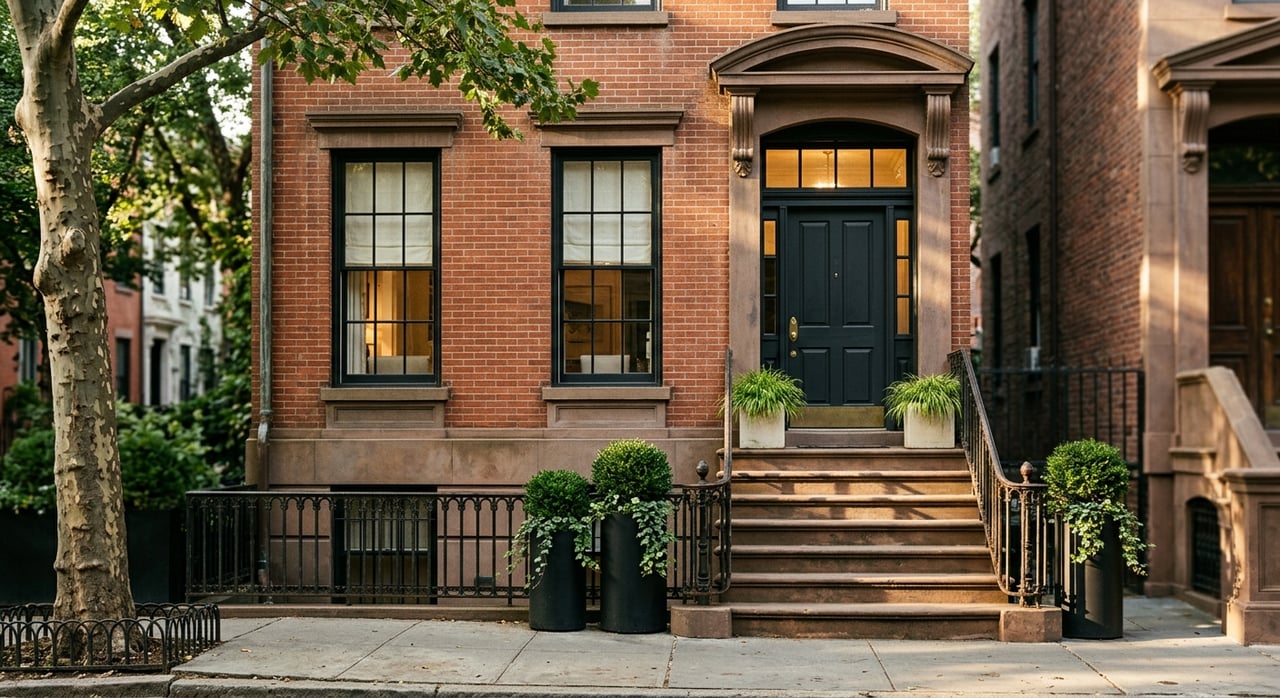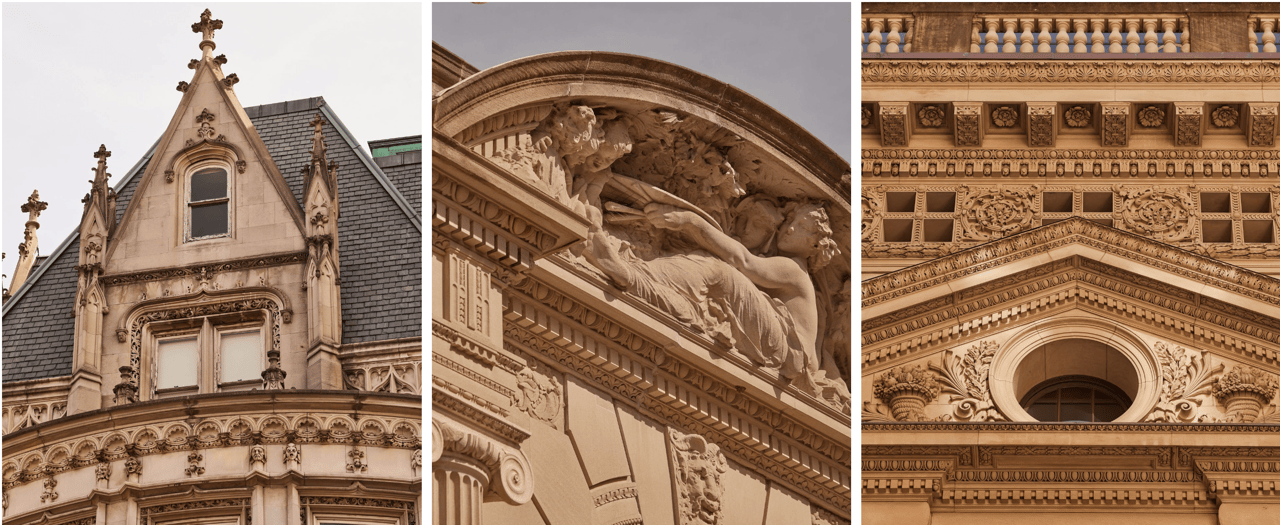
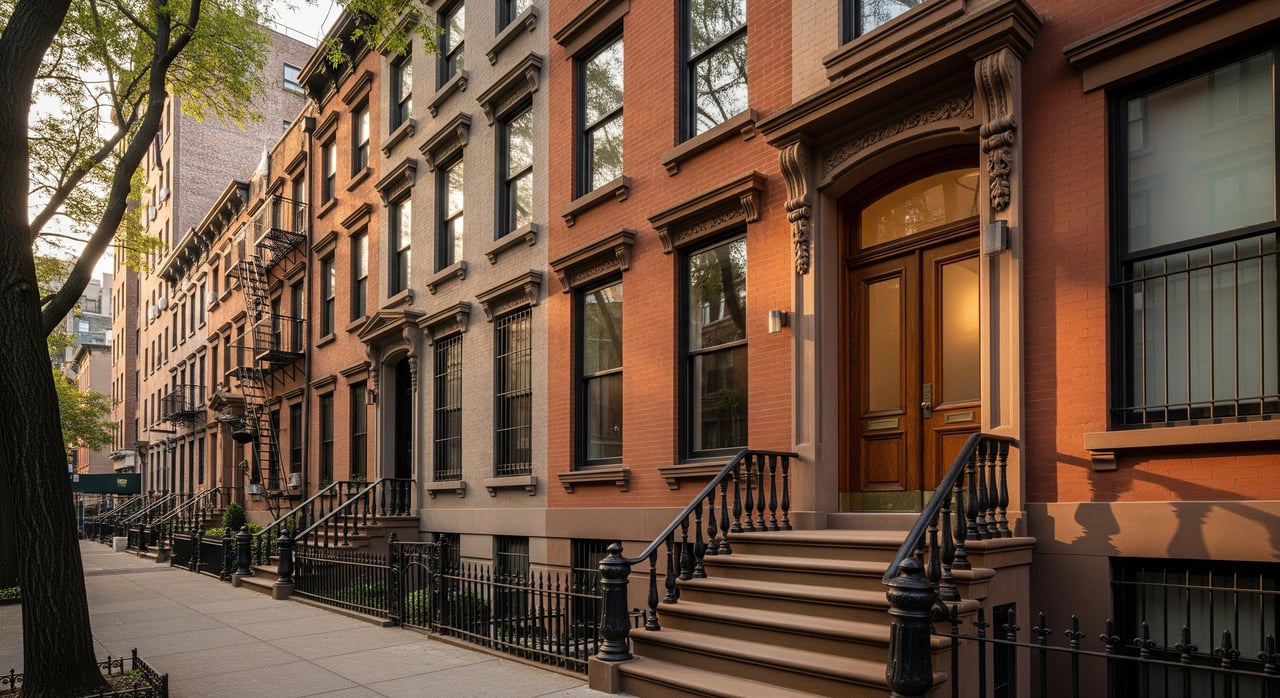
Thinking about opening up a kitchen, restoring a brownstone façade, or adding AC on your roof in Greenwich Village? If your building sits in a landmarked area, your renovation touches more than design—it adds a layer of approvals and timing you need to plan for. It can feel like a maze at first, but with a clear roadmap you can move from idea to permits to a clean sign-off.
In this starter guide, you’ll learn when Landmarks rules apply, how approvals align with Department of Buildings permits, what timelines to expect, and how your co-op or condo board fits into the process. Let’s dive in.
What is landmarked in Greenwich Village
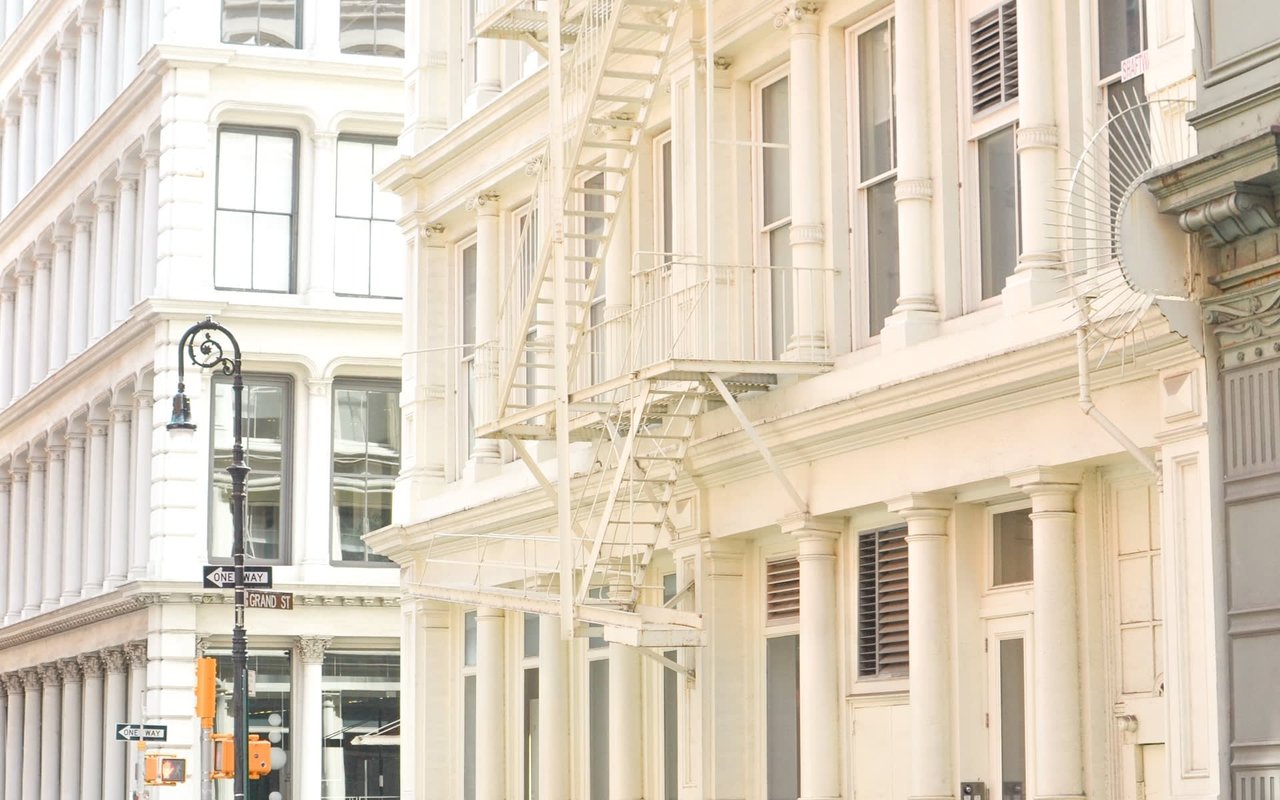
Greenwich Village includes several landmarked places and historic districts overseen by New York City’s Landmarks Preservation Commission (LPC). LPC jurisdiction generally covers changes that impact the historic character of the exterior streetscape.
Interiors are only regulated if the interior itself is officially designated. Typical interior renovations that don’t affect the exterior often fall outside LPC review. If your interior work needs an exterior change, like a roof vent or new opening, LPC review may be required.
When you need LPC approval
LPC approval is tied to how your work affects what is visible from a public way, such as the street or a park. The more visible or transformative the change, the more formal the review.
- Certificate of No Effect (CNE): Used when work has no impact on the landmarked resource, often for in-kind repairs or maintenance.
- Certificate of Appropriateness (CofA): Required for work that changes the exterior or a designated interior. Some CofAs are approved by LPC staff; others go to a public hearing before the Commission.
- Emergency and temporary permits are available for urgent stabilization or short-term needs.
Staff vs. Commission review
LPC staff can approve many routine, low-visibility items, including in-kind repairs or small mechanical changes. Projects that are prominent or involve new openings, rooftop additions, or demolition typically go to a public hearing.
Staff approvals tend to be faster. Commission hearings add scheduling and may involve public comment and revisions.
What LPC wants to see
Be ready with clear, complete materials. Most submissions include:
- Drawings and elevations showing existing and proposed conditions
- Photos of current conditions, including visibility from the street
- Material specifications, profiles, and finishes; historic documentation or mock-ups for major work
How LPC fits with DOB permits
LPC approval does not replace Department of Buildings (DOB) permits. Many projects require DOB filings prepared by a NYC-licensed architect or engineer, including structural, plumbing, and electrical work.
Owners often secure LPC approval first or coordinate submissions so DOB can accept plans that reflect LPC-approved exterior details. Additional permits from other agencies, like DOT for sidewalk or curb use, may also be needed.
Typical sequencing
- Early design and feasibility with an architect familiar with LPC and DOB.
- Optional LPC pre-application discussion to confirm review level.
- Submit to LPC for a CNE or CofA.
- File with DOB, incorporating LPC approvals as required.
- Secure co-op or condo board approval and sign alteration agreements.
- Obtain any DOT or sidewalk permits if needed.
- Begin construction and follow the approved details.
Timelines and budget expectations
Timeframes vary by scope, visibility, and completeness of your submission. Plan for the following general ranges:
- Minor, staff-level work: weeks to 1–2 months for LPC approval.
- Projects requiring a public Commission hearing: about 2–6 months or more.
- Complex scopes with significant exterior changes: 6–12+ months for approvals before construction.
Costs also trend higher in landmarked settings due to specialty materials and methods. Expect:
- In-kind materials and period-appropriate profiles for items like windows
- Skilled craftspeople for masonry, brownstone, and metalwork
- Added professional fees and longer soft-cost cycles
Build in contingencies for material lead times and potential design revisions.
Common design constraints in the Village
Windows and openings
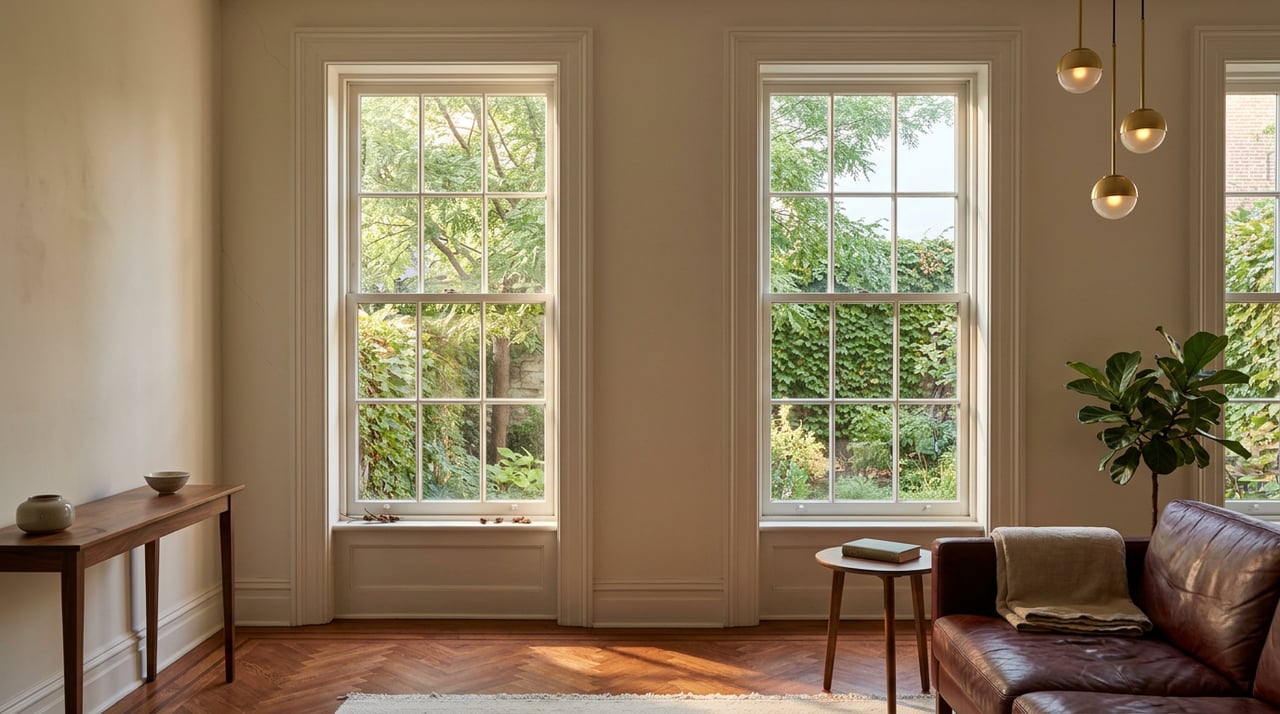
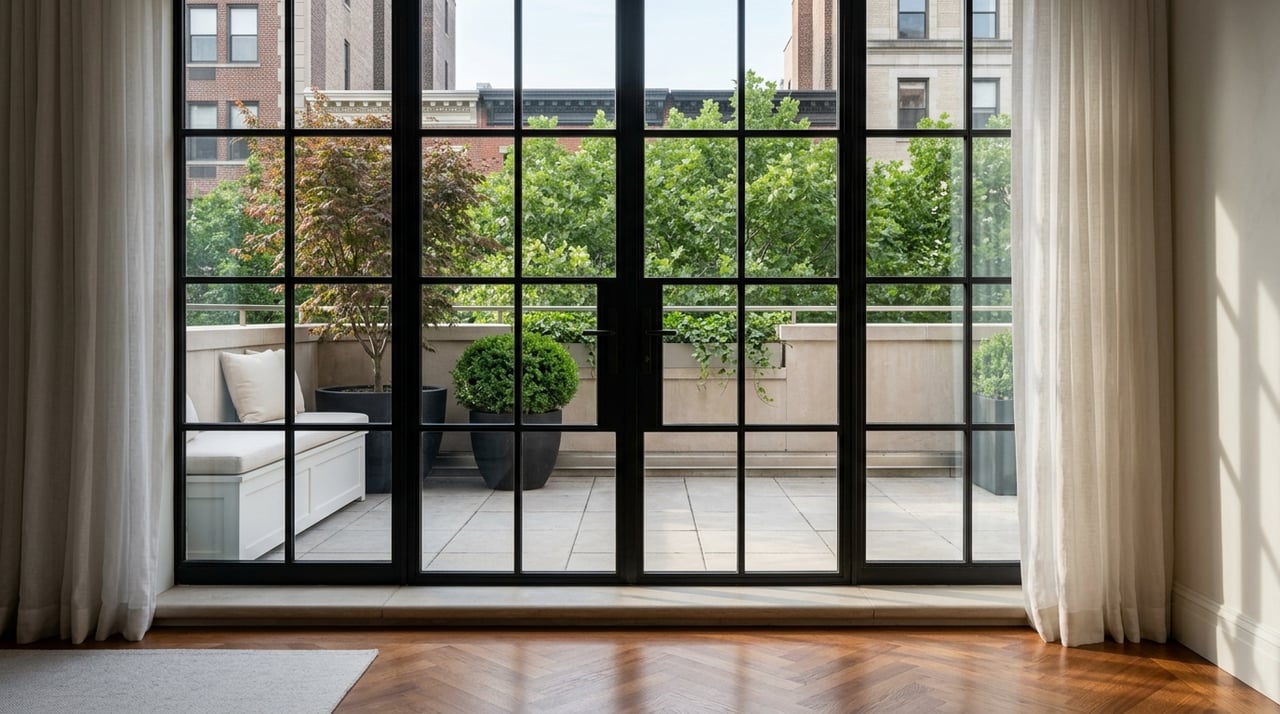
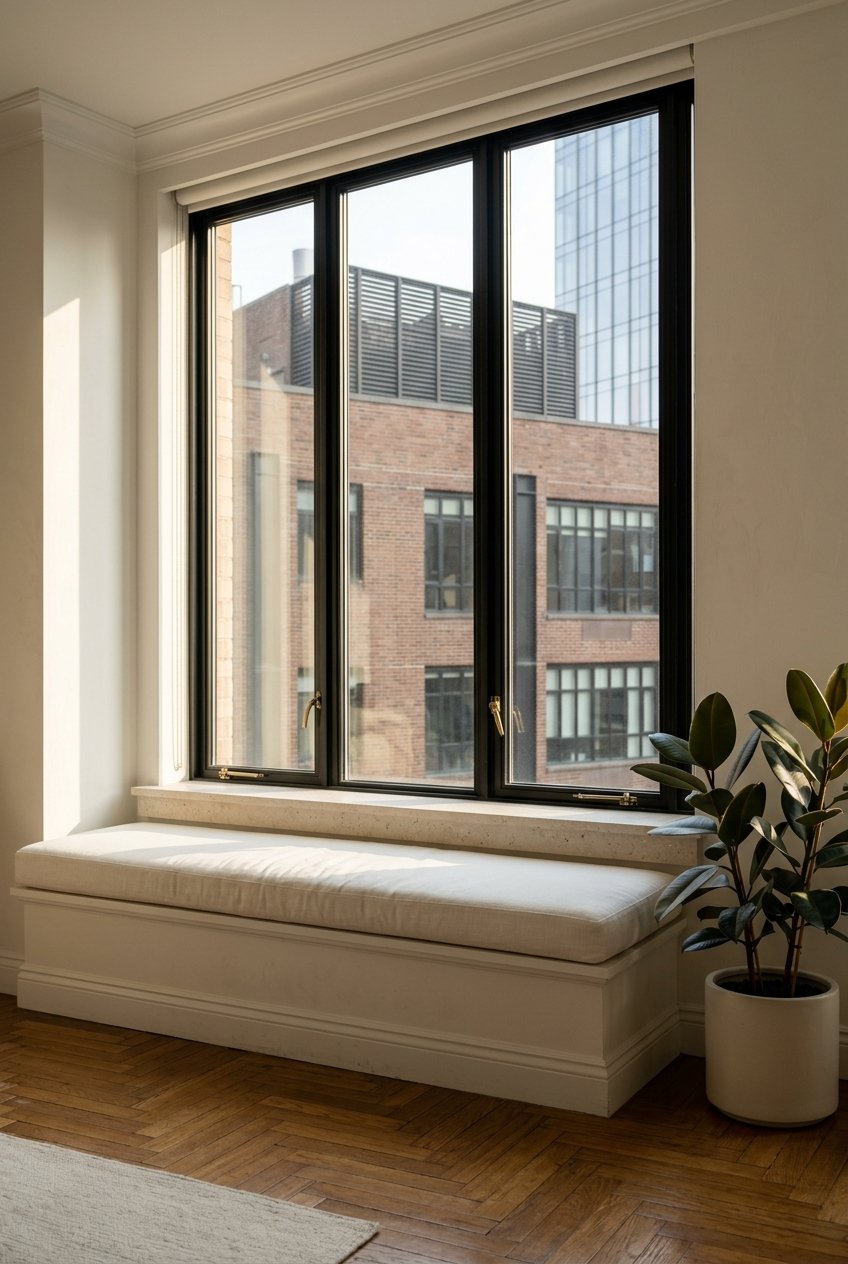
If windows are visible from the street, LPC often requires in-kind replacement that matches historic material and profiles. Changing the size or location of visible openings usually needs a Commission hearing. Interior storm windows or solutions that preserve the exterior profile may be acceptable.
Façade, masonry, and stoops
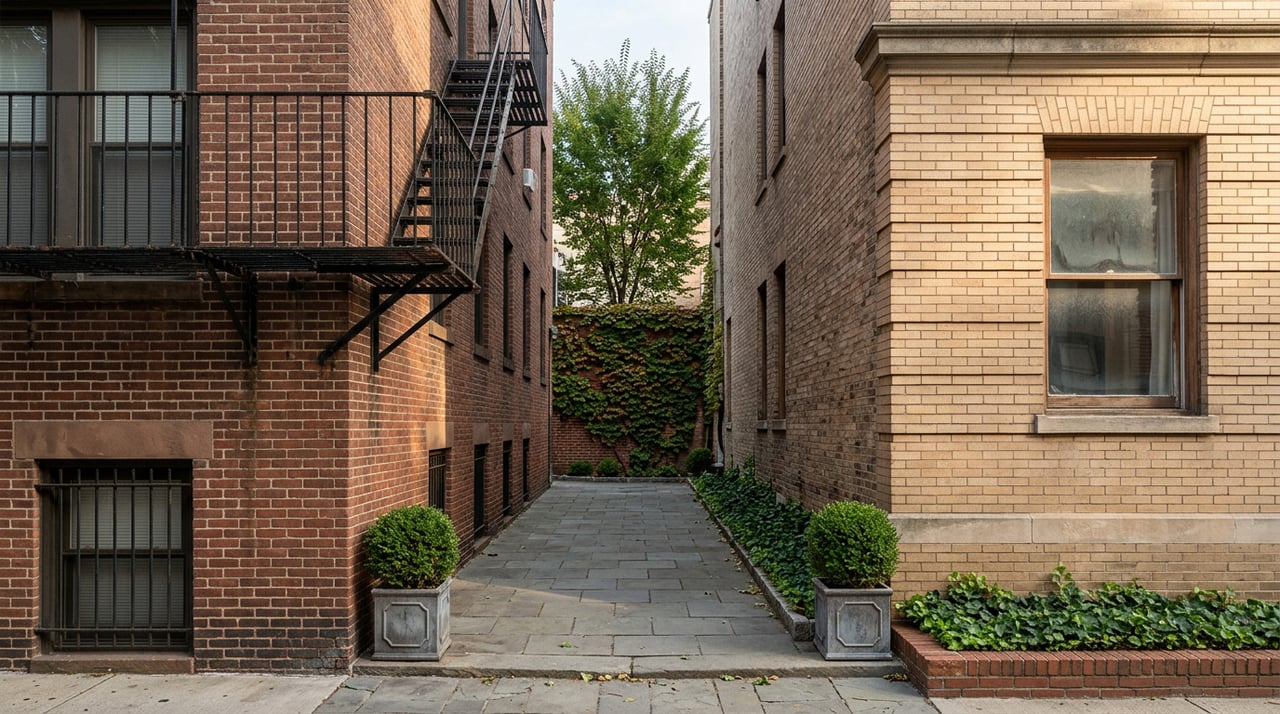
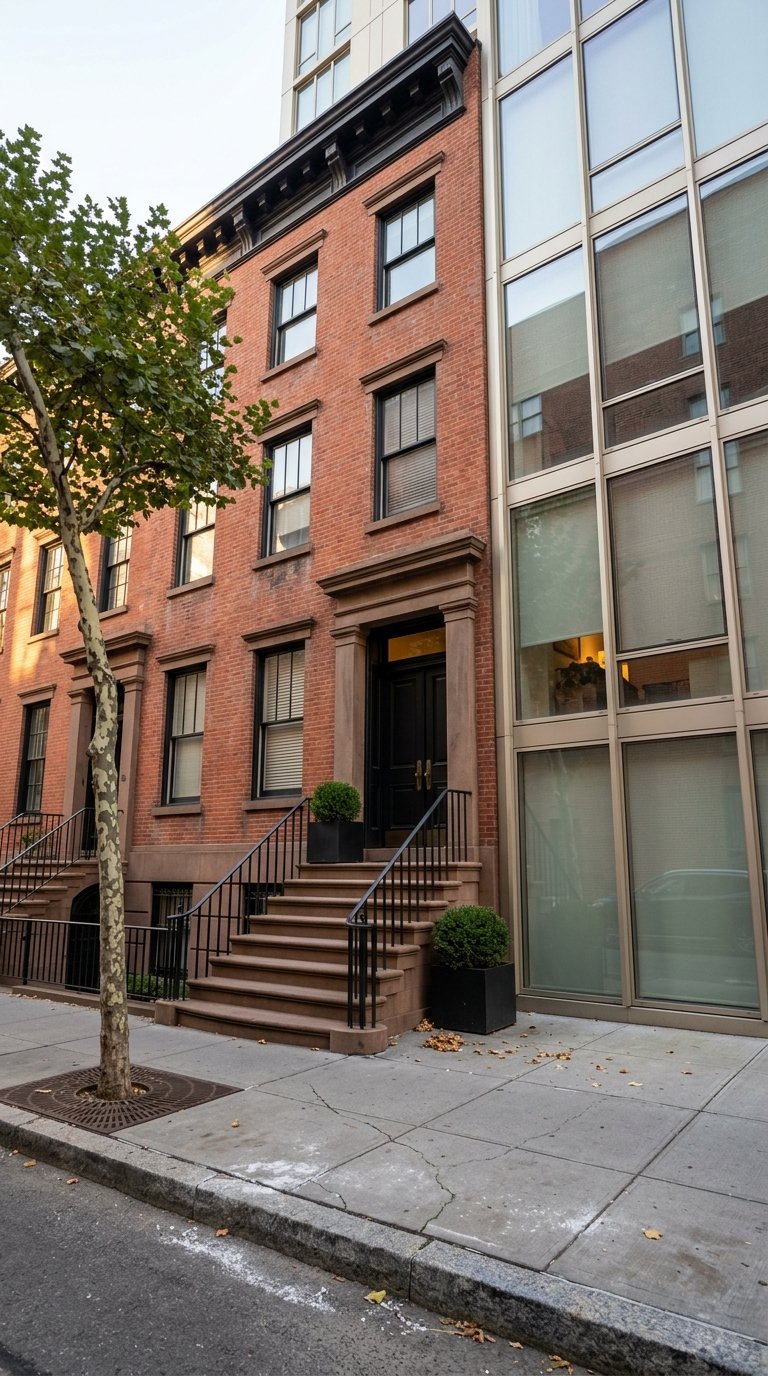
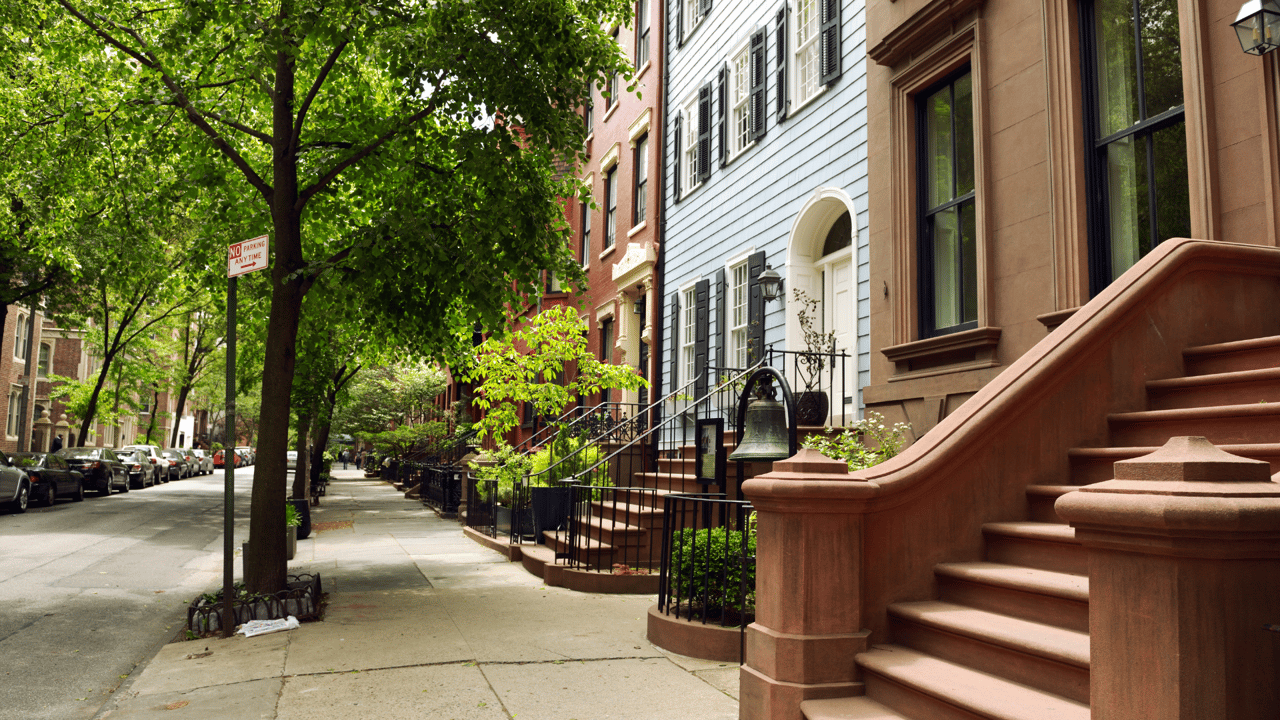
Repointing and brick replacement typically must match the original mortar composition, joint profile, and brick type. Brownstone and limestone repairs often need specialist conservators. Stoop work favors in-kind restoration.
Rooftop additions and mechanicals
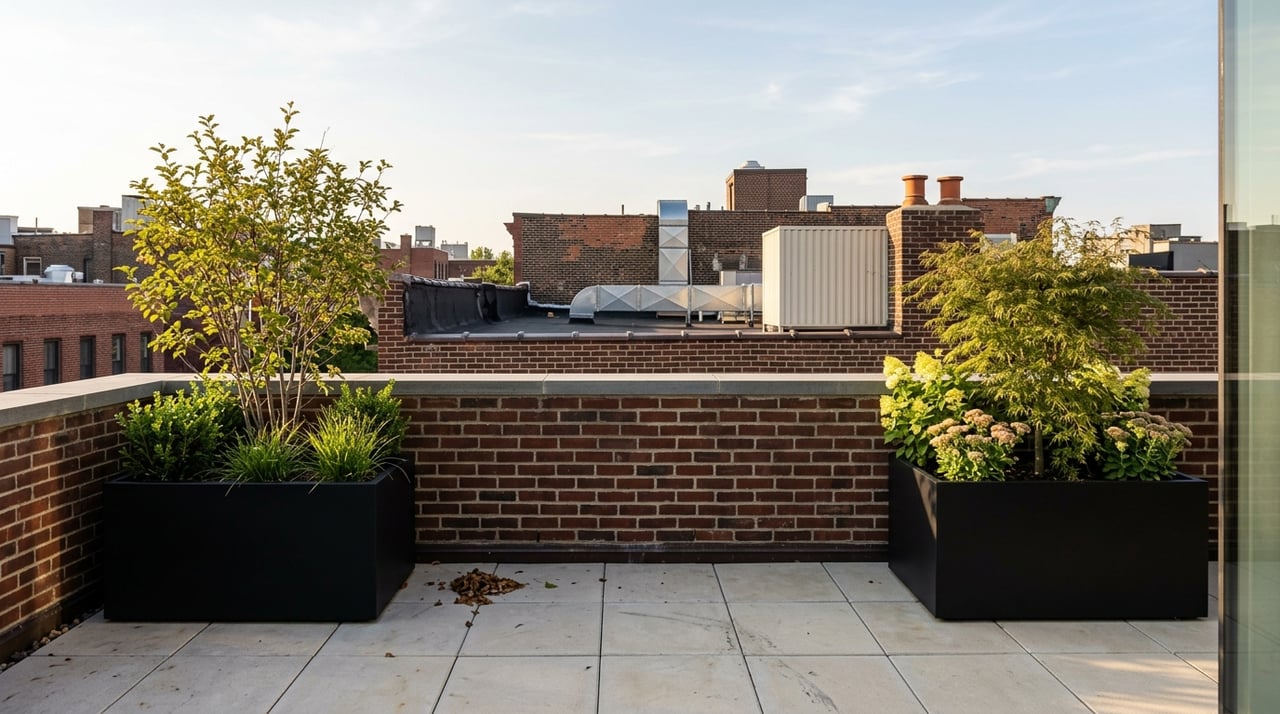
Rooftop additions must be carefully set back and often limited in height to reduce visibility. New rooftop equipment, such as HVAC condensers or solar arrays, is more feasible when it is not visible from public ways or is effectively screened.
Storefronts and signage
For commercial spaces, changes to storefronts, signs, and awnings are reviewed for compatibility with the historic streetscape. Oversized or internally illuminated modern panels are commonly discouraged.
Interior scopes
Interior alterations are not regulated unless your interior is a designated landmark. However, interior work that requires exterior changes, such as vents or new penetrations, can bring LPC review into play.
Co-op and condo board approvals
Even with LPC and DOB permits in hand, your building’s board likely requires a separate approval. Boards focus on protecting common areas, ensuring qualified contractors, and managing construction impacts.
Typical board requirements include:
- Detailed plans from a licensed design professional and a work schedule
- Contractor licenses, insurance, and references
- Construction deposits or escrow, indemnities, and alteration agreements
- Protection plans for corridors and elevators, delivery and debris rules
- Set working hours, noise limits, and final inspections before deposits are returned
Boards can set stricter building rules than LPC, especially for structural changes. Start early with management to align expectations and timelines.
A starter workflow
Use this simple checklist to keep your project moving:
- Confirm if your address is in a historic district or is an individual/interior landmark.
- Hire an architect with LPC and DOB experience.
- Consider an LPC pre-application touchpoint to confirm likely review level.
- Prepare coordinated documentation for LPC, DOB, and your board.
- Obtain LPC approval (CNE or CofA), then file with DOB.
- Secure board approval and execute alteration agreements.
- Pull any DOT permits needed for sidewalk or curb use.
- Build per approved details and keep records of all sign-offs.
Quick scenario examples
Replacing visible windows
If your windows face the street, expect LPC to require matching historic profiles and materials. Staff may approve in-kind replacements; profile or size changes often go to a hearing.
Adding a kitchen vent
If a vent pierces a visible façade or roofline, LPC review is likely. Placement, visibility, and screening will drive whether staff or Commission approval applies.
Placing rooftop HVAC
Equipment that cannot be seen from public ways has a smoother path. If visibility is unavoidable, set-backs and screening become key approval factors.
Final thoughts
Renovating in landmarked Greenwich Village is very achievable with the right plan, team, and timeline. Treat LPC, DOB, and your building board as a coordinated path, not separate hurdles. The earlier you align scope and visibility with Landmarks expectations, the smoother your approvals and construction will be.
If you’re weighing scope, budget, and board timing as part of a purchase or sale, connect with a local advisor who lives these details. For calm, strategic guidance and vetted vendor introductions across Manhattan, reach out to Dana Sapir.
FAQs
Do I need LPC approval for a kitchen or bath remodel?
- LPC does not regulate typical interiors unless your interior is designated. If your remodel needs a new exterior vent or opening, LPC review may be required.
How long do approvals take before construction?
- Minor staff-level items can take weeks to 1–2 months. Projects that need a Commission hearing often take 2–6 months or more before construction.
Can I install vinyl windows to save money?
- If the windows are visible from the street, LPC typically requires replacements that match historic material and profiles, often wood rather than vinyl.
What happens if I start work without approvals?
- LPC enforces landmarks rules and can issue violations that require remediation. DOB enforces building code and permits, and your board can enforce building agreements.
Why do I need board approval if I have LPC and DOB permits?
- Boards protect building operations and common areas. They can set stricter requirements, request deposits, and manage logistics like hours, protections, and final inspections.