
If your Hell’s Kitchen condo is competing with glossy new luxury towers, you are not alone. Buyers in this part of Manhattan are comparing resale apartments with sponsor units that promise fresh finishes, amenity packages, and in some cases incentives that change the real monthly math. The good news is that an older condo does not need to imitate a tower to compete well. With the right pricing, presentation, and story, you can position your home clearly and confidently. Let’s dive in.
Understand the real competition
In Hell’s Kitchen, your condo is not just competing against nearby resales. It is also competing against a steady supply of newer development in and around the neighborhood, where buyers often expect polished finishes, convenience, and lifestyle amenities.
StreetEasy currently shows 357 Hell’s Kitchen homes for sale, with a median asking price of $1.165 million. It also shows 34 new developments with a median asking price of $1.35 million. That pricing spread matters because it shows buyers are already sorting homes into different value tiers.
CityRealty’s Midtown West data tells a similar story. For the first half of 2025, median condo pricing was reported at $1.3925 million, while co-op pricing was $571,250, with projected sales up 6%. In practical terms, that means buyers are active, but they are also comparing product types very carefully.
Why Hell’s Kitchen is different
Hell’s Kitchen has a built-in contrast that many Manhattan neighborhoods do not. Community Board 4 and city planning materials describe the area as part of a preservation-minded framework shaped by the Special Clinton District, which was created to protect the neighborhood’s residential core and balance small-scale mixed-use character with growth nearby.
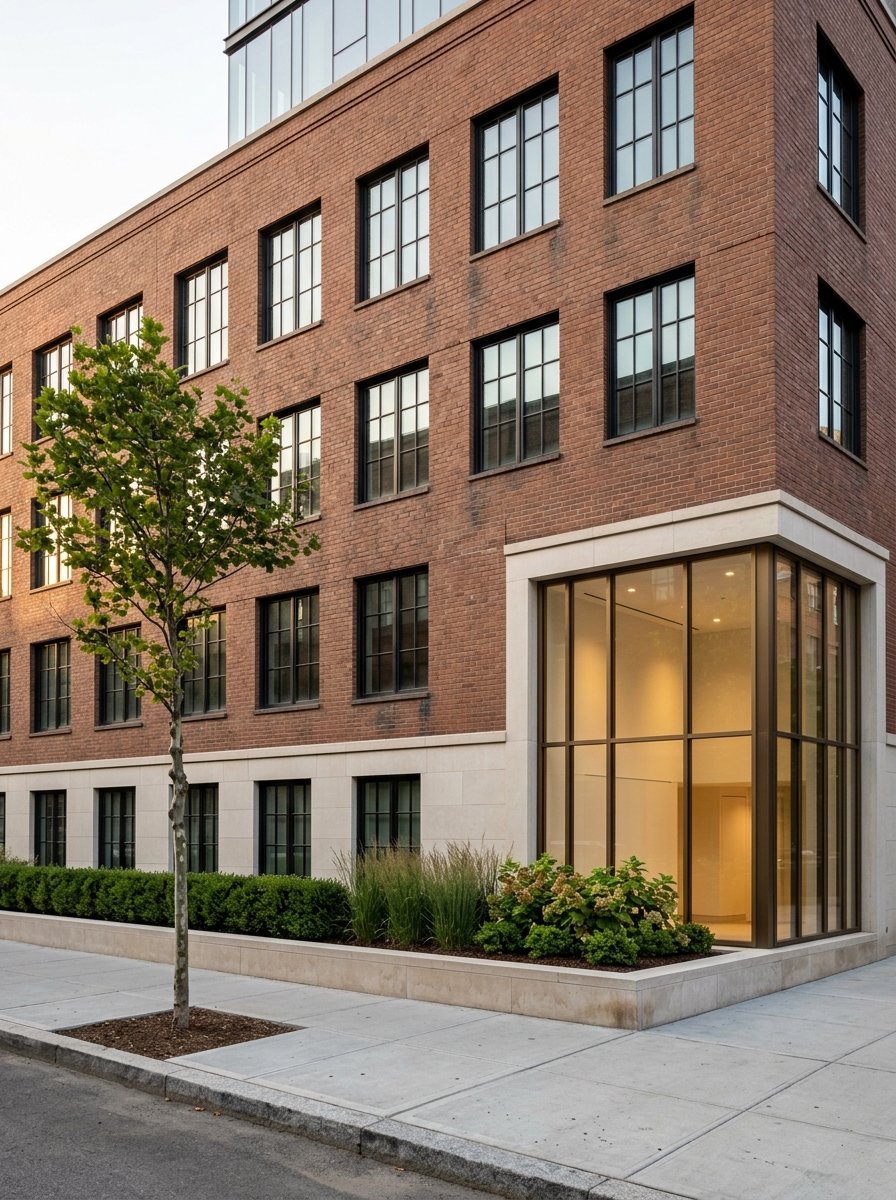
That history helps explain why the neighborhood still has a meaningful stock of older, lower-rise buildings even as new towers continue to rise nearby. For sellers, this is important. It means your condo may appeal to buyers who want central Manhattan access without fully buying into a tower lifestyle.
See new towers the way buyers do
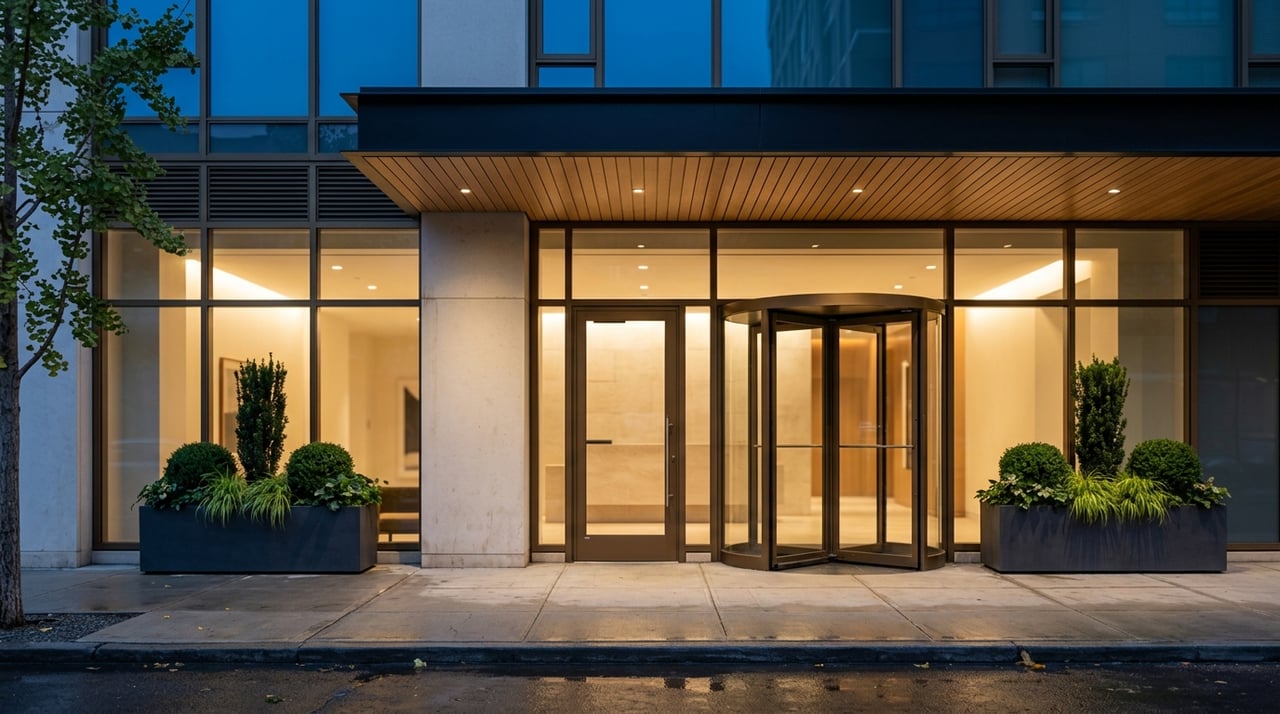
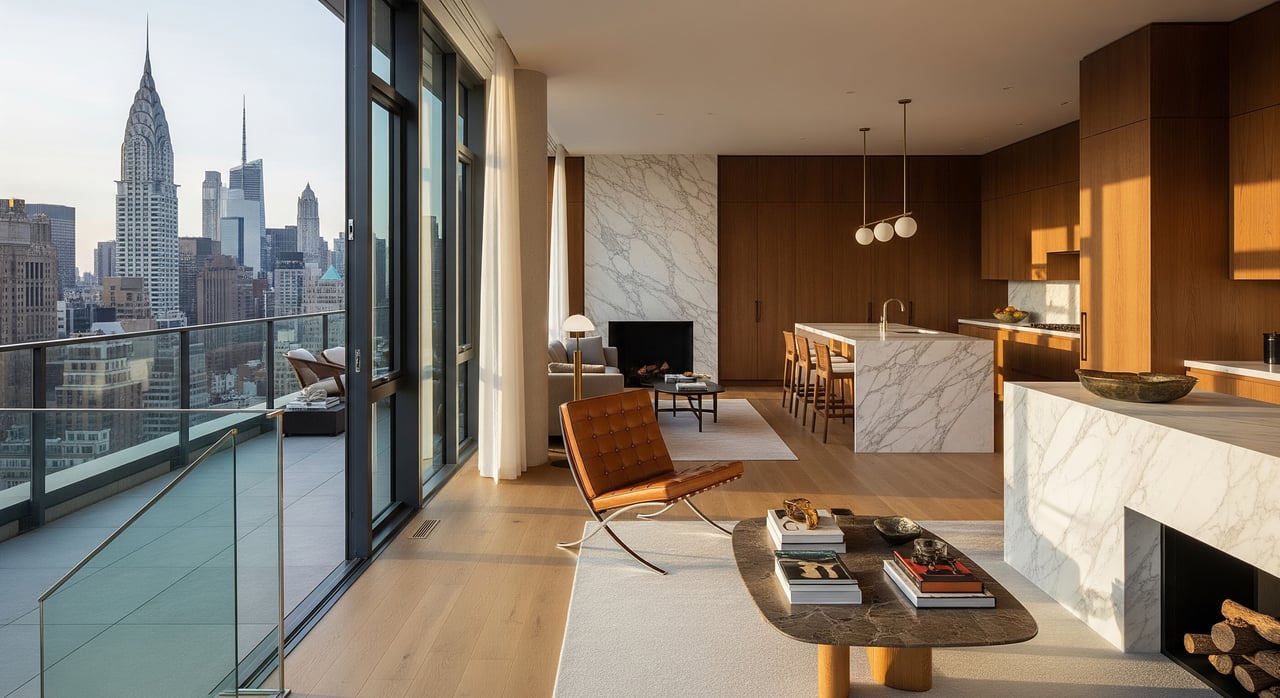
New-development buildings are not just selling square footage. They are selling a package of ease, polish, and amenities that can shape buyer expectations before they ever step into your apartment.
For example, The West Residence Club at 547 West 47th Street promotes a 30,000-square-foot amenity experience, including a rooftop pool, fitness and wellness offerings, guest suites, and furnished residences. CityRealty also notes that both The West Residence Club and LightSquare have used sponsor-paid common charge or tax-credit incentives.
Incentives change the comparison
This is where many sellers make a mistake. Buyers may not compare your condo only to the list price of a new tower unit. They may compare it to the effective cost after incentives, reduced carrying costs, or temporary credits.
That means your pricing strategy needs to go deeper than headline numbers. You need to position your condo against the all-in economics of newer competition, not just against the asking price posted online.
Price around total ownership cost
In a tower-heavy market, the safest pricing strategy is to benchmark against both local resale comps and the effective economics of nearby new development. That includes asking price, monthly carrying costs, sponsor concessions, and any tax benefits that may lower first-year ownership costs.
This matters because monthly costs can tell a very different story from purchase price alone. A condo with manageable common charges and taxes may feel more compelling than a newer unit with a higher monthly burn, even if the newer building looks flashier at first glance.
Monthly costs can be your edge
CityRealty notes that condo common charges do not include property taxes, while co-op maintenance fees do include property taxes and other building costs. That distinction matters when buyers compare options side by side.
The New York City Department of Finance also offers a co-op and condo tax abatement for eligible primary-residence units. If your apartment qualifies, that can strengthen your value story and deserves clear attention in your marketing.
Avoid pricing like a tower
One of the biggest risks for an older apartment is trying to chase new-development pricing without new-development features. Unless your condo truly offers comparable finishes, light, views, and layout, buyers will usually see through that strategy quickly.
Instead, your goal is to look like the smart purchase. In many cases, the strongest positioning is not “just like new development,” but “better value in the same central location.”
Upgrade what buyers notice first
You do not need a full gut renovation to improve your competitive position. In fact, the most effective pre-listing work is often targeted, practical, and focused on the rooms that shape first impressions.
Research cited in the report shows that kitchen and bathroom updates tend to deliver the strongest resale payback. A complete kitchen renovation recoups an estimated 60% of cost at resale, while a bathroom renovation recoups about 50%.
Focus on kitchens and baths
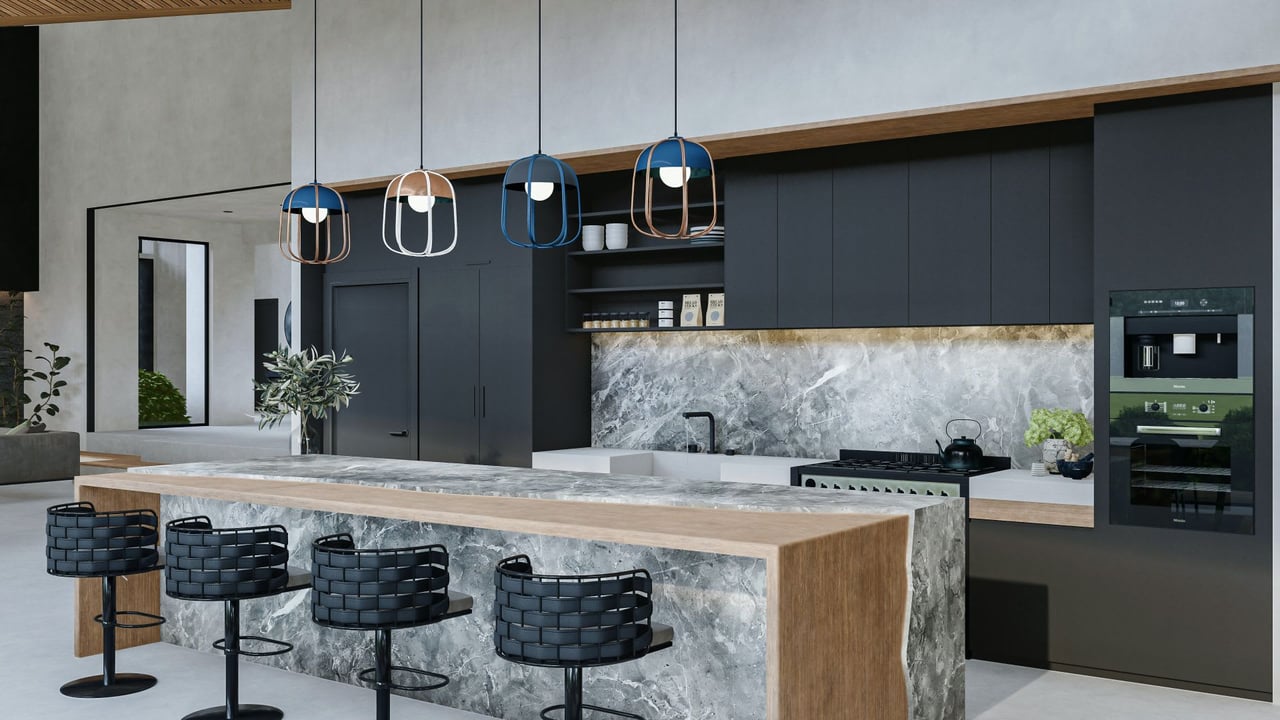
The kitchen remains one of the most important rooms in resale. Buyers tend to respond best to timeless, neutral finishes rather than highly personal design choices that make the home feel taste-specific.
The report also notes that New York buyers often favor open or semi-open kitchens because they improve flow and benefit from natural light and ventilation. If your kitchen feels closed off or visually heavy, even small changes can make a meaningful difference.
Refresh instead of over-renovate
A smart pre-listing plan often looks like this:
- improve lighting
- reduce visual clutter
- refresh paint in neutral tones
- update dated kitchen details
- update dated bathroom details
- improve storage presentation
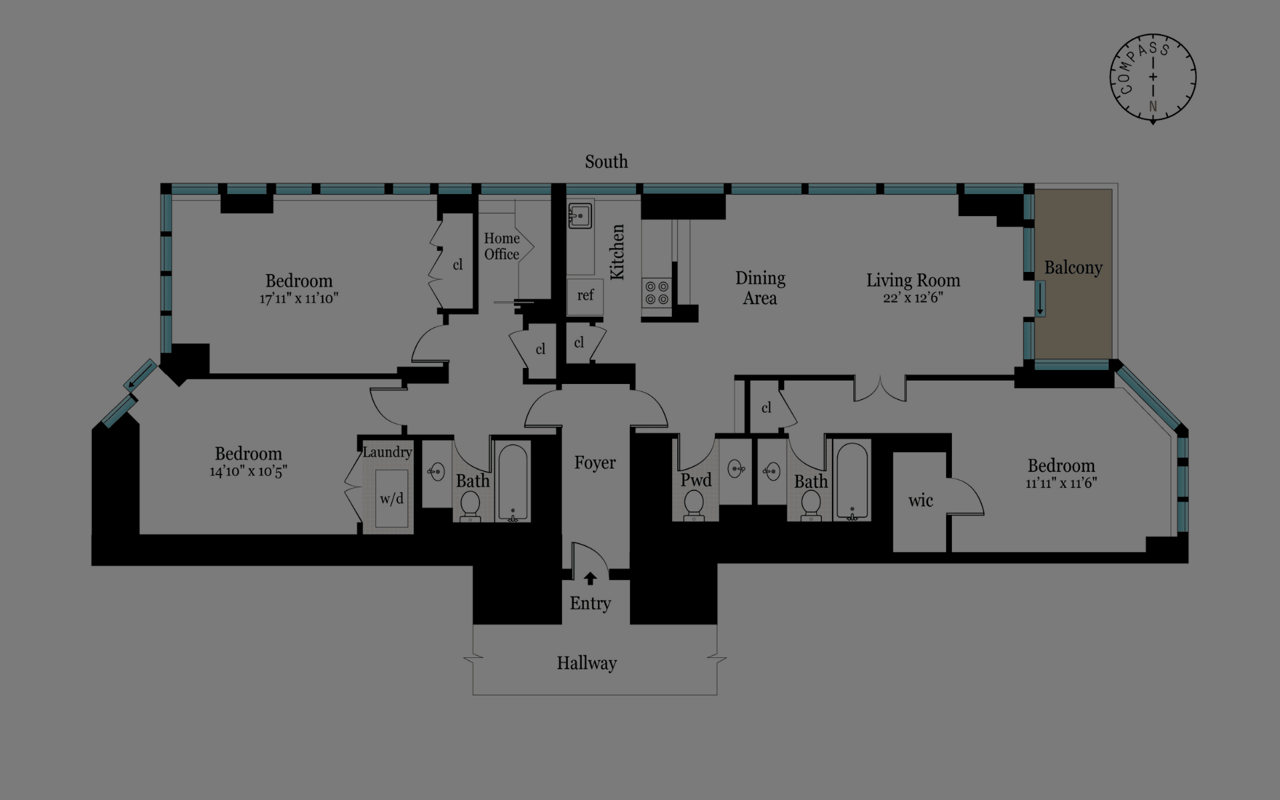
- make the layout feel brighter and easier to understand in photos
NAR guidance in the report also notes that a contemporary light fixture or a fresh neutral presentation can sometimes modernize a space without a full remodel. For many sellers, that is the right level of investment.
Lead with what towers cannot copy
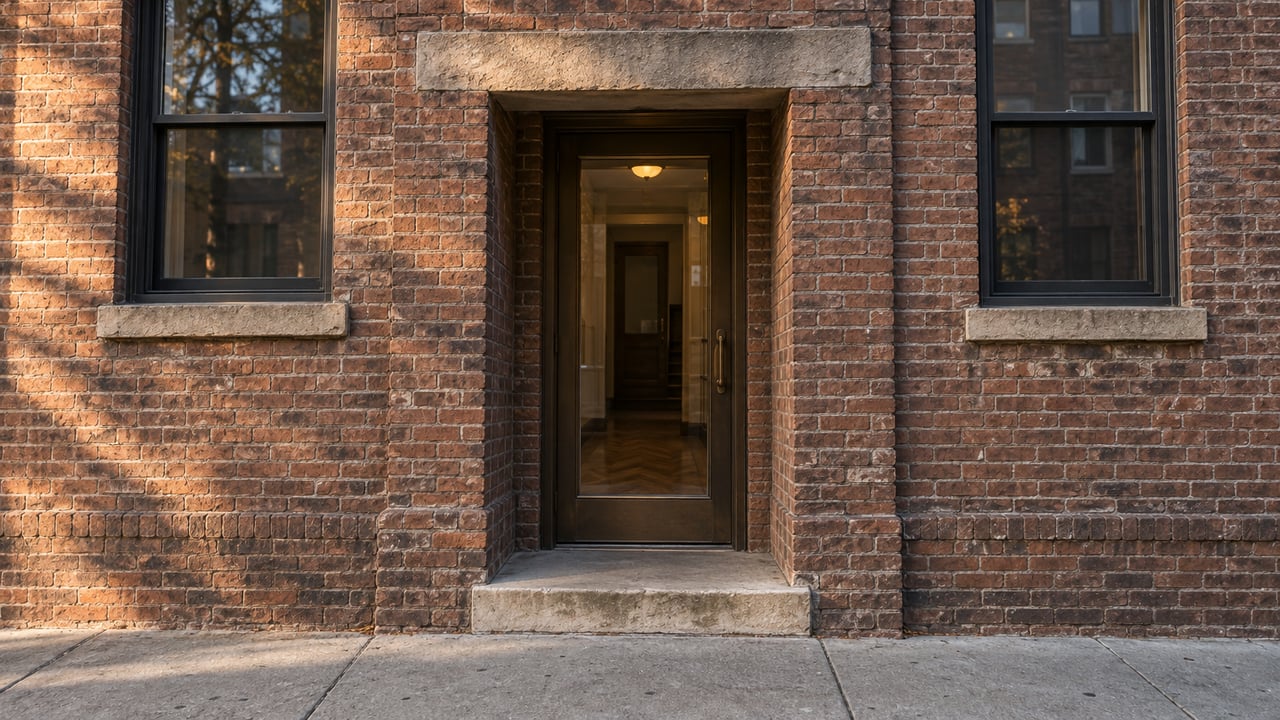
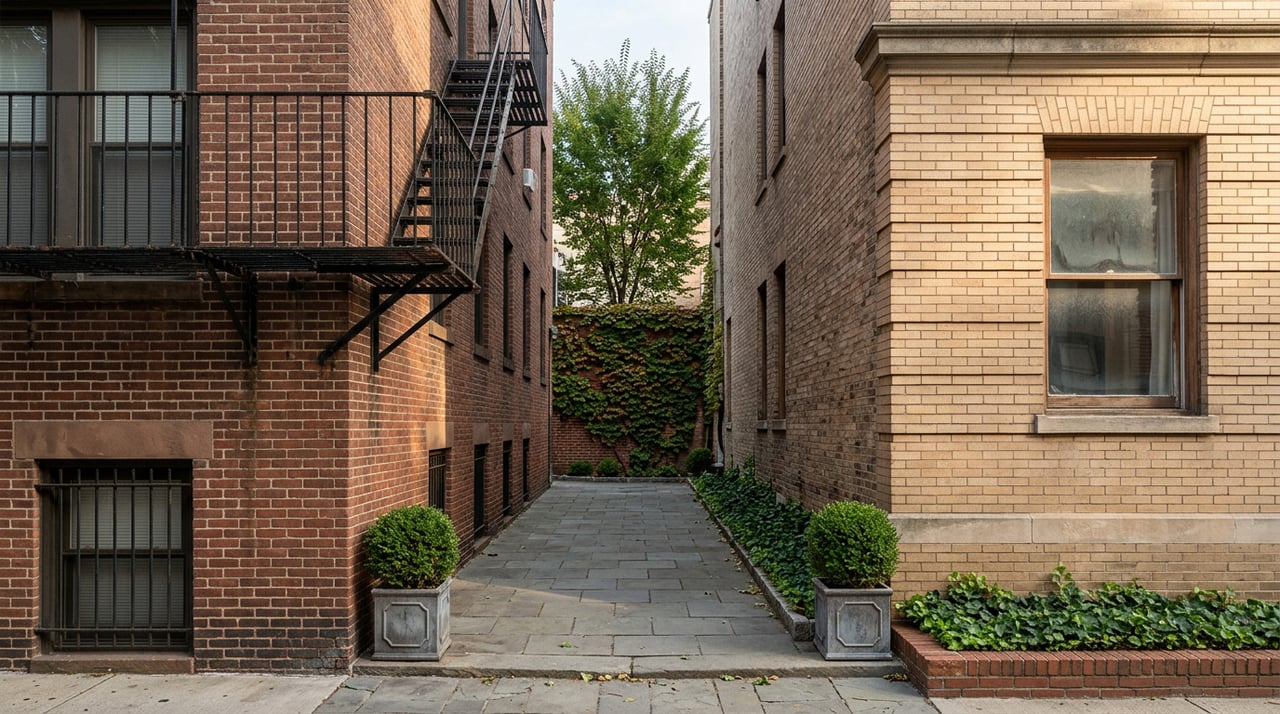
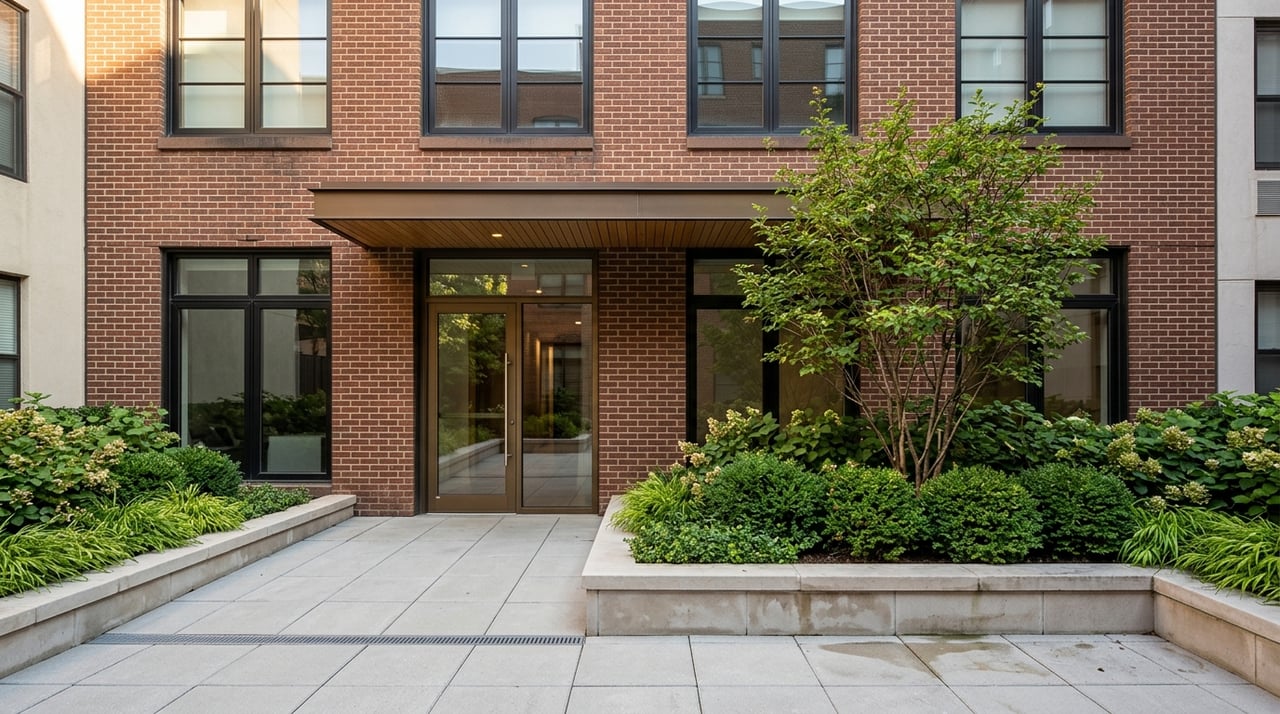
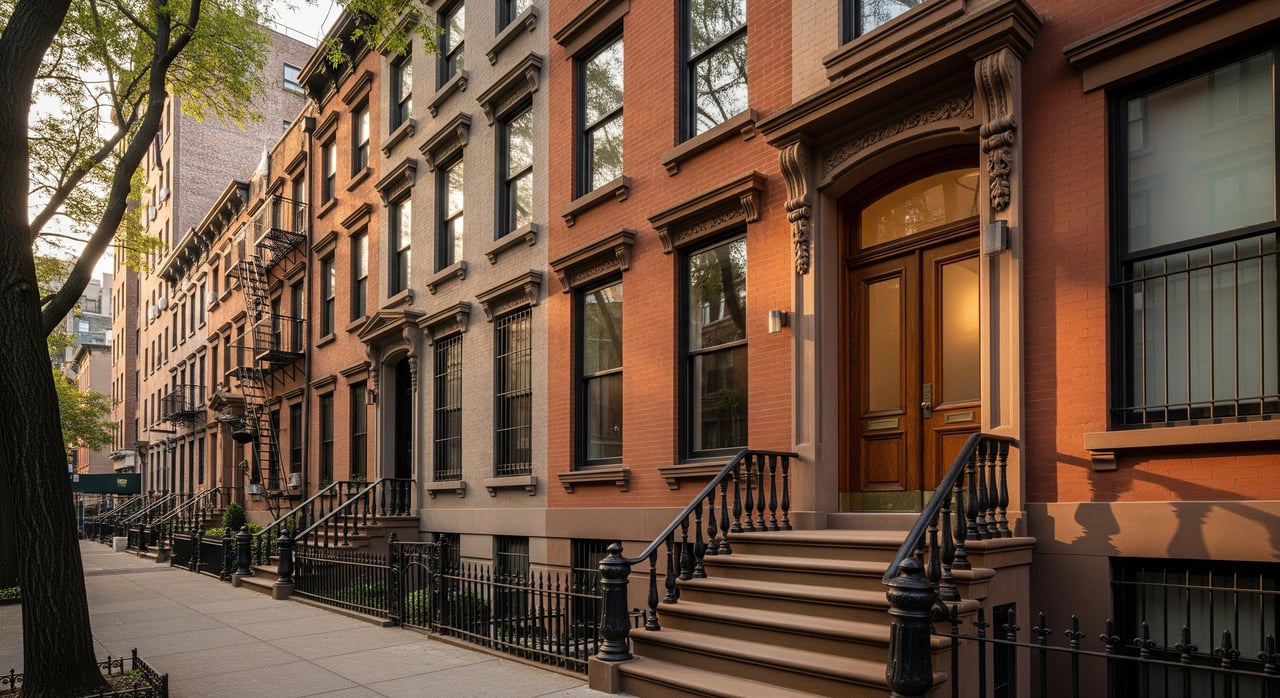
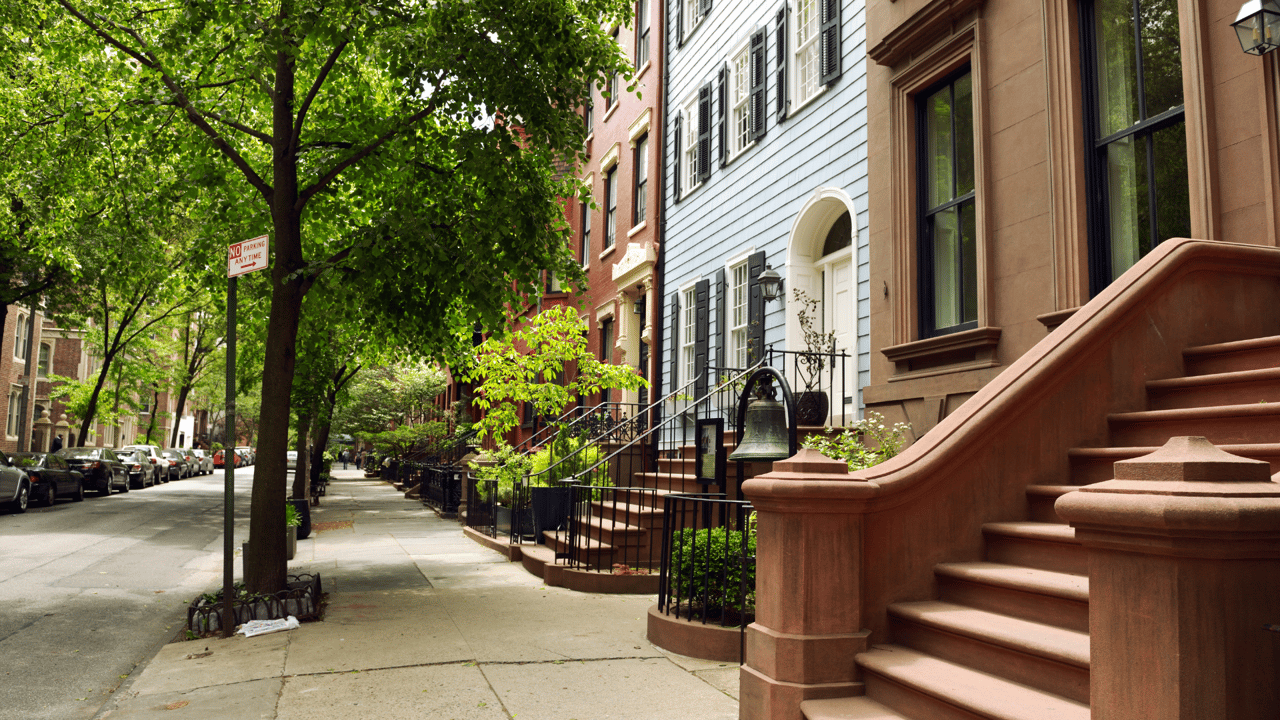
If your condo is in an older Hell’s Kitchen building, your best marketing angle may be the very thing a new tower cannot replicate. The neighborhood’s preserved streetscape, smaller-scale building pattern, and established texture can be part of a compelling lifestyle story.
City planning materials on the Special Clinton District describe a framework intended to keep new construction in scale with existing block patterns. That gives many existing buildings a natural advantage in how they live and feel, especially for buyers who want more intimacy and neighborhood character.
Position character as a benefit
This does not mean leaning on vague charm. It means being specific about what your apartment offers that feels more grounded and livable.
Depending on the home, that may include:
- a more intimate building scale
- a practical layout without oversized shared spaces folded into monthly costs
- established block context
- a more transparent ownership picture
- central Manhattan access without new-tower pricing
When this story is paired with realistic pricing, it becomes much more persuasive.
Sell the location with discipline
Location remains one of Hell’s Kitchen’s most durable strengths. Community Board 4 places the neighborhood within Manhattan’s west-side corridor between 14th and 59th Streets, with adjacency to Midtown, Times Square, and Hudson Yards, along with strong subway and bus access.
For buyers, that convenience is often a major reason to focus on Hell’s Kitchen in the first place. Your marketing should connect the apartment to that location value clearly, while staying grounded in facts and avoiding exaggerated claims.
The strongest message for sellers
In this market, the most effective position is usually simple and strategic. You are offering a well-located Manhattan home with a clear ownership story, more transparent monthly economics, and a lifestyle that may feel more personal than a large new tower.
If your building has favorable carrying costs, a tax abatement, or a strong management record, those details should be front and center. They directly answer the question buyers are already asking: why choose this apartment over a sponsor unit nearby?
Build a launch strategy around clarity
Once the apartment is priced and prepared, presentation becomes critical. This is where disciplined marketing can make an older condo feel current, polished, and competitive from the first showing.
A strong launch should make the value story easy to understand in seconds. Professional photography, thoughtful staging, and clean listing copy can help buyers see the upside immediately instead of getting stuck on what is not brand new.
What your marketing needs to show
Your listing should make three things obvious:
- The price makes sense in the context of both resales and nearby new development.
- The monthly cost story is clear and easy to compare.
- The lifestyle is distinct from a tower in a way that feels intentional, not compromised.
That is the positioning framework that tends to work best in Hell’s Kitchen right now.
If you are weighing when to list or how much to invest before going live, a strategic plan matters more than a generic update checklist. A measured seller strategy can help you protect value, avoid over-improving, and present your condo in the strongest possible lane. For tailored guidance on pricing, pre-listing preparation, and launch strategy in Manhattan, book a private consultation with Dana Sapir.
FAQs
How should a Hell’s Kitchen condo seller price against new luxury towers?
- Compare your apartment against both resale comps and the effective cost of nearby new development, including monthly carrying costs, incentives, and any eligible tax benefits.
What upgrades matter most when selling an older Hell’s Kitchen condo?
- Kitchen and bathroom refreshes, better lighting, neutral paint, reduced clutter, and a brighter overall presentation usually matter more than a full gut renovation.
How do new-development incentives affect a Hell’s Kitchen resale listing?
- Buyers may compare your condo to the net cost of a new unit after sponsor-paid common charges or tax-related incentives, not just the sticker price.
What value story works best for an older Hell’s Kitchen condo?
- The strongest story is usually a mix of realistic pricing, clear monthly costs, central location, and the character or scale that many existing buildings offer.
Why does neighborhood context matter when marketing a Hell’s Kitchen condo?
- Hell’s Kitchen includes a preserved residential core shaped by the Special Clinton District, which helps explain why smaller-scale buildings and established streetscapes remain an important part of the area’s appeal.