If you want a Manhattan rental property with real energy behind demand, the Lower East Side deserves a close look. This is not a quiet, park-first neighborhood, and that is exactly why many renters choose it. For the right buyer, an LES condo can offer a compelling mix of transit access, downtown lifestyle appeal, and long-term rental relevance. Let’s dive in.
Why renters choose the Lower East Side
The Lower East Side has a distinct identity that helps it stand out in Manhattan’s rental market. StreetEasy describes the neighborhood as noisy, edgy, and irreverent, and local planning documents note that bars, small night clubs, live music venues, and performance spaces are concentrated between Clinton and Ludlow north of Delancey.
That matters because renter demand is often tied to how people want to live day to day. In the LES, convenience, dining, nightlife, and downtown character are major draws. Many renters are making an intentional tradeoff: they are choosing access and atmosphere over a quieter, more residential feel.
Transit is another major strength. The Delancey St-Essex St complex serves 68,000 riders per day, and the MTA identifies direct service there on the F, J, M, and Z lines, with additional F line access at East Broadway. For renters, that kind of connectivity can widen the pool of people willing to pay for location.
LES rental market signals to watch
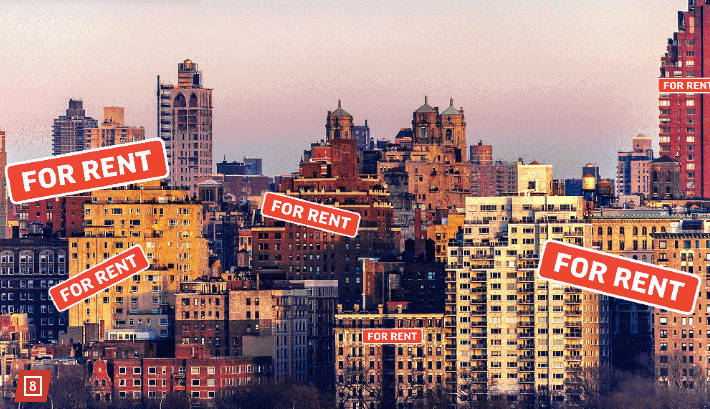
For investors, the Lower East Side sits within a Manhattan rental market that remains tight, even if pricing is not perfectly uniform from building to building. StreetEasy listed the Lower East Side median base rent at $4,500, while Manhattan’s median asking rent was reported at $4,700 in February 2026.
At the borough level, StreetEasy reported Manhattan rental inventory down 3.3 percent year over year. It also found price cuts on 14.3 percent of rentals and concessions on 17.5 percent of rentals. That suggests a market where demand is still meaningful, but landlords and owners may need to stay disciplined on pricing and unit presentation.
Citywide vacancy adds important context. HPD reported a net rental vacancy rate of 1.4 percent, a historic low. For an LES investor, that is a reminder that even when some buildings offer incentives, the broader supply picture across the city remains constrained.
StreetEasy’s 2026 outlook also noted that rents are likely to grow faster because vacancy remains low, and that pre-war units in transit-rich areas have seen sharper asking-rent increases since 2022. That trend lines up well with the LES, where older housing stock and strong subway access often overlap.
Why condos stand out for investors
If your goal is rental flexibility, condos are often the cleaner ownership structure. In New York, the New York State Attorney General notes that condo by-laws, declarations, and house rules can contain restrictions on use and common elements, and they also set sublet provisions. Still, the same guidance says sublet restrictions in condominiums are generally limited.
That does not mean every condo works the same way. You still need to review the governing documents carefully before you buy. A building may be attractive on paper, but the details in its rules can directly affect how easily you can lease the unit.
By contrast, co-ops tend to require extra caution for rental-minded buyers. The Attorney General states that the proprietary lease, by-laws, and house rules govern subletting in co-ops, and those provisions can be much more restrictive. In practical terms, that means the floor plan and purchase price are only part of the story.
Condo vs. co-op for LES rentals
| Ownership type | Typical rental flexibility | Key documents to review | Main investor concern |
|---|---|---|---|
| Condo | Often more flexible | By-laws, declaration, house rules | Specific leasing rules still vary by building |
| Co-op | Often more restricted | Proprietary lease, by-laws, house rules | Subletting may be limited or heavily controlled |
For many investors and second-home buyers, this is where strategy matters most. A condo that clearly allows your intended use can save time, reduce friction, and make the property easier to hold as a rental. A co-op can still work, but only when the documents clearly support the level of subletting you want.
What to review before you buy
No matter which ownership type you are considering, due diligence matters. The New York State Attorney General recommends reviewing the offering plan, board minutes, and financial reports before buying.
That review can reveal issues that may affect both costs and future rentability. The same guidance flags potentially expensive building-level repairs, including facade, roof, elevator, plumbing, electrical, and boiler work. For an investor, these items can affect carrying costs, reserves, and the overall quality of the asset.
A practical review list should include:
- Building financial reports
- Board minutes
- Offering plan
- House rules and by-laws
- Any sublet or leasing restrictions
- Planned capital projects or major repair history
In a neighborhood like the LES, where buyers may be balancing older building stock with strong renter demand, this step is especially important. A compelling location does not cancel out weak building fundamentals.
Why location inside the LES matters
Not every Lower East Side block offers the same renter experience. The neighborhood’s demand is closely tied to its lifestyle appeal, so proximity to nightlife, dining, and transit can meaningfully shape leasing performance.
At the same time, the LES is not for everyone. StreetEasy notes that the area severely lacks green space, which means many renters who choose it are prioritizing downtown convenience and character over park-like surroundings. That is useful to understand because it helps define your likely tenant pool.
For many buyers, the strongest rental candidate is a market-rate condo in a well-capitalized building with clear leasing flexibility and strong subway access. That conclusion fits the local demand story, the market data, and the ownership rules that matter most in Manhattan.
The Essex Crossing effect
The Lower East Side also has an ongoing reinvestment story. Essex Crossing is part of the neighborhood’s broader evolution, and the MTA has said that accessibility work and a new mixed-income building will help expand the redevelopment to roughly 1,100 housing units and 550 affordable homes.
For investors, that does not guarantee performance on its own. What it does suggest is that the neighborhood continues to attract public and private attention, with infrastructure and redevelopment reinforcing its role as a highly active Manhattan submarket.
That kind of momentum can matter over a longer hold period. When a neighborhood combines established renter demand with continued reinvestment, it often stays relevant to both tenants and future buyers.
What short-term rental buyers need to know
If you are thinking about short-term rental income, it is important to separate expectation from reality. In most standard LES condos, that strategy is usually not viable.
NYC’s Office of Special Enforcement says hosts cannot rent out an entire apartment or home to visitors for fewer than 30 days, even if they own or live in the building. Short-term rentals are only permitted when the host stays in the unit, with no more than two paying guests, and the host must be a permanent occupant who is not barred by lease or other agreement.
OSE also notes that most conventional residential buildings are not Class B multiple dwellings, and it maintains a prohibited-buildings list. For most investors, that makes the better question much simpler: does this property work as a legal, longer-term rental?
A smart LES investment lens
The best Lower East Side condo investments are usually not the ones that look exciting only on a search portal. They are the ones that line up the neighborhood’s renter appeal with building quality, leasing flexibility, and realistic underwriting.
That means looking beyond headline price and focusing on the full picture. You want to understand rent potential, monthly carrying costs, building rules, physical condition, and how the unit fits the kind of renter the LES naturally attracts.
StreetEasy’s 2026 buyer report adds another layer of opportunity. It noted that the LES median asking price was down 7.2 percent year over year to $1.295 million, while inventory was up 11.7 percent. For buyers, that can mean more room to negotiate and more time to evaluate options carefully.
If you are approaching the neighborhood with a long-term mindset, that combination is worth attention. You may be looking at a market where demand drivers remain strong, but buyers have a bit more breathing room than they did in tighter conditions.
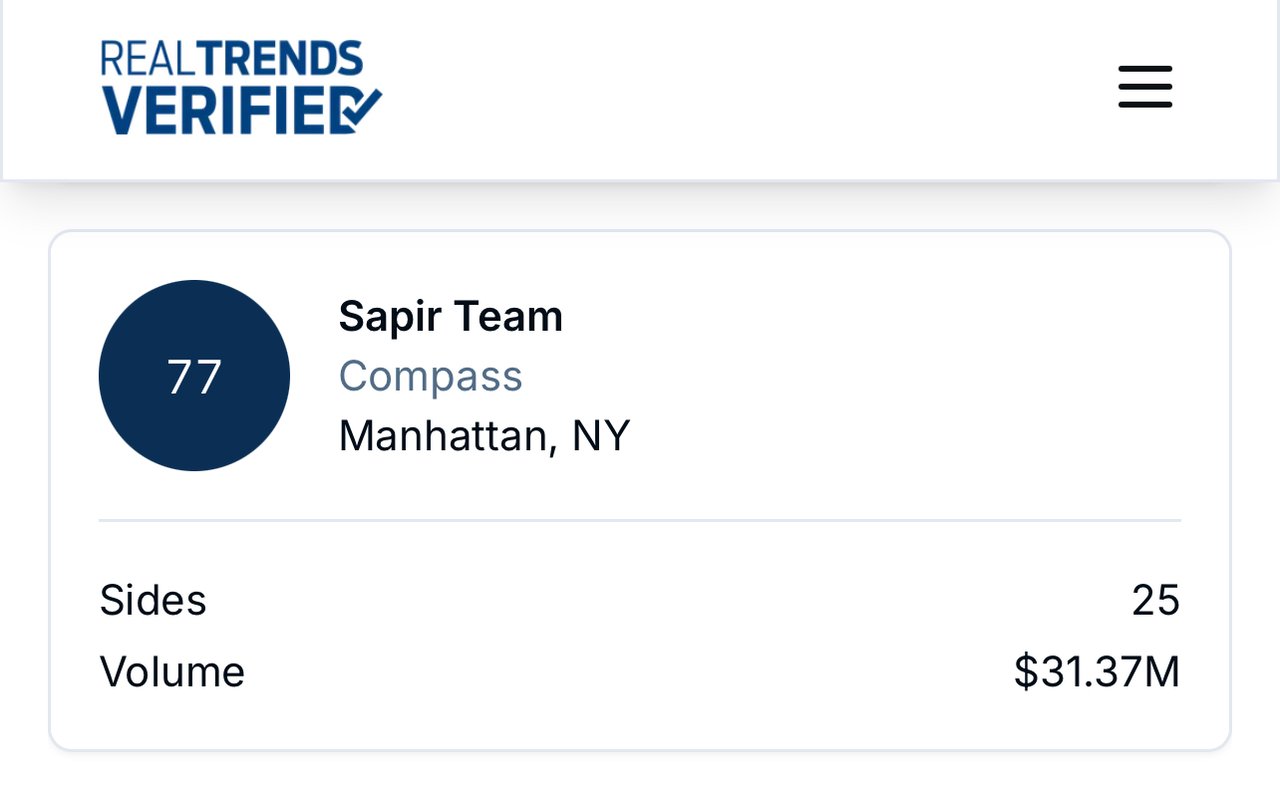
If you are weighing a Lower East Side condo as a rental investment or second home, the right guidance can make a major difference. Dana Sapir offers strategic Manhattan advice, careful building-level analysis, and hands-on support through every step of the purchase process.
FAQs
Is the Lower East Side a strong rental market for condo investors?
- The LES benefits from strong renter appeal tied to nightlife, dining, downtown character, and transit access, while citywide vacancy remains very low at 1.4 percent according to HPD.
Are condos better than co-ops for Lower East Side rental investing?
- In many cases, yes. Condo sublet restrictions are generally limited, while co-op subletting rules can be much more restrictive, so the building documents are critical.
What is the median rent in the Lower East Side?
- StreetEasy lists the Lower East Side median base rent at $4,500, and those figures reflect base rent only, not fees.
Can you use a Lower East Side condo as a short-term rental?
- Usually no. NYC rules generally prohibit renting out an entire apartment for fewer than 30 days in standard residential buildings.
What should buyers review before purchasing an LES condo for rental use?
- Buyers should review the offering plan, board minutes, financial reports, and all house rules and leasing provisions to understand costs, restrictions, and building condition.
Are Lower East Side condo prices giving buyers more room right now?
- StreetEasy’s 2026 buyer report said LES median asking price was down 7.2 percent year over year to $1.295 million, with inventory up 11.7 percent, which may give buyers more flexibility.