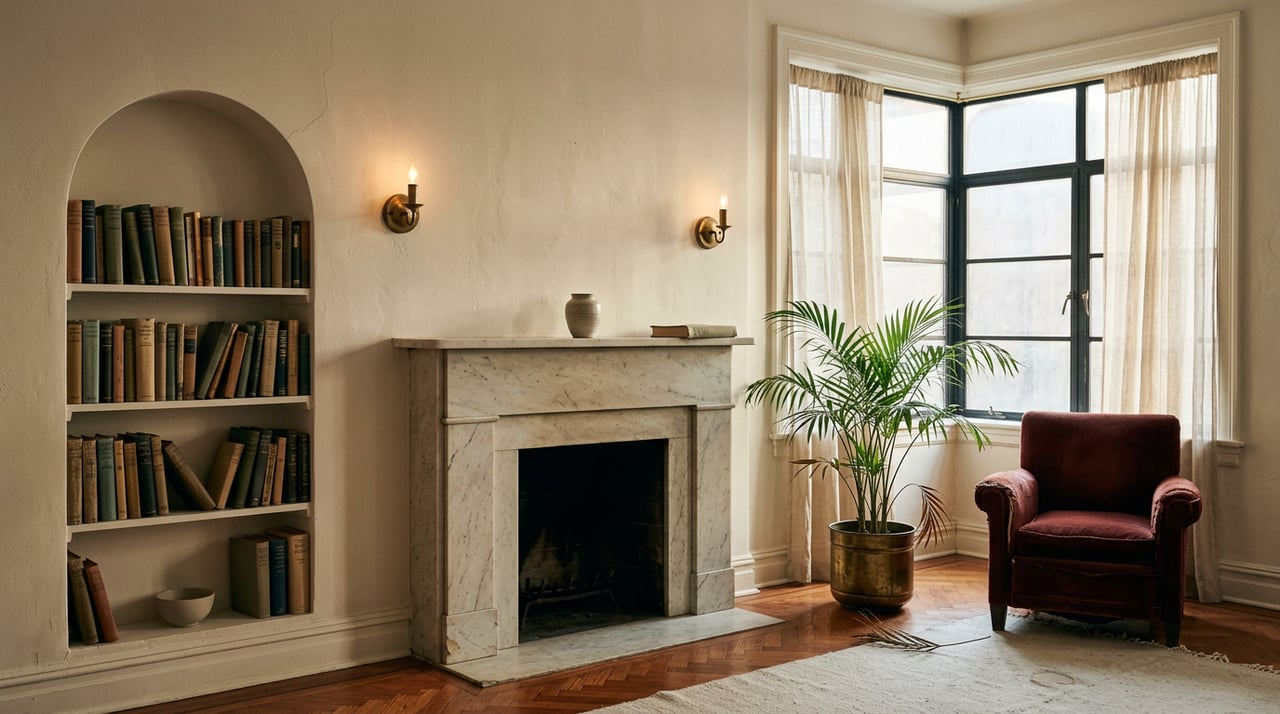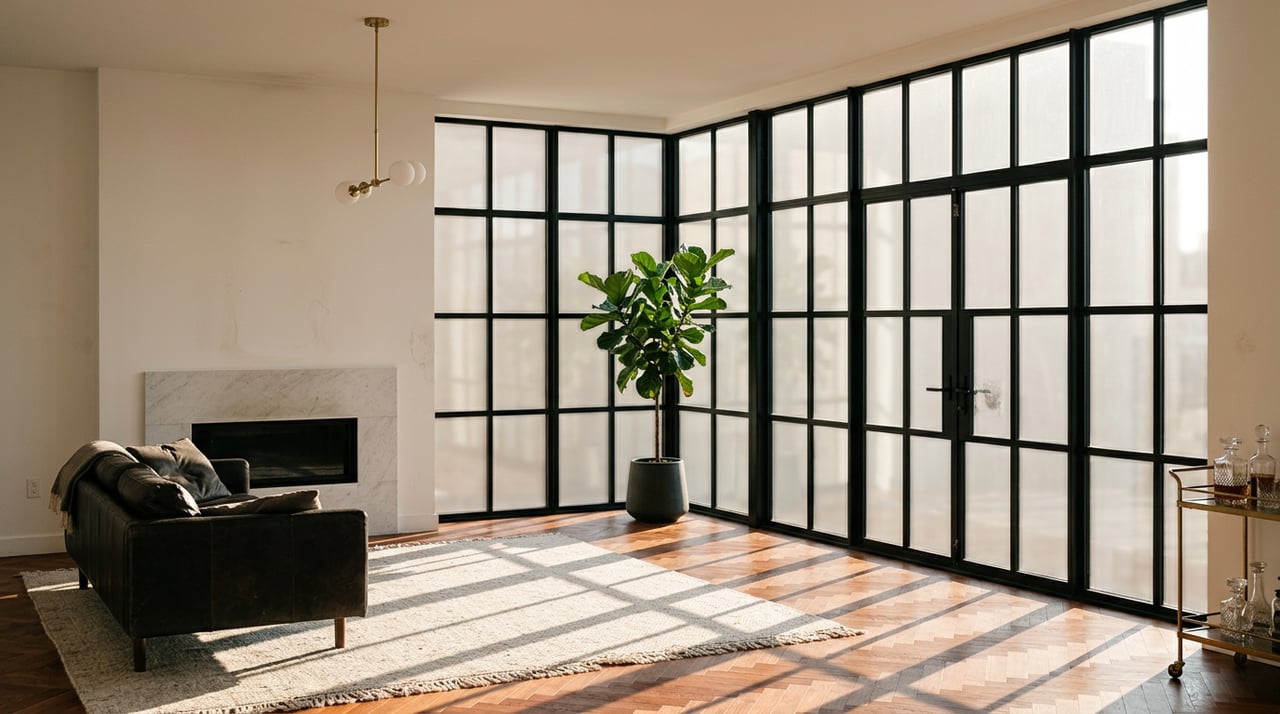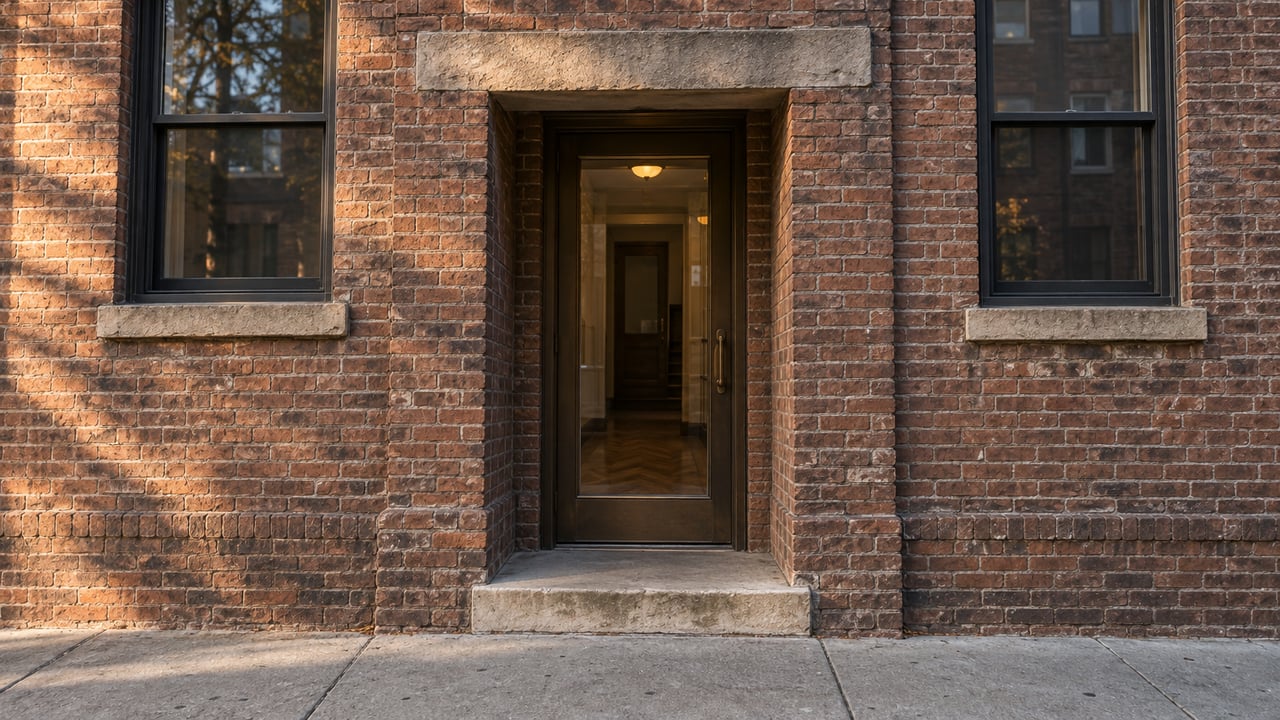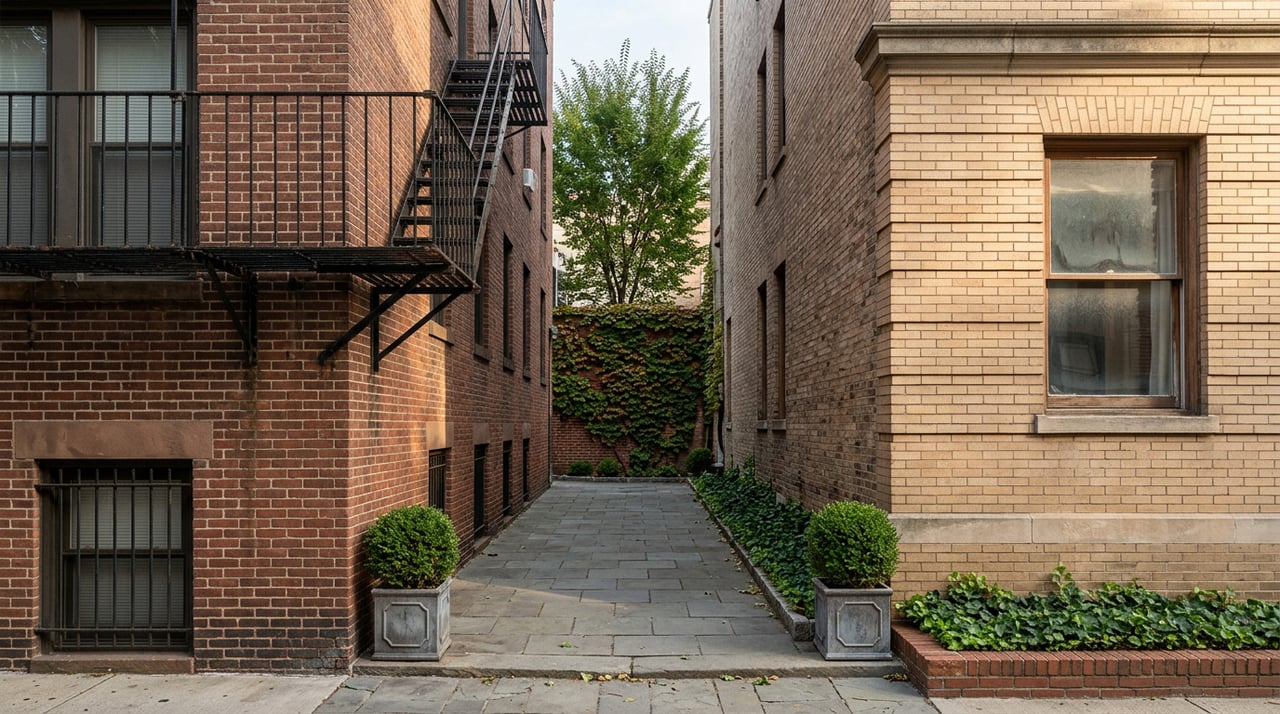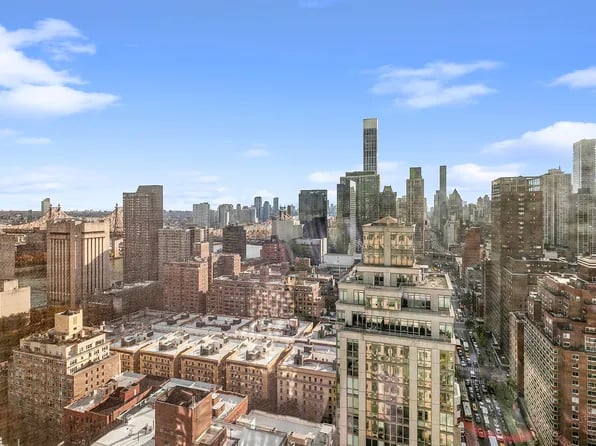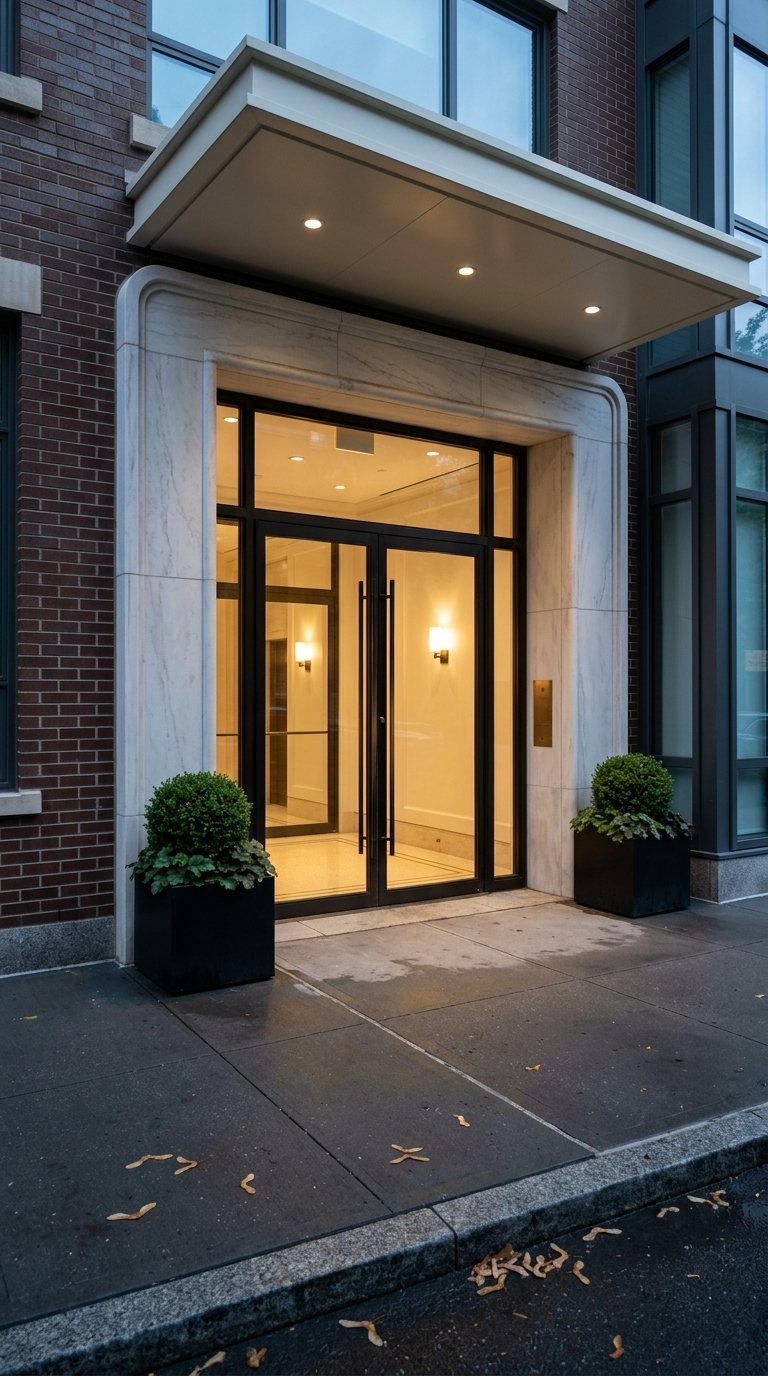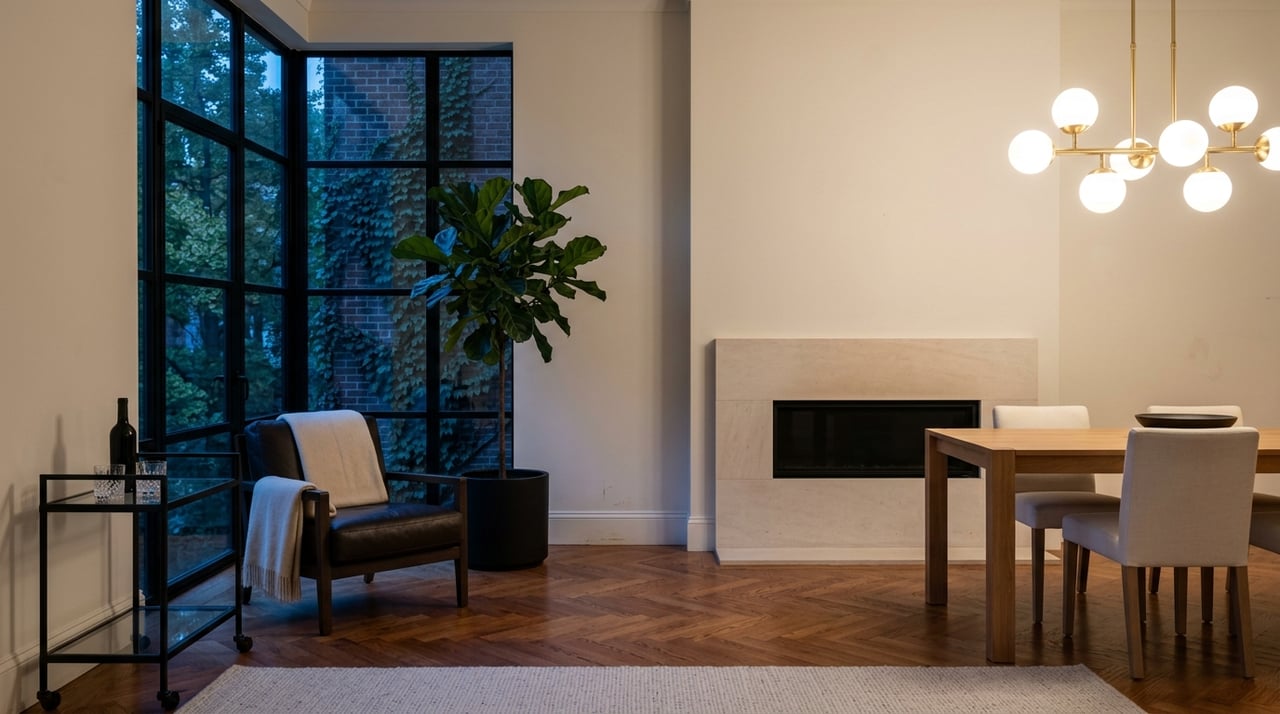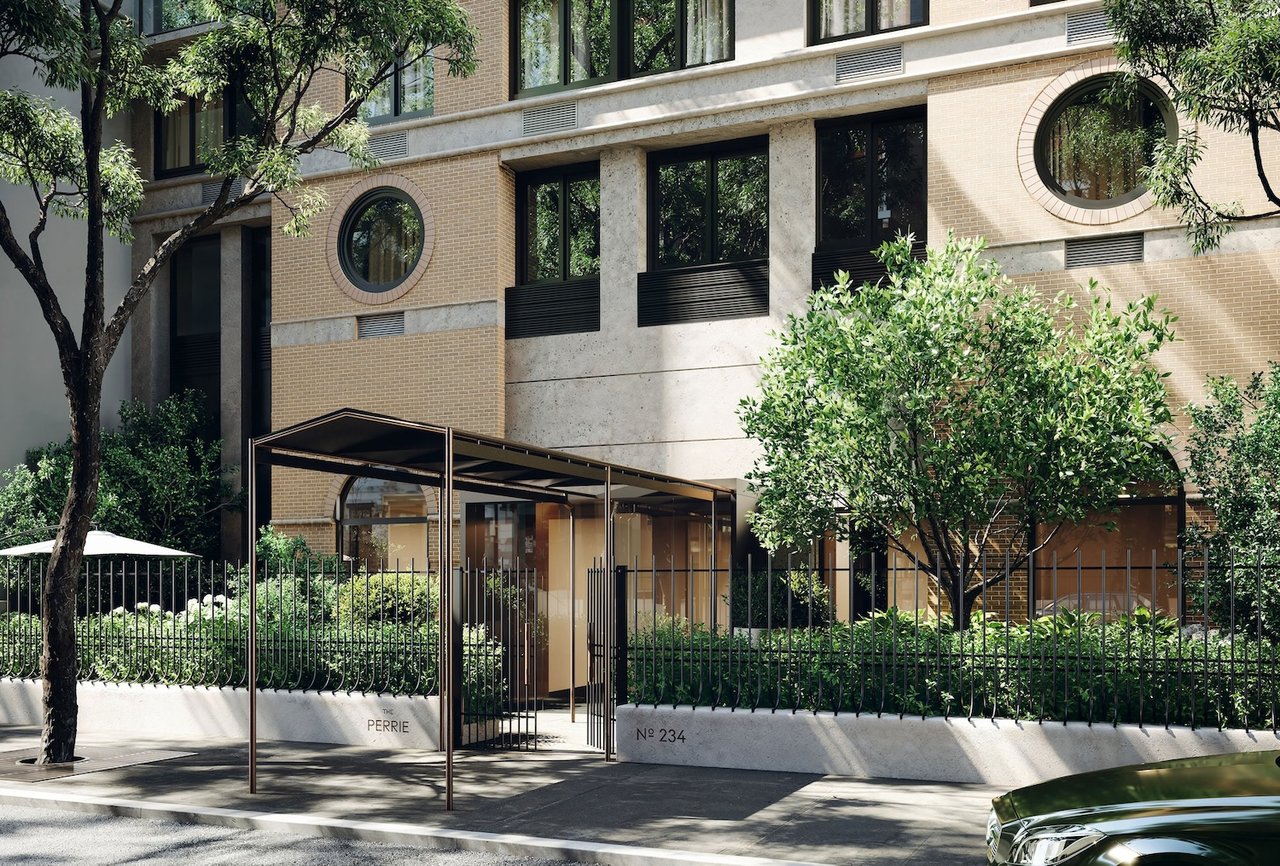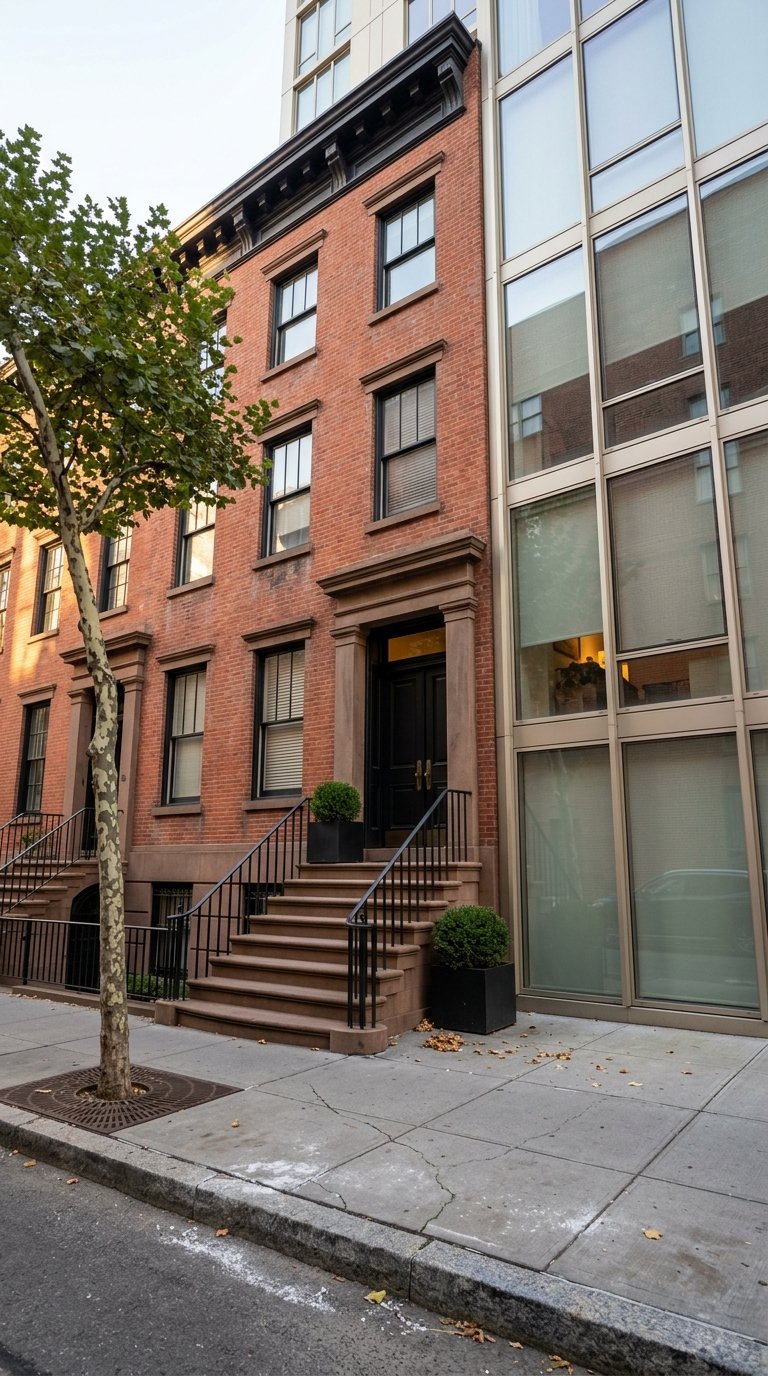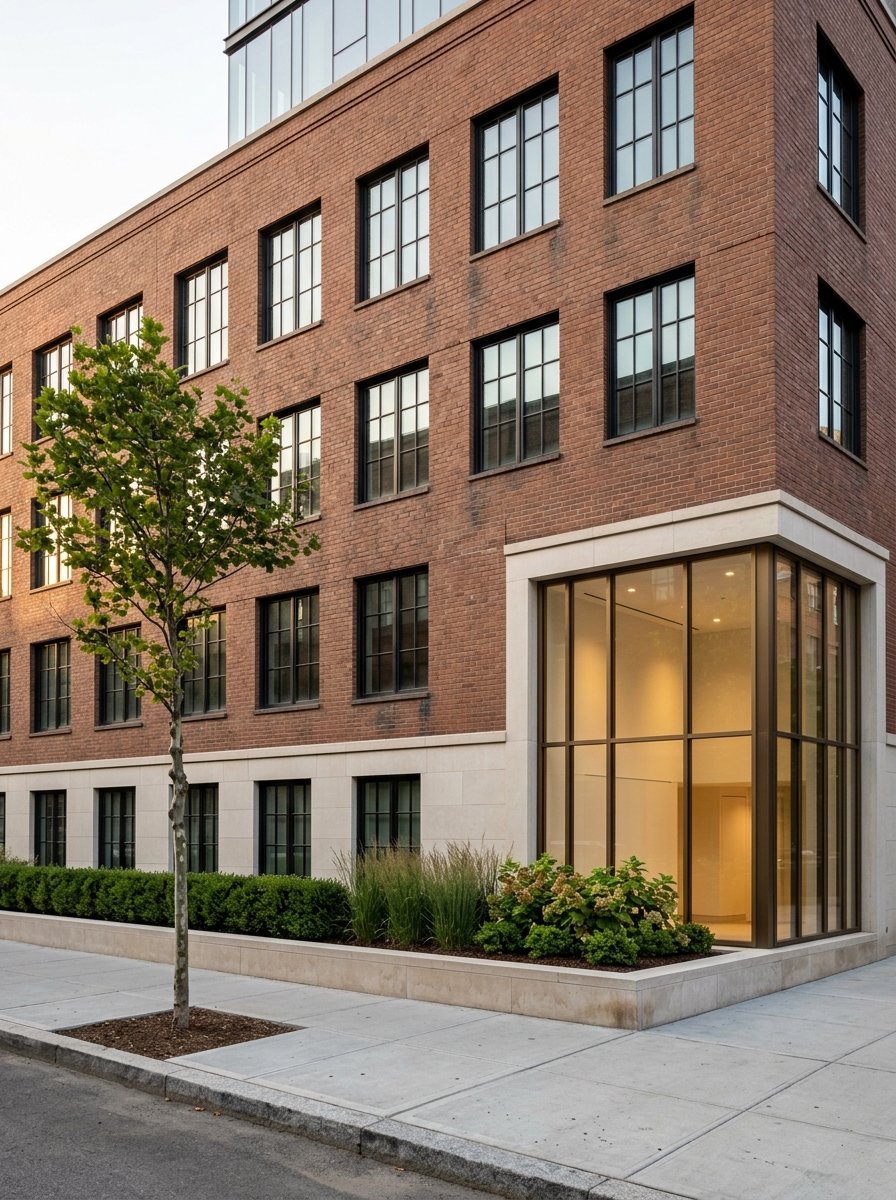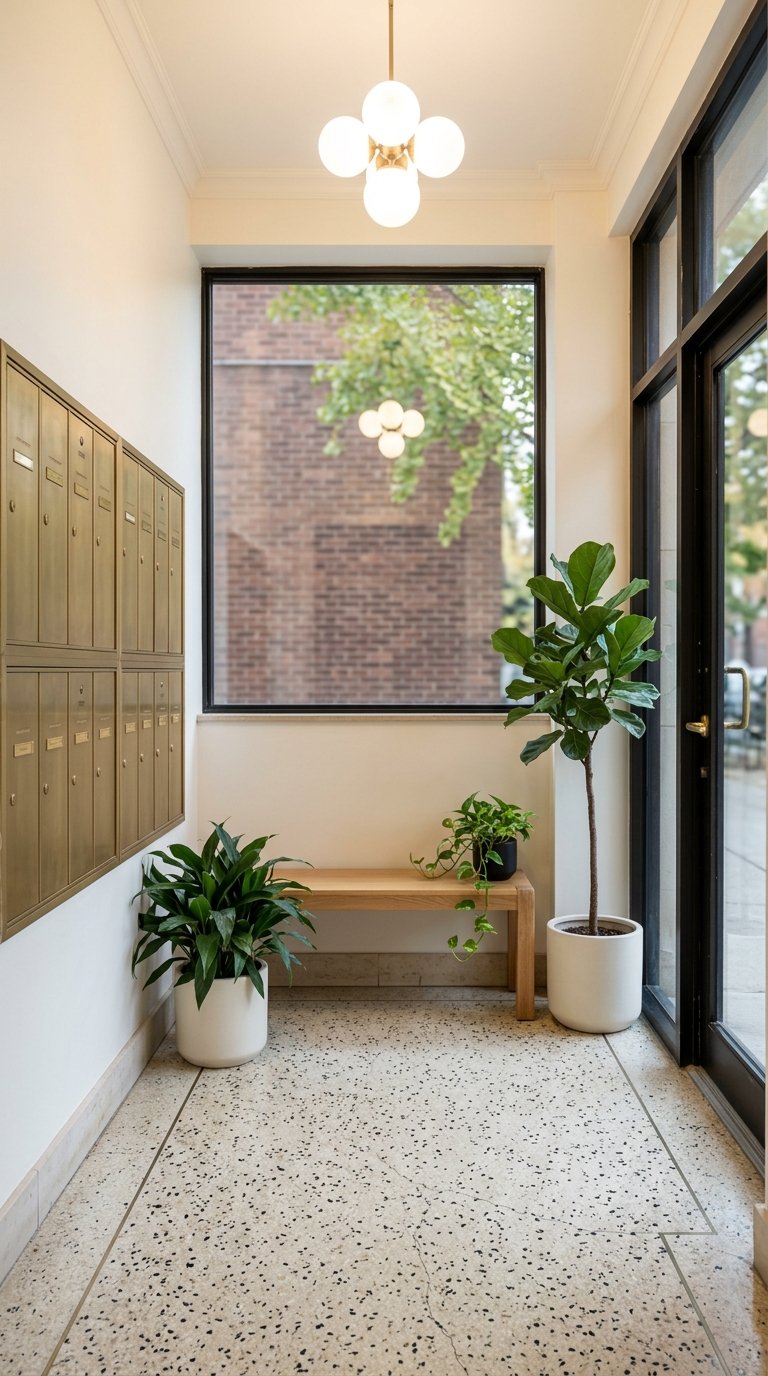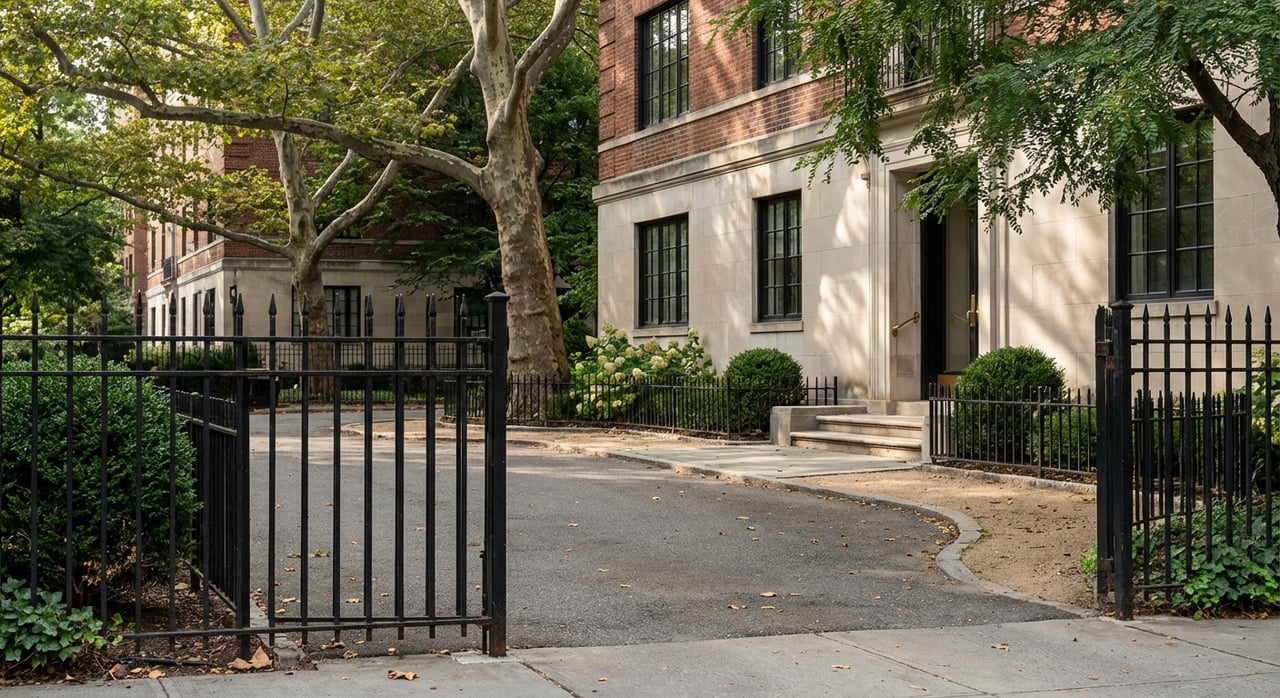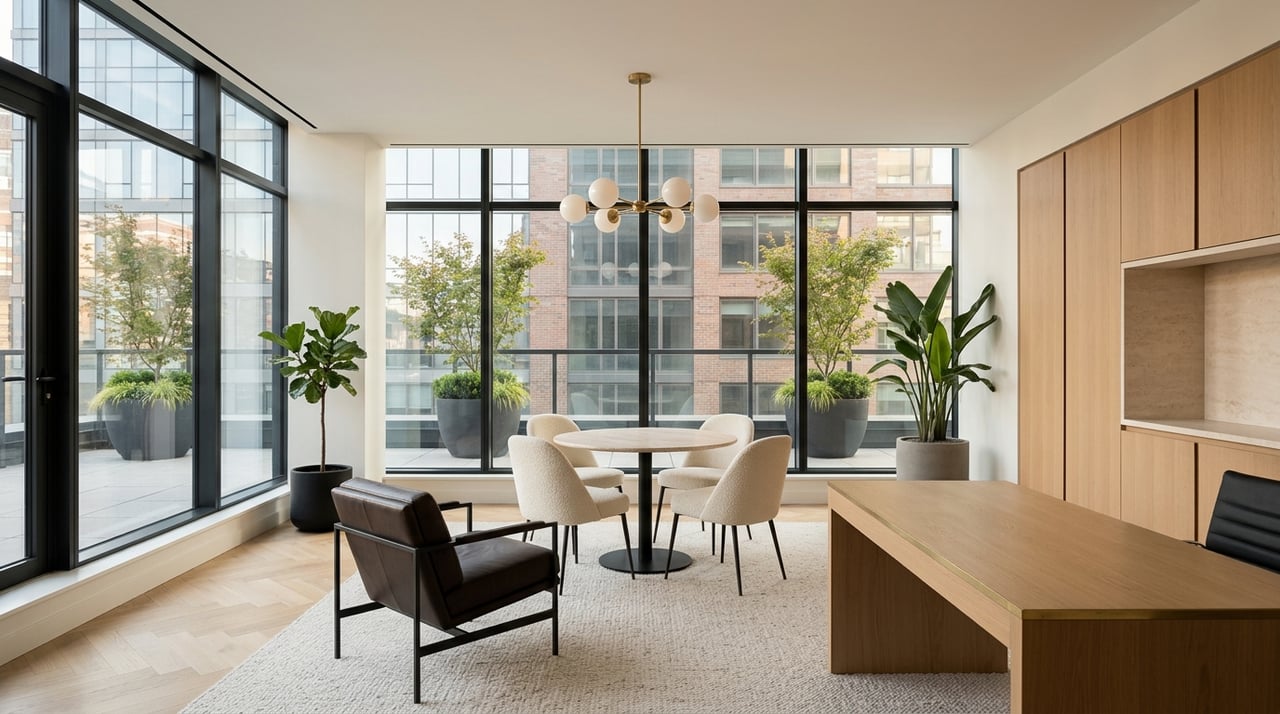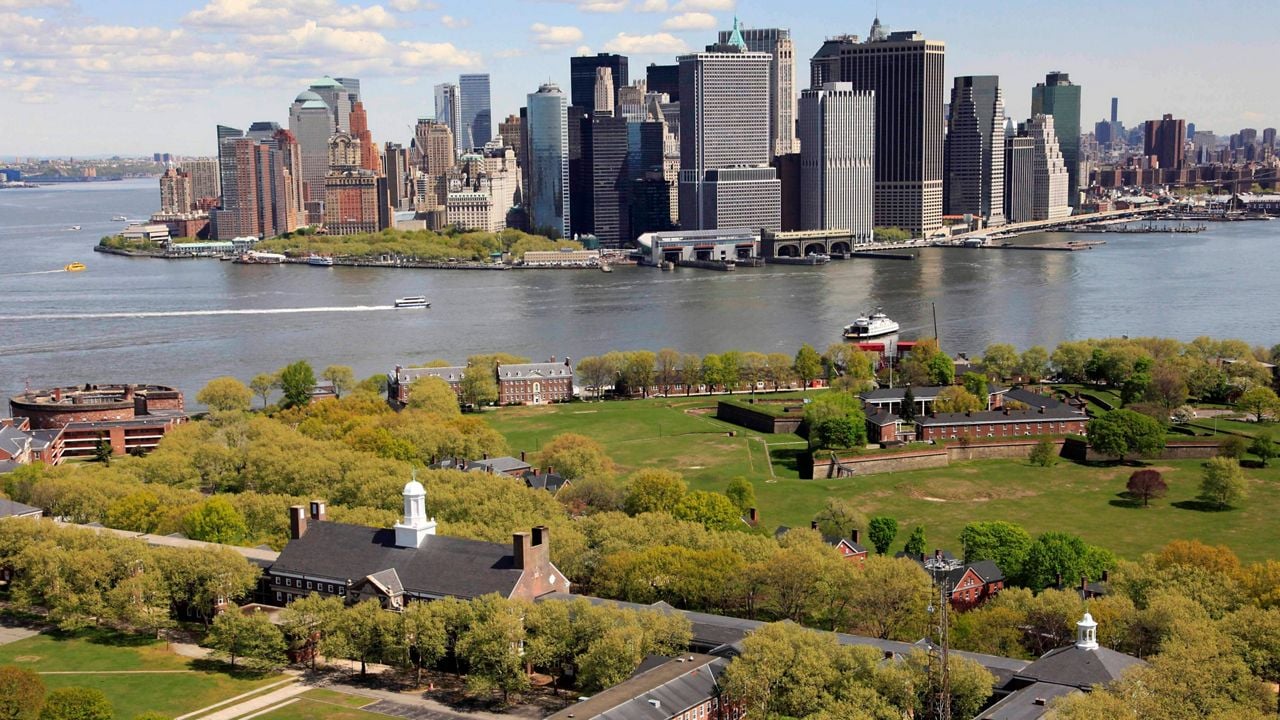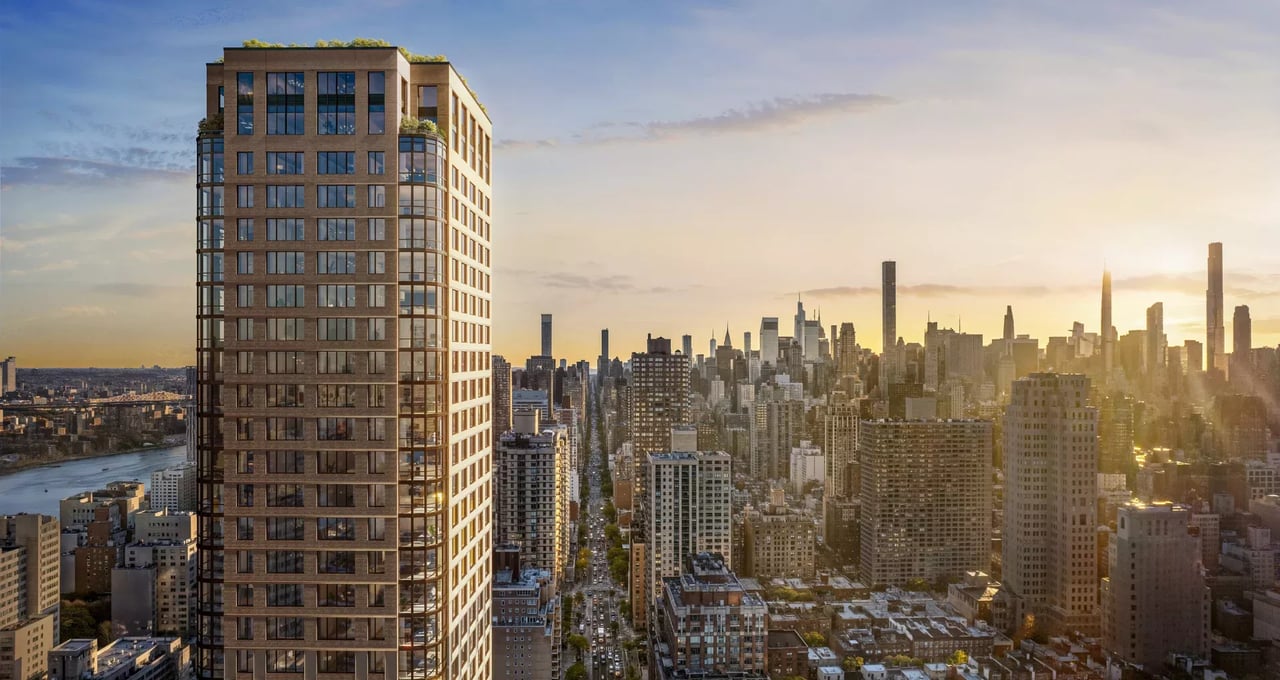

In a city defined by relentless momentum, few forces shape real estate as predictably as the arrival of spring. Each year, foot traffic at open houses surges, inventory climbs, and buyer competition intensifies. For anyone engaged in Manhattan real estate — buying, selling, or investing — understanding this seasonal rhythm is foundational.
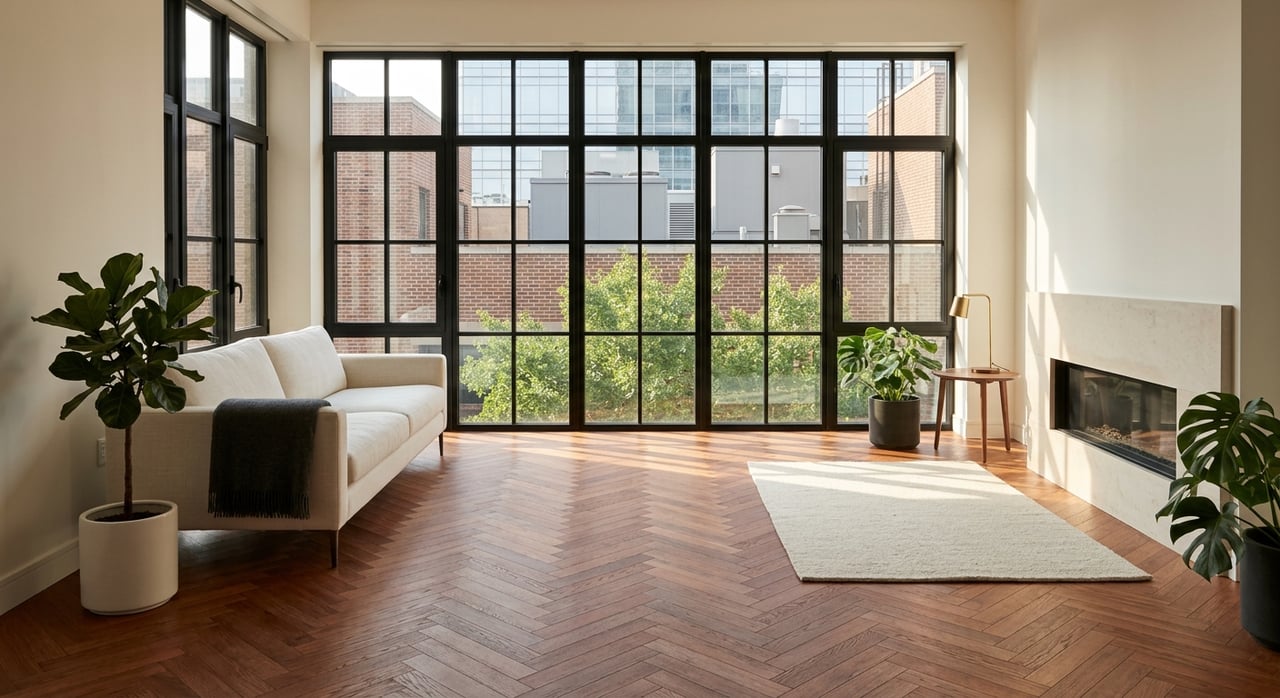
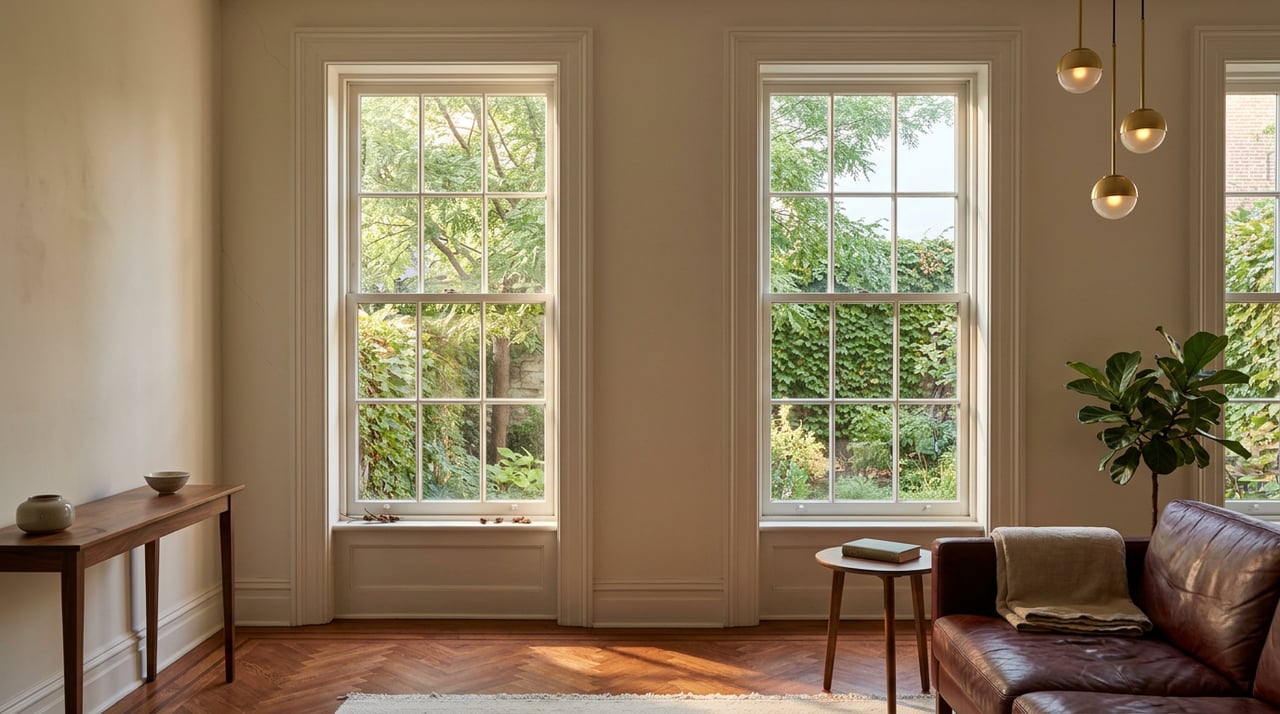
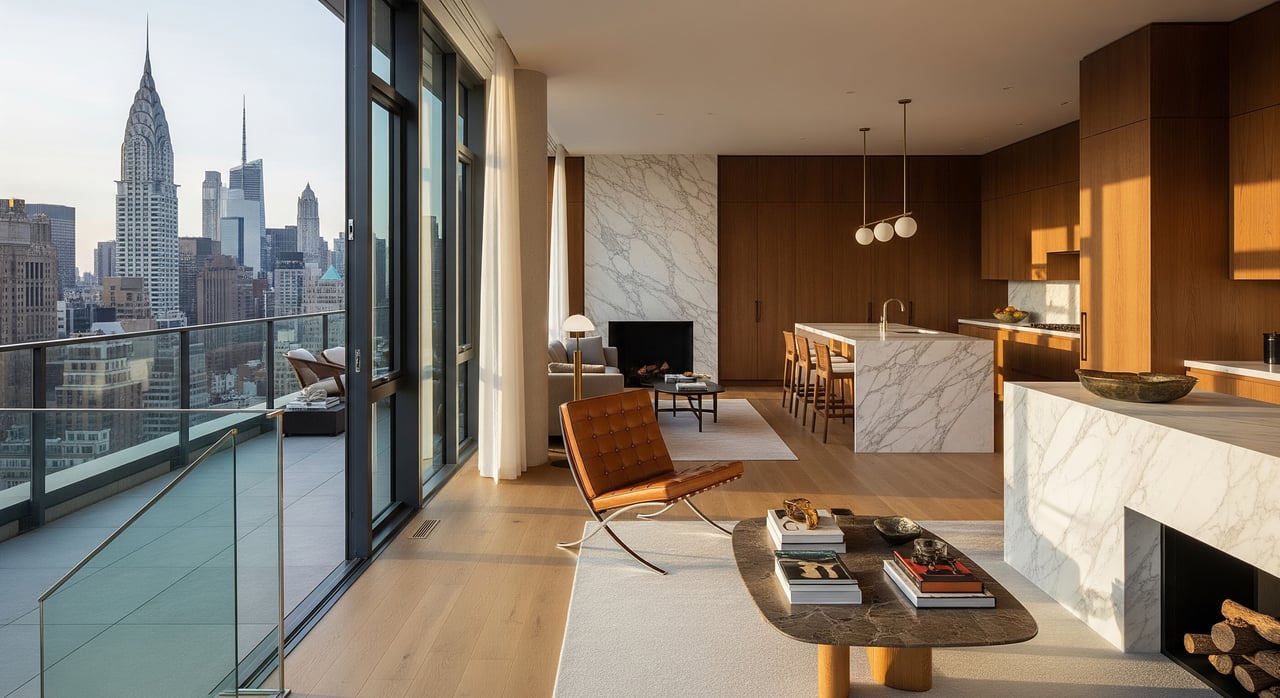
“Properties that seemed average in winter become highly desirable the moment natural light fills the rooms and the city comes alive.”
What drives the spring surge
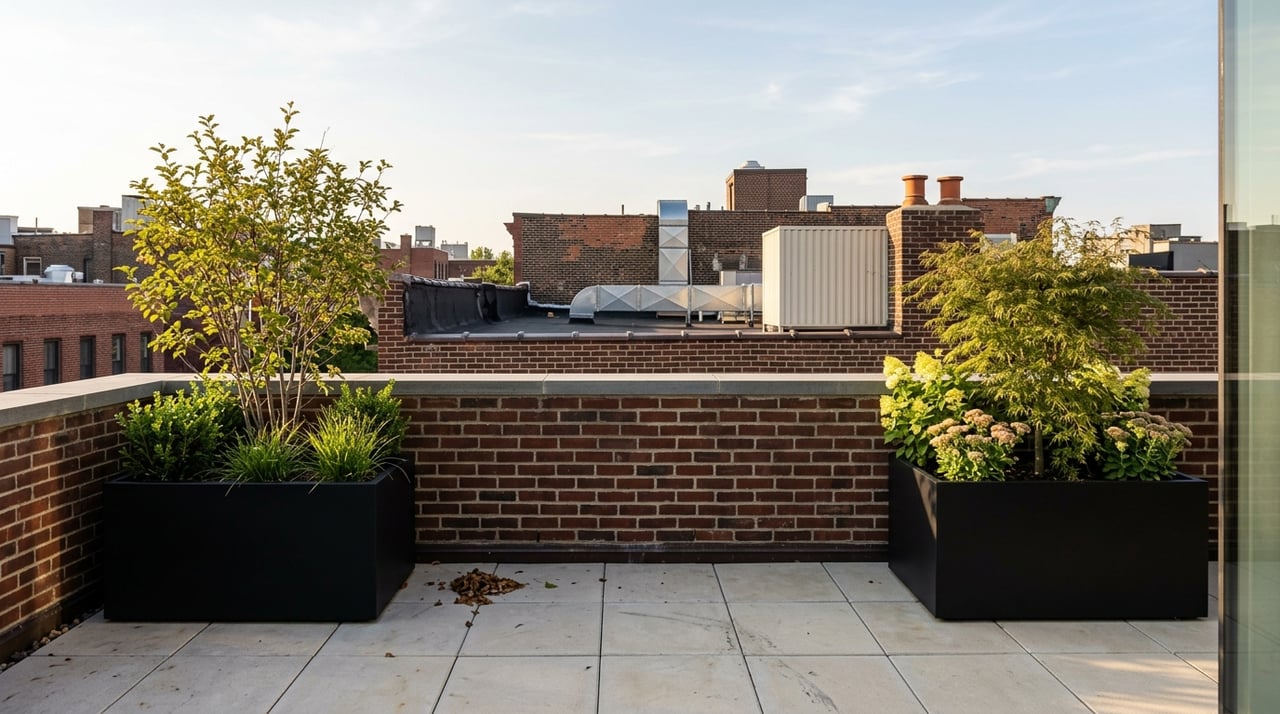
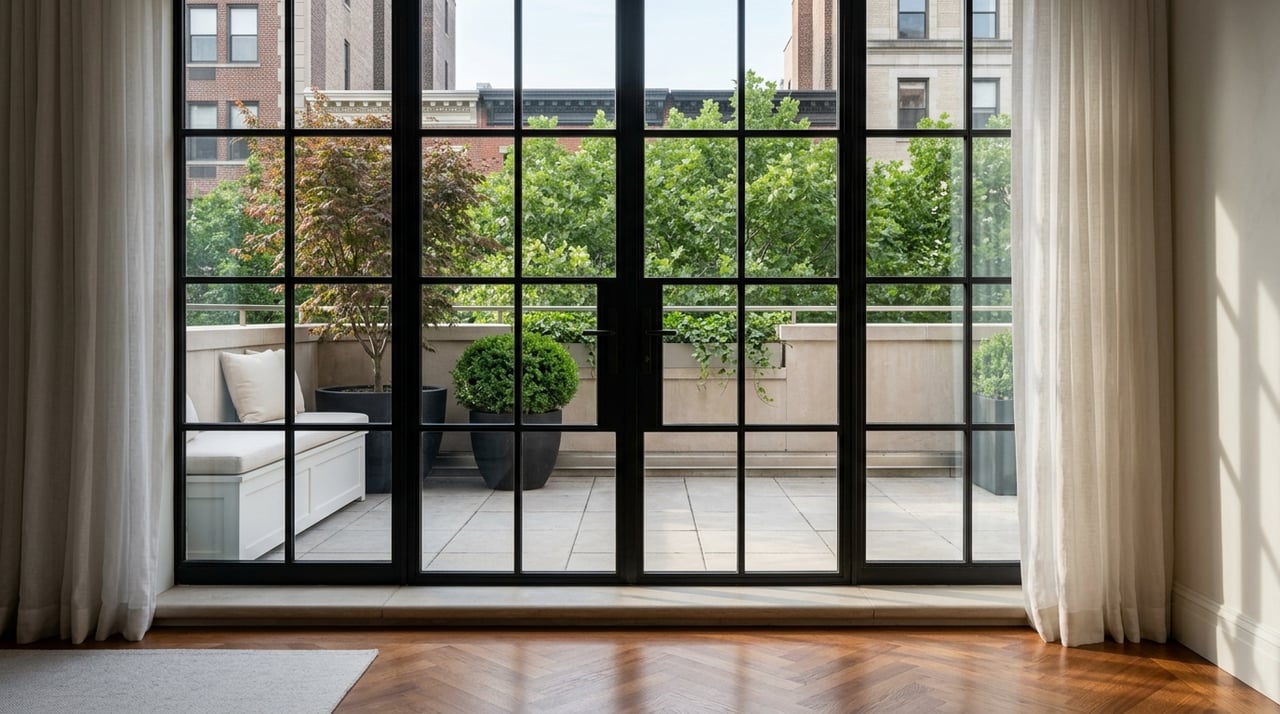
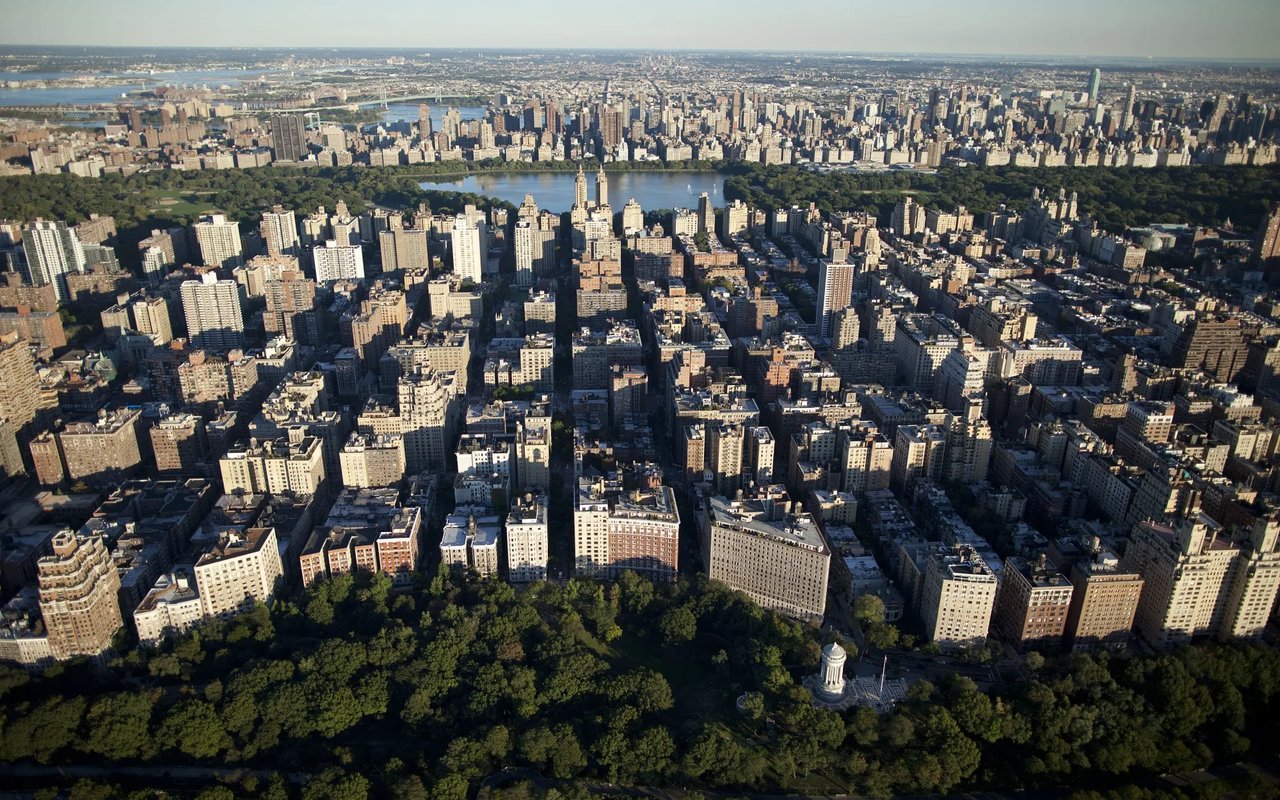
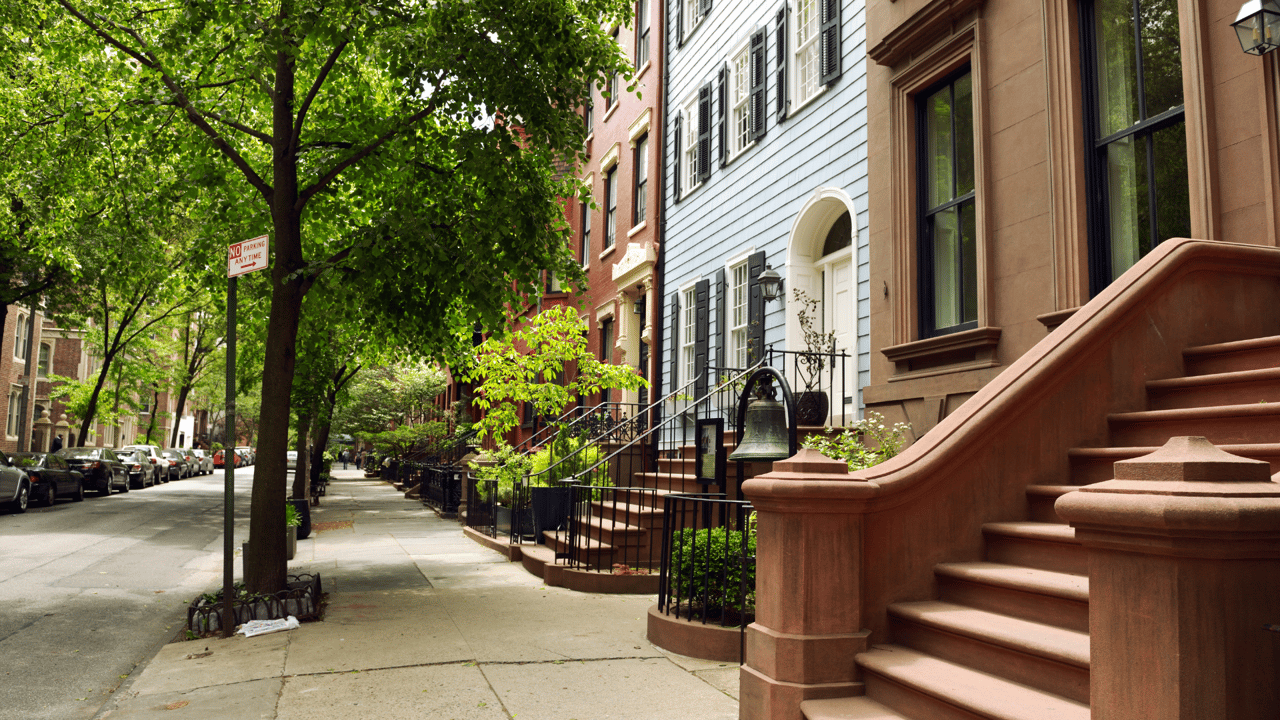
Three forces converge each spring. Demand spikes as buyers who paused their search over winter return with renewed urgency. Supply rises as sellers judge that natural light and warmer weekends make their properties show at their best. And psychology plays a role — optimism runs higher in spring, and decisions happen faster. In Manhattan specifically, outdoor spaces shift from afterthoughts to primary selling points, and neighborhoods like the Upper West Side and Greenwich Village reach their visual peak.
Higher activity, higher stakes
Spring doesn’t just bring more buyers — it brings more competitive ones. Bidding wars are significantly more common between March and May than at any other point in the year. Well-staged homes often receive multiple offers in their first week and close at or above asking. For luxury properties especially, the window between early March and mid-May is historically the most favorable for maximizing returns.
For sellers: capture peak demand
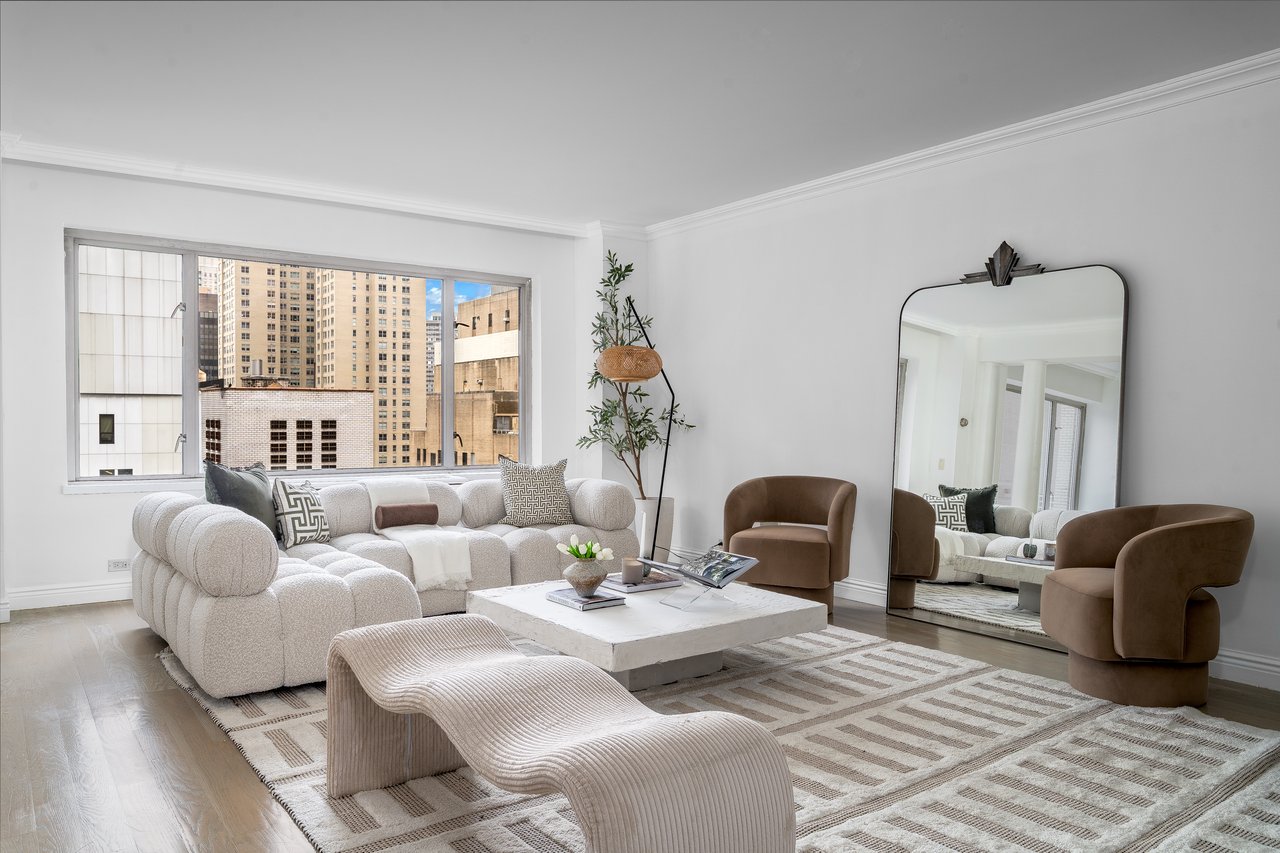
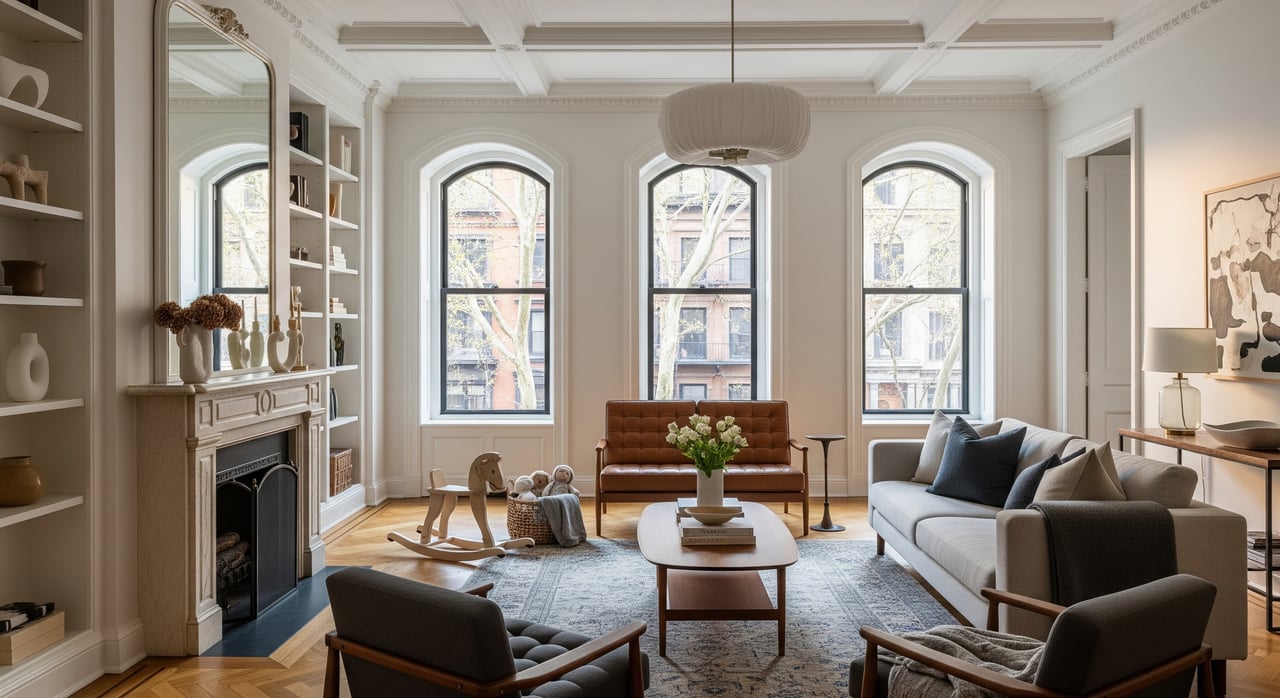
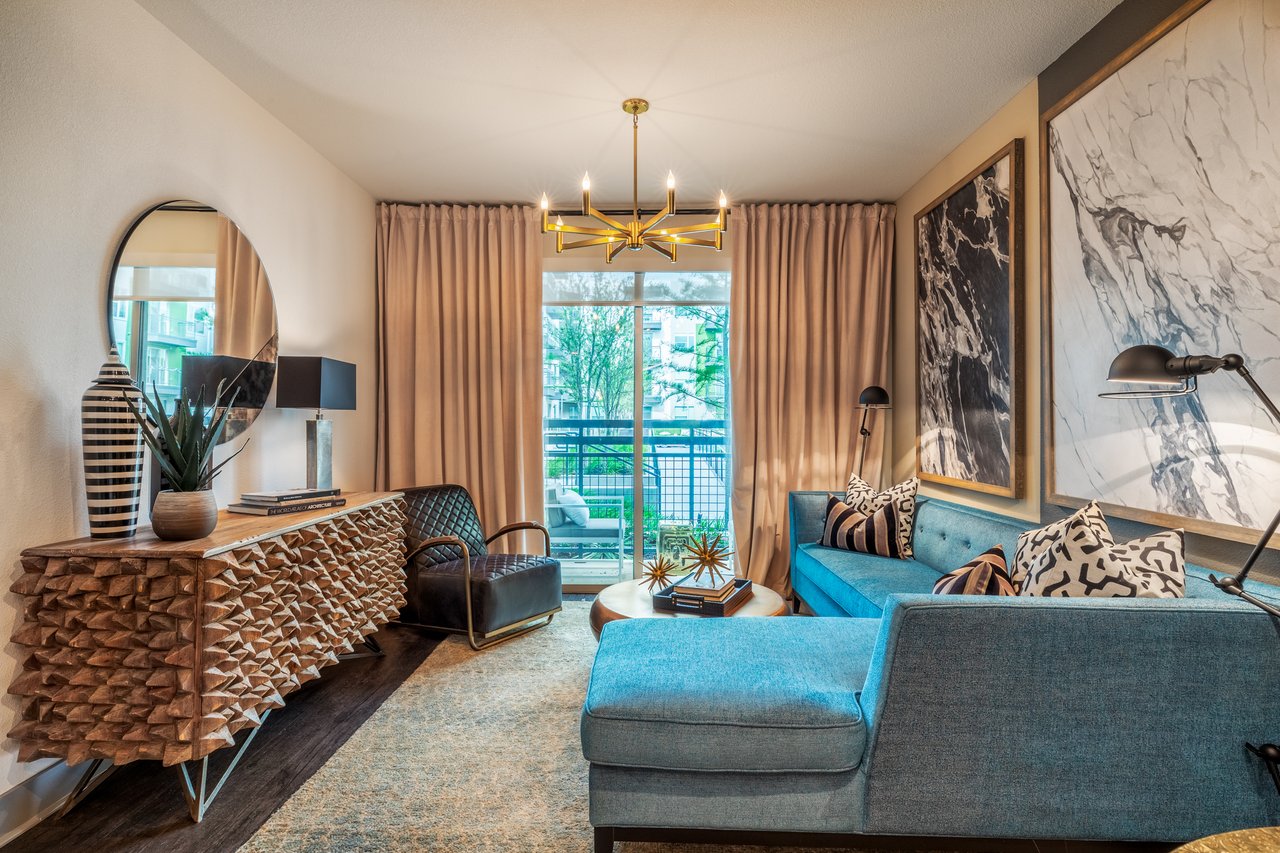
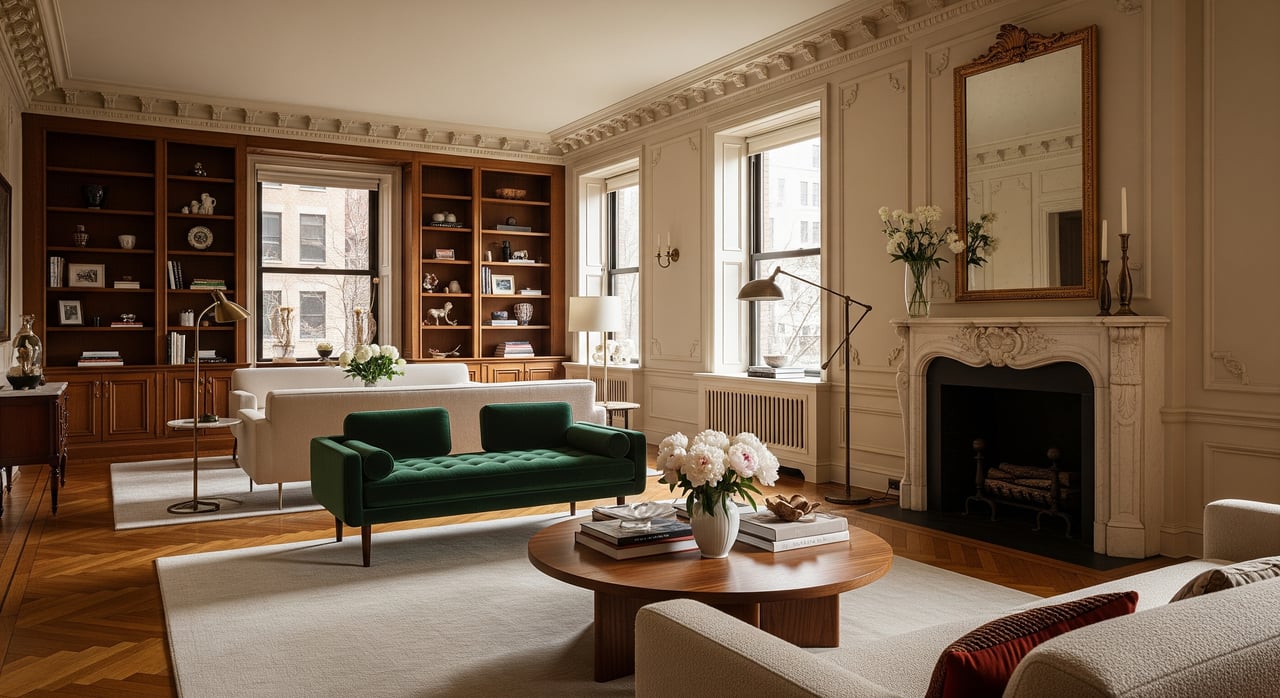
List before the wave. Getting to market in late February or early March means less competition while demand is already climbing. Present seasonally — fresh flowers and open blinds cost little but communicate a great deal. Price strategically: a competitive ask can spark multiple offers that ultimately yield more than an aspirational number that sits unseen.
For buyers: move with conviction
Arrive with a fully underwritten pre-approval — not just a preliminary letter. Stay anchored to fundamentals rather than staging. In desirable buildings, assume competition and lead with your best terms. Waiting for a better option in an active market often means watching the current one close above asking while you reconsider.
For investors: position early
New developments launch in spring to capture elevated attention, giving early movers access to preferred units at pre-appreciation pricing. Rental demand also rises as corporate transfers and lifestyle moves cluster in warmer months. Investors who close in the February-to-April window tend to enter at lower prices and benefit from the appreciation that follows. By May, much of that margin has been competed away.