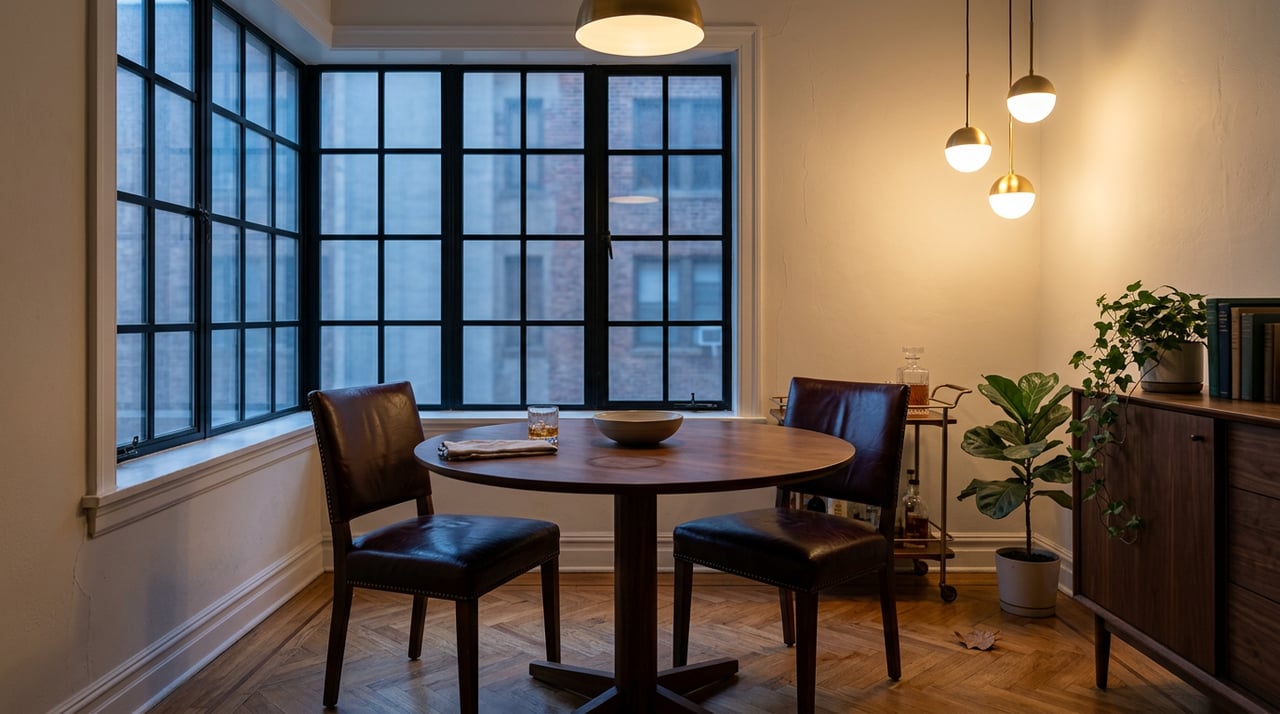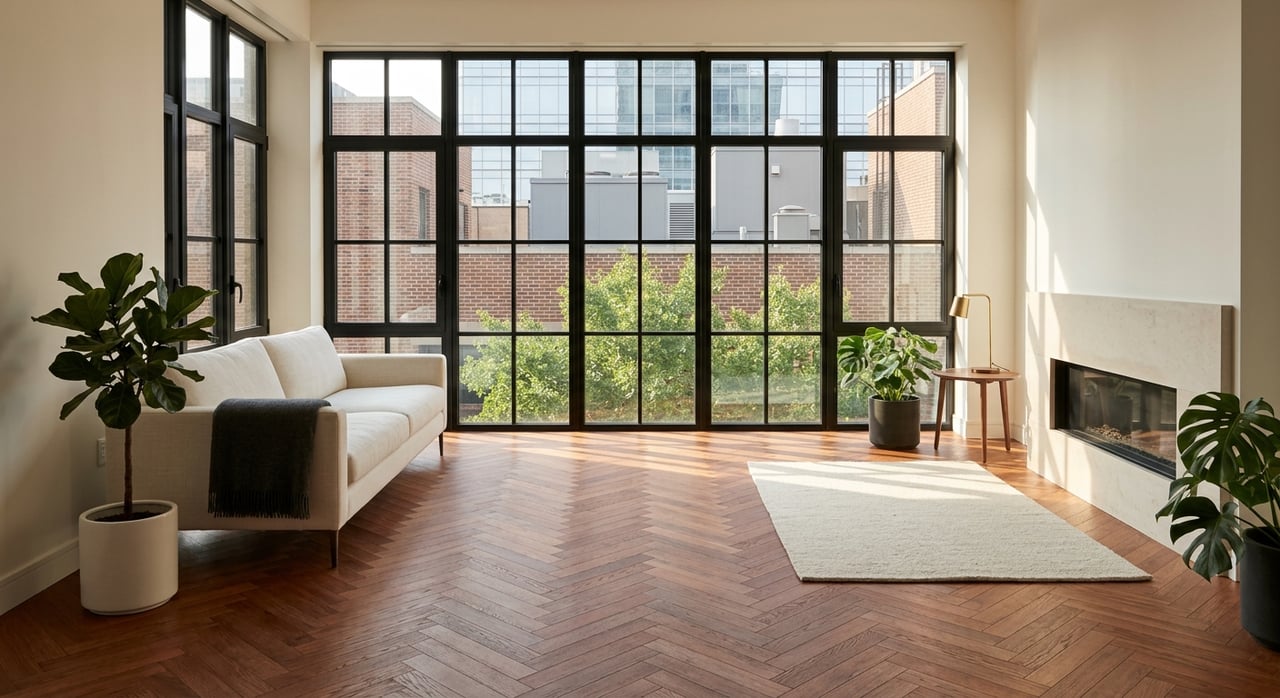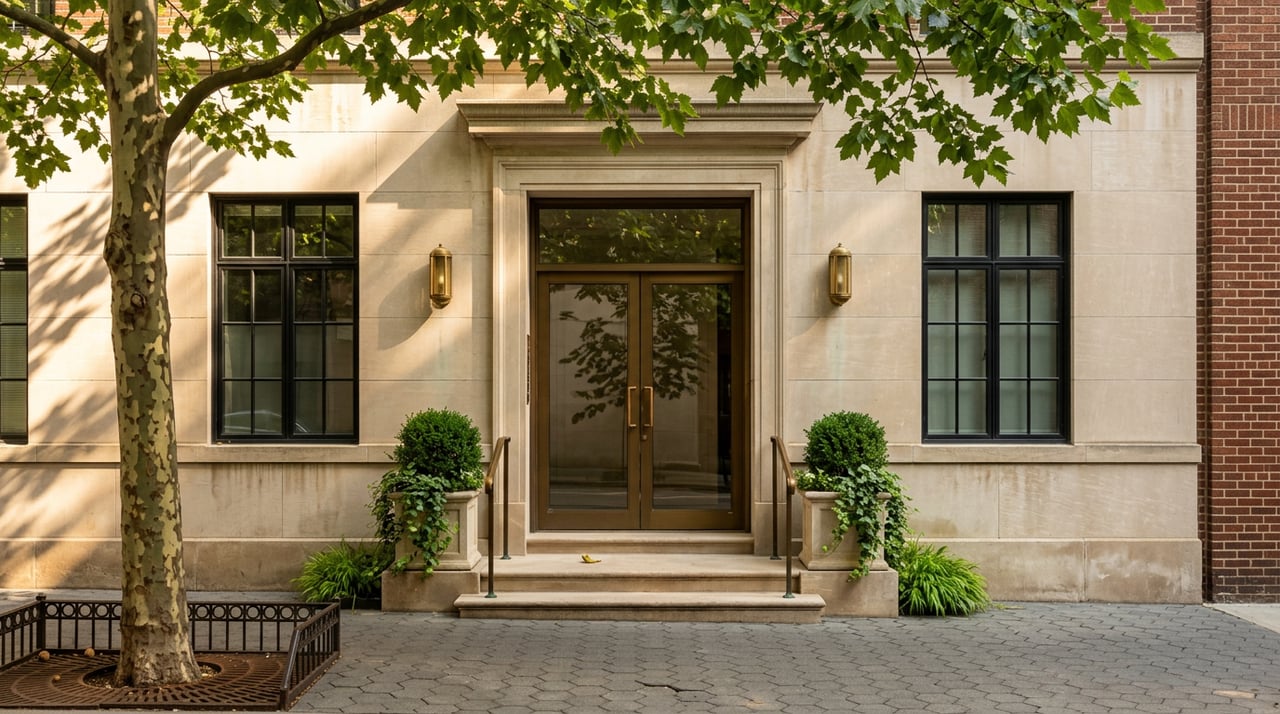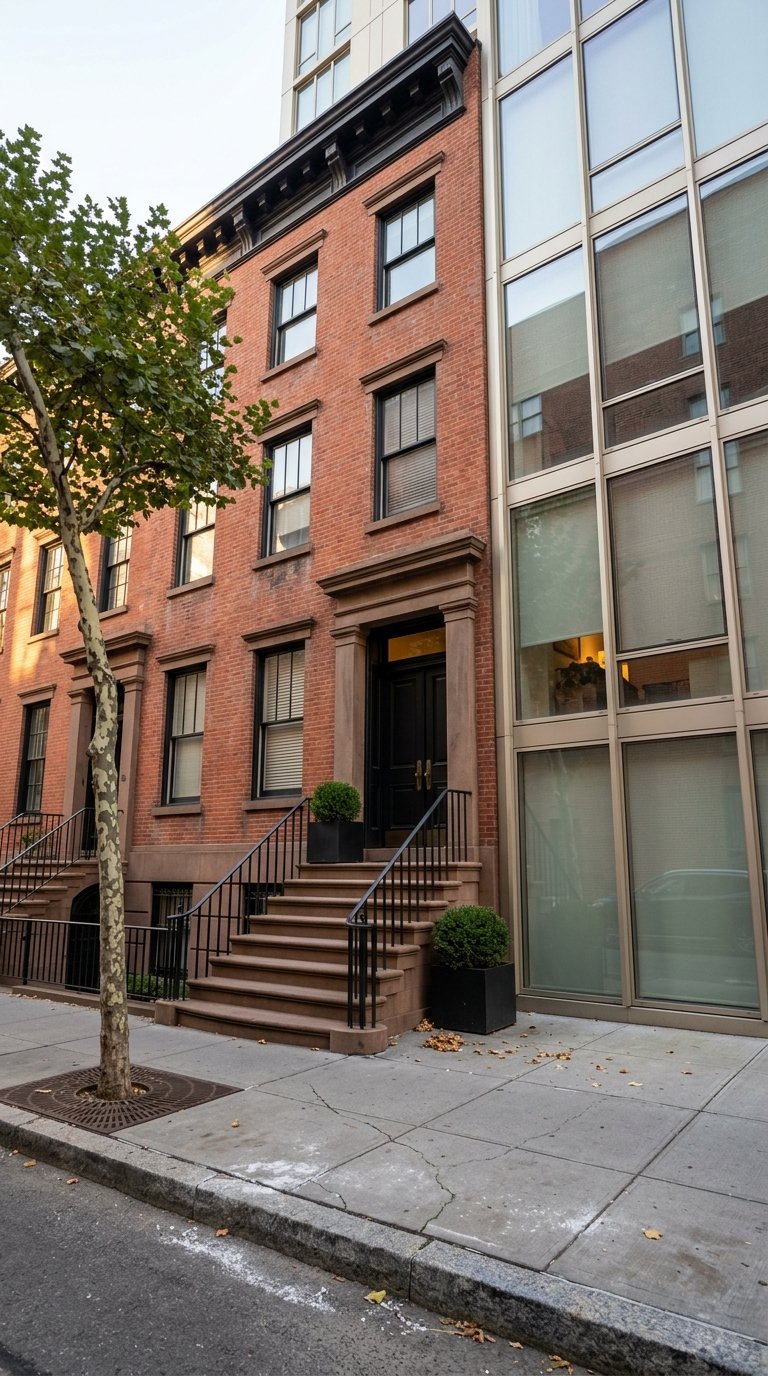

Buying your first Upper East Side co-op with a stroller in the mix can feel like taking on two big milestones at once. You want a home that fits your daily rhythm and a board process that does not derail your timeline. With clear prep, the right documents, and a confident story about your family’s plans, you can present a strong application. Here is how to get board-ready and move from offer to keys with less stress. Let’s dive in.
Why UES co-ops stand out
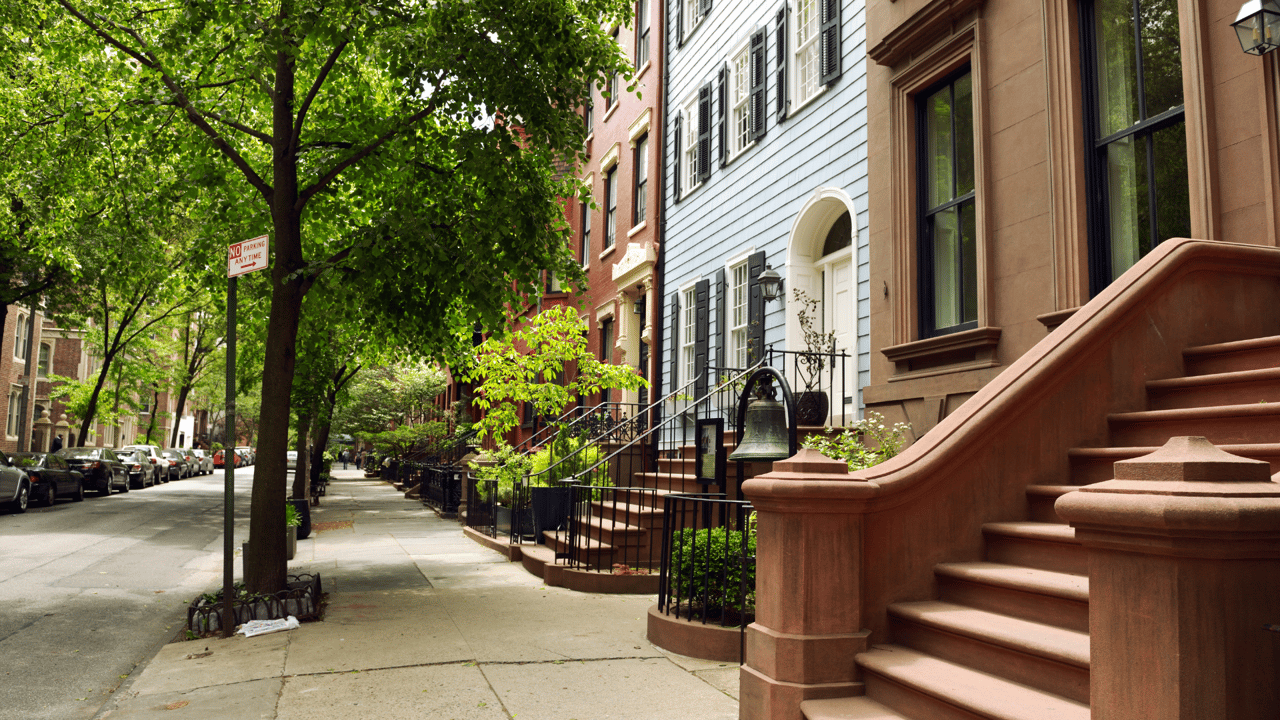
The Upper East Side has a large concentration of co-ops, many in full-service prewar and mid-century buildings. You will find doormen, resident managers, and useful amenities like laundry rooms, bike storage, and sometimes playrooms. That mix draws long-term residents and growing families.
Boards in the neighborhood often value stability and community. They tend to review applications carefully and expect clear proof of financial strength and rule awareness. Timelines are predictable once you are organized, which is helpful when you are coordinating childcare, work, and a move.
What boards evaluate
Financial strength first
Your financials are the heart of the review. Many UES co-ops allow 20 percent down, but some buildings want 25 to 50 percent. Boards look for clean tax returns, strong credit, and manageable debt. They also like to see liquid reserves that cover several months to as much as one to two years of mortgage and maintenance.
Expect to provide recent tax returns, W-2s or 1099s, pay stubs, bank and brokerage statements, a credit report, and an employer letter. If you are financing, a pre-approval from a lender experienced with NYC co-ops helps. Some buildings limit certain loan types, so confirm policies early.
References and reputation
Boards often request professional, personal, and sometimes landlord references. Strong letters speak to reliability, courtesy, and follow-through. For families, it helps when references describe you as considerate neighbors who respect building rules and contribute to community life.
Interview and lifestyle fit
Interviews usually last 15 to 45 minutes. You will cover reasons for buying, intended use as a primary residence, employment, any planned renovations, and day-to-day routines. Boards may ask how you plan to handle noise, guests, and shared spaces.
Familial status is protected by law. A board cannot lawfully reject you because you are pregnant or have children. They can evaluate neutral criteria like finances, references, and rule compliance. If a question seems inappropriate, keep your response calm and brief, and pivot to how you will be a responsible neighbor.
Prepare a board-ready package
Document checklist
- Completed co-op application
- Two to three years of tax returns plus W-2s, 1099s, or K-1s
- Recent pay stubs and an employer verification letter
- Two to six months of bank and brokerage statements showing liquidity
- Recent credit report
- Proof of down payment source, including gift letters if relevant
- Professional, personal, and landlord references
- Photo IDs for background checks
- Short resume or bio
- Floor plan and renovation outline, if applicable
- Pet details if relevant, such as size and vaccination records
- Application and processing fees as instructed
Tell your family story, not a novel
Open with a short cover letter that introduces your household and why you chose the building. Highlight plans to be long-term residents and to follow house rules. A few practical notes go a long way, such as using area rugs, supervising play, and using nearby parks for active time.
Strengthen finances where you can
- Increase your down payment and liquidity if possible
- Pay down high-interest consumer debt before applying
- Choose a lender known for NYC co-ops and confirm if the building has preferred banks
- If self-employed, include clear profit and loss statements and be ready to explain income patterns
- If reserves are tight, prepare transparent documentation, including any gifts and post-closing budget
Anticipate family-focused questions
Noise and wear
Show you understand building life. Plan for padded rugs, considerate quiet hours, and supervised play. Emphasize your intent to be responsive to neighbors and to follow posted rules for common areas.
Strollers, elevators, and amenities
Ask about stroller storage, elevator use, playroom rules, and bike rooms. Many full-service buildings support families with practical solutions. Smaller buildings may have tighter space and policies, so confirm logistics early.
Renovation plans
If you expect to renovate, present a basic scope, timeline, and contractor standards you will follow. Boards focus on safety, hours, insurance, and protecting common areas. Showing a clear plan reduces concerns and speeds approvals later.
UES vs. other Manhattan areas
The Upper East Side has more family-sized apartments and long-term residents than many downtown submarkets. Boards often feel more traditional and detail oriented. They still want the same fundamentals as anywhere in Manhattan: strong finances, solid references, and respect for rules.
Timeline from offer to keys
- Offer to accepted contract: 1 to 3 weeks
- Board package prep and submission: 1 to 3 weeks
- Board interview and vote: 2 to 6 weeks after submission
- Closing after approval: 1 to 3 weeks
Most buyers close in roughly 4 to 10 weeks from contract, depending on the building and financing.
Smart next steps
- Hire an agent and attorney with Upper East Side co-op experience
- Confirm building rules early, including down payment minimums, pet policies, renovation protocols, and sublet rules
- Start your board book now, including reference letters and a polished cover letter
- Boost liquidity and lower revolving debt where possible
- Practice interview answers so you are concise and confident
You do not have to navigate this alone. For calm, hands-on guidance through board packages, timelines, and negotiations on the Upper East Side, connect with Dana Sapir for a private consultation.
FAQs
How long does Upper East Side co-op approval take?
- Many buyers see a board decision 2 to 6 weeks after submission, with 4 to 10 weeks from accepted offer to closing.
What down payment do Upper East Side co-ops require?
- Requirements vary by building, with many at 20 percent and some at 25 to 50 percent, especially in more conservative houses.
Can a co-op board ask about pregnancy or children?
- Familial status is protected, so a board cannot lawfully reject you for being pregnant or having children and should focus on neutral criteria.
What references do Upper East Side co-op boards want?
- Expect professional and personal references, and sometimes landlord letters, that speak to reliability, stability, and being a considerate neighbor.
Do Upper East Side co-ops allow pets for families?
- Pet policies vary widely, so confirm the rules early and be ready to provide details about training, size, and vaccinations if pets are allowed.
How strict are renovation rules in Upper East Side co-ops?
- Co-ops often have detailed renovation policies for hours, insurance, and contractor standards, and you should present a clear plan if you intend to renovate.
Can a co-op require more reserves than my lender?
- Yes, boards can set stricter standards than lenders for down payment, debt levels, and liquid reserves.
What liquidity do Upper East Side co-op boards expect?
- Many boards like to see enough liquid assets to cover months, and sometimes up to one to two years, of mortgage and maintenance costs.