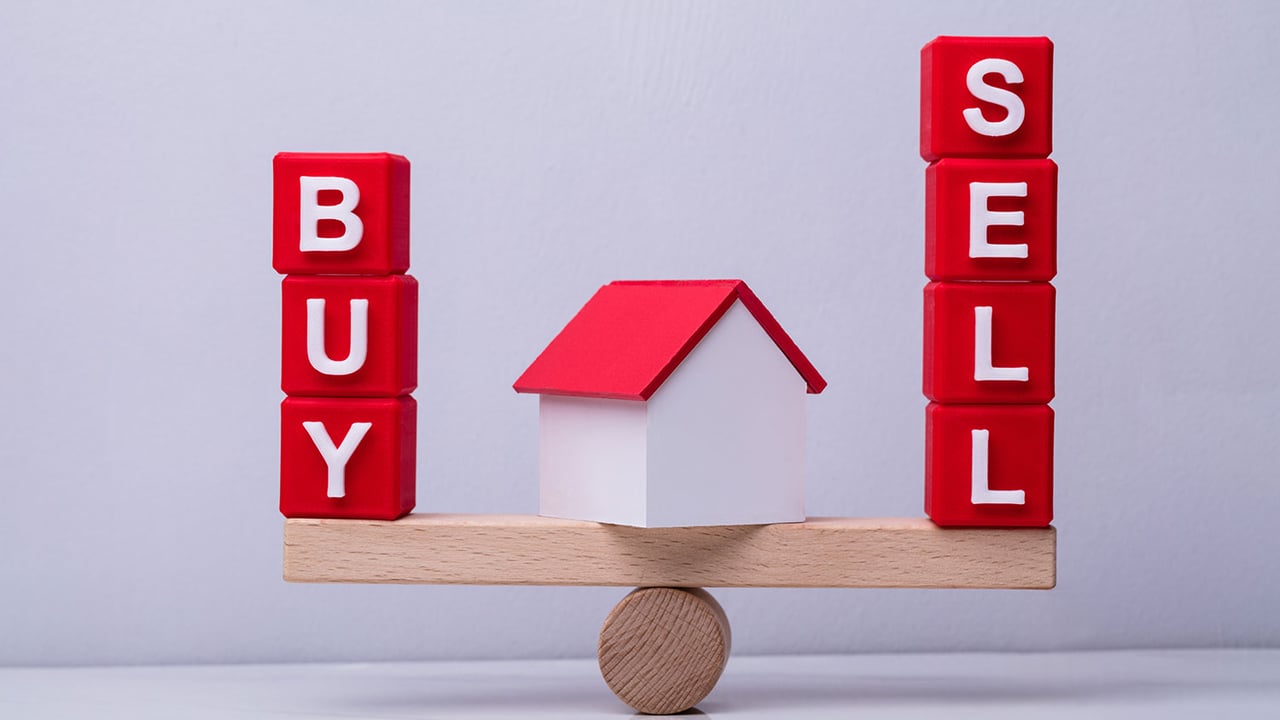

Buying or selling a home is exciting but once the offer is accepted, the process doesn’t end there. Welcome to the closing process your final step before the keys officially change hands. At the Sapir Team, we ensure every stage is clear, well-managed, and stress-free.
Whether you're a buyer or a seller, here’s what you should know about closing and how to prepare for it with confidence.
What Is the Closing Process in Real Estate?
The closing (also called settlement) is the final phase of a real estate transaction, where legal ownership transfers from the seller to the buyer. It typically takes place 30 to 60 days after the contract is signed, depending on financing, inspections, and other contingencies.
Step-by-Step Timeline to Closing
Here’s a simplified breakdown of what happens between an accepted offer and the actual closing date:
-
Earnest Money Deposit – After your offer is accepted, you’ll submit a deposit to show commitment.
-
Home Inspection – The buyer arranges for a professional inspection, which may lead to repair negotiations.
-
Appraisal – If financing is involved, the lender requires an appraisal to confirm the home’s value.
-
Loan Underwriting – The lender verifies the buyer’s financials and the property details for final loan approval.
-
Title Search and Insurance – A title company checks for legal claims or liens and ensures clean transfer of ownership.
-
Final Walkthrough – Buyers inspect the home to confirm its condition before closing.
-
Closing Day – All parties sign the documents, funds are exchanged, and the deed is recorded.
What to Bring on Closing Day
Buyers should bring a government-issued ID, proof of wire transfer or certified funds for closing costs, and any final loan documentation.
Sellers should bring ID, house keys, remotes, access codes, and forwarding information for utilities and mail.
Sapir Team Insight
Always review your Closing Disclosure at least three days before closing. It outlines your loan terms, payment schedule, and closing costs. If anything appears incorrect, contact your agent or lender immediately.
Understanding Closing Costs
Buyers typically pay 2% to 5% of the home’s purchase price in closing costs, which may include loan origination fees, title insurance, taxes, and more.
Sellers often cover the real estate agent commission and, in some areas, transfer taxes or other local fees.
The Sapir Team partners with trusted lenders and attorneys to minimize surprises and ensure every cost is accounted for.
Common Closing Delays
Closings can be delayed for various reasons, such as loan issues, inspection repairs, title disputes, or missing paperwork. Our team keeps all parties aligned and proactive to avoid last-minute problems.
Ready to Close with Confidence?
Whether you’re purchasing your first home or selling an investment property, the Sapir Team guides you every step of the way from offer to closing table and beyond.
Contact us today to learn how we ensure a smooth and successful closing process tailored to your goals.