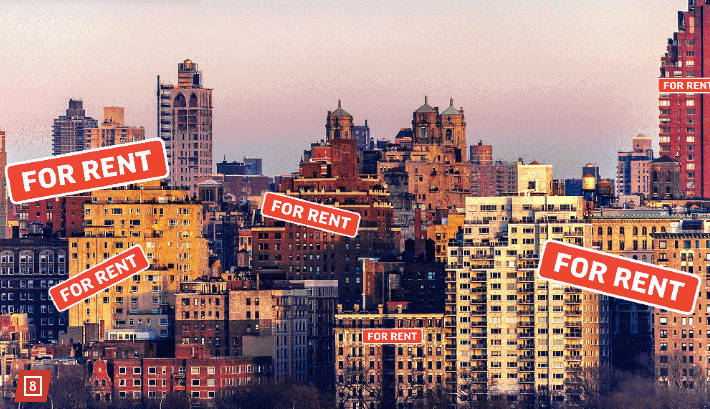
Every year, Manhattan sellers hear the same advice: wait for spring. The logic is intuitive — more foot traffic, more open houses, more buyers. But busy and advantageous are rarely the same thing. For sellers weighing their timing in 2026, the data makes a compelling case for moving before the traditional wave arrives.
Prices Are Already Strong
The most common argument for waiting is the assumption that prices will rise in spring. The current numbers challenge that directly. Manhattan's median sale price stands at $1.25M, up 4.3% year-over-year — a clear signal that values have not only stabilized but strengthened. Sellers are not waiting for a recovery. What changes in spring isn't the pricing environment. It's the competition.
Buyers Aren't Waiting Either
Winter buyers are often dismissed as less active. The absorption data says otherwise. Manhattan homes are averaging 85 days on market, reflecting steady demand even before peak season. The buyers driving those transactions are largely motivated by corporate relocations, financial sector timelines, lease expirations, and bonus cycles — factors that have nothing to do with the calendar. These buyers transact when they need to, not when the weather turns.
Spring Brings Inventory, Not Just Buyers
In a single recent month, Manhattan saw approximately 1,177 new listings enter the market — before the traditional spring surge even begins. As inventory rises, the dynamic shifts. Buyers gain more options, negotiation leverage tilts in their favor, and urgency softens. Manhattan currently sits at 4.7 months of inventory, consistent with a balanced market. That balance is fragile, and a seasonal influx can tip it quickly.
Sellers who list before that influx benefit from:
-
Greater visibility before the field fills in
-
Fewer direct side-by-side comparisons
-
Stronger negotiating position while supply is still constrained
Strategy Determines Outcomes
Approximately 11.9% of Manhattan sales close above asking price — a figure that reflects what's possible when a property is well-positioned and inventory is limited. As spring supply builds and buyer options multiply, the urgency that drives competitive offers softens. Properties that enter the market early are seen first, evaluated without direct competition, and listed at a moment when demand is active but supply hasn't caught up.
The Bottom Line
Manhattan runs on financial markets, corporate timelines, and global capital flows — not seasons. The buyers who move the needle are already in the market. Sellers who list before the spring wave frequently capture that pent-up demand, reduce their days on market, and avoid the negotiating dynamics that come with a crowded field.
Spring may be traditional. But in Manhattan real estate, the strongest outcomes tend to go to those who move first.