If your day starts with a train schedule, a Midtown meeting, or a flight to catch later in the week, where you live can shape how smoothly life runs. Living near Grand Central in Midtown East gives you something hard to find in Manhattan: direct access to a region-wide transit network, a wide mix of apartment types, and small but meaningful pockets of calm in the middle of a busy district. If you are wondering what daily life here really feels like, this guide will help you understand the tradeoffs, the housing options, and why this location works so well for many buyers. Let’s dive in.
Why Grand Central Changes Daily Life
Grand Central is more than a landmark. It is one of Manhattan’s most connected transit hubs, with Metro-North service on the Harlem, Hudson, and New Haven lines, subway connections at 42 St-Grand Central, and bus routes including the M1, M2, M3, M4, M42, M101, M102, and M103.
For you, that can mean less friction getting around the city and the region. Grand Central is also connected to Grand Central Madison for Long Island Rail Road service, which adds another layer of East Side access for commuters and frequent travelers.
The transit experience has also improved recently. In 2025, the MTA completed a new passageway from Grand Central Terminal to the 7 line platform as part of the Grand Central-42 St station upgrade project.
That matters because convenience here is not just about being close to a station entrance. It is about having multiple rail, subway, and bus options within a few minutes of home.
What Midtown East Near Grand Central Feels Like
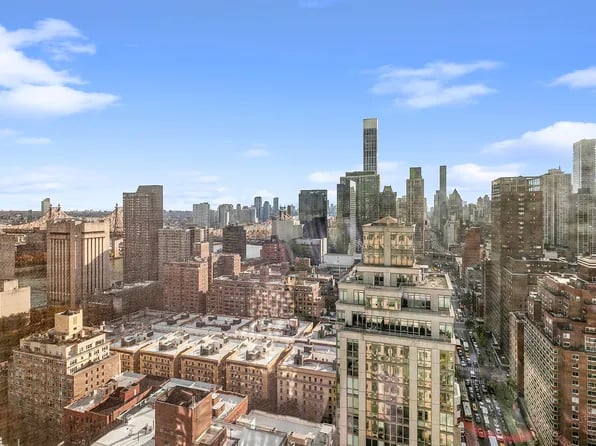
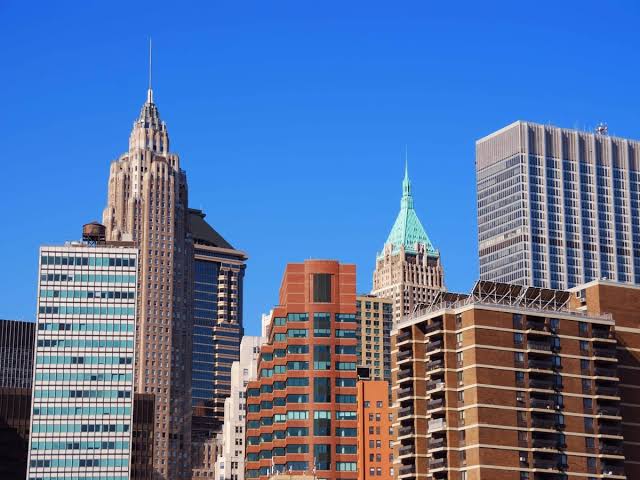
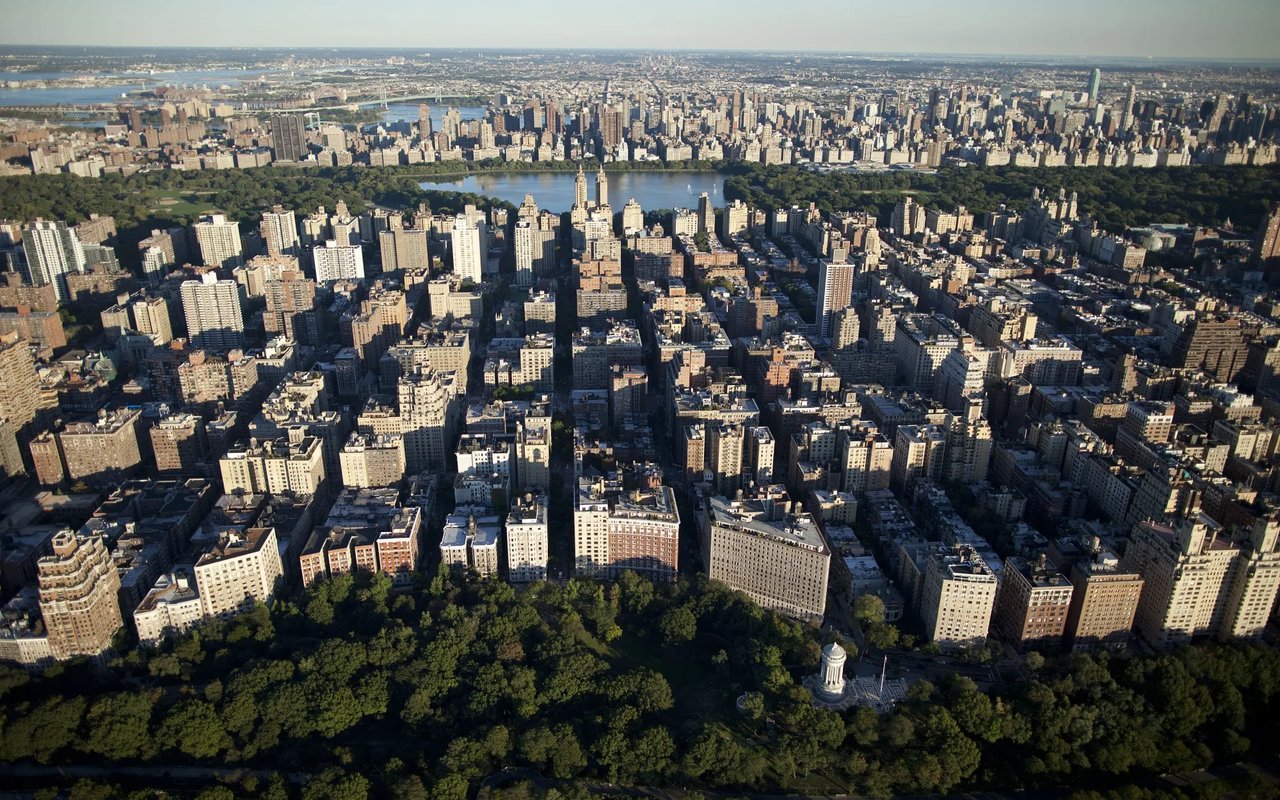
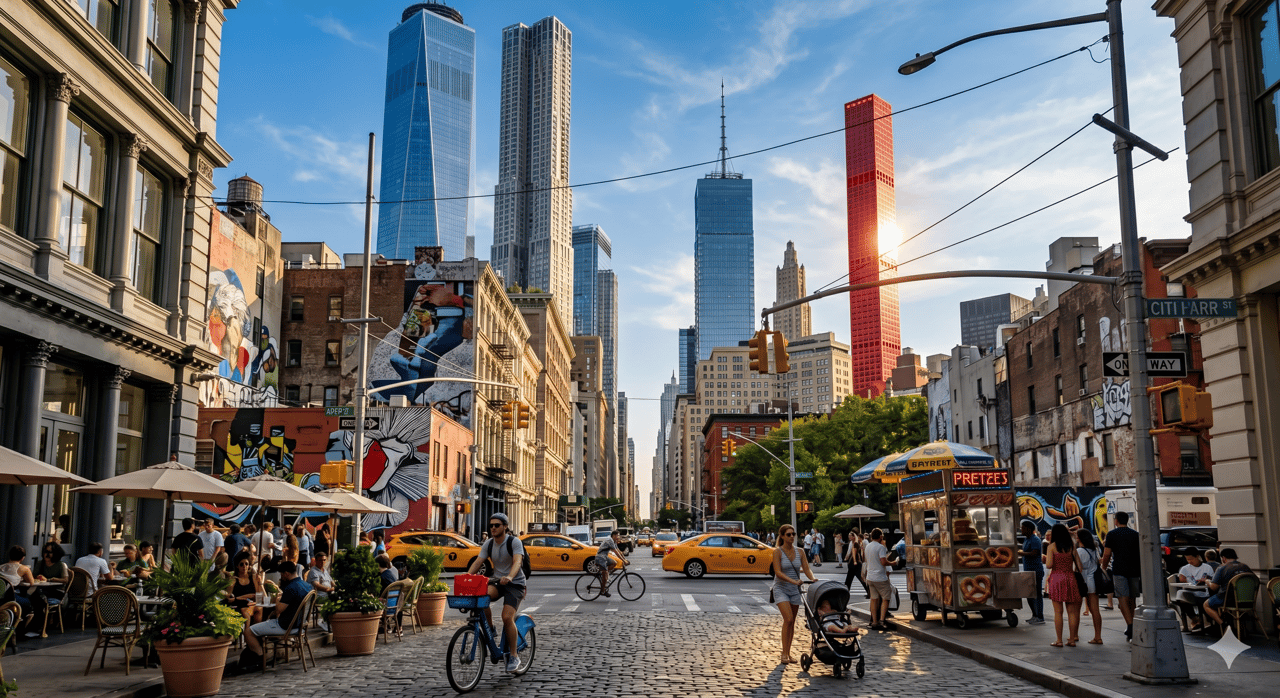
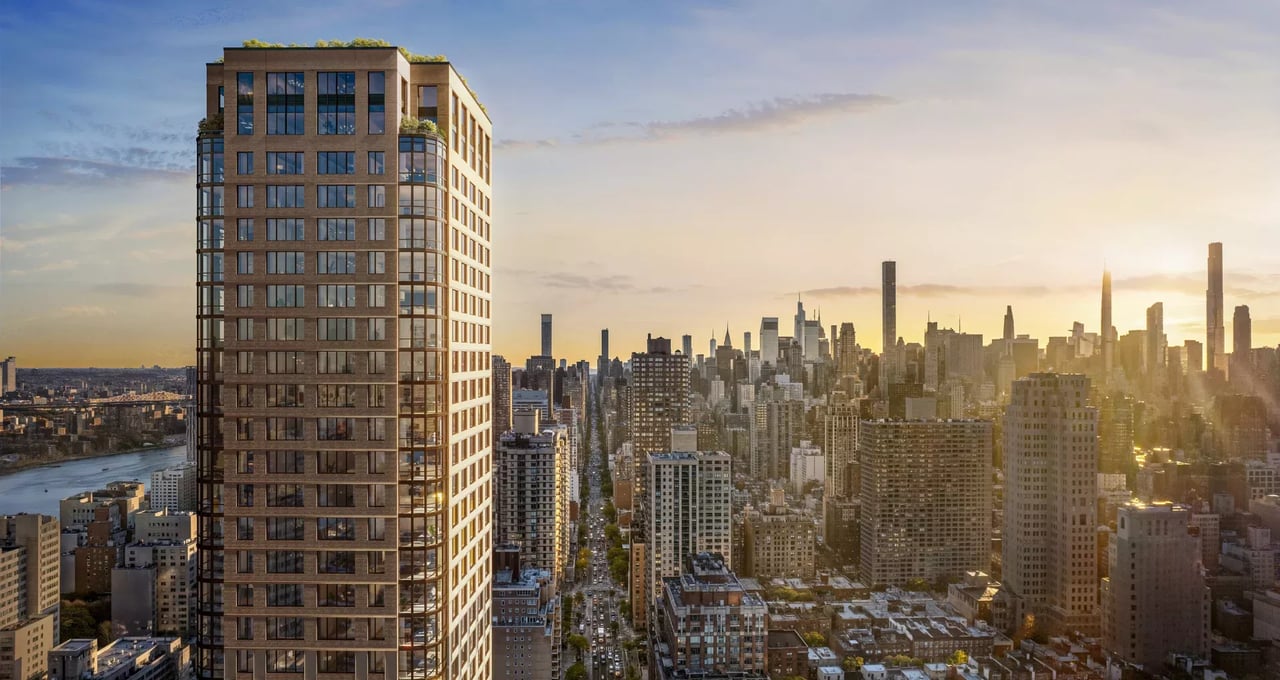
The area around Grand Central sits in the heart of East Midtown, which NYC Planning describes as a district anchored by Grand Central Terminal and surrounded by landmark office towers, hotels, civic structures, and other major buildings. In plain terms, this is a center-city address first and foremost.
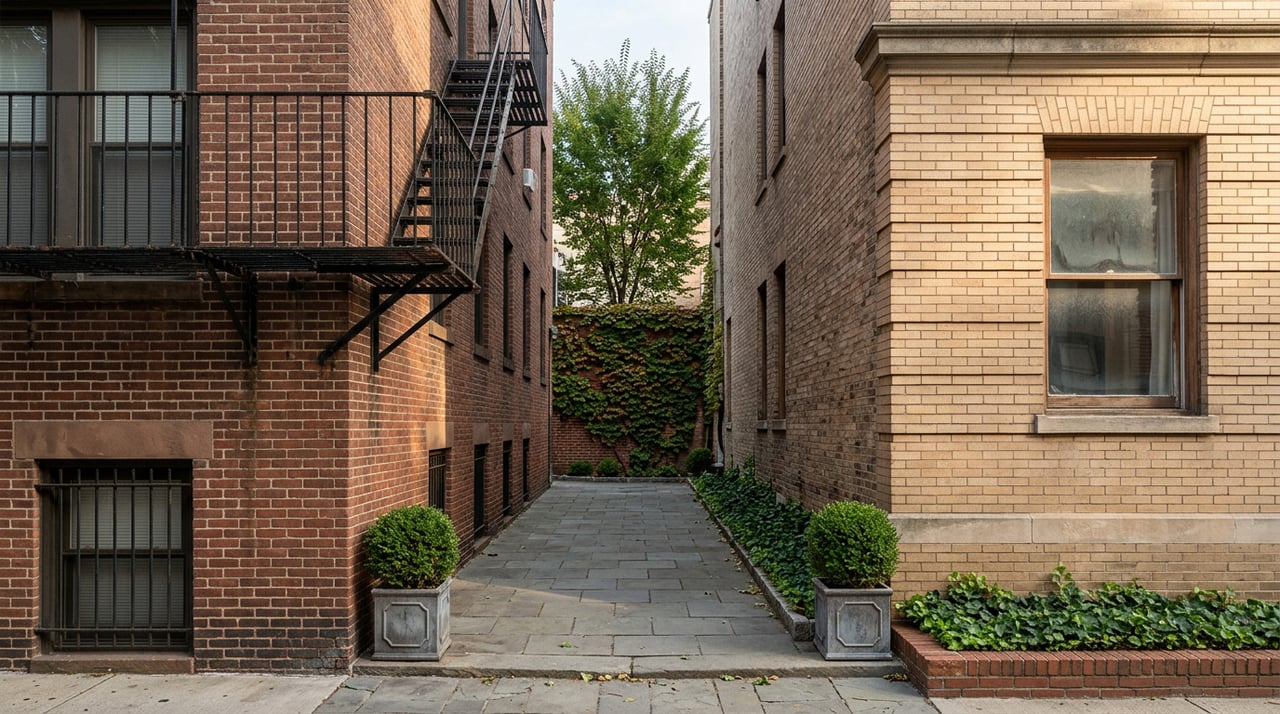
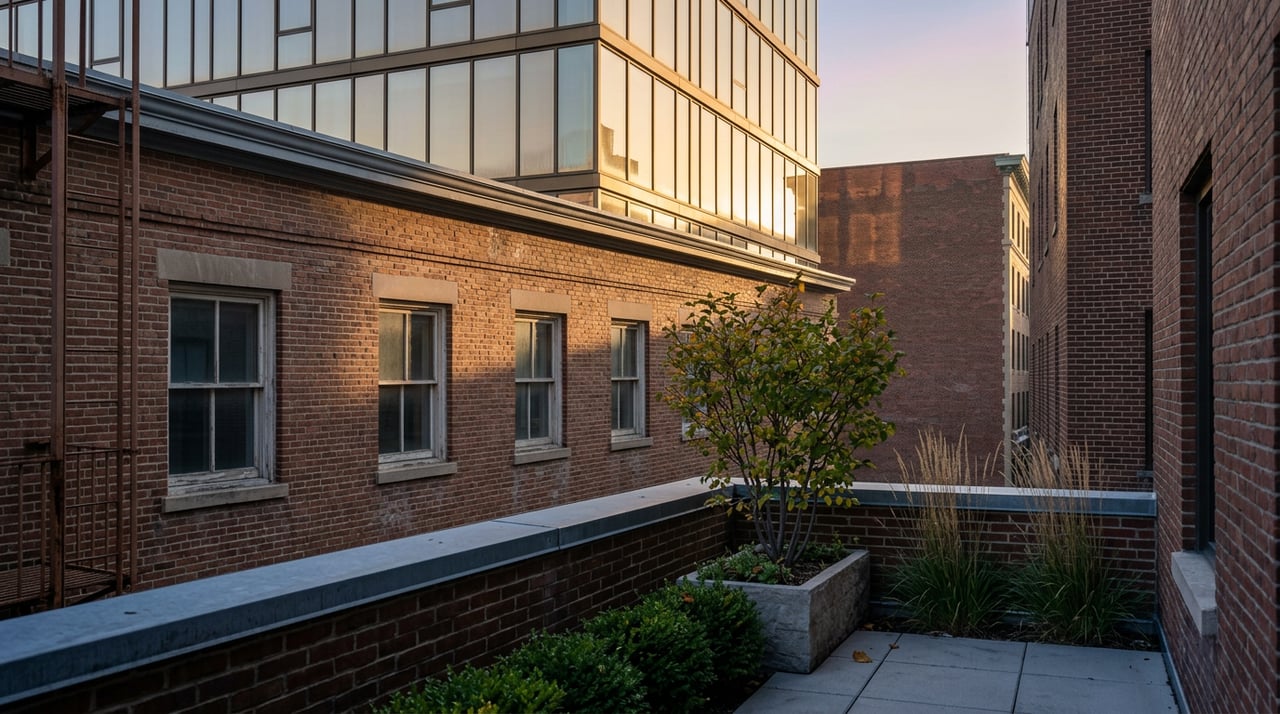
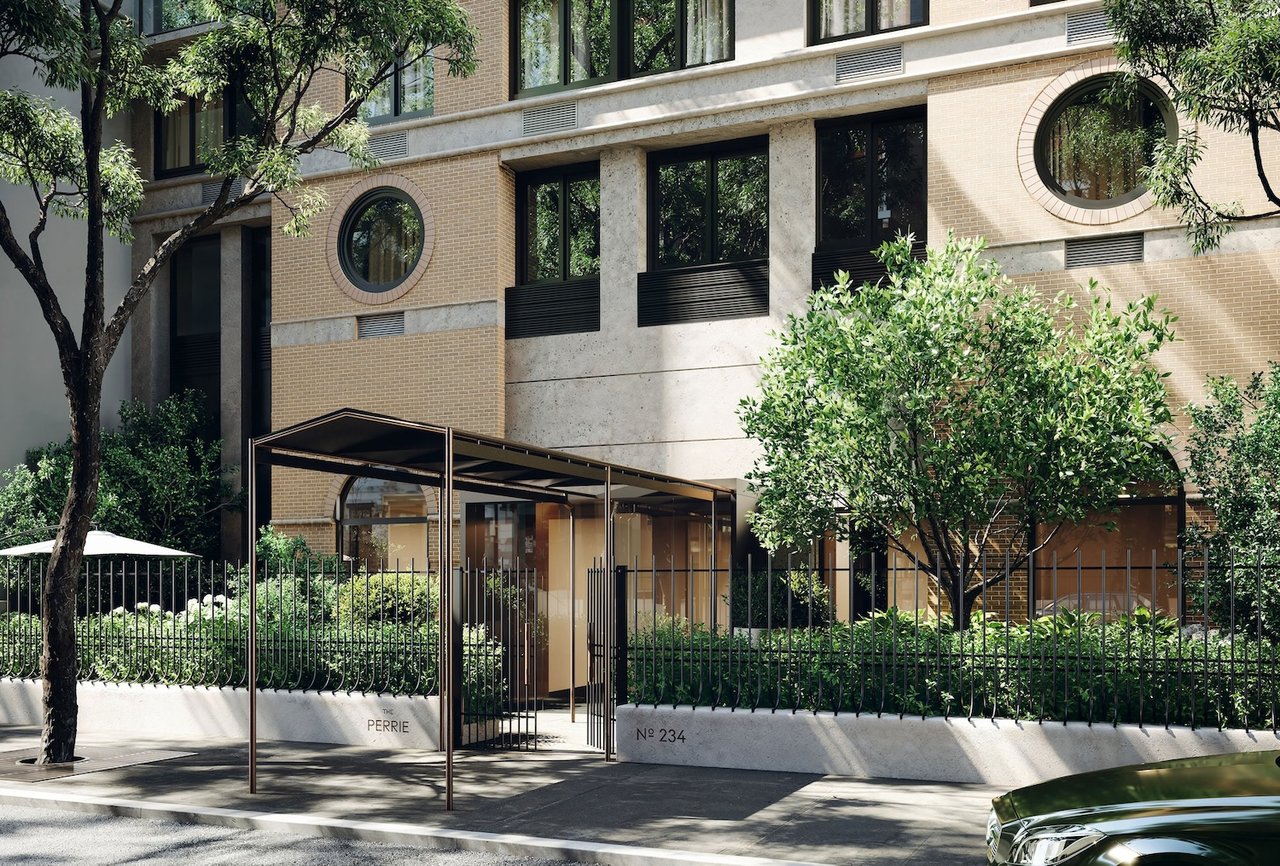
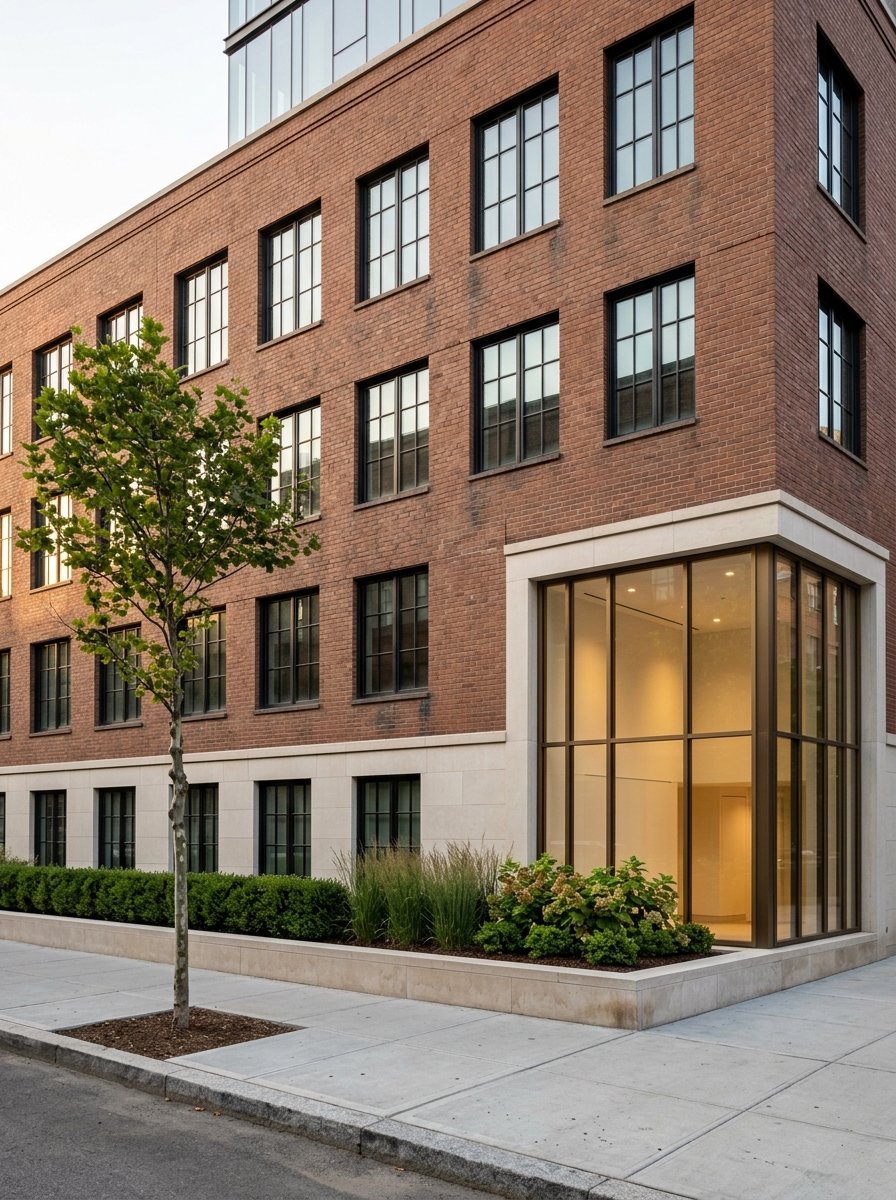
That said, living here does not mean you are surrounded only by office space. The residential experience becomes more visible on side streets and in nearby enclaves, where apartment buildings create a real neighborhood layer within the larger business district.
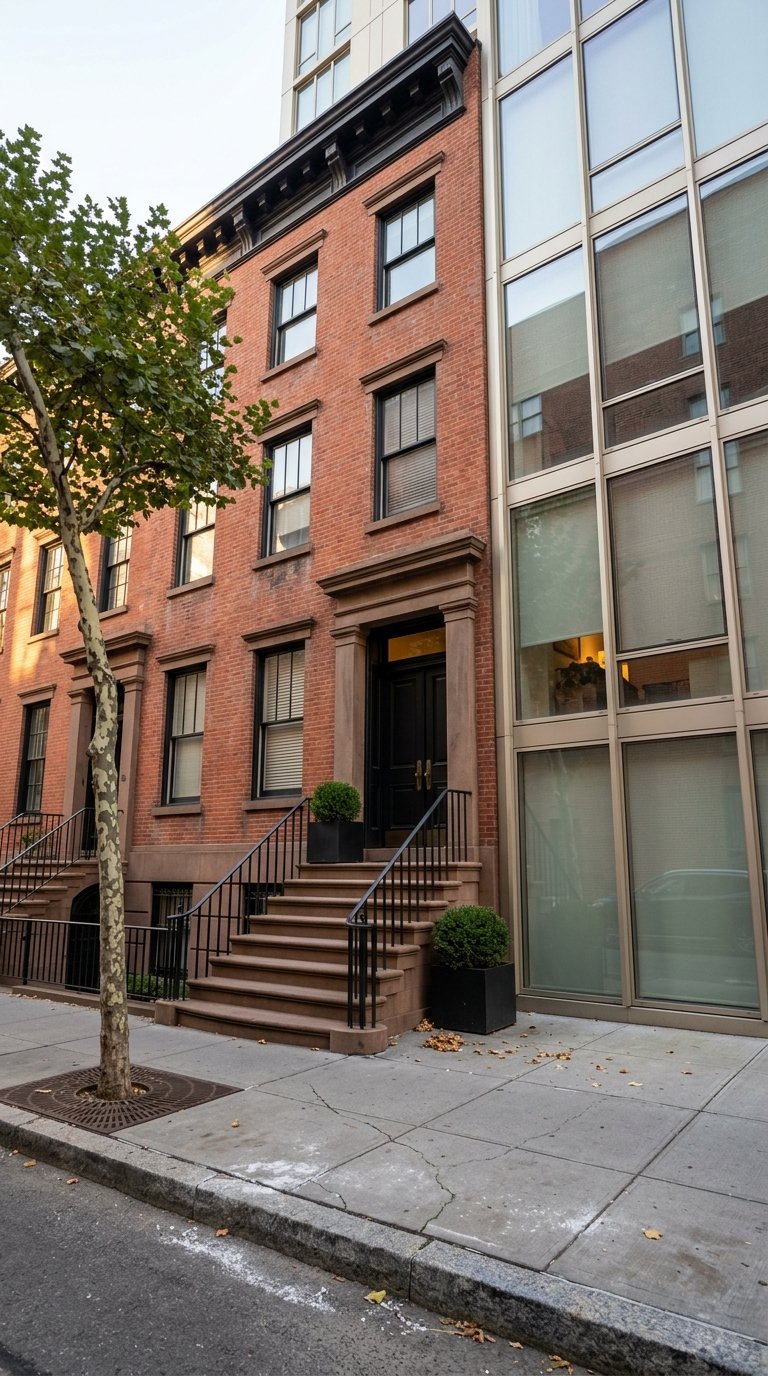
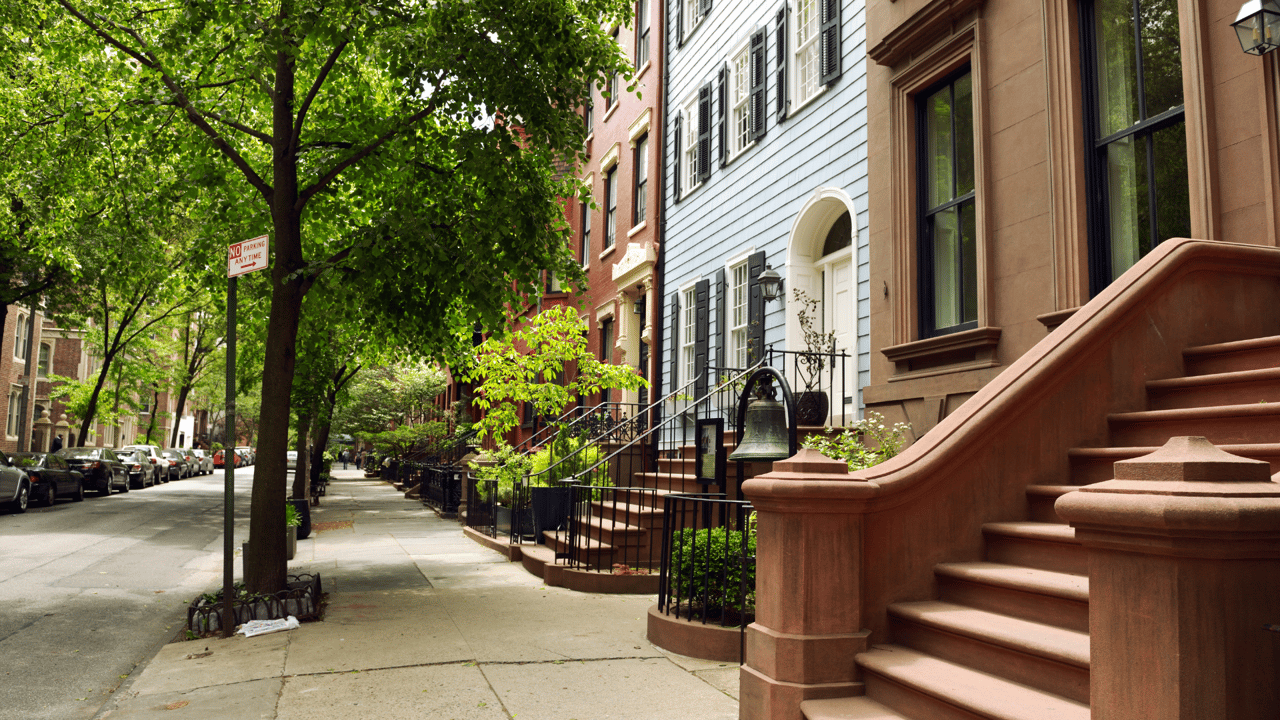
This is an important expectation to get right. Midtown East near Grand Central is not a low-rise, townhouse-style neighborhood with constant local street texture. Its appeal is efficiency, access, and the contrast between busy avenues and quieter residential pockets.
Who This Location Often Suits Best
If you value time, this location tends to make sense quickly. Buyers who prioritize fast access to trains, corporate offices, and cross-city connections often find Midtown East especially practical.
That can include professionals working in finance, law, consulting, and other office-based industries, along with regional commuters and frequent travelers. StreetEasy also notes that professionals are drawn to Midtown East for its convenient commute and proximity to corporate headquarters.
You do not have to work in a tower nearby to appreciate the benefit. If you simply want a Manhattan home base with strong transportation options, Grand Central can make the entire city and surrounding region feel more accessible.
Housing Options Near Grand Central
One of the most useful things to know is that Midtown East is a broad housing market, not a single building type or lifestyle. StreetEasy’s Midtown East data, printed May 23, 2026, showed 1,096 listings for sale, a median asking price of $899,000, and 94 new-development listings.
That inventory spans areas such as Sutton Place, Tudor City, Beekman, Murray Hill, Kips Bay, and Turtle Bay. For you, that means the search near Grand Central can include everything from classic co-ops in established residential pockets to newer condos in more recently developed corridors.
In practical terms, you are not choosing only a location. You are also choosing a building style, ownership structure, and level of building oversight that fits how you want to live.
Co-ops in Established Pockets
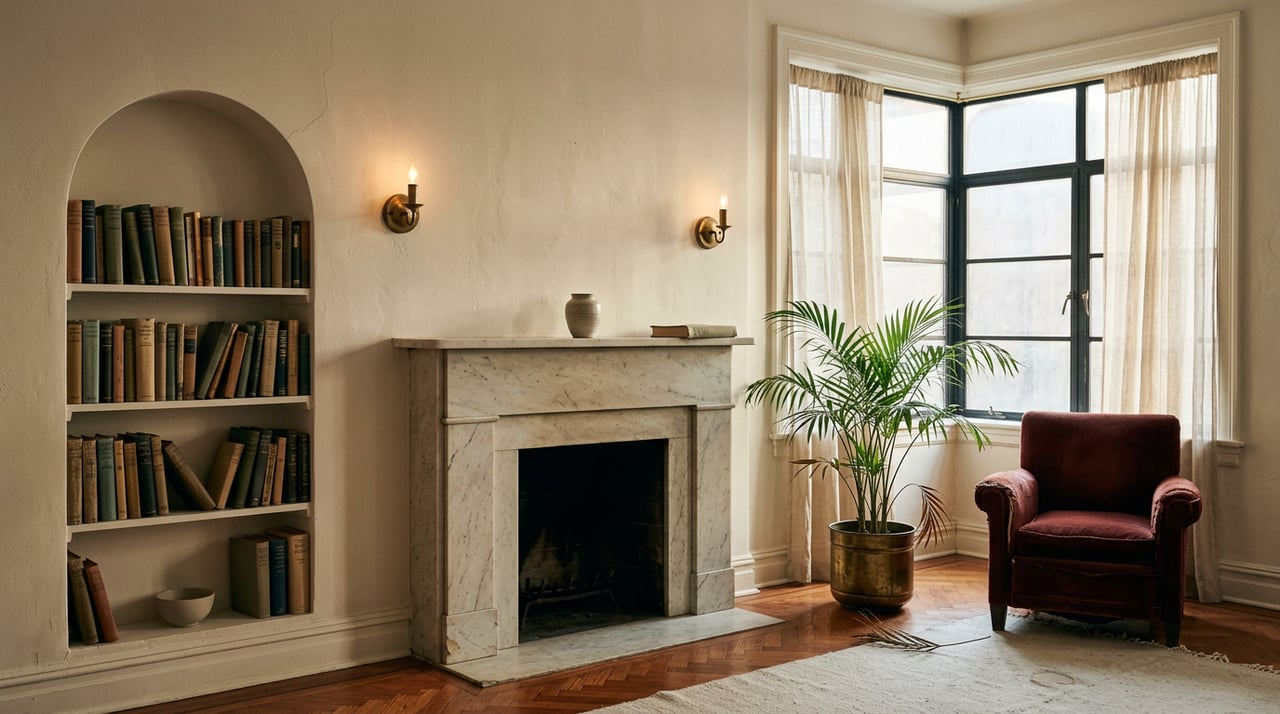
Near Grand Central, older co-op stock is common in long-established residential enclaves. Tudor City offers a strong example of this pattern, with its historic apartment buildings and landmarked parks tied to an early cooperative conversion story.
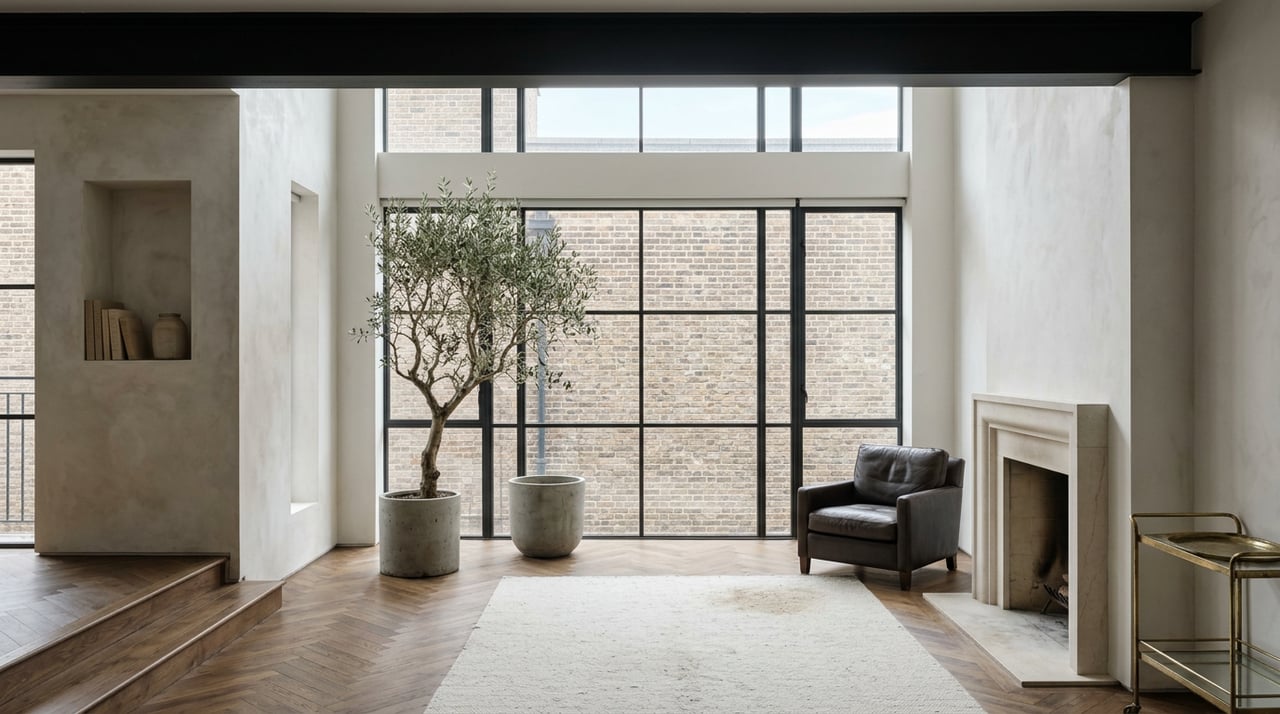
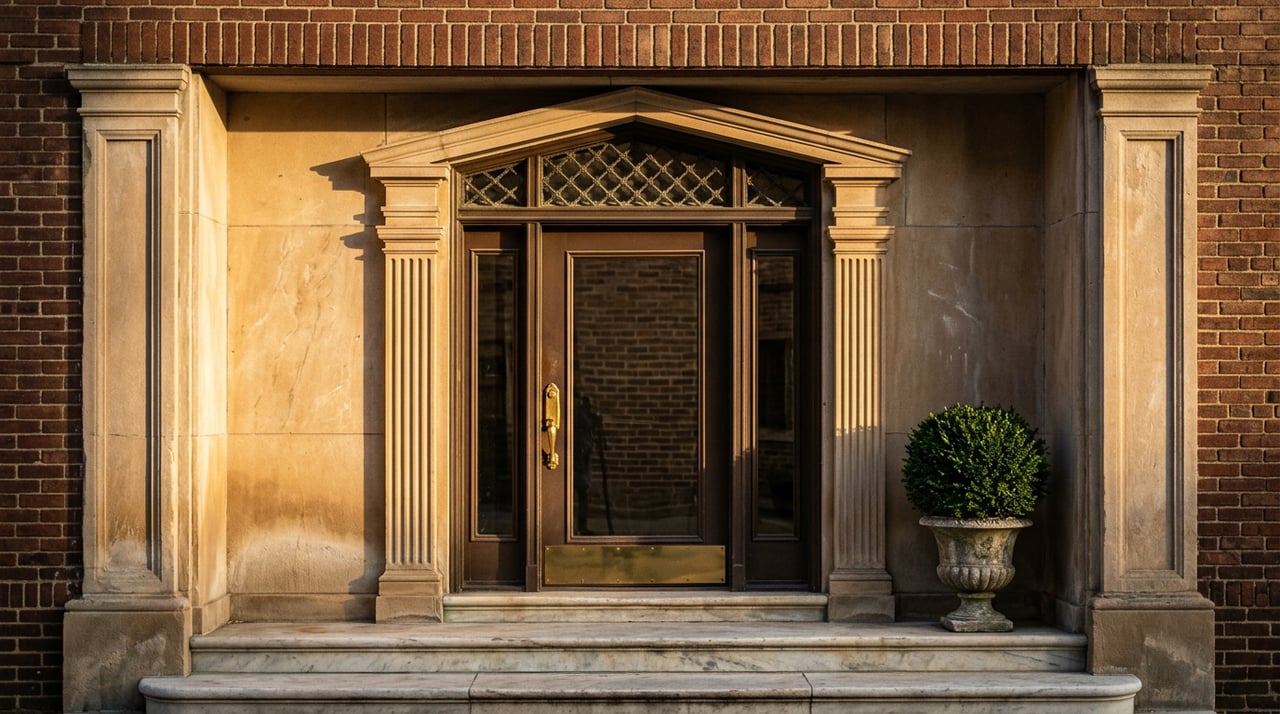
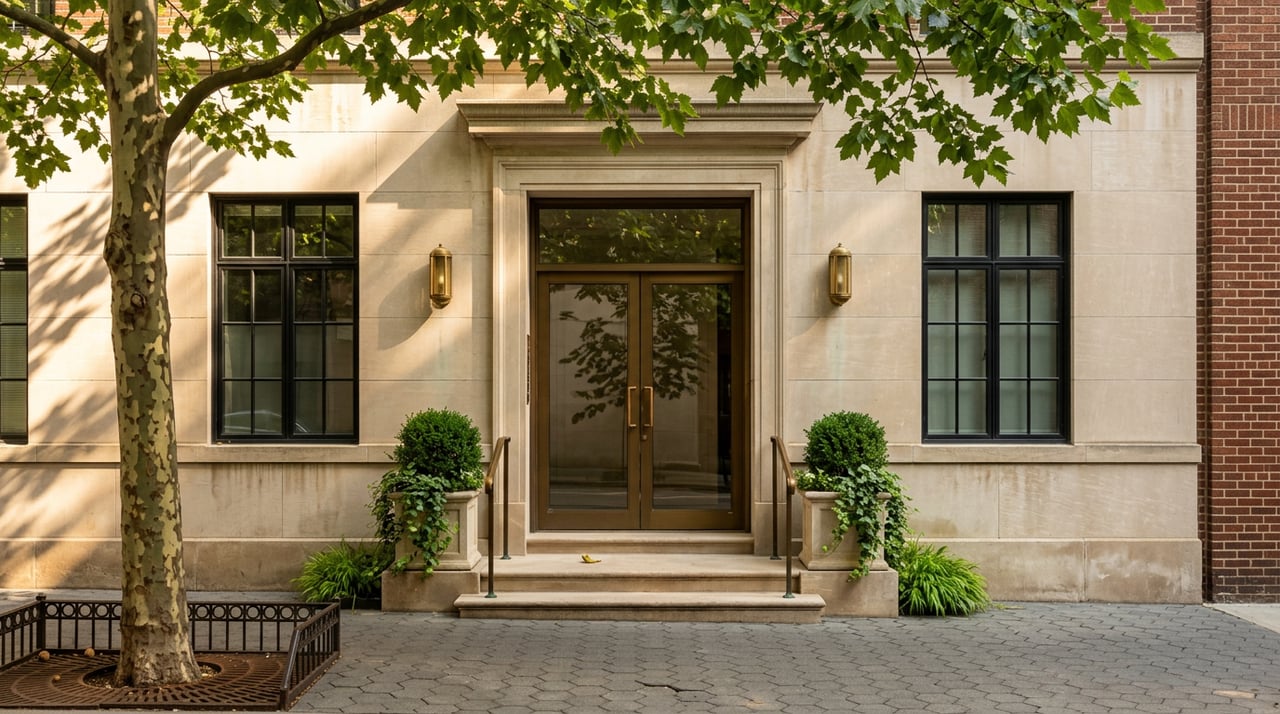
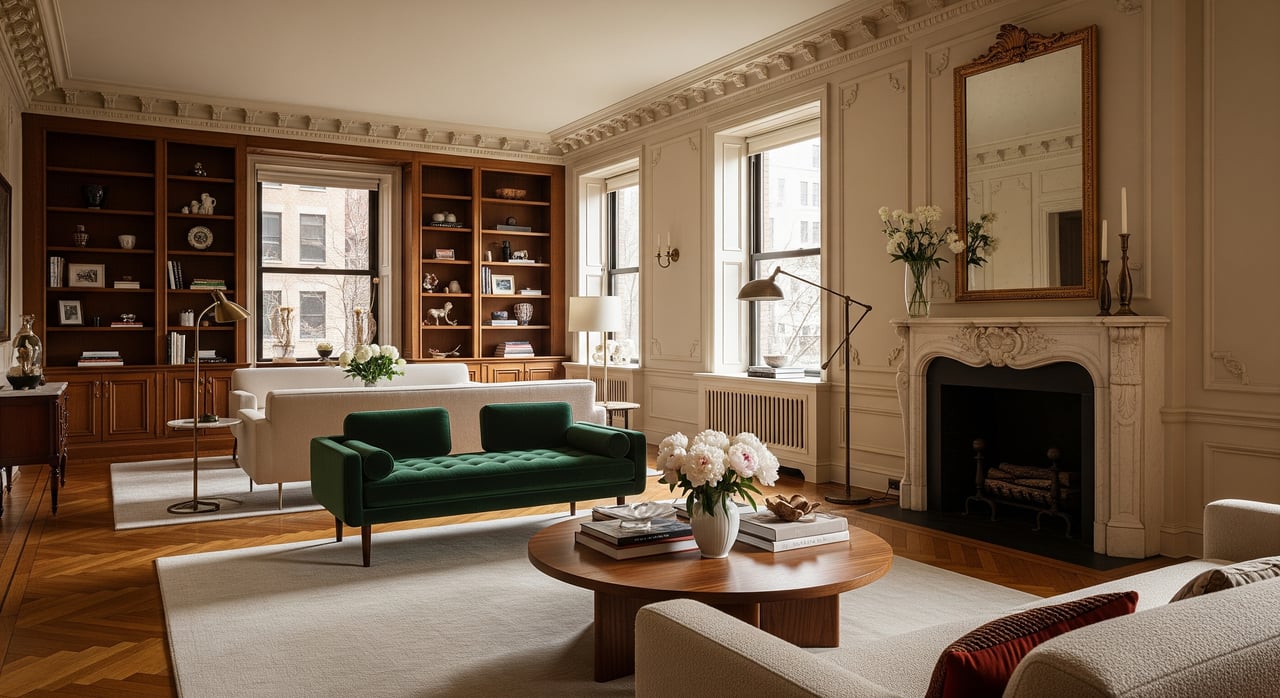
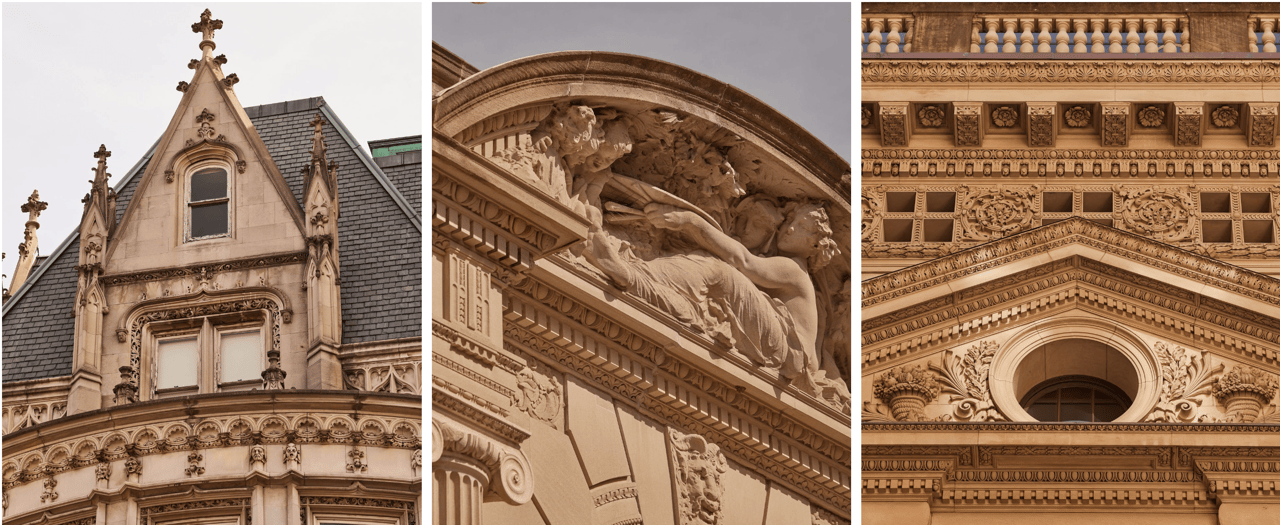
If you are drawn to classic Manhattan architecture, this part of the market may be especially appealing. These buildings often offer character, established layouts, and a sense of continuity that many buyers still seek in Midtown.
With that appeal comes the need for close review. The New York State Attorney General advises buyers of co-ops and condos to read the full offering plan, consult an attorney before signing a purchase agreement, and review board minutes and financial reports when evaluating an existing building.
Condos and Newer Development
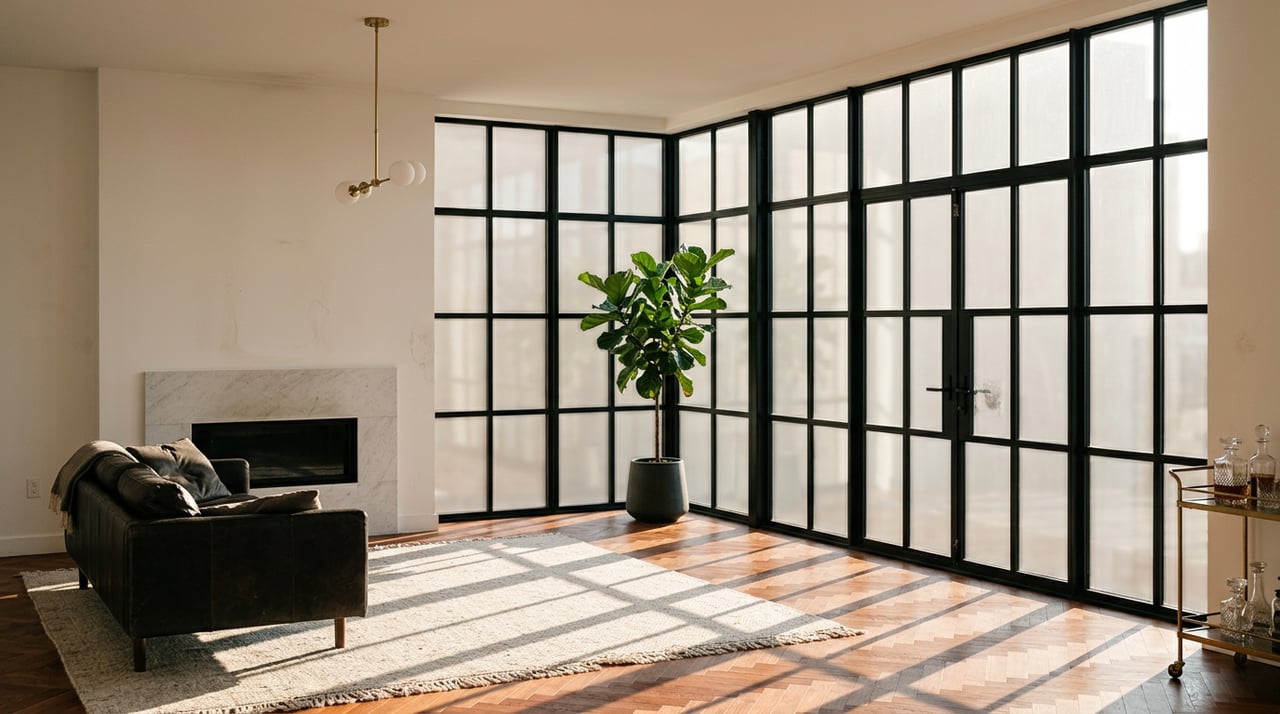
Newer condo inventory also plays an important role in Midtown East. StreetEasy’s live market feed shows condos and new-development options mixed into the broader neighborhood, giving buyers a more modern alternative to older co-op stock.
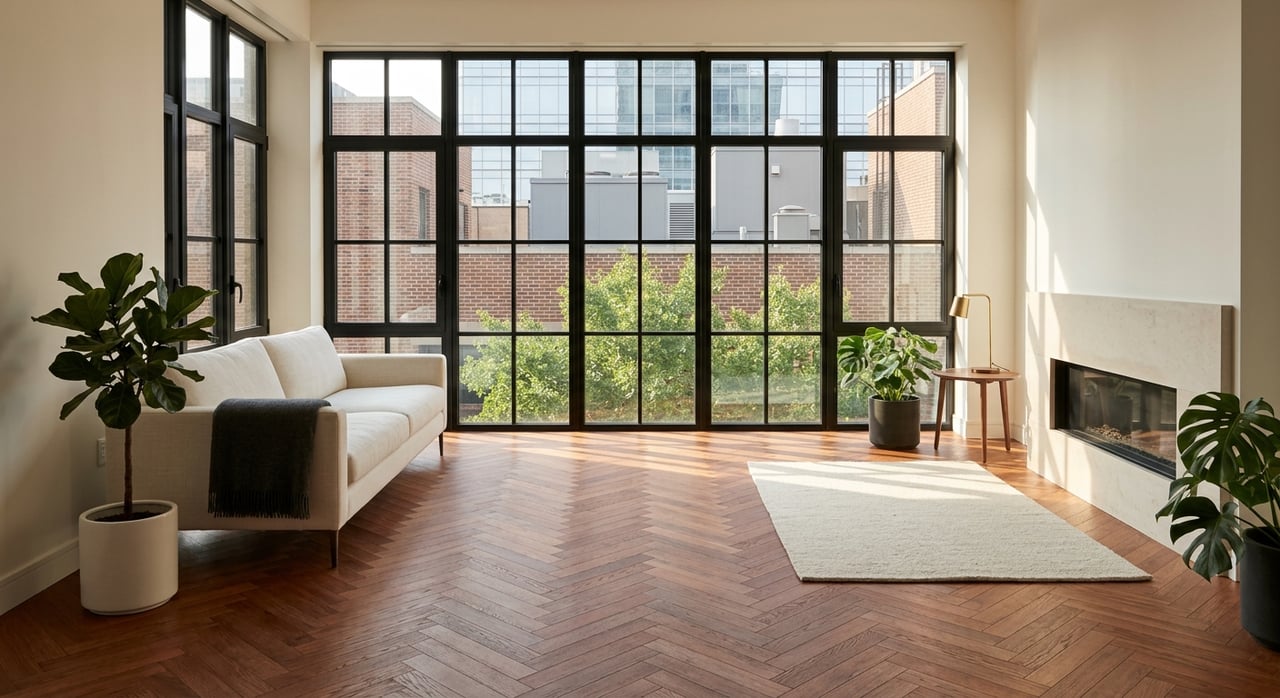
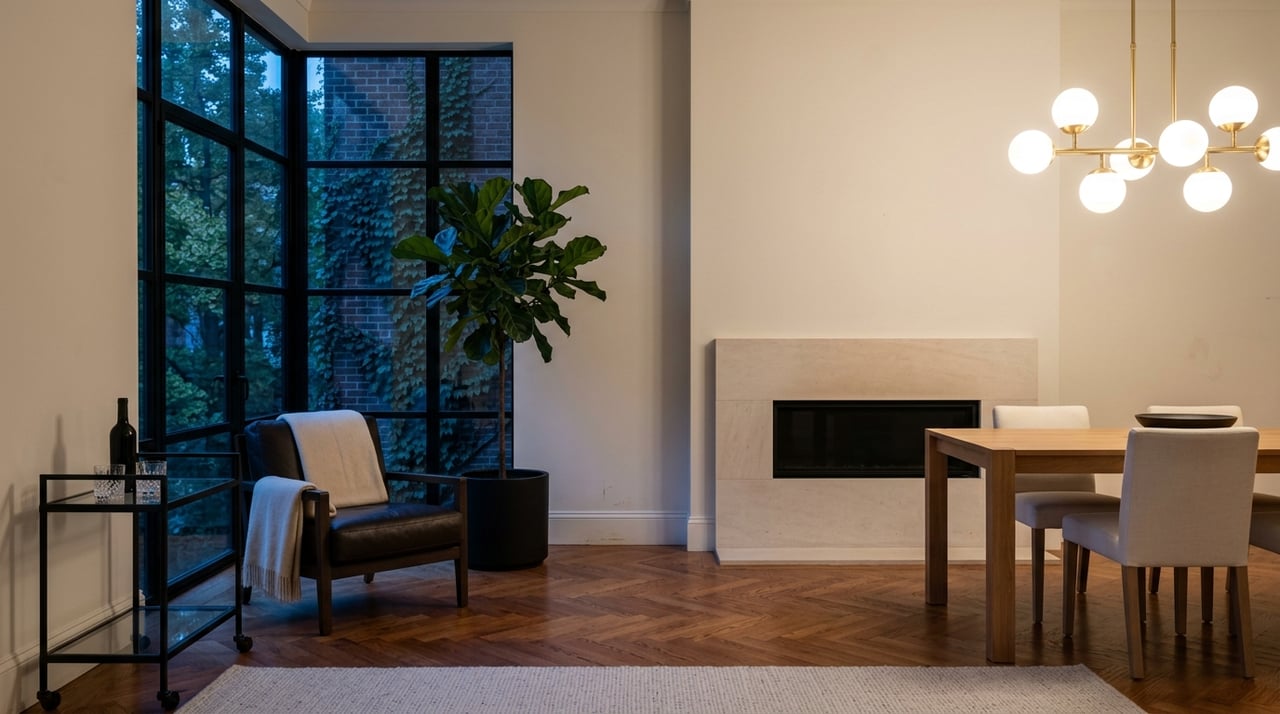
If you prefer newer finishes, amenity packages, or a sponsor-built product, condos may be where your search naturally narrows. In this segment, buyers often focus more on finish level, services, and disclosure materials tied to the building and sponsor.
This does not make one category better than the other. It simply means your decision near Grand Central often starts with how much value you place on prewar character versus newer construction features.
What Buyers Should Review Carefully
In Midtown East, due diligence matters because the housing stock is mixed and many buildings have long operating histories. According to the New York State Attorney General, important building-wide items in older properties can include facades, roofs, elevators, plumbing, electrical systems, and boilers.
That list is especially relevant if you are considering an older co-op near Grand Central. A beautiful lobby or strong location does not replace the need to understand the building’s condition, financial reporting, and recent board activity.
A careful review can help you compare two apartments more clearly. Sometimes the better fit is not the unit with the flashiest first impression, but the one in the building with stronger documentation and fewer unresolved building-wide concerns.
Everyday Convenience Is a Real Selling Point
One of the underrated benefits of living near Grand Central is how much daily convenience is built into the area. Grand Central Terminal’s dining and retail ecosystem serves residents, office workers, commuters, and visitors throughout the day.
The terminal is open to the public daily from 5:15 AM to 2:00 AM, and its dining options include casual choices such as Central Market New York, Shake Shack, Tartinery, and Zaro’s Family Bakery, along with destinations like Cipriani Dolci and Grand Central Oyster Bar.
For you, that can make everyday life easier. Whether you need a quick breakfast before an early train, a simple dinner on the way home, or a last-minute errand, having those options close by adds practical value beyond the apartment itself.
Finding Calm in a Busy District
A common concern about living near Grand Central is noise and pace. That concern is fair, because this is one of Manhattan’s busiest districts.
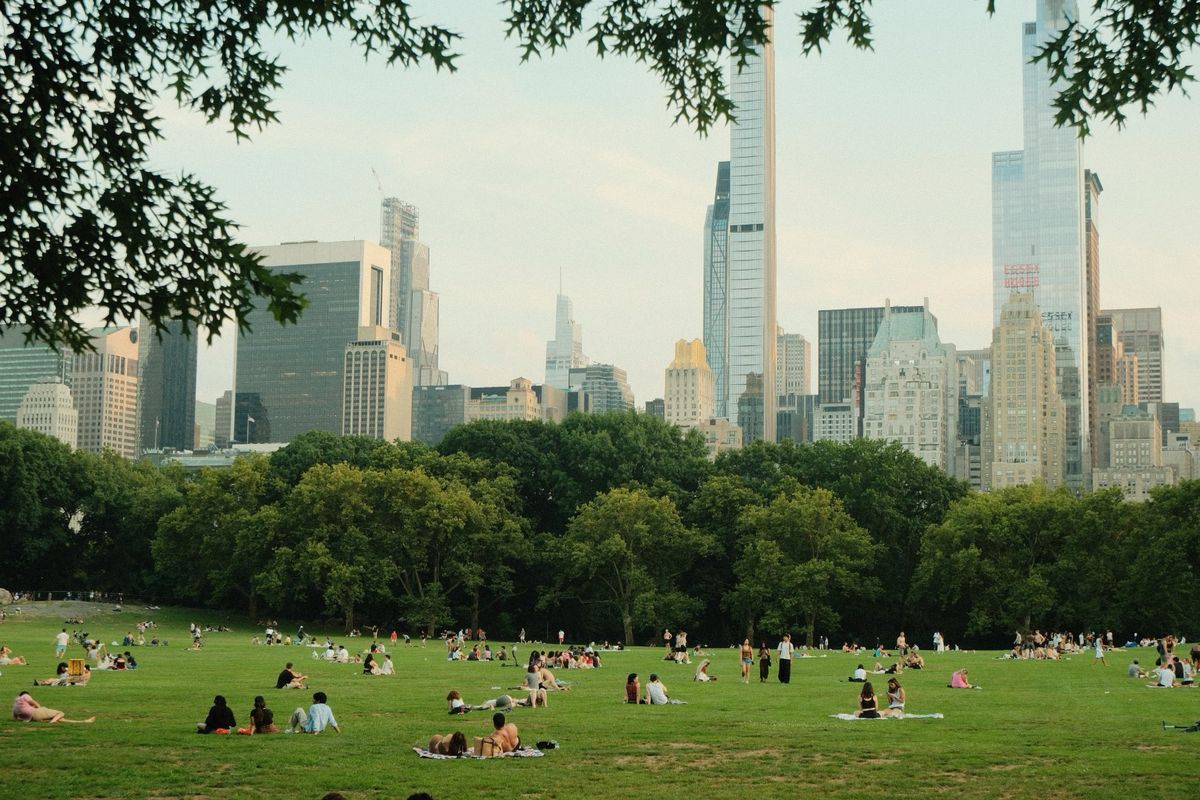
The good news is that Midtown East offers intentional pockets of quiet, even if it does not feel quiet in the suburban sense. Places like Paley Park, Greenacre Park, Tudor City Greens, and Sutton Place Park give the area moments of relief through water features, planting, seating, and small-scale green space.
Paley Park describes itself as a tranquil oasis in Midtown, and its waterwall is designed to help mute city noise. Greenacre Park and the public parks of Tudor City offer a similar kind of reset, while Sutton Place Park adds a waterfront element on the East River side.
That mix helps define the neighborhood experience. You get the energy and access of East Midtown, but you can still step into calmer spaces when you want a break from the pace.
The Main Tradeoff to Understand
Every Manhattan neighborhood asks you to prioritize something. Near Grand Central, the biggest advantage is access, and the main tradeoff is that street-level character can feel more commercial than in a low-rise residential district.
That does not mean the area lacks residential appeal. It means the best version of living here often comes from knowing where to look, especially on side streets and in established enclaves where the apartment-building fabric feels more settled.
If your top priorities are transit, convenience, and a central Manhattan address, that tradeoff may feel more than worth it. If you want a quieter, more intimate street scene outside your door at all hours, you may want to compare Midtown East carefully with more purely residential neighborhoods.
How to Approach a Search Here
When you are evaluating homes near Grand Central, it helps to think in layers instead of searching by address alone. Focus on these questions:
- How close do you want to be to Grand Central itself?
- Do you prefer a classic co-op or a newer condo?
- How important are building amenities versus architectural character?
- Would you rather be closer to the busiest corridors or tucked into a quieter side street or enclave?
- How much building due diligence are you comfortable taking on?
That approach usually leads to a better result than chasing square footage alone. In this part of Manhattan, building quality, block feel, and transit access can shape your long-term satisfaction just as much as the apartment’s interior.
If you are considering a move to Midtown East, the right guidance can make a real difference, especially when comparing co-ops and condos near Grand Central. For tailored advice on buildings, block-by-block context, and a smooth buying process, book a private consultation with Dana Sapir.
FAQs
What is living near Grand Central in Midtown East like?
- Living near Grand Central means being in a highly connected, mixed-use part of Manhattan with strong transit access, apartment buildings on nearby side streets and enclaves, and small parks that offer pockets of calm within a busy district.
What transit options are available near Grand Central Terminal?
- Grand Central offers Metro-North service on the Harlem, Hudson, and New Haven lines, subway access at 42 St-Grand Central, bus routes including the M1, M2, M3, M4, M42, M101, M102, and M103, and a connection to Grand Central Madison for Long Island Rail Road service.
What types of homes can you buy near Grand Central in Midtown East?
- Buyers near Grand Central can find a mix of co-ops, condos, and some new-development homes across Midtown East, including residential pockets such as Sutton Place, Tudor City, Beekman, Murray Hill, Kips Bay, and Turtle Bay.
What should buyers review in a Midtown East co-op or condo building?
- Buyers should review the offering plan, consult an attorney before signing a purchase agreement, and examine board minutes, financial reports, and major building systems such as facades, roofs, elevators, plumbing, electrical systems, and boilers.
Are there quiet places near Grand Central in Midtown East?
- Yes. While the area is busy, nearby spaces such as Paley Park, Greenacre Park, Tudor City Greens, and Sutton Place Park offer quieter settings with seating, greenery, water features, and, in some cases, waterfront access.
Is Midtown East near Grand Central a good fit for commuters?
- Midtown East near Grand Central is often a strong fit for commuters because it offers direct access to regional rail, subways, buses, and Long Island Rail Road service from Grand Central Madison, all in one central location.