What does a full day in Greenwich Village actually feel like? If you are considering a move here, you are probably looking for more than a map pin or a list of famous spots. You want to know how the neighborhood moves, where it slows down, and what kind of everyday rhythm you can expect. This guide walks you through Greenwich Village from morning coffee to late-night music so you can picture the lifestyle with more clarity. Let’s dive in.
Why Greenwich Village Feels Distinct
Greenwich Village stands apart because its identity is shaped by preservation, activism, and culture rather than one main commercial strip. Manhattan Community Board 2 describes the area through its political history, architectural character, and artistic community, which helps explain why the neighborhood feels layered and deeply established.
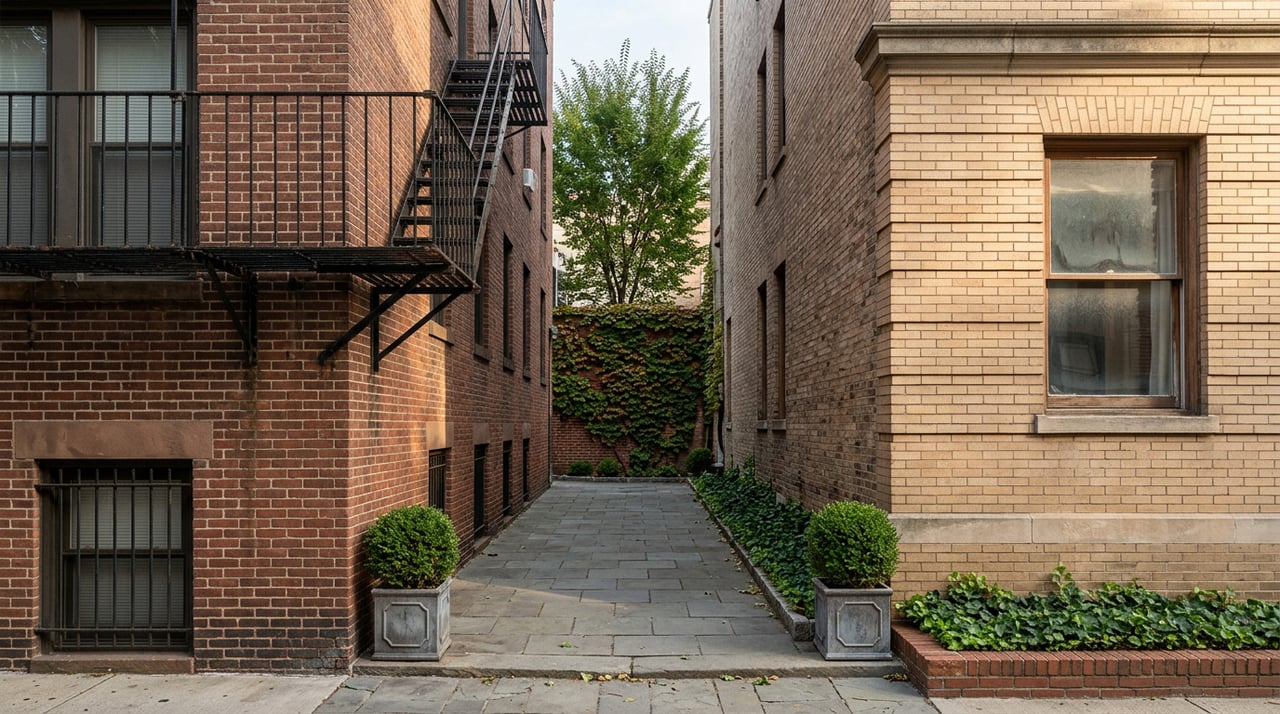
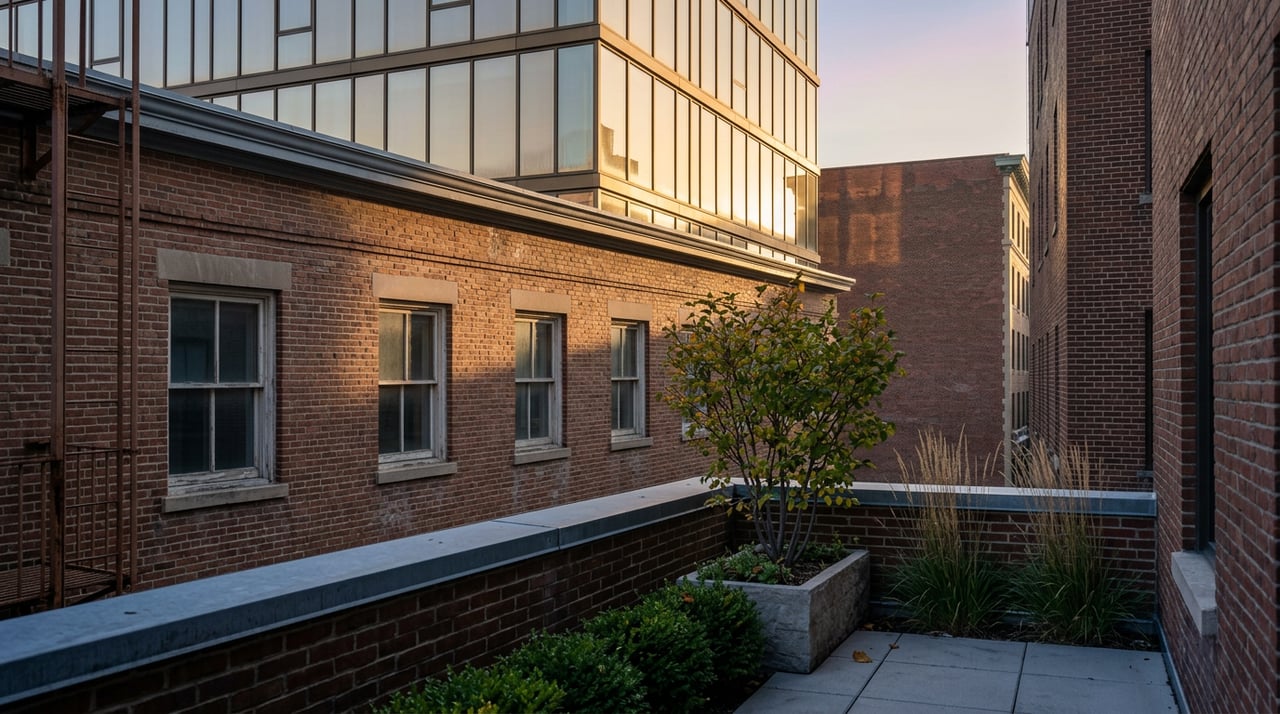
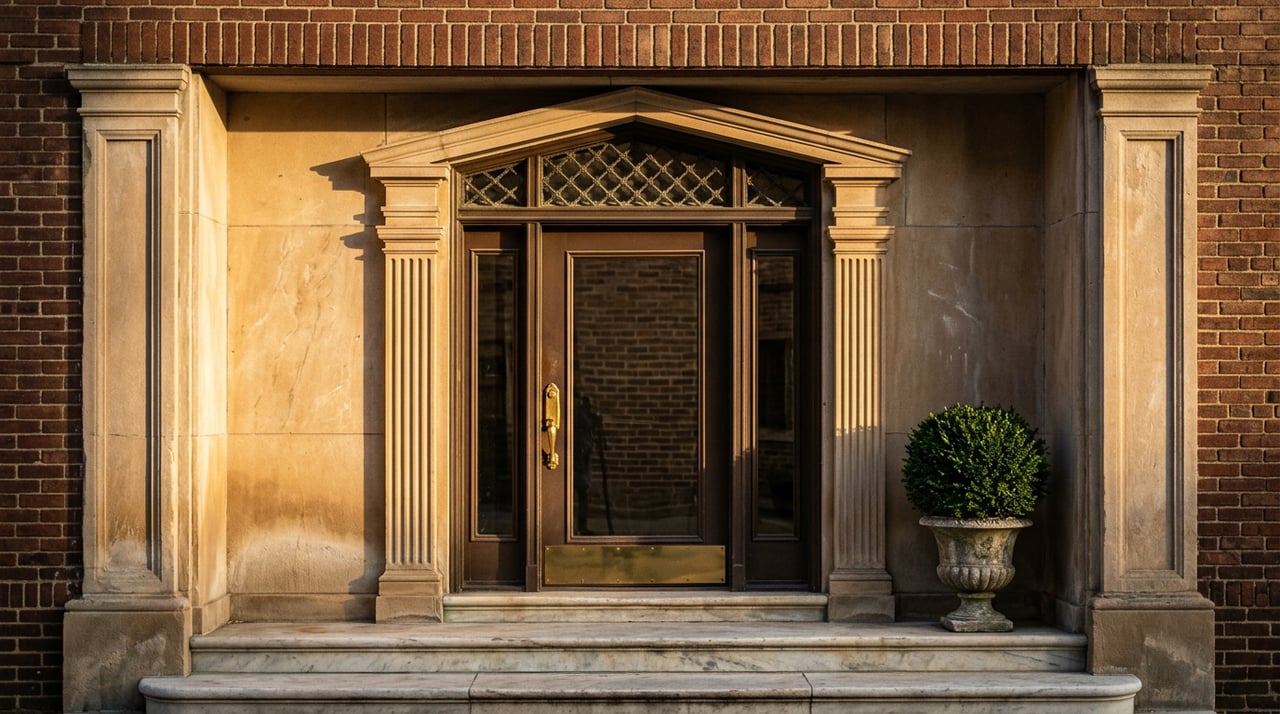
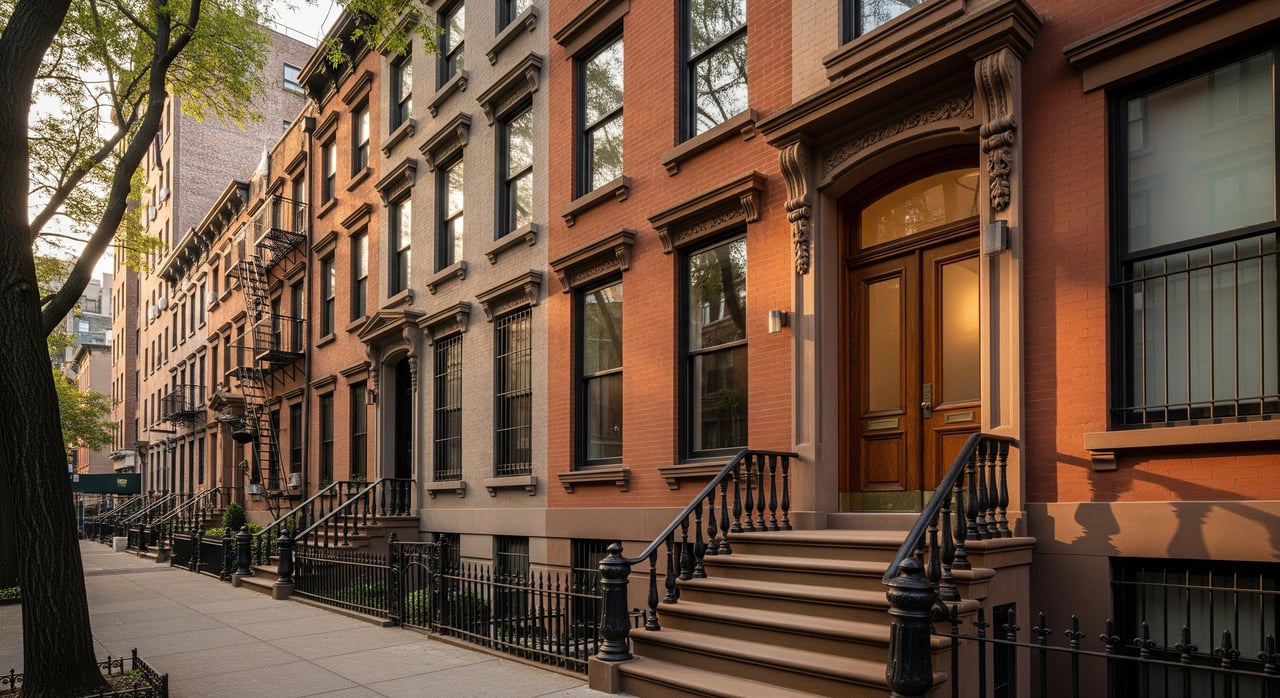
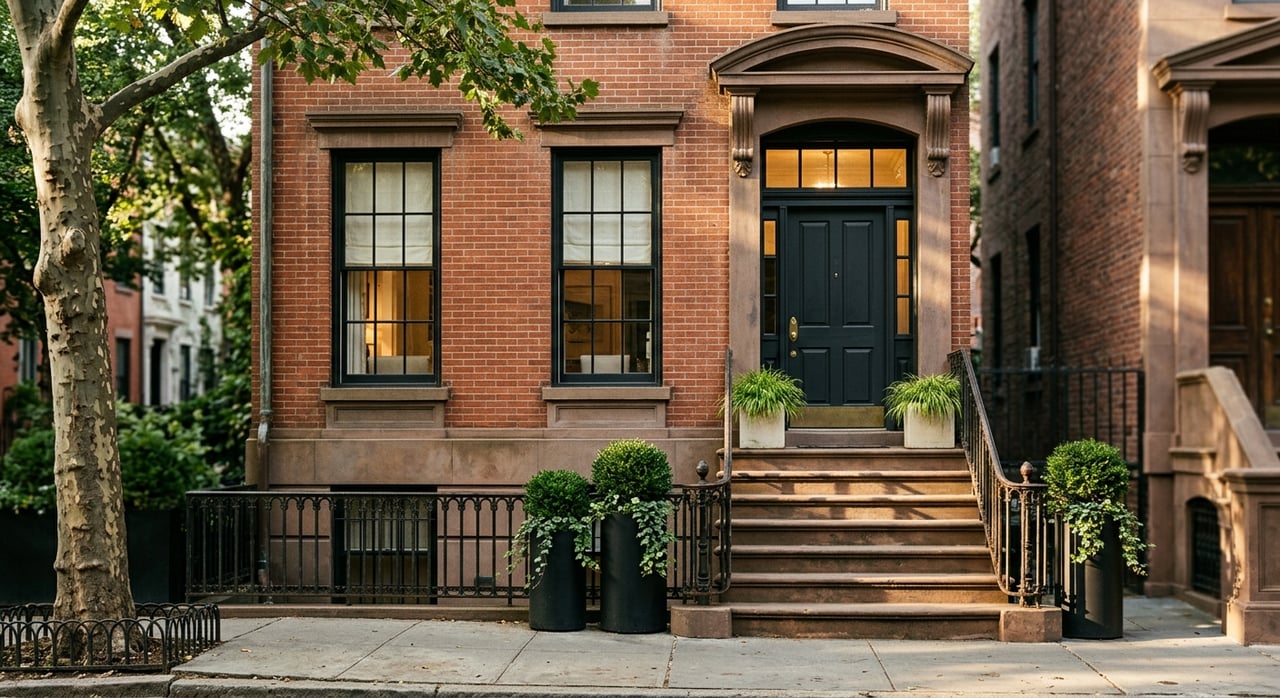
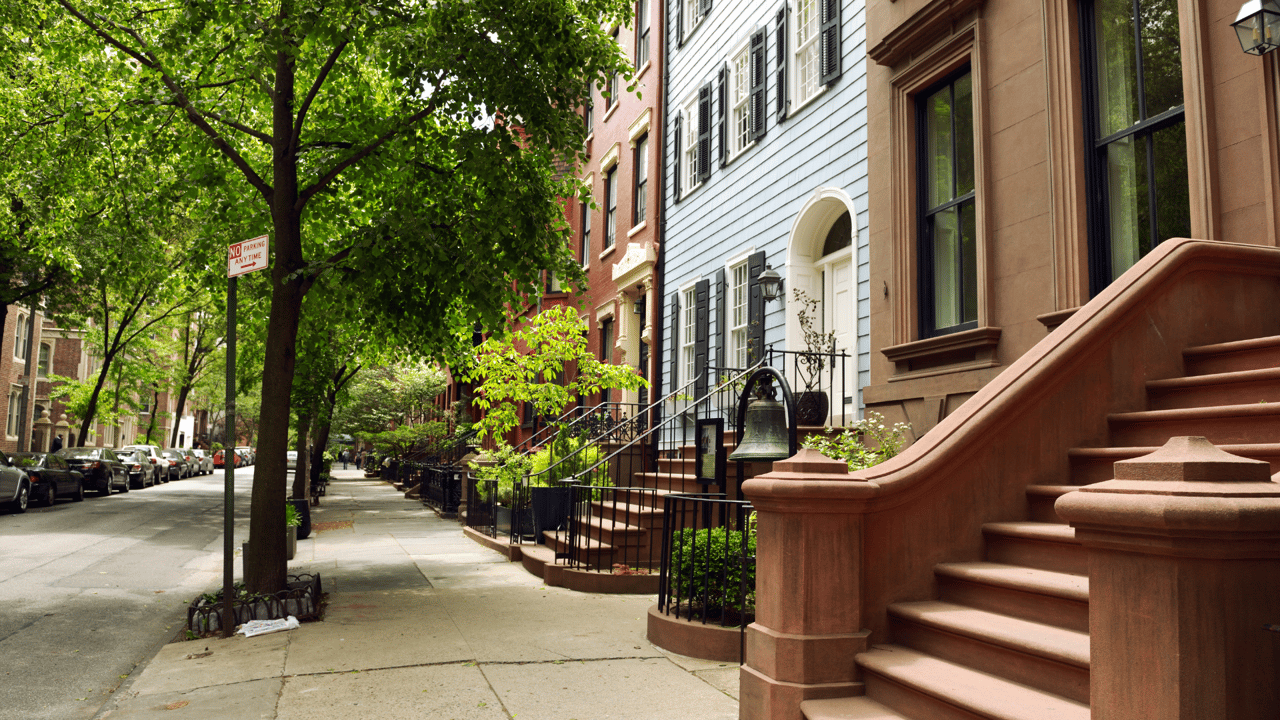
That sense of continuity is also visible in the built environment. The Greenwich Village Historic District was one of the city’s earliest landmark designations and, at the time, the largest historic district in New York City, with more than 2,000 buildings across 65 blocks. Because exterior changes in landmarked districts are subject to review, the neighborhood’s streetscape tends to evolve more slowly than in many other parts of Manhattan.
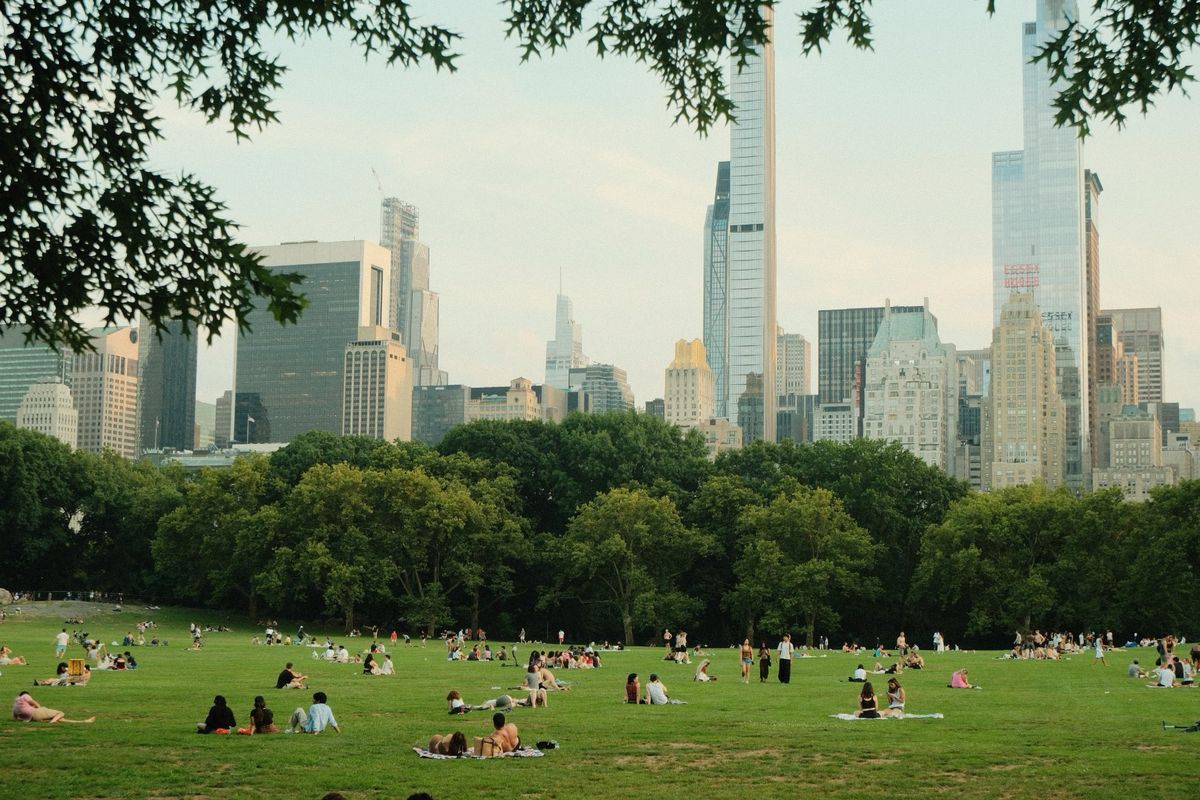
Washington Square Park helps organize much of that identity. NYC Parks describes it as a dynamic public space used by residents, students, performers, chess players, activists, and visitors. In practical terms, that gives Greenwich Village a true center of gravity, which is one reason the neighborhood often feels like a place to spend time, not just pass through.
Morning in Greenwich Village
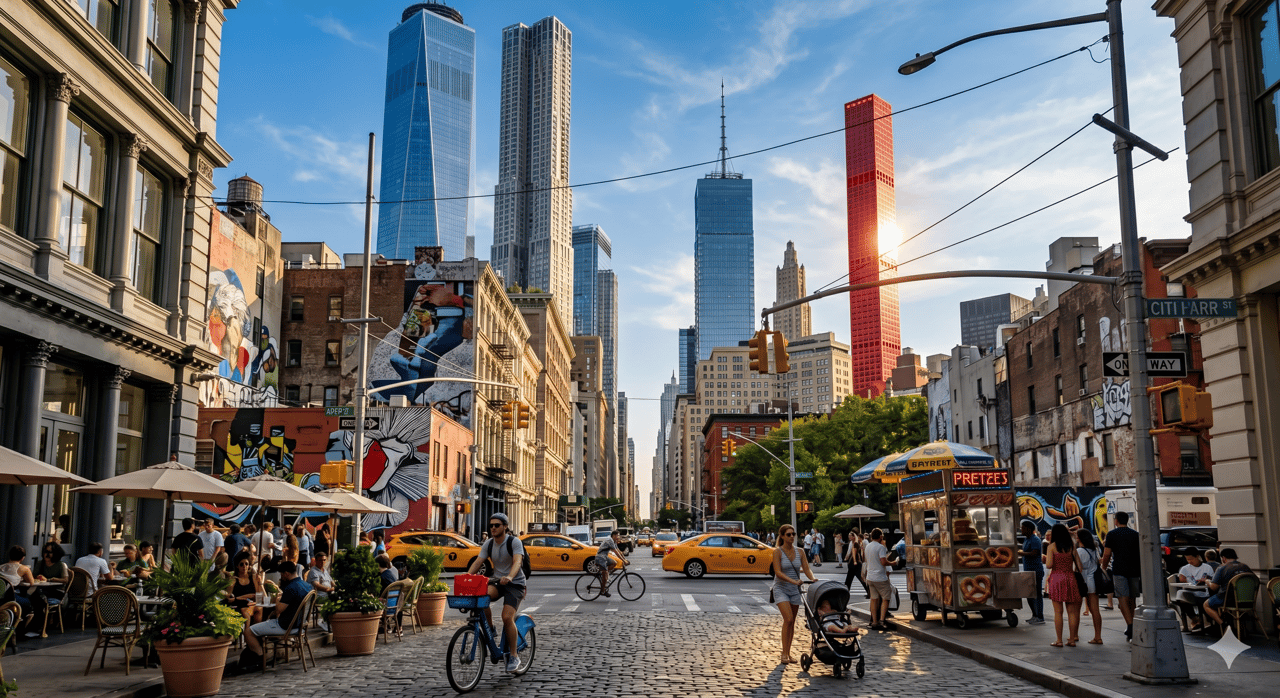
A typical Village morning starts on foot. The neighborhood’s scale encourages walking, whether you are heading out for coffee, running errands, or making your way toward the park. Even when the area is active, it tends to feel more neighborhood-oriented than commuter-driven.
Village Alliance points to Eighth Street as a coffee-and-study corridor and highlights Sixth Avenue and University Place as everyday streets for coffee, groceries, brunch, and dinner. That mix creates a morning rhythm that feels practical and social at the same time. You can move through your routine without feeling rushed out of the neighborhood.
For many residents, Washington Square Park is part of that daily pattern. Some people cut through it on the way to work or class, while others use it as a place to pause. The result is a morning atmosphere that feels active, but rarely anonymous.
Midday Life Is Walkable and Flexible
One of Greenwich Village’s biggest lifestyle advantages is how easy it is to navigate on foot. Village Alliance describes the neighborhood as one of New York City’s most iconic and walkable commercial areas, and that tracks with the day-to-day experience of living here. You can often handle errands, meals, and casual meetups within a compact area.
Transit also expands that convenience. PATH notes that Christopher Street station connects to the 1 train and to the A, C, E, B, D, F, and M corridor at Sixth Avenue. That means the neighborhood can feel calm at street level while still offering strong connections to the rest of Manhattan and beyond.
If you are comparing Greenwich Village with other Manhattan neighborhoods, this combination matters. You get a pedestrian-oriented daily life, but you are not isolated. The balance between quiet side streets and broad transit access is a big part of the appeal.
Afternoon Brings Art Into the Streets
By afternoon, Greenwich Village often reveals its artistic side. This is not a neighborhood where culture sits inside one institution and stops there. Instead, art is woven into plazas, side streets, and the Washington Square area.
Village Alliance programs public art in neighborhood spaces, and NYU’s Grey Art Museum offers a Greenwich Village artists walking tour that connects Washington Square, historic studio sites, and exhibition spaces such as 80 Washington Square East. That gives the area a creative presence that feels embedded in daily life.
For you as a resident, that can shape how the neighborhood feels even on an ordinary weekday. A walk to pick up lunch or meet a friend can also include architecture, public art, and traces of the area’s long creative history. Greenwich Village often feels visually and culturally active without requiring a formal plan.
Evening Has More Than One Mood
As day turns to night, Greenwich Village offers range rather than one single scene. That is important if you are trying to picture real life here, because the neighborhood changes by block and by hour.
The Public Theater at Astor Place brings a major performance presence to the area, including Joe’s Pub. Blue Note has operated in Greenwich Village since 1981 and remains one of the neighborhood’s best-known jazz venues, while Cafe Wha? has been part of the live music scene since 1959. These institutions help define the Village after dark.
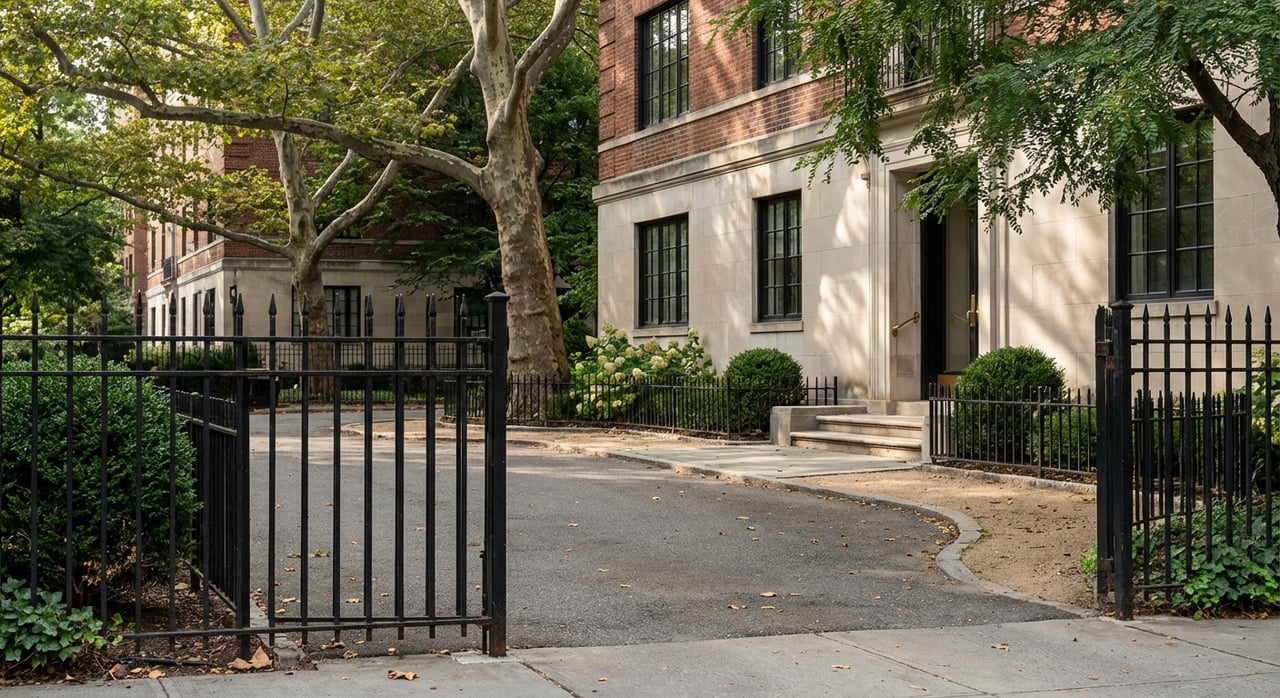
At the same time, the evening experience is not uniform. Village Alliance describes St. Marks Place as a block where the night never really ends, while the streets closer to Washington Square or certain townhouse-lined blocks can feel much more residential and reflective. In other words, you can choose your version of the night.
The Neighborhood Changes by Block
One of the most useful things to understand about Greenwich Village is that no single description fits every corner. Around Washington Square, Astor Place, and St. Marks, you may notice heavier foot traffic and more visitor activity. On nearby side streets, the mood can shift quickly toward something quieter and more contained.
That block-by-block variation is part of what many buyers find compelling. You are not choosing only a neighborhood. You are choosing a micro-setting within it, with its own pace, noise level, and visual character.
This is also where local guidance matters. In a neighborhood with so much contrast packed into a relatively small footprint, the right fit often comes down to matching your routine and priorities to a very specific pocket of the Village.
Greenwich Village Homes Feel Layered
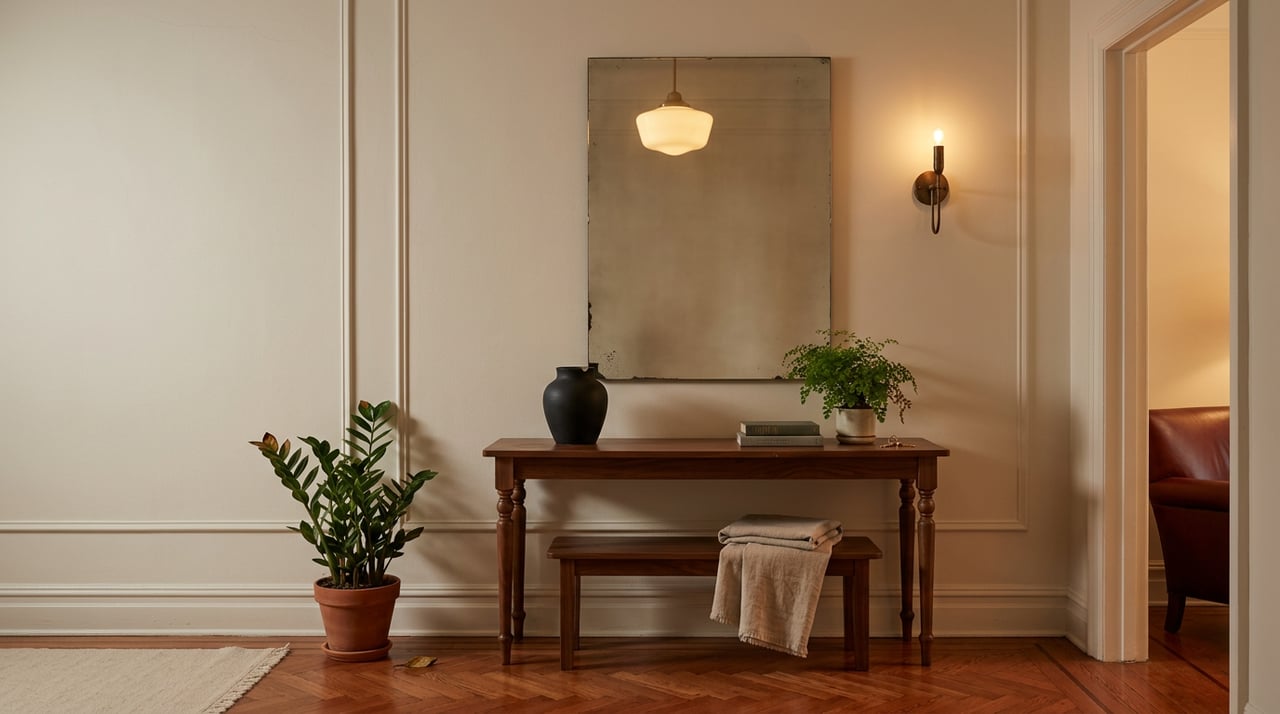
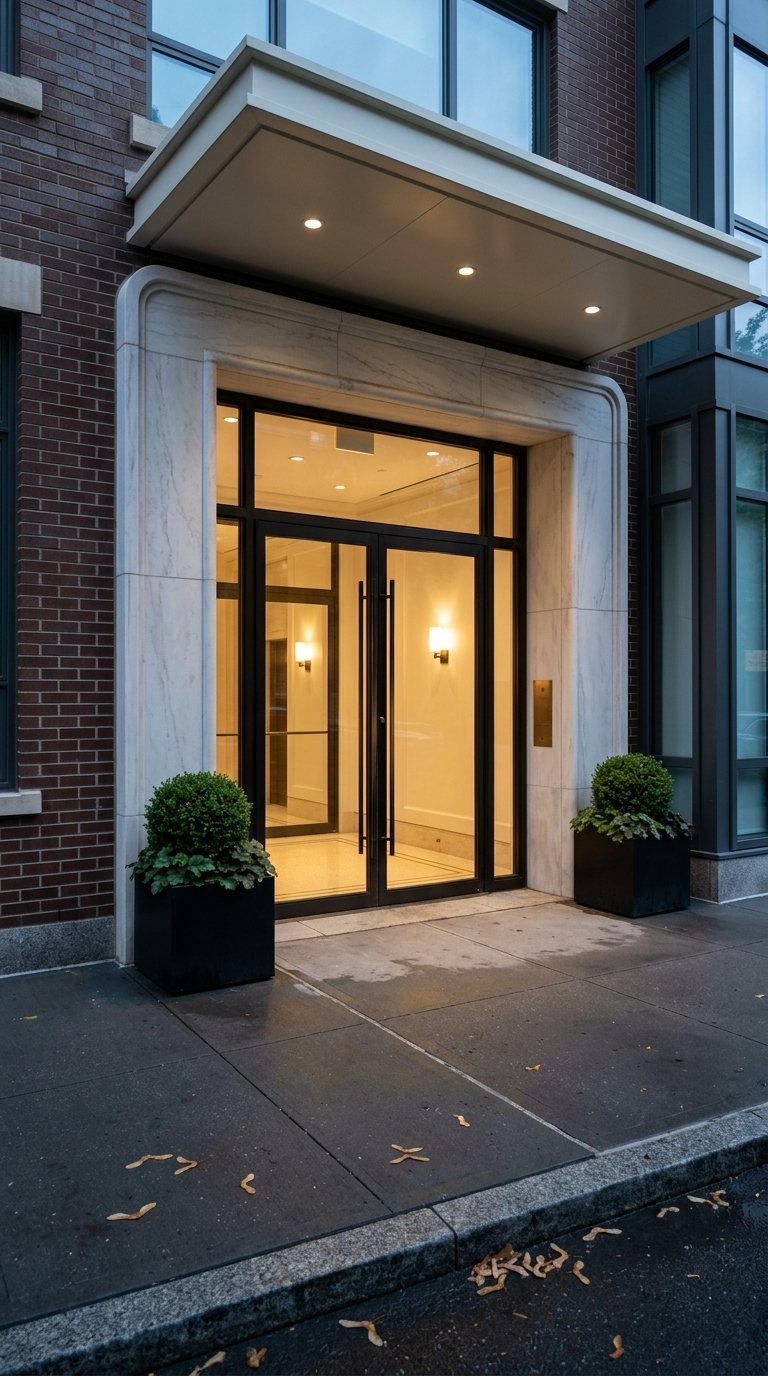
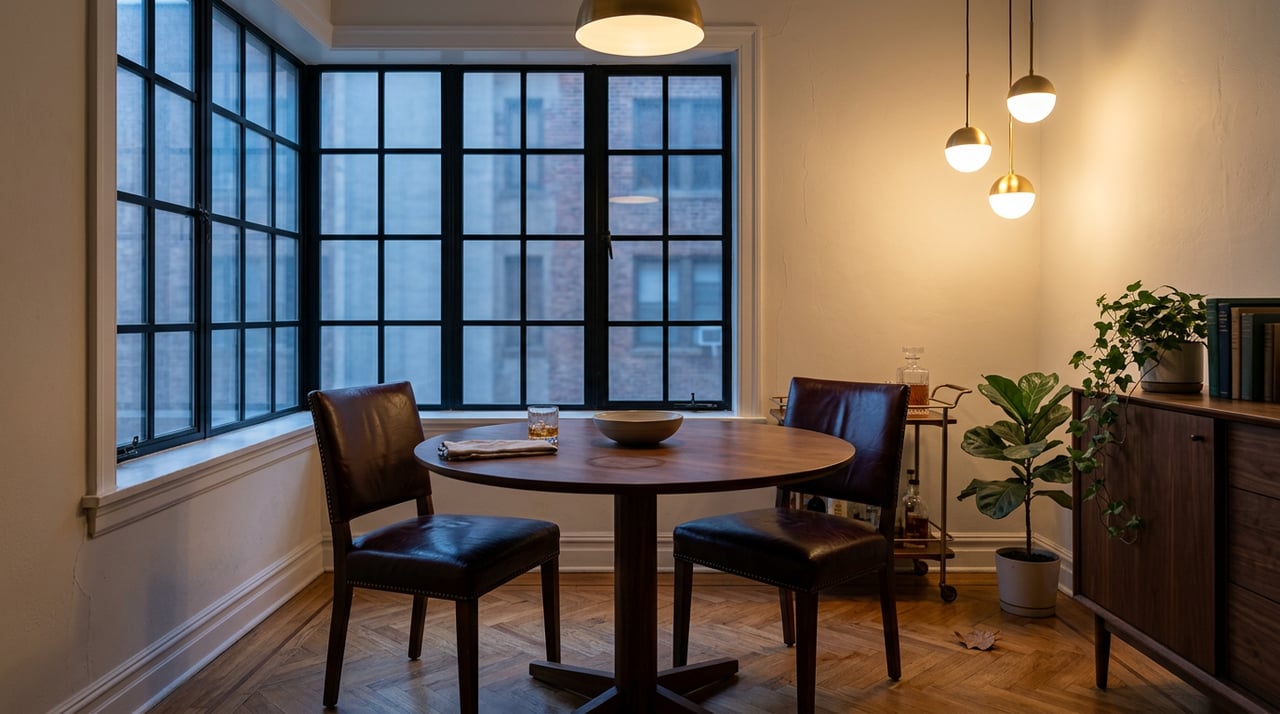
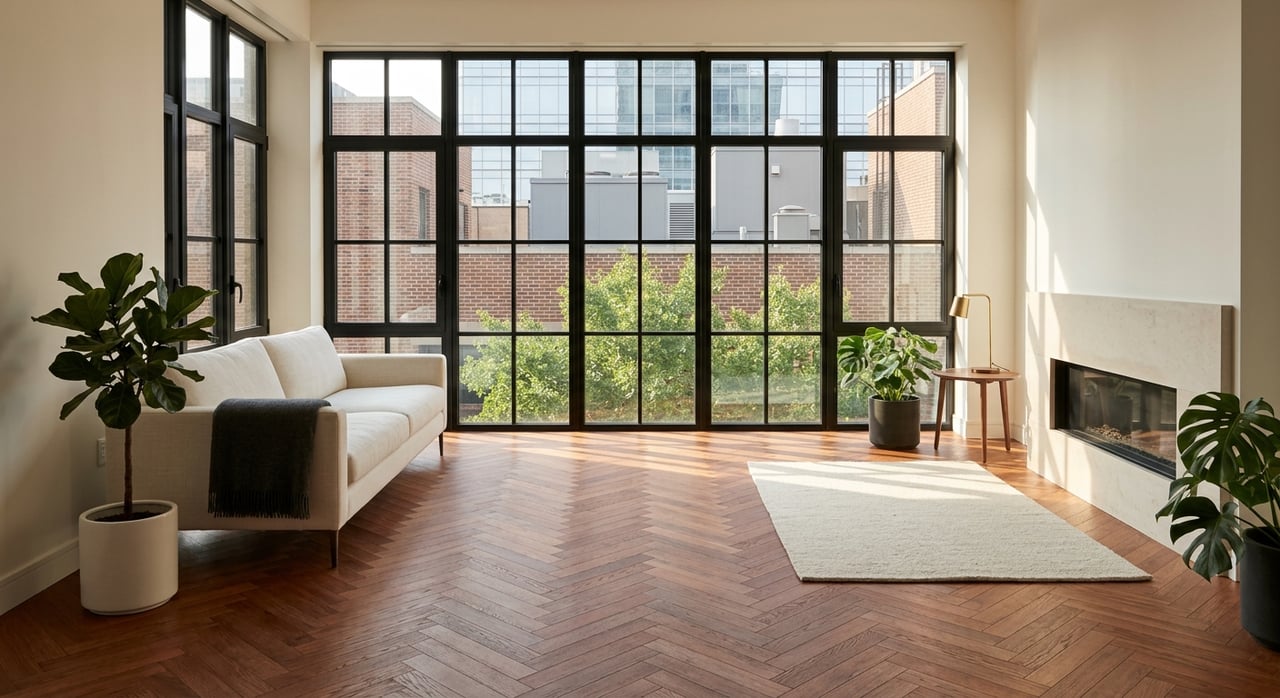
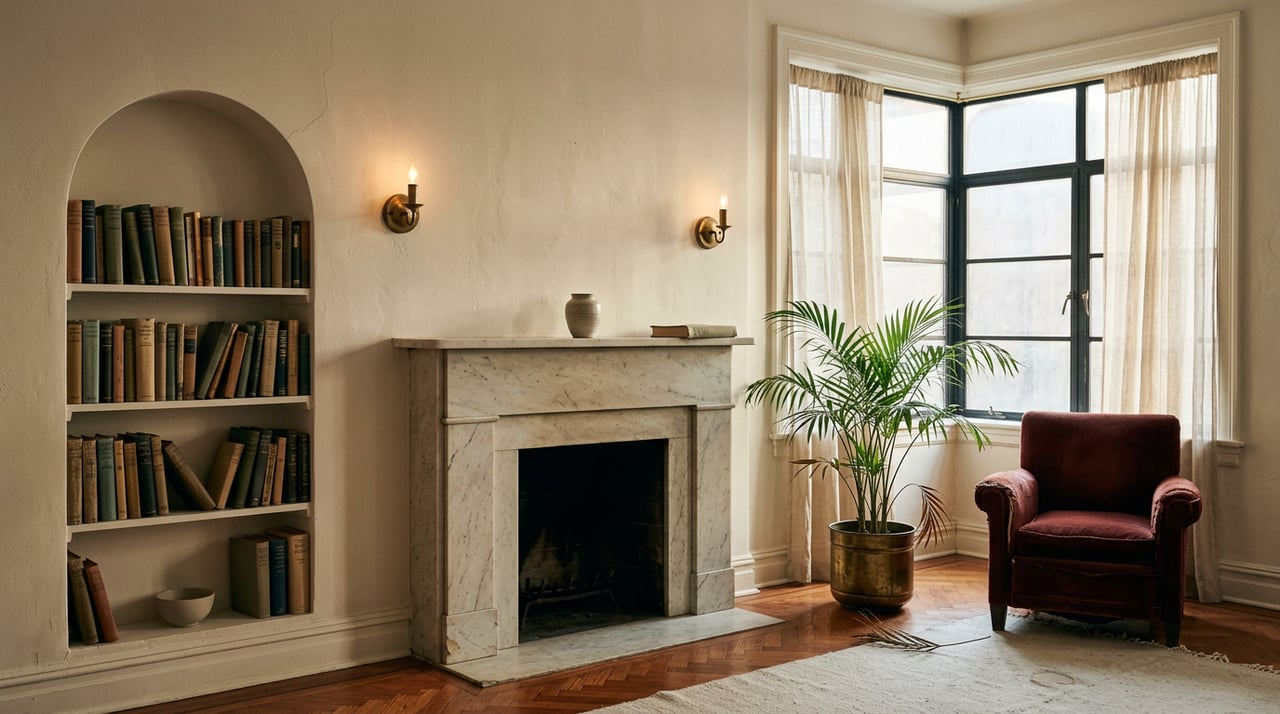
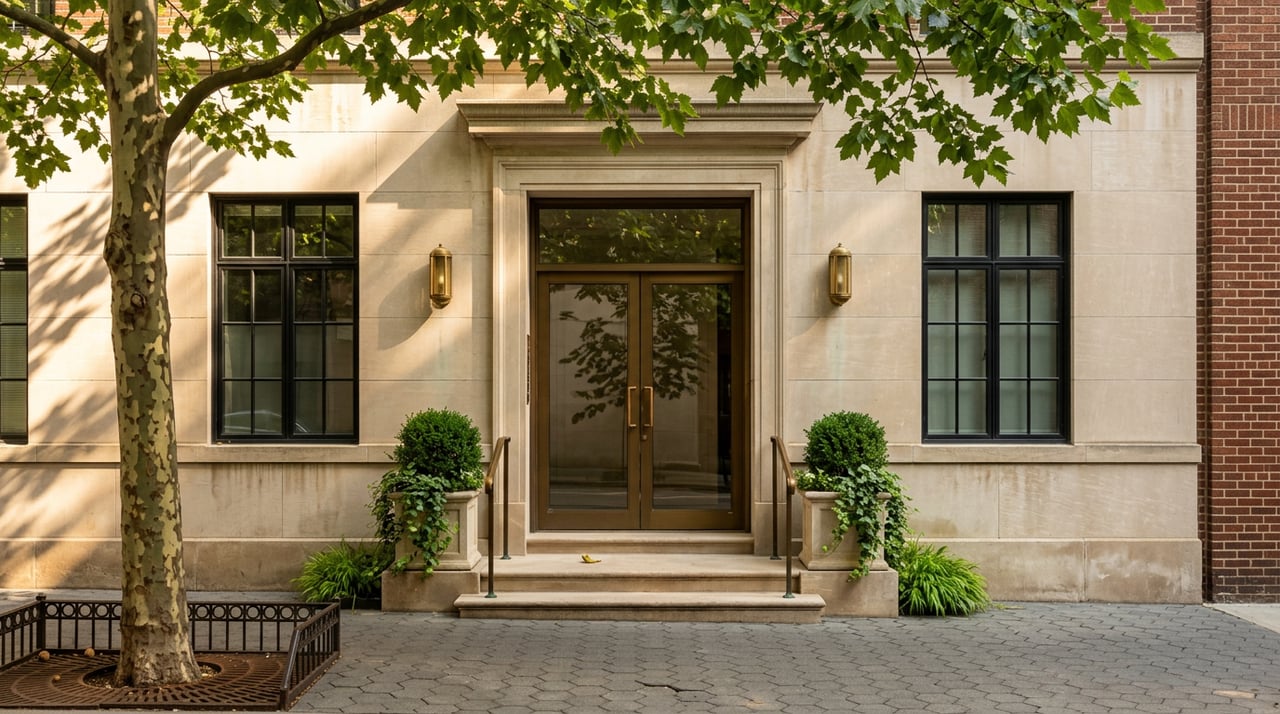
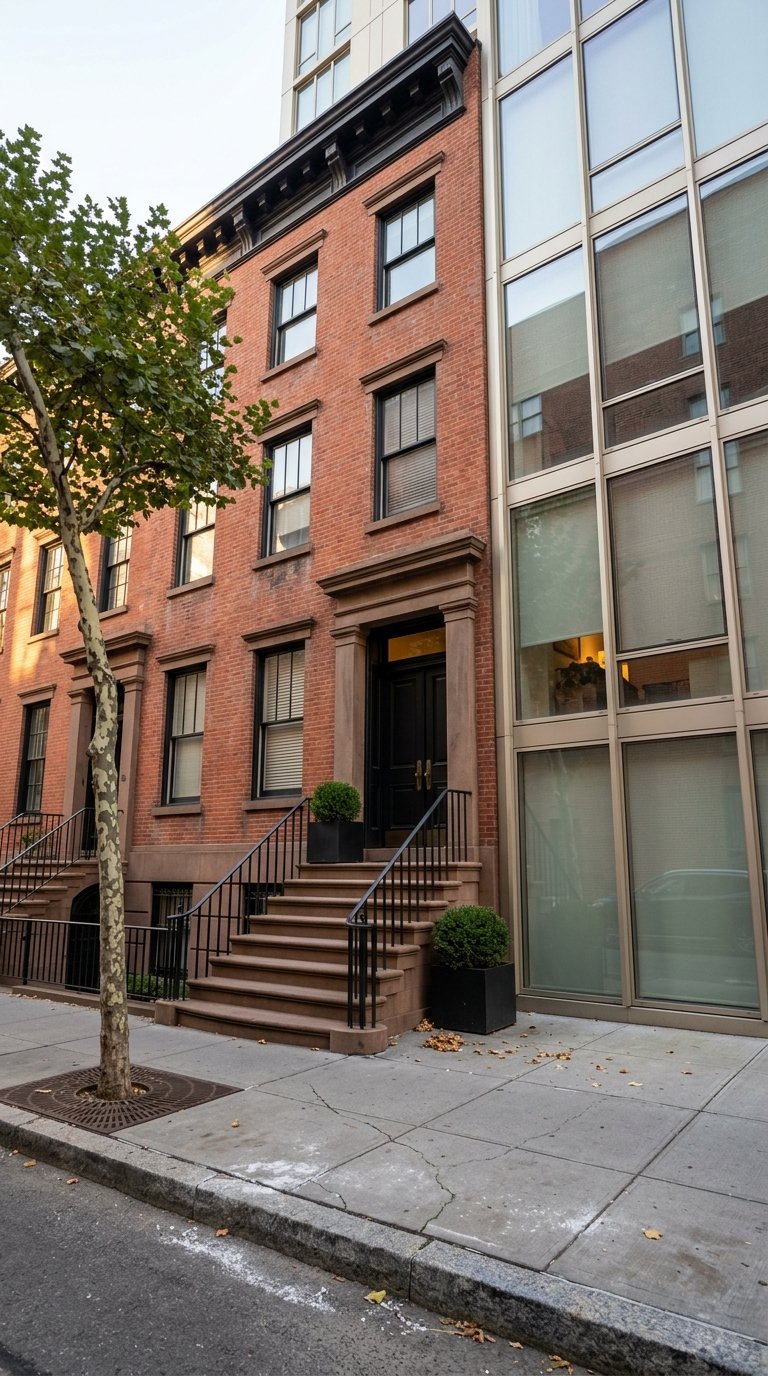
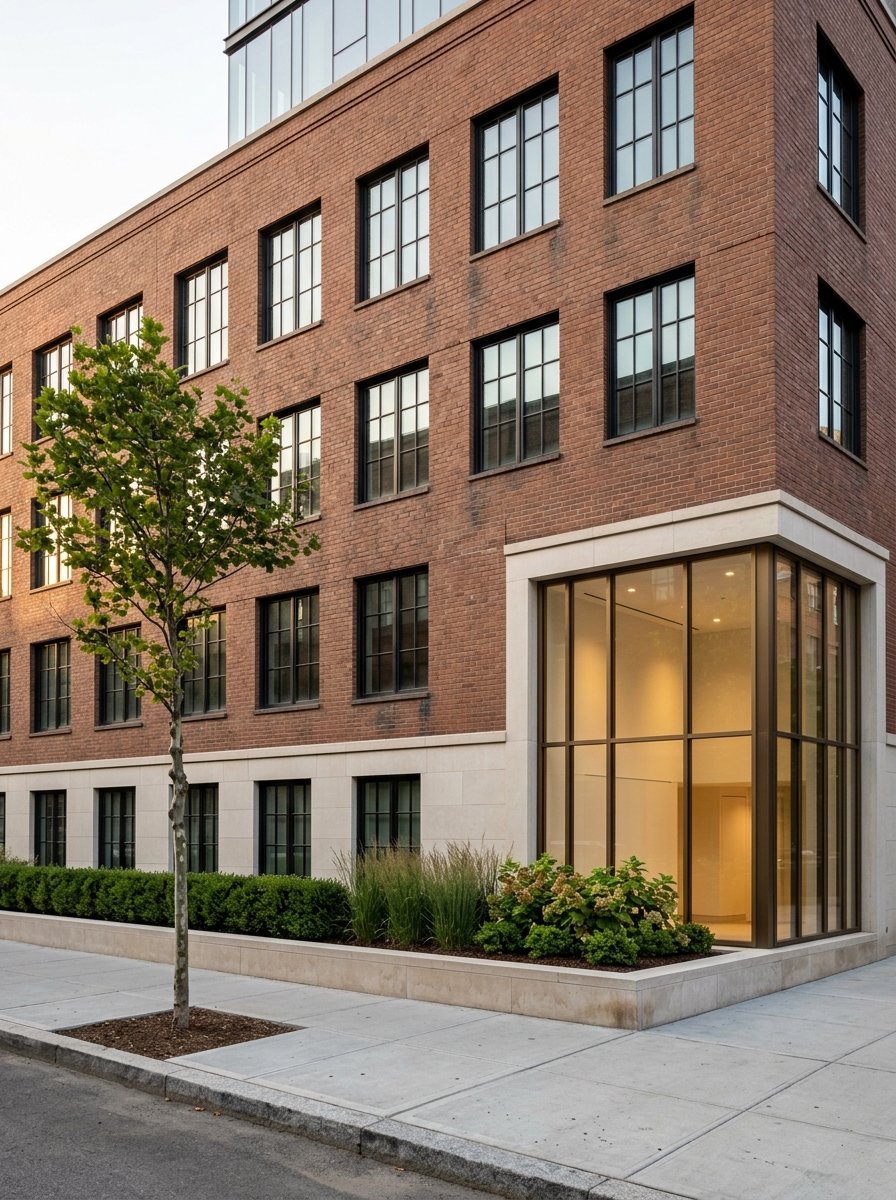
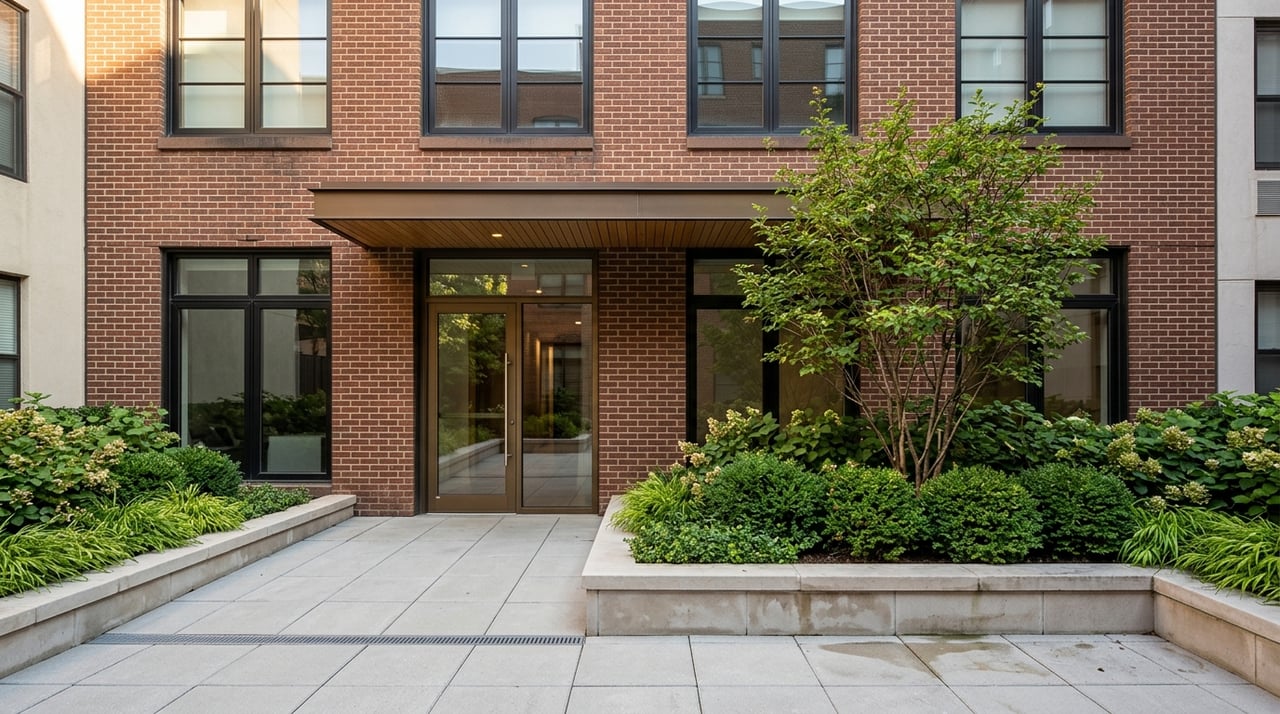
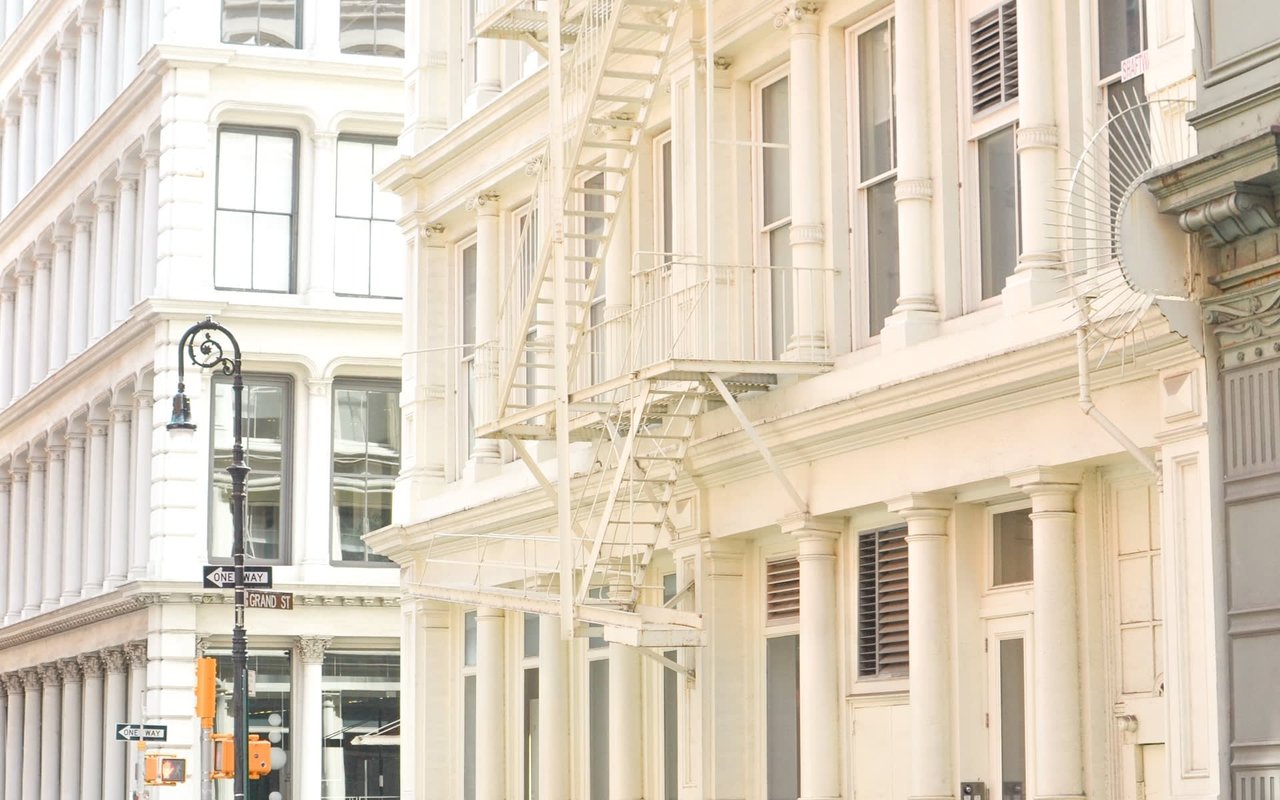
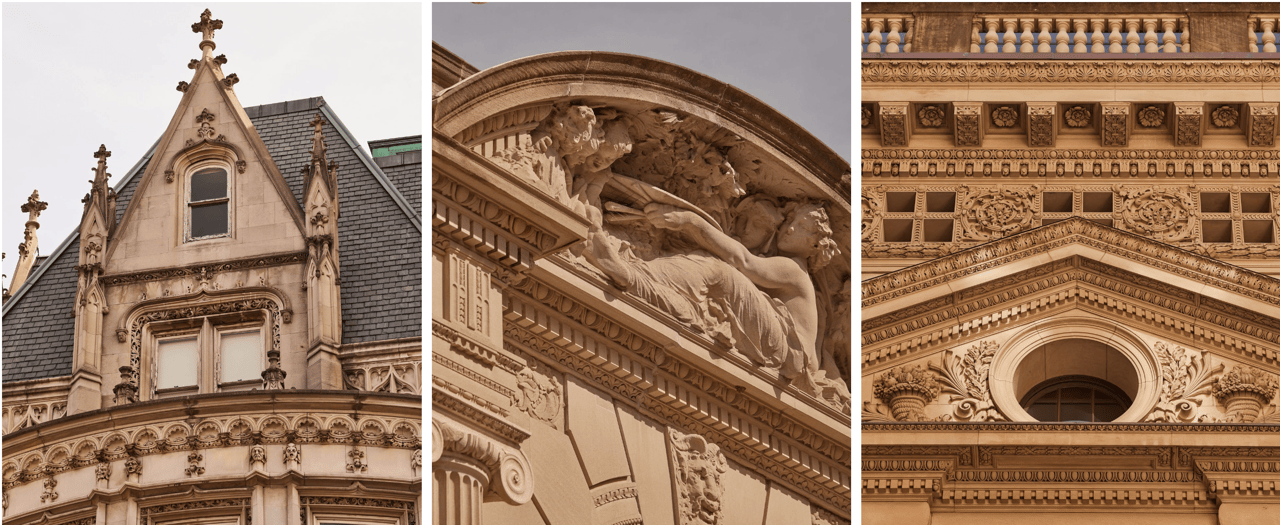
The housing stock reflects the neighborhood’s long evolution. Landmarks Preservation Commission materials describe a progression from early rowhouses to subdivided flats, smaller apartment houses, and conversions of warehouses or stables into apartments. That history is one reason the Village feels textured rather than uniform.
The Grey Art Museum’s walking tour adds vivid examples, including rowhouses on Washington Square North from the 1830s, former stables on Washington Mews later converted to studios, and 1 Fifth Avenue as an early 27-story apartment building with 196 apartments. These examples show how many eras of New York living exist within the same neighborhood.
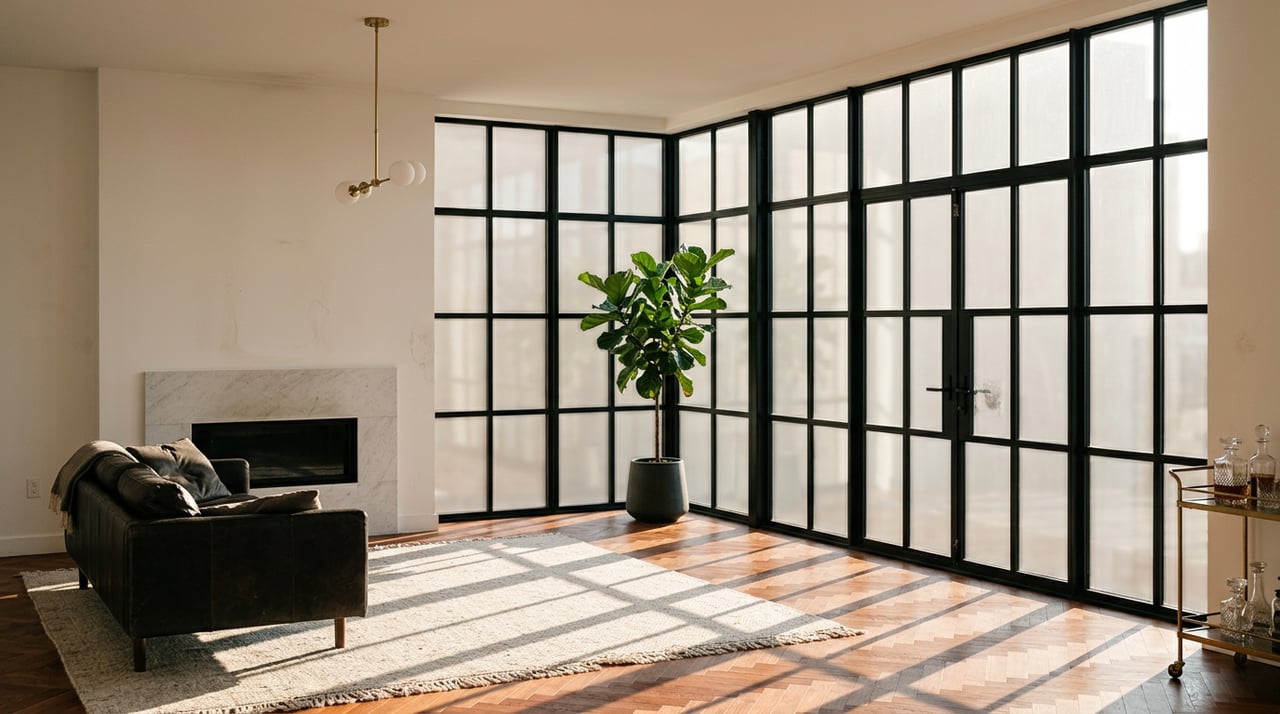
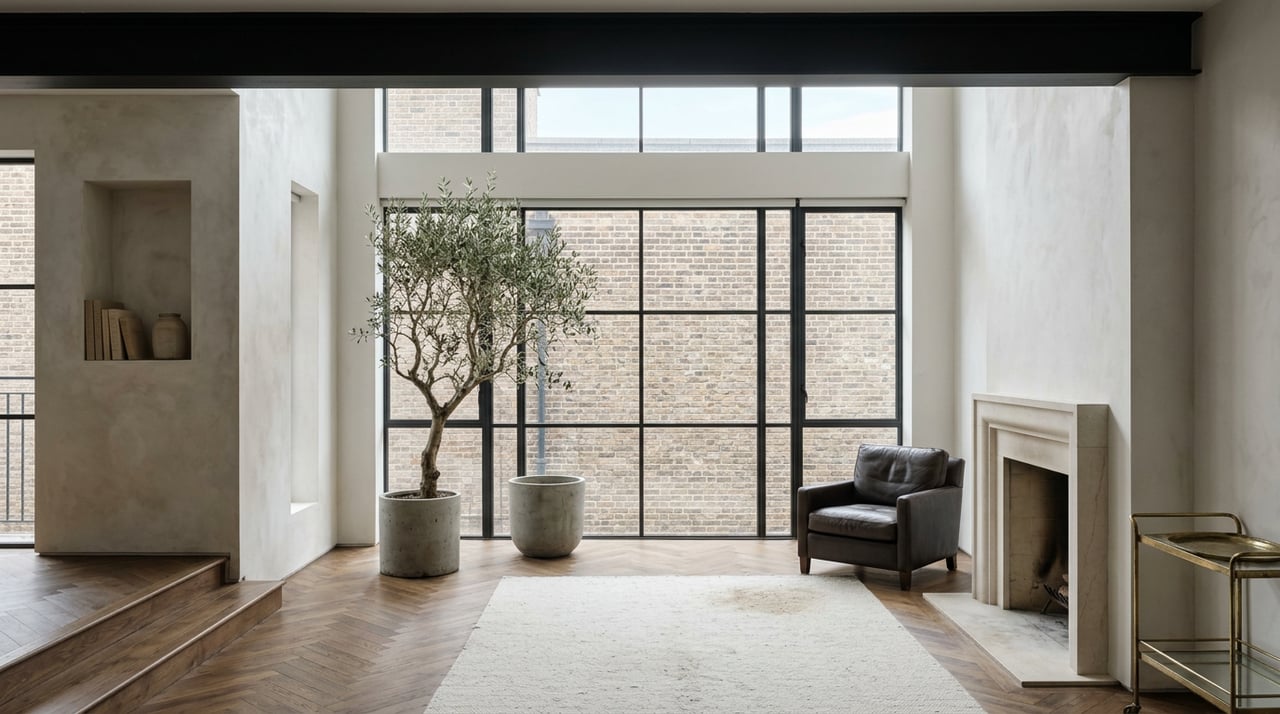
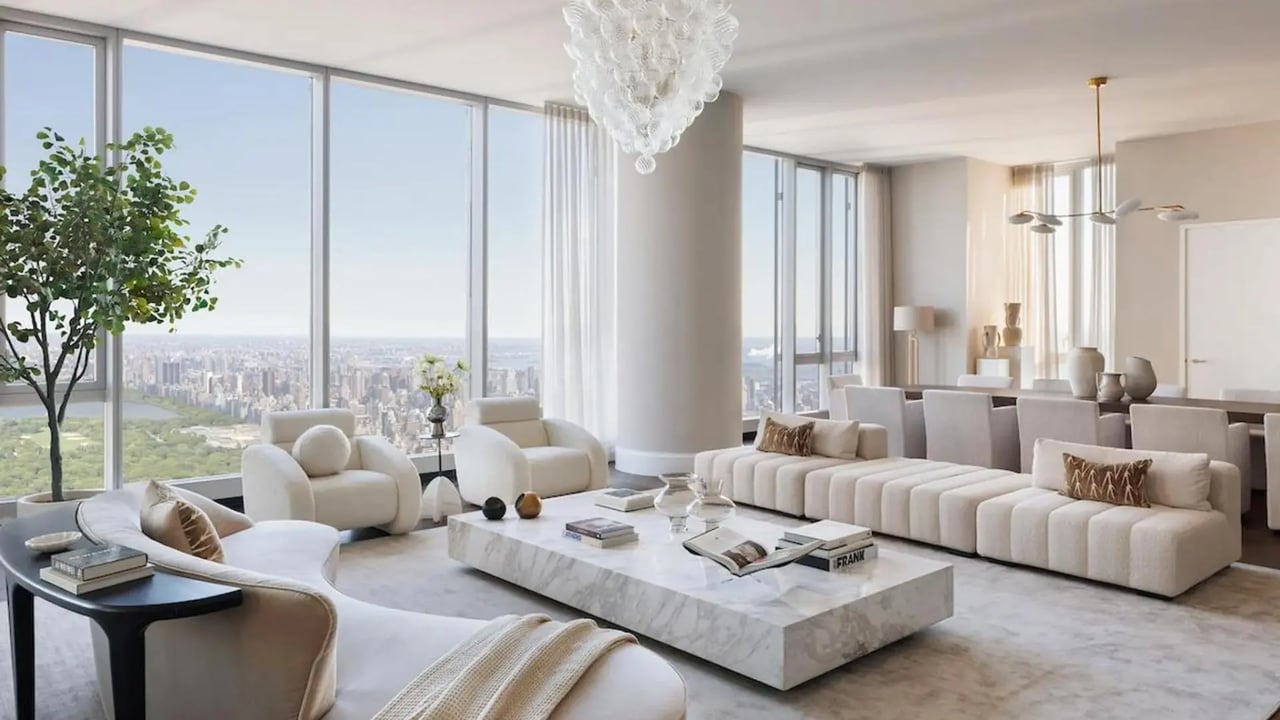
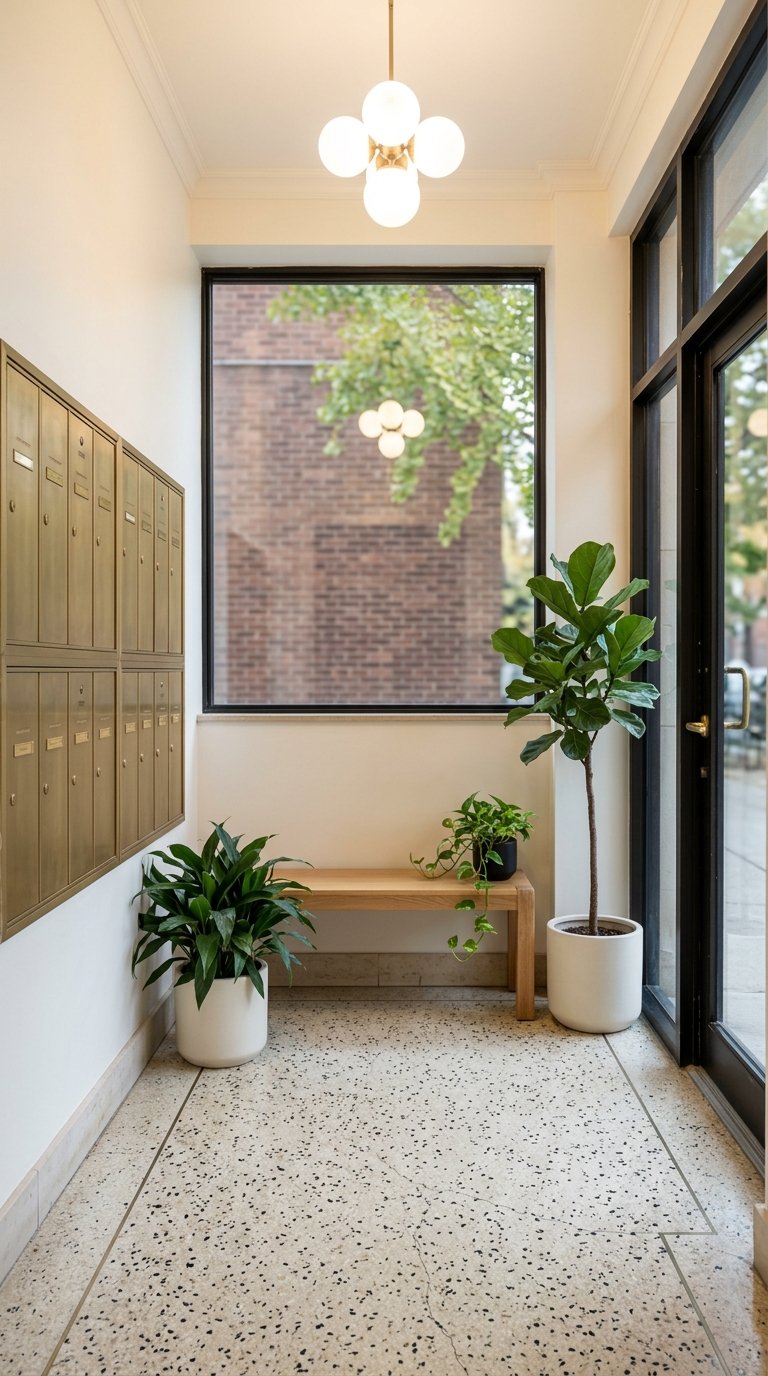
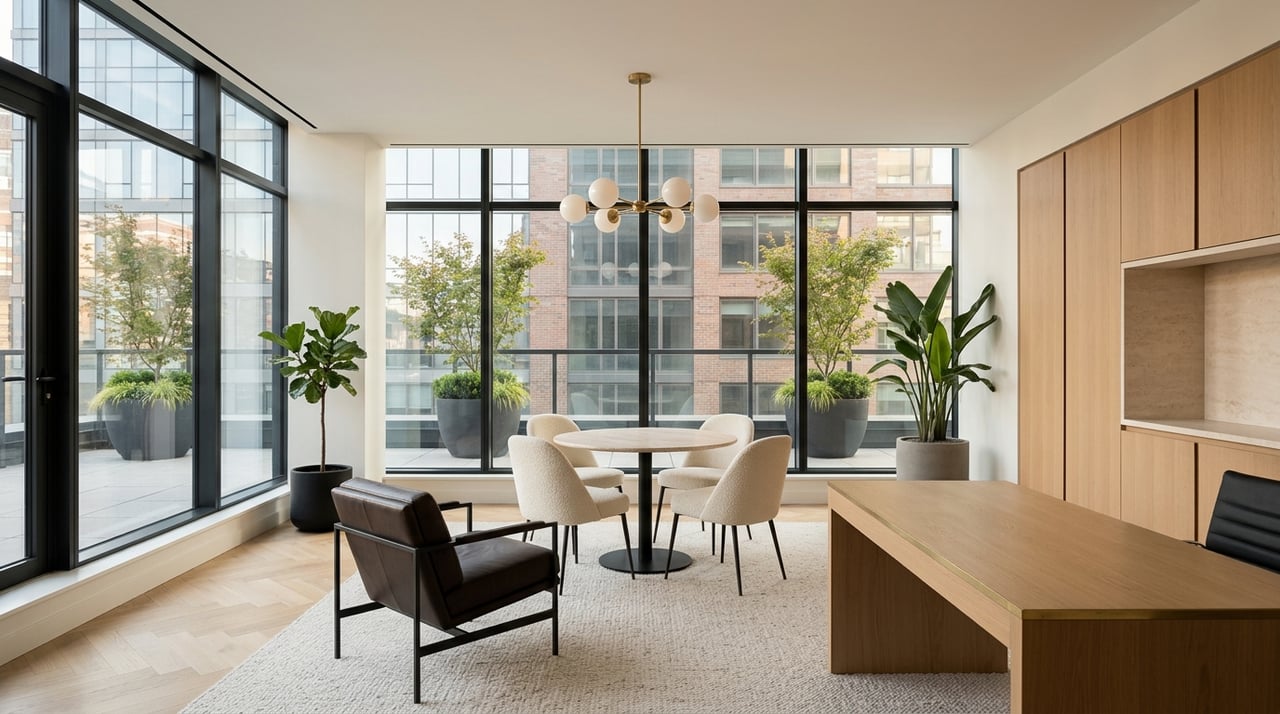
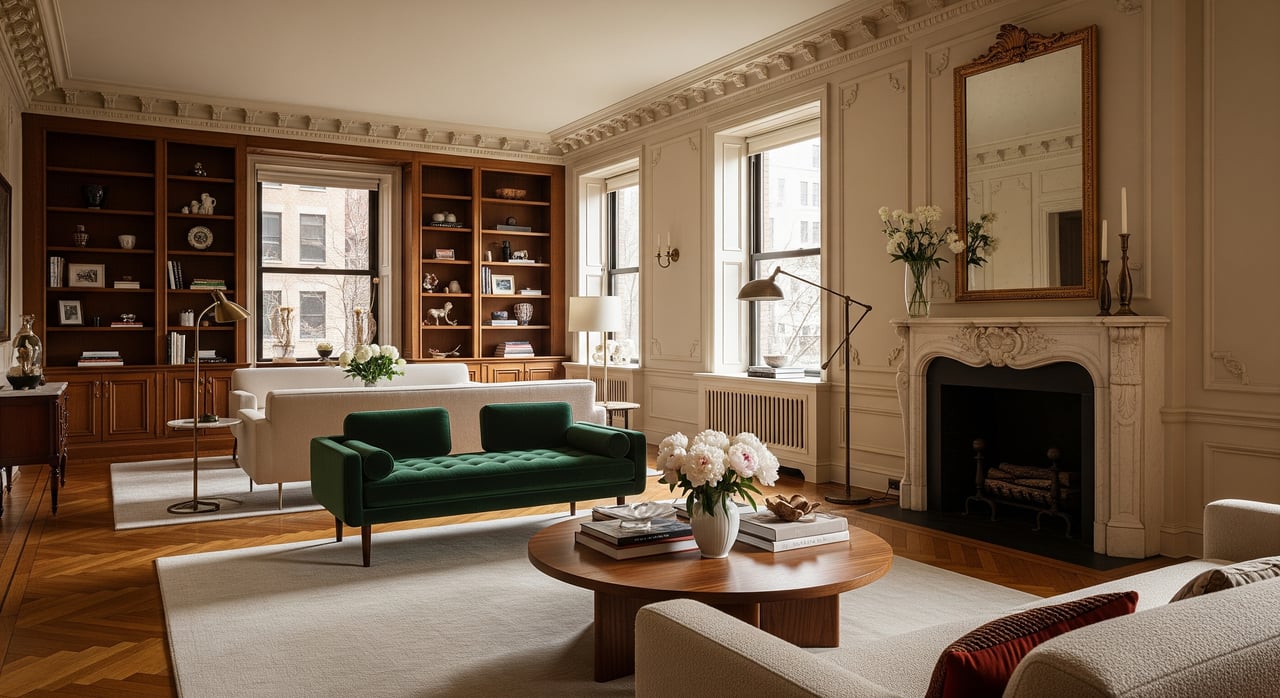
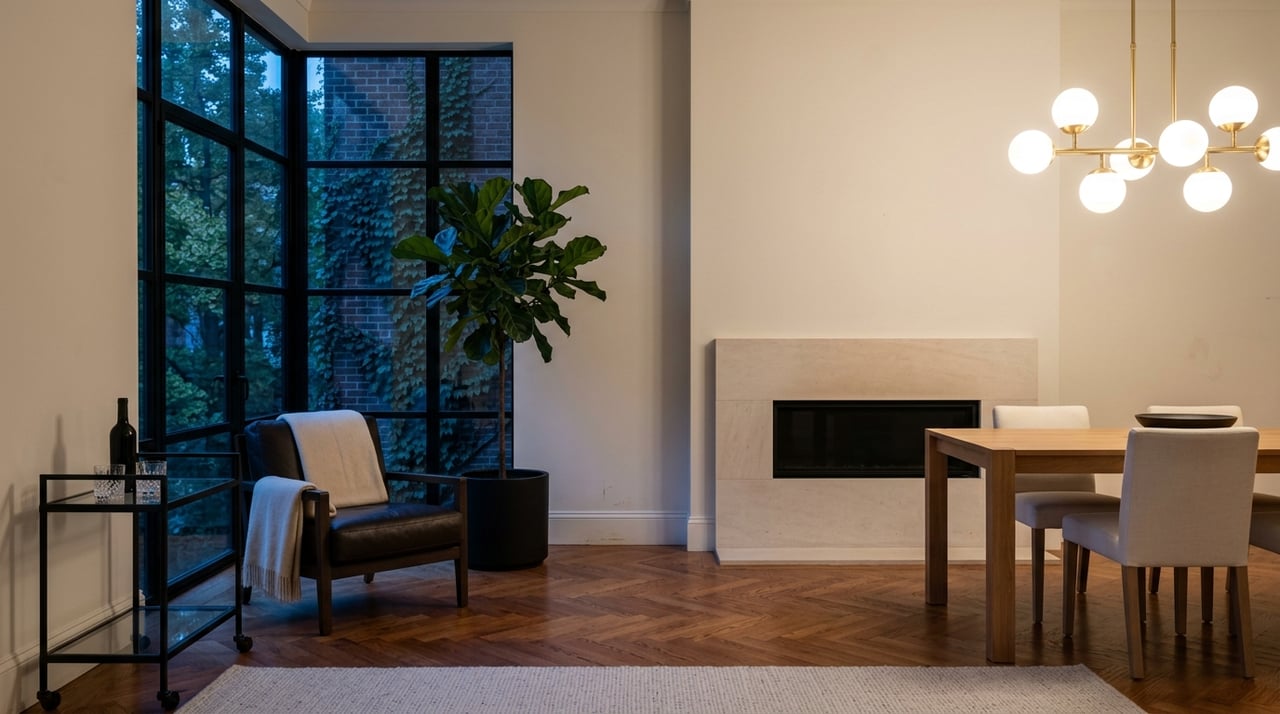
For buyers, that usually means comparing tradeoffs instead of chasing one standard housing type. You may be deciding between townhouse character, a conversion apartment, or a co-op or condo with a different ownership structure and building experience. The right choice depends on how you want to live, not just what looks best in photos.
What Buyers Should Keep in Mind
Greenwich Village is not a purely owner-occupied enclave. According to the NYC Health neighborhood report for Greenwich Village-SoHo using 2019 to 2023 ACS data, 26.9% of homes are owner-occupied, while 38.9% of households are rent-burdened. That points to a mixed residential market with a range of housing experiences and financial realities.
For buyers, that means expectations should stay grounded in the neighborhood’s complexity. Inventory may span different building types, ownership formats, and levels of renovation. In many cases, the decision is less about finding a “typical” Greenwich Village apartment and more about identifying the version of the neighborhood that aligns with your goals.
If you are considering a co-op or condo purchase in Manhattan, details matter. Building rules, board processes, renovation history, and the specific feel of the block can all shape your experience. A careful, hyperlocal approach is especially important in a neighborhood as nuanced as this one.
Why Greenwich Village Appeals Long Term
Greenwich Village has a rare ability to feel both preserved and current. Landmark protections help maintain the look of the streets, while interiors, amenities, and ownership formats continue to evolve over time. That combination can appeal to buyers who want a neighborhood with visible history and ongoing relevance.
The area also offers a day-to-night range that supports different lifestyles. You can have a quiet morning routine, a walkable afternoon, and access to theater, music, and late-night energy without leaving the neighborhood. Few Manhattan areas deliver that mix in quite the same way.
If you are drawn to places with strong identity, Greenwich Village tends to leave a clear impression. It is not interchangeable with another downtown neighborhood, and that distinctiveness is part of its staying power.
Whether you are buying, selling, or simply weighing your next move in Manhattan, a neighborhood like Greenwich Village rewards careful strategy and local insight. If you want help understanding where a specific property fits into the Village’s block-by-block landscape, book a private consultation with Dana Sapir.
FAQs
What is daily life like in Greenwich Village?
- Daily life in Greenwich Village often centers on walking, coffee shops, errands, public space, and easy access to culture, with Washington Square Park serving as a major neighborhood anchor.
What makes Greenwich Village different from other Manhattan neighborhoods?
- Greenwich Village stands out for its mix of historic preservation, artistic identity, political history, walkable streets, and a day-to-night rhythm that shifts noticeably by block.
What is the evening scene like in Greenwich Village?
- Evening in Greenwich Village includes several distinct moods, from theater and jazz near Astor Place to more energetic late-night stretches around St. Marks Place and quieter residential side streets.
What types of homes can you find in Greenwich Village?
- Greenwich Village includes a mix of rowhouses, subdivided flats, smaller apartment houses, converted buildings, and co-op or condo ownership options shaped by the neighborhood’s long development history.
Is Greenwich Village easy to get around without a car?
- Yes, Greenwich Village is highly walkable, and transit connections near Christopher Street and Sixth Avenue help link the neighborhood to multiple subway lines and nearby destinations.
What should buyers consider when looking at Greenwich Village real estate?
- Buyers should pay attention to block-by-block differences, building type, ownership structure, renovation history, and the overall lifestyle fit of a specific part of the neighborhood.