
Buying your first Manhattan home always comes with tradeoffs, and the Lower East Side makes those tradeoffs especially clear. You may be drawn to its downtown energy, wide housing mix, and relative price position compared with pricier neighborhoods nearby, but you also need to think carefully about noise, building style, transit, and resale. If you are wondering whether the Lower East Side is the right place to start your ownership journey, this guide will help you weigh the numbers and the lifestyle. Let’s dive in.
Lower East Side Price Point
For many first-time Manhattan buyers, the Lower East Side sits in a realistic entry point rather than a bargain tier. StreetEasy reports a median sale price of $913,000, which places the neighborhood within reach for buyers who want to own downtown without stepping into SoHo-level pricing.
At the same time, the active market appears to be asking more than recent closings suggest. StreetEasy’s 2026 buyer-market ranking shows a median asking price of $1.295 million with 181 homes for sale, while sales data shows lower recent closing levels. That gap can mean some listings are priced ahead of the market, which may create room for careful buyers to negotiate selectively.
Inventory also rose 11.7% year over year, while homes for sale were down 7.2% in the same ranking snapshot. For you, that may mean more choice than in tighter Manhattan submarkets, but it also reinforces the need to compare asking prices against actual comparable sales, not just listing headlines.
Housing Types Vary Widely
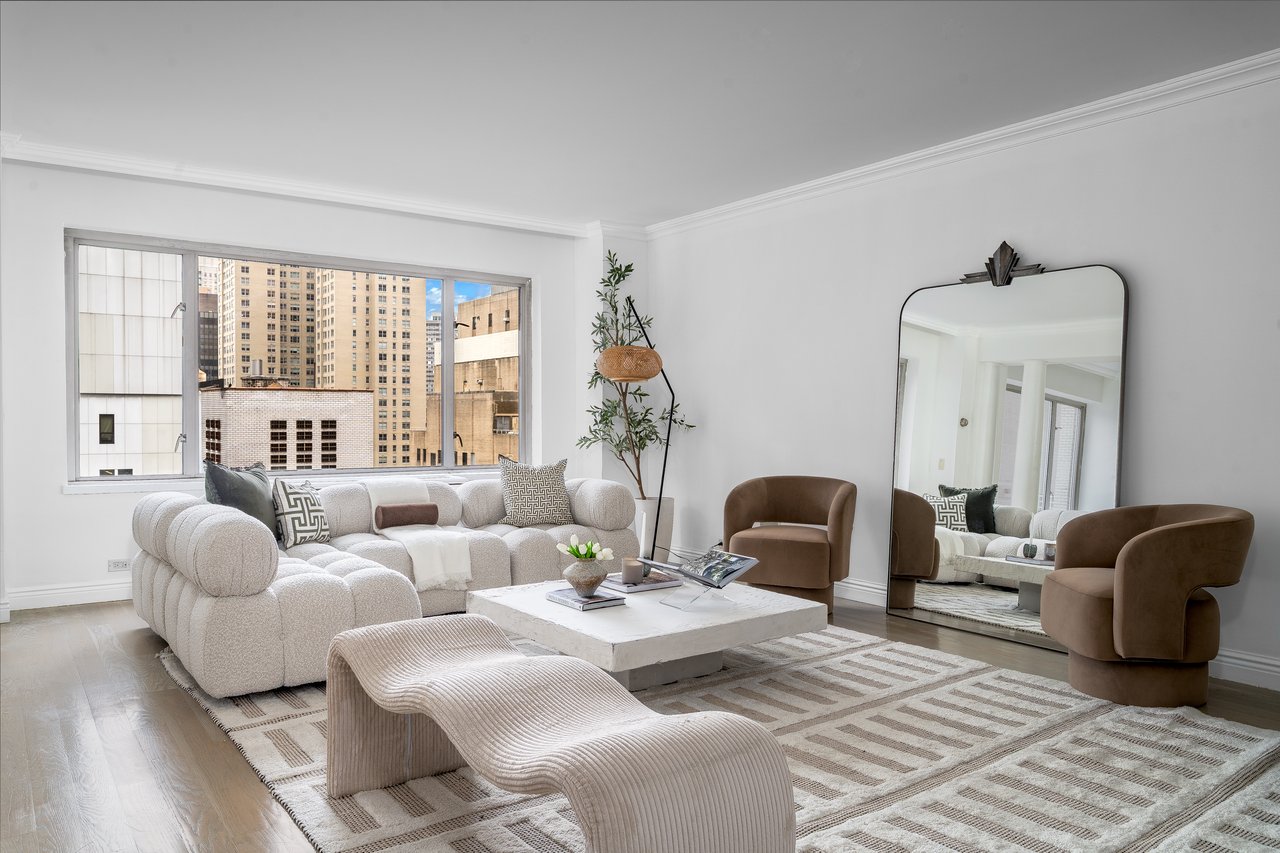
One of the biggest reasons the Lower East Side can work for first-time buyers is that it is not a one-note housing market. Current inventory ranges from smaller one-bedroom homes around 695 to 949 square feet to a two-bedroom around 650 square feet, plus larger loft-style and penthouse options.
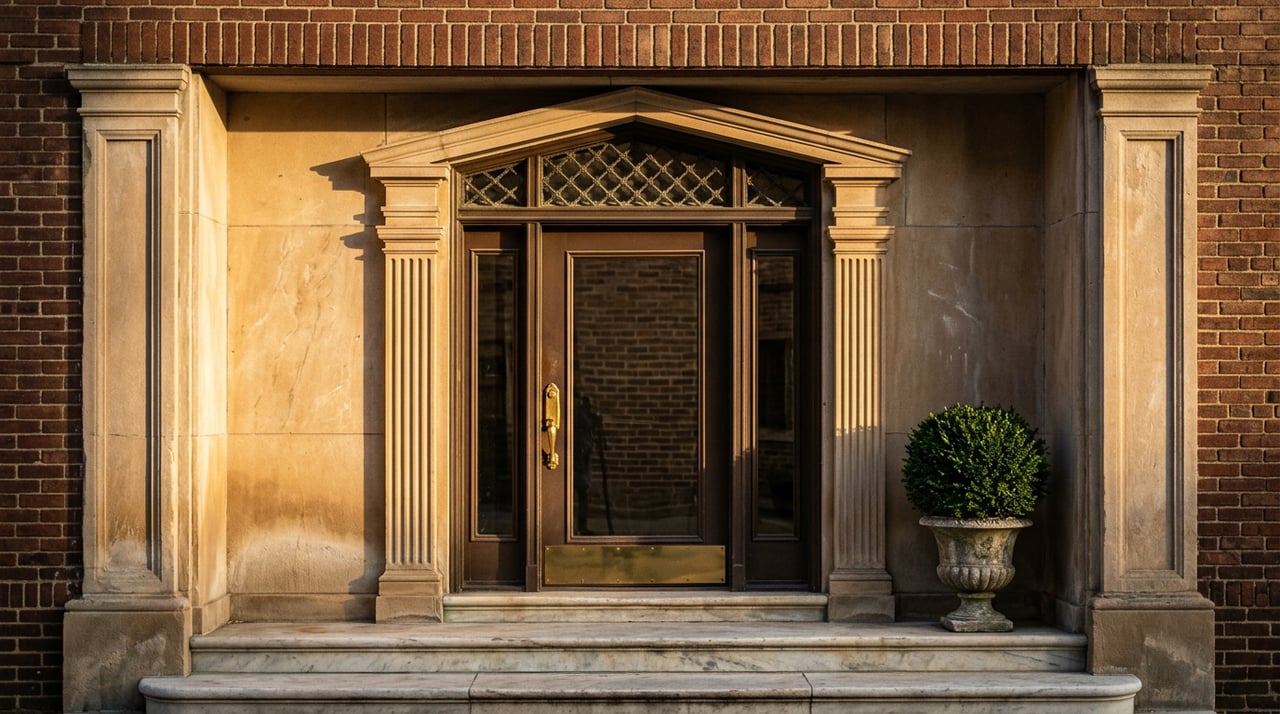
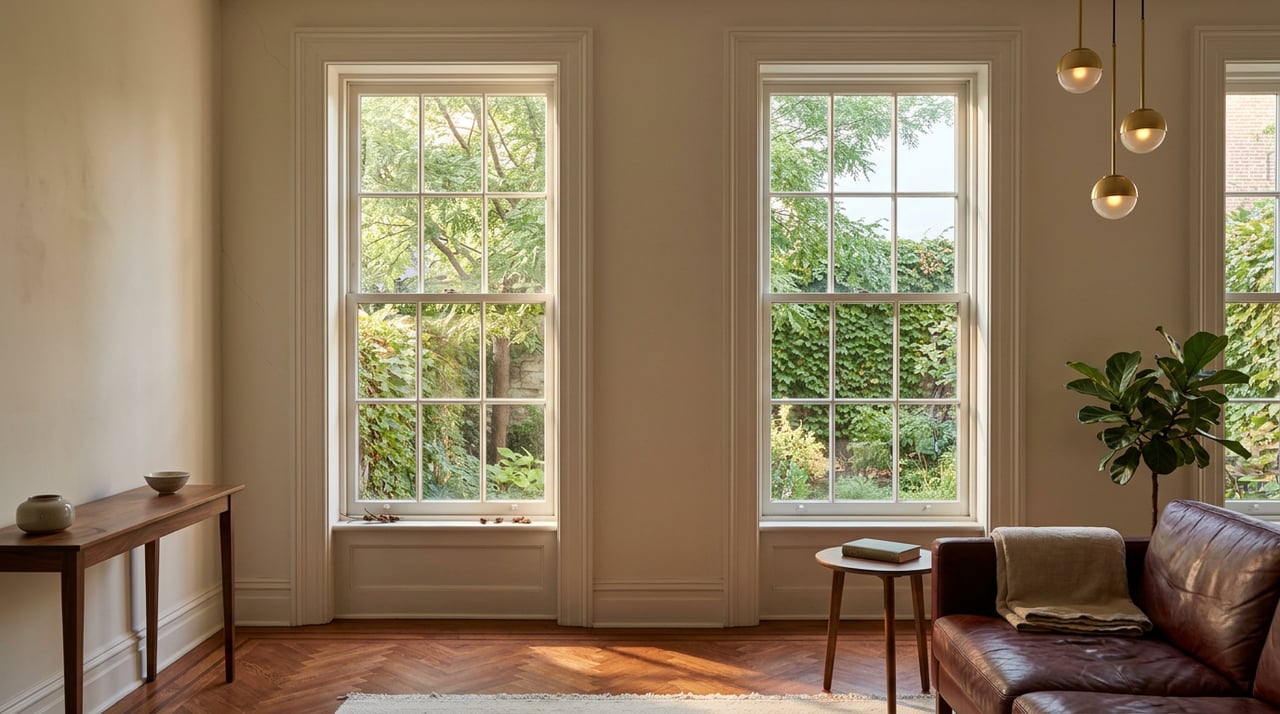
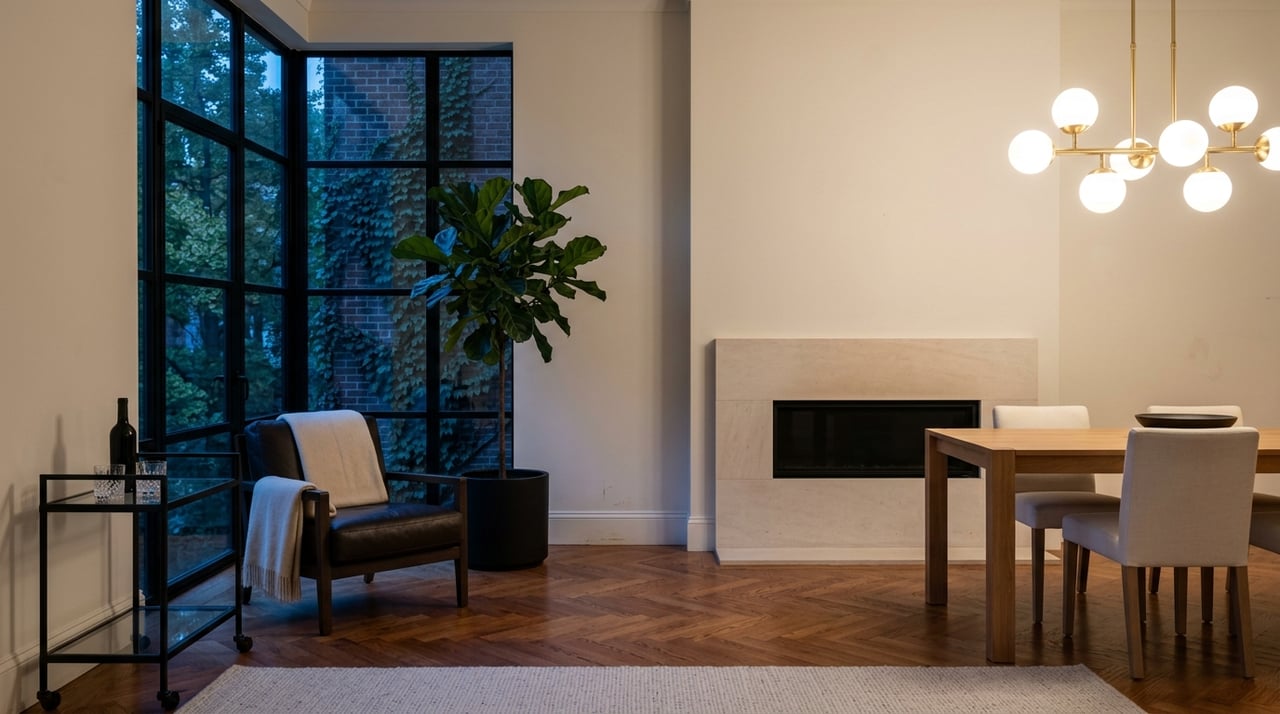
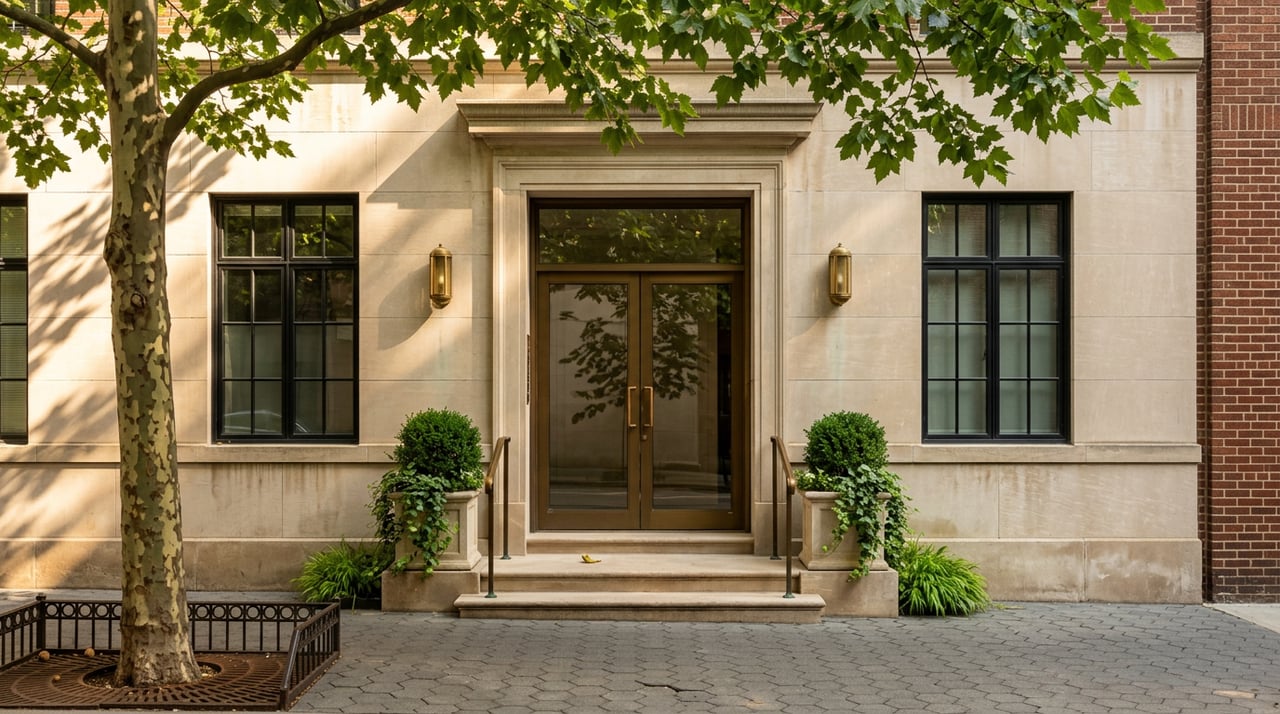
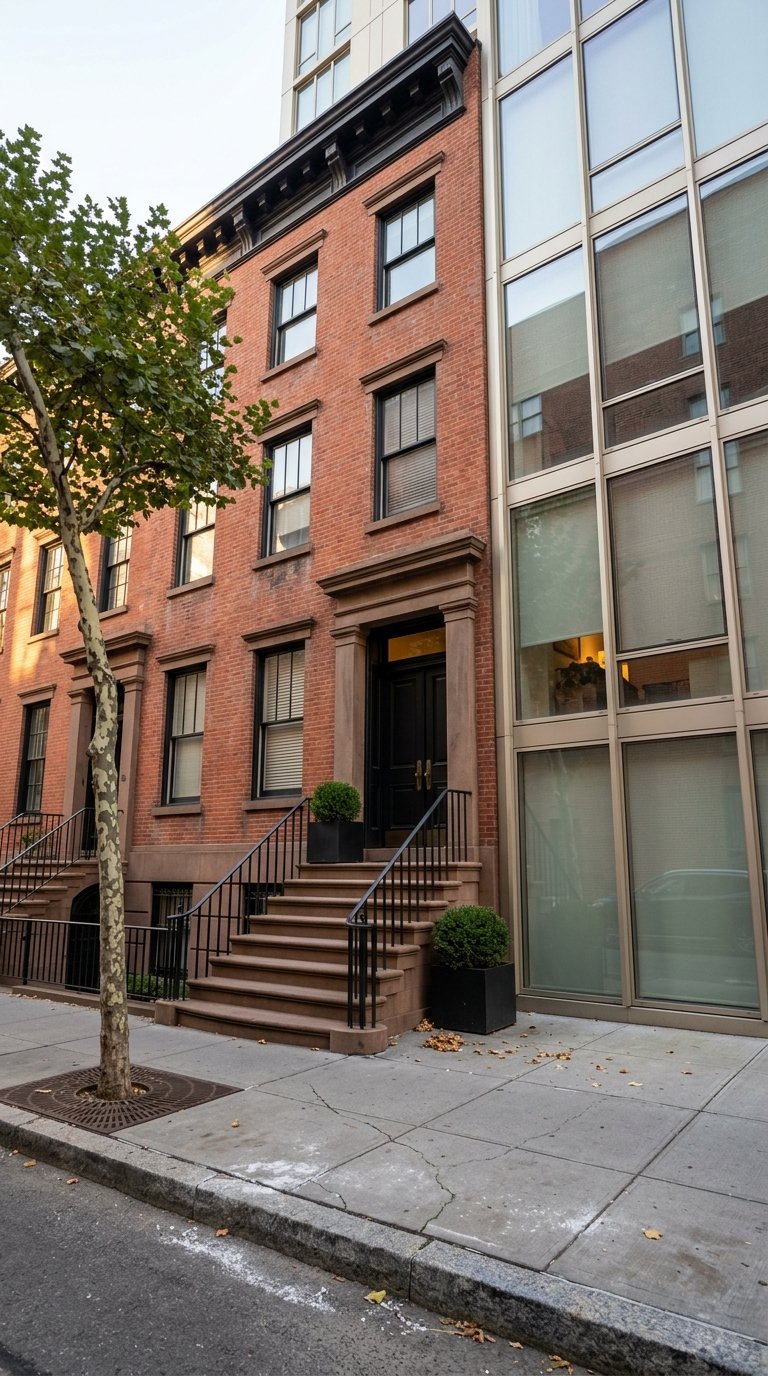
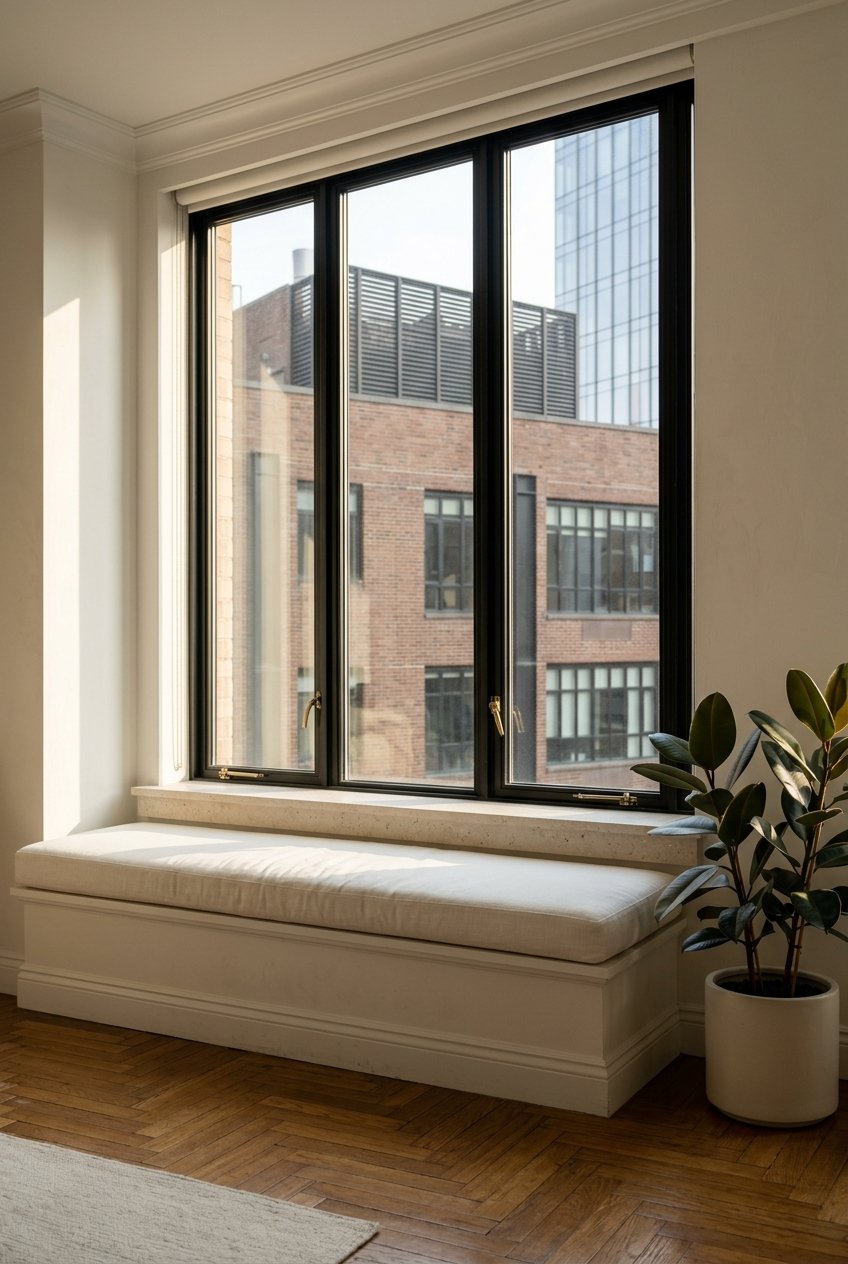
That variety gives you flexibility, but it also means you need to be clear about what kind of ownership experience you want. A prewar walk-up, a boutique condo, and a large amenity tower can all exist within the same neighborhood, yet they can feel completely different in day-to-day life and monthly costs.
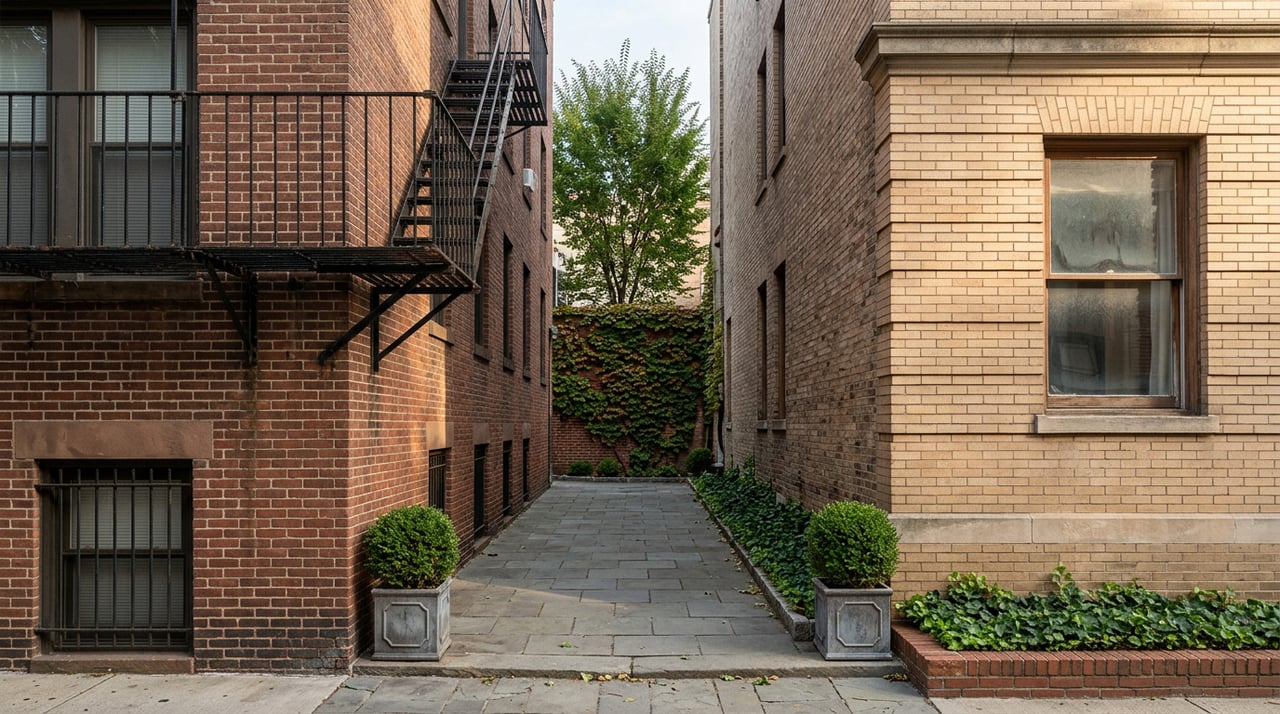
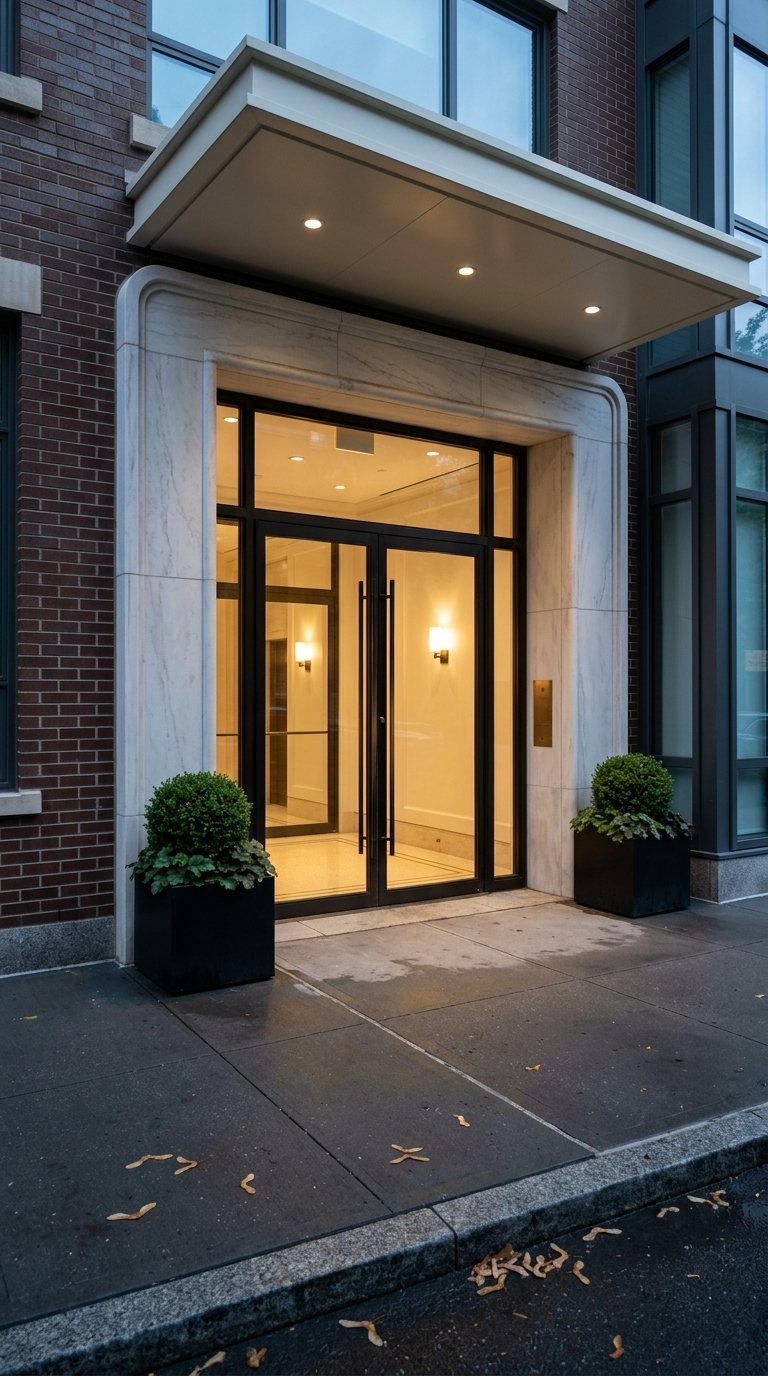
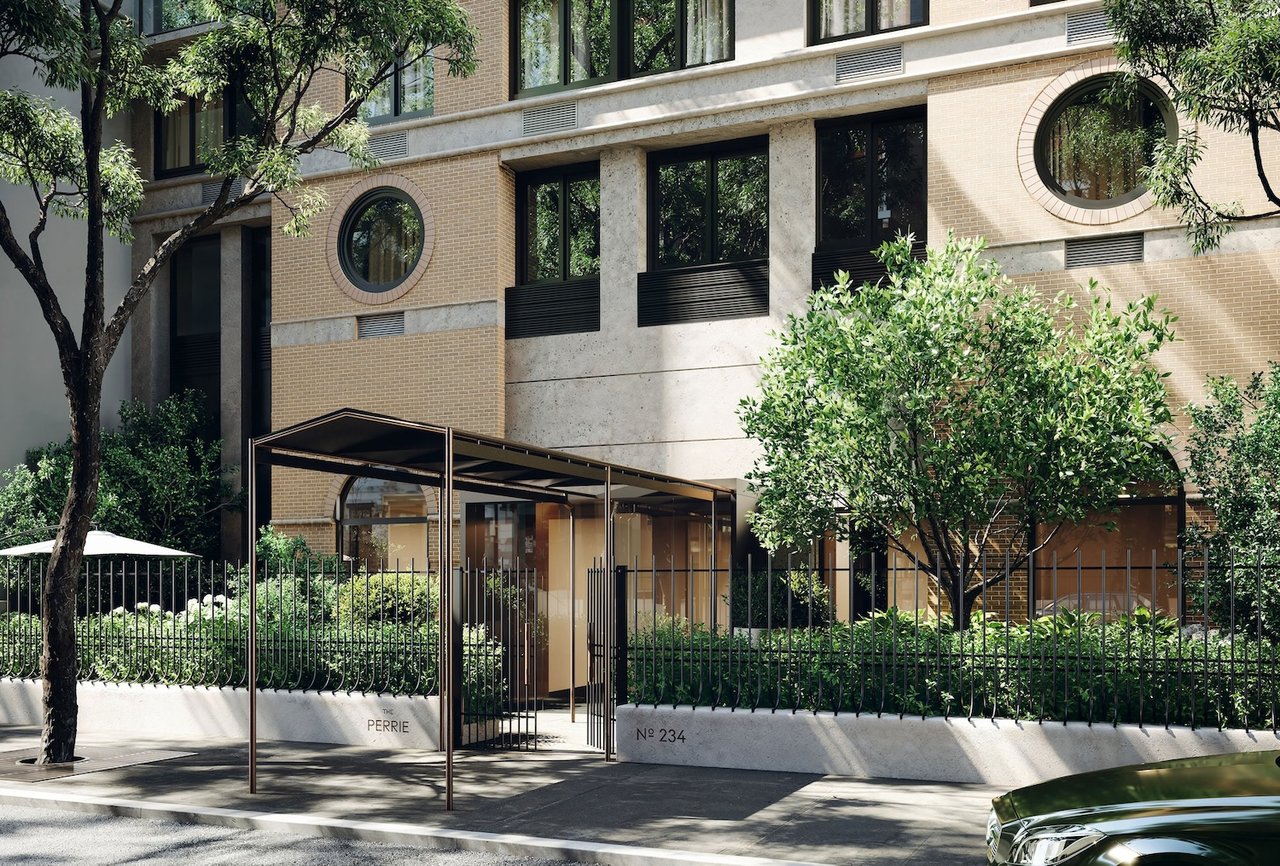
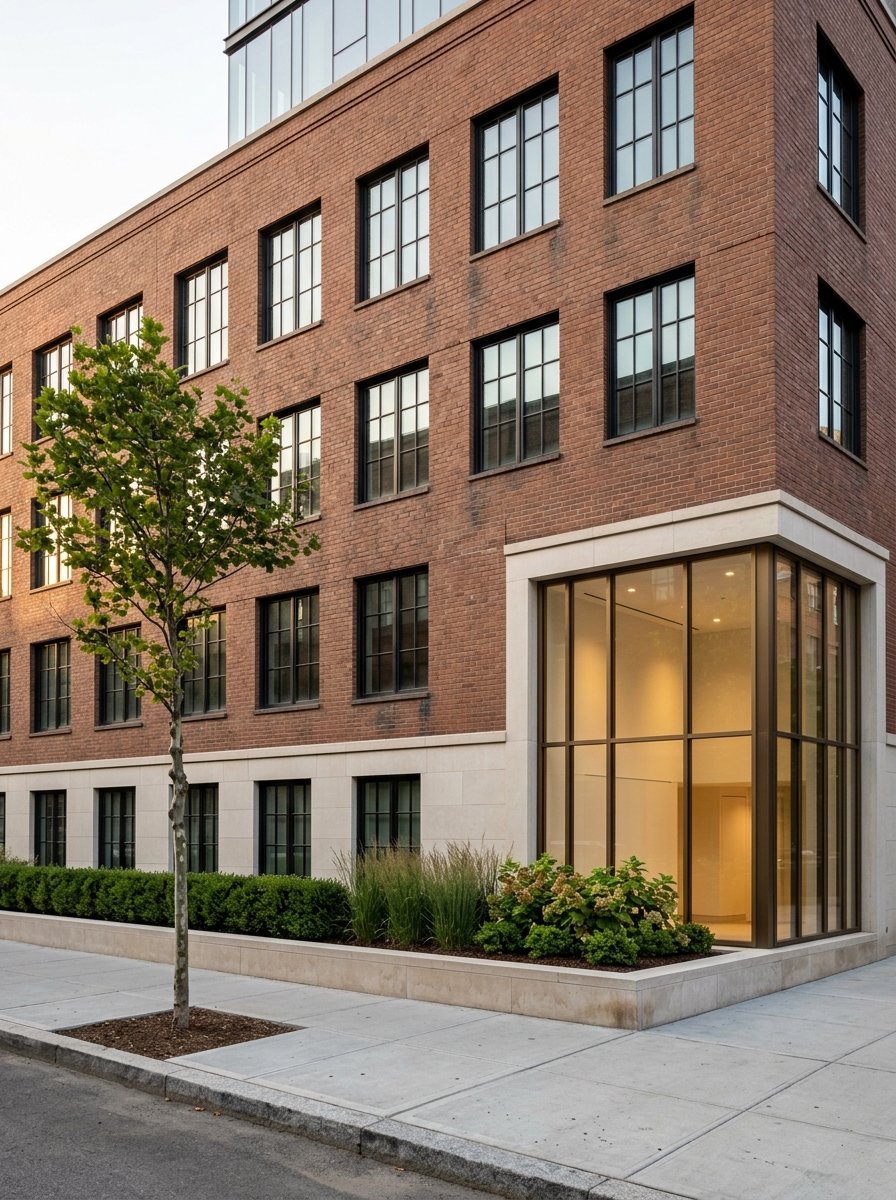
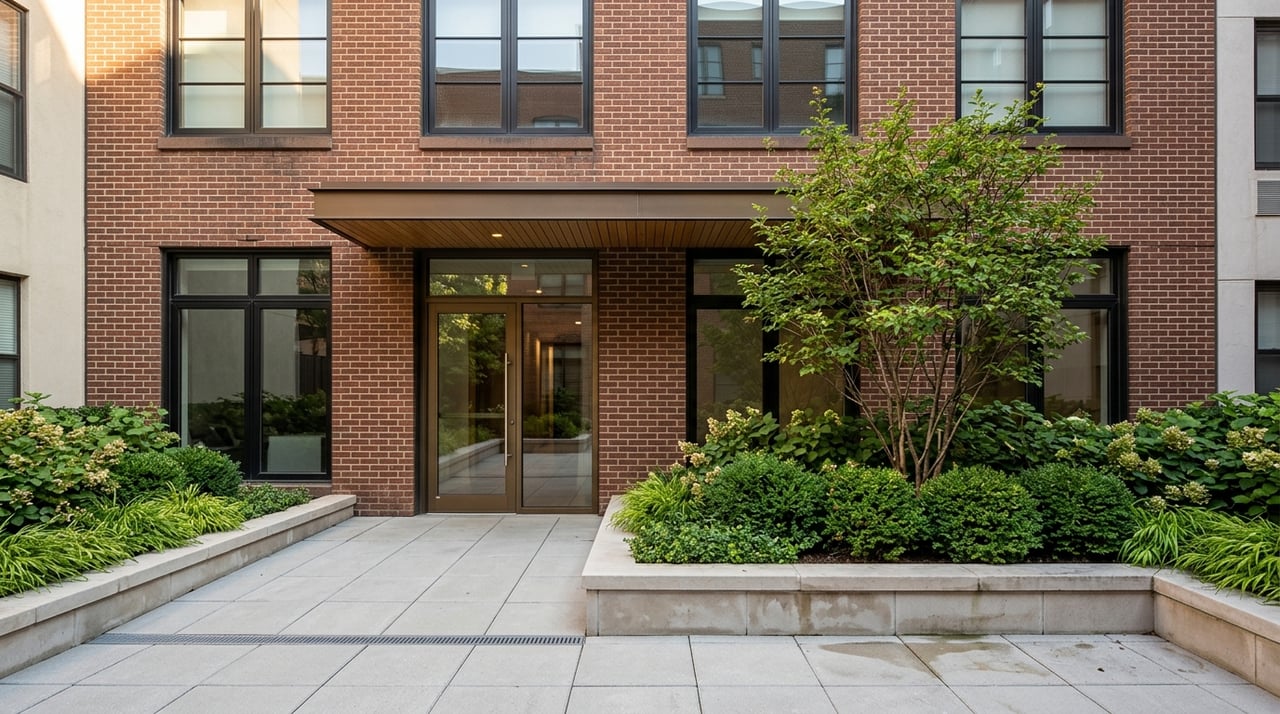
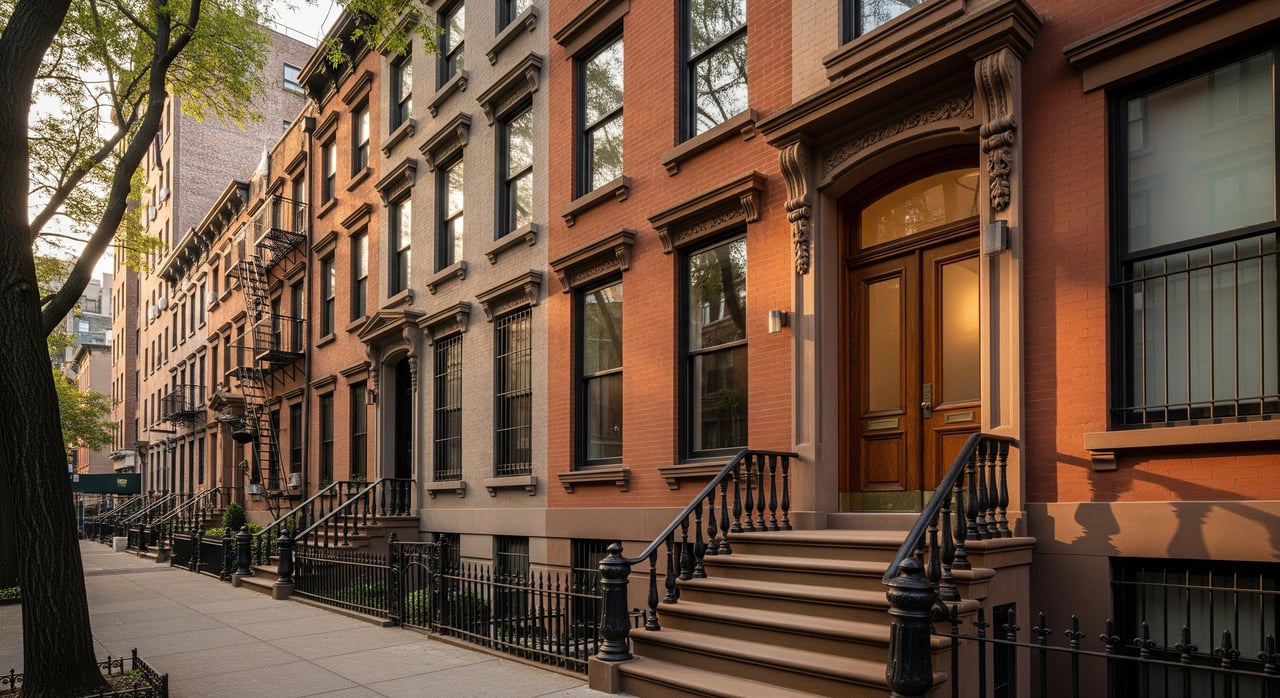
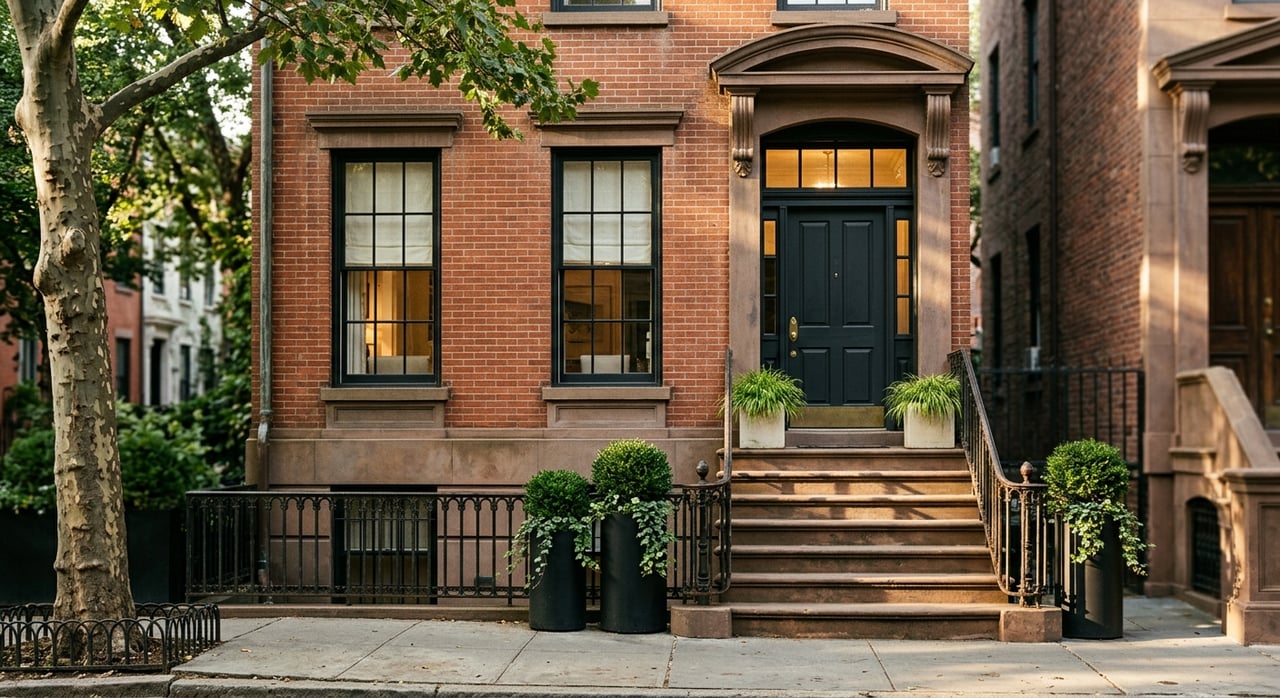
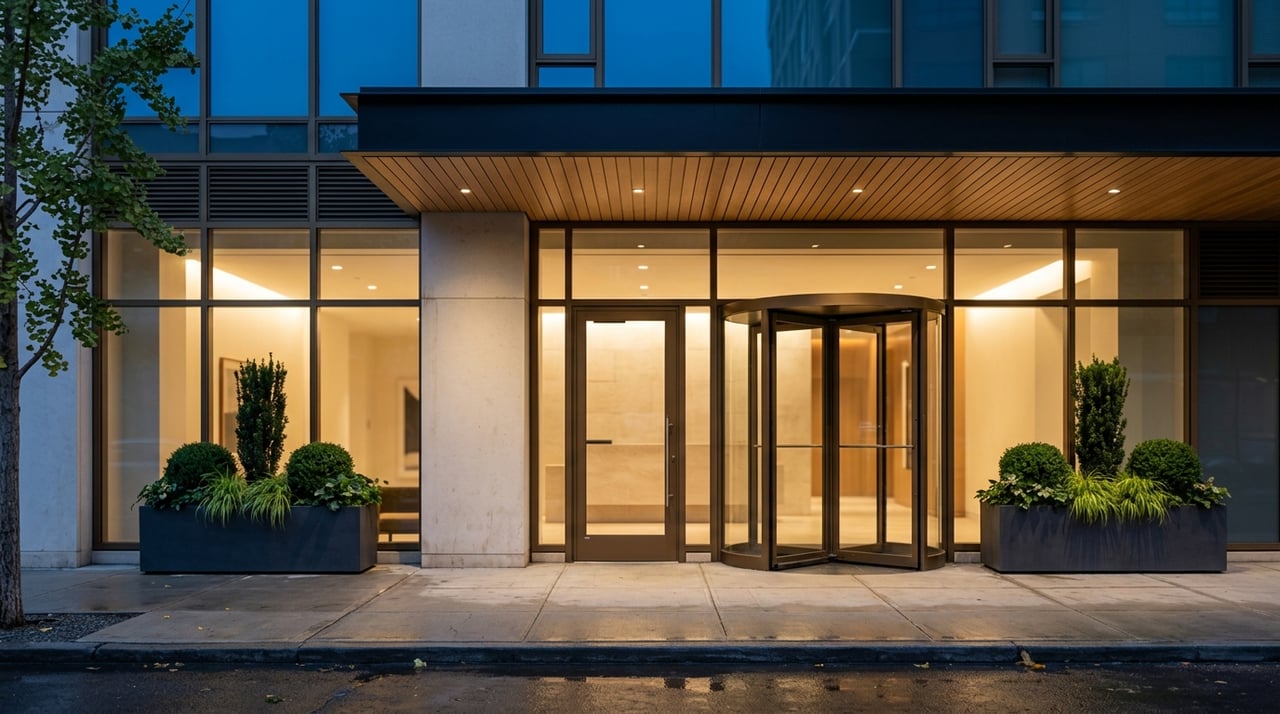
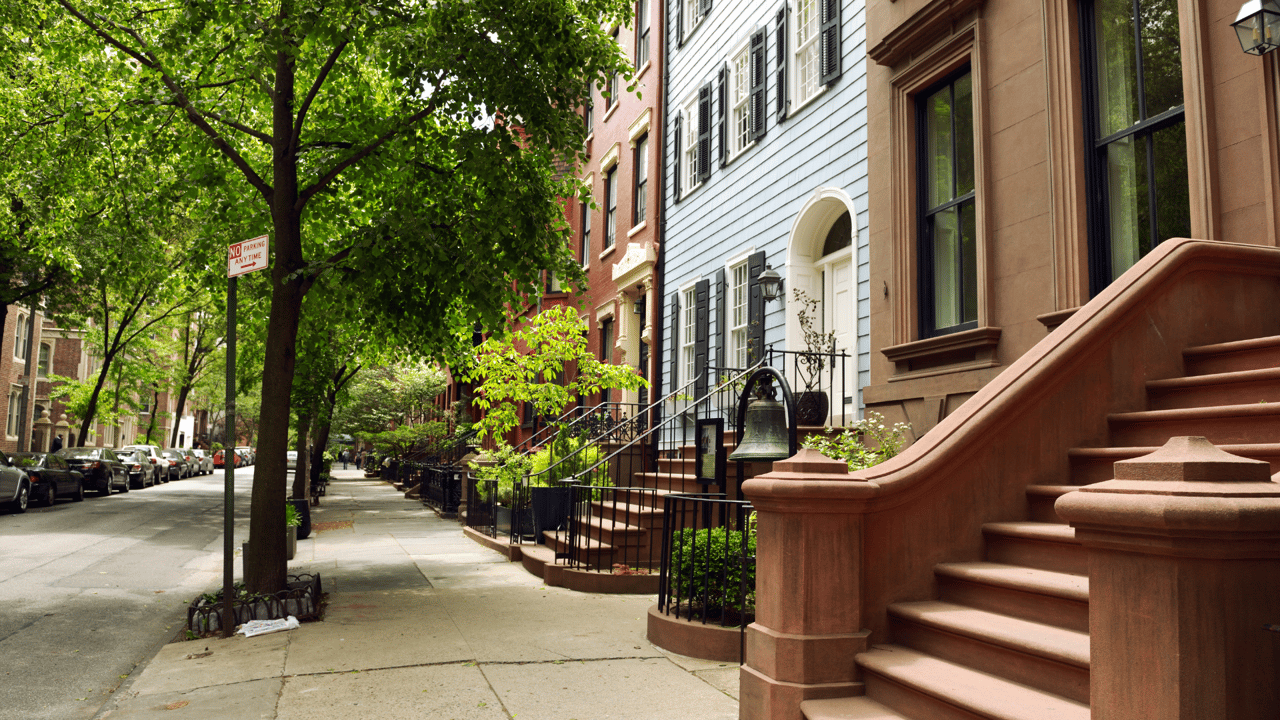
StreetEasy describes much of the area’s traditional housing stock as tenement-style buildings and walk-ups with unique, sometimes outdated layouts. Alongside that, the neighborhood also includes major newer condo buildings like One Manhattan Square, 222 LES Tower + Lofts, 208 Delancey, and 196 Orchard Street.
What Daily Life Feels Like
The Lower East Side offers real downtown convenience, but it is important to go in with a clear picture of daily living. StreetEasy describes the area as eclectic and noisy, and that description is supported by broader district data from Manhattan Community Board 3.
From July 2023 to July 2024, Community District 3 recorded 19,550 noise complaints. That included 4,735 commercial noise complaints and 4,416 street and sidewalk noise complaints. Since these figures cover a broader district that includes the East Village, the Lower East Side, and part of Chinatown, they should not be treated as block-specific, but they are highly relevant when you evaluate one street versus another.
If you are sensitive to noise, the exact location of the apartment matters as much as the neighborhood name. Avenue frontage, nightlife clusters, bridge traffic, and late-night street activity can change the experience dramatically from one block to the next.
Open Space Matters More Than You Think
Green space is another practical issue to weigh before you buy. Community Board 3 reports about 0.7 acres of open space per 1,000 residents, compared with a city-recommended 2.5 acres, and notes that open space is not evenly distributed across the district.
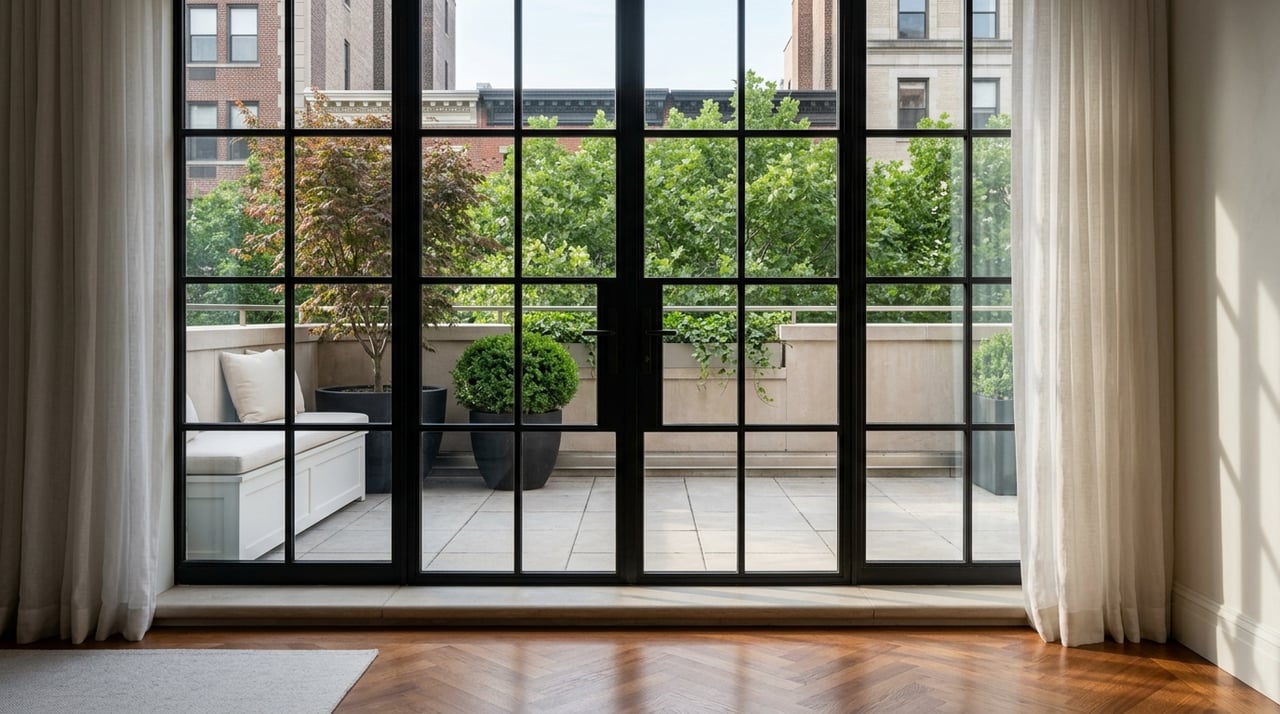
That does not mean you cannot enjoy parks nearby. It does mean that if open space is important to your routine, you should evaluate your exact block, your walking route, and how often you want easy park access built into your week.
For some buyers, downtown convenience outweighs the tradeoff. For others, limited open space becomes more noticeable after move-in, especially if you work from home or want more breathing room in your immediate surroundings.
Transit on the Lower East Side
Transit is one of the area’s strengths, but it comes with caveats. An MTA environmental review notes that several subway lines serve the Lower East Side, including the B, D, F, J, M, V, and Z lines.
Still, the same MTA source points out that north-south service on the east side is limited and that some eastern blocks involve a longer walk to the subway. It also notes that the older street pattern south of Houston can make bus service more complicated and more affected by traffic delays.
Bus routes serving or bordering the area include the M14A-SBS, M14D-SBS, M15, M21, M22, and B39. If your schedule depends on a simple commute, it is worth testing the walk and route at the actual times you would travel, not just checking a map once.
Resale Potential Depends on the Building
If this is your first Manhattan home, you may not plan to stay forever. That makes resale an important part of the buying decision from day one.
The broader Lower East Side and Chinatown profile from the NYU Furman Center shows residential property values up 63% since 2009. It also reports 5,994 units added in buildings with four or more units from 2010 to 2025, with 66% market-rate and 28% income-targeted.
Those numbers point to a neighborhood that has seen meaningful development and long-term value growth, but they do not guarantee that every apartment will perform the same way. In the Lower East Side, resale often depends heavily on building type, layout, and how easy it is for future buyers to compare your apartment with other recent sales.
A distinctive walk-up apartment may appeal to the right buyer, but it may also have fewer direct comparables. A large new condo tower may offer more transparent pricing history, but if many similar units exist in the same building, your apartment may need a stronger edge in line, exposure, or views to stand out later.
Compare LES With Nearby Options
A smart first purchase is rarely about one neighborhood alone. It is about understanding what you gain and give up when you compare the Lower East Side with nearby downtown options.
East Village Comparison
East Village is one of the closest comparisons on price. StreetEasy shows a median sale price of $920,000 and a median base rent of $4,650, which is very close to Lower East Side levels.
The difference is often in housing character. StreetEasy describes East Village as largely prewar with many walk-ups and smaller apartments that may need updates, while also noting tree-lined side streets and community gardens. If you want a more consistently prewar housing profile, East Village may feel more predictable.
Chinatown Comparison
Chinatown can overlap with Lower East Side searches, especially if you are focused on downtown access and value. StreetEasy shows $1,592 per square foot for Chinatown compared with $1,328 per square foot for the Lower East Side neighbor set, while also noting access to nine subway lines.
The street environment can feel different, though. StreetEasy describes busy daytime activity, lively nighttime dining, and growing luxury inventory alongside the area’s longstanding character. For some buyers, that mix is a plus. For others, it changes the day-to-day feel more than expected.
SoHo and Financial District Comparison
SoHo is in a different price category. StreetEasy reports a median sale price of $3.4 million and median base rent of $5,995, so it is usually not the closest comparison for first-time buyers seeking an entry-level Manhattan purchase.
The Financial District is more comparable on price, with a median sale price of $1.1 million and median base rent of $4,695. StreetEasy also highlights its strong transit access, while noting that evenings can feel quieter because of its office-heavy setup. If your priority is convenience over neighborhood energy, FiDi may be worth comparing closely.
A Practical LES Buyer Checklist
Before you decide whether the Lower East Side is right for your first Manhattan home, use a simple framework during your search.
- Building type: Are you comfortable with a walk-up, or do you want an elevator or full-service building?
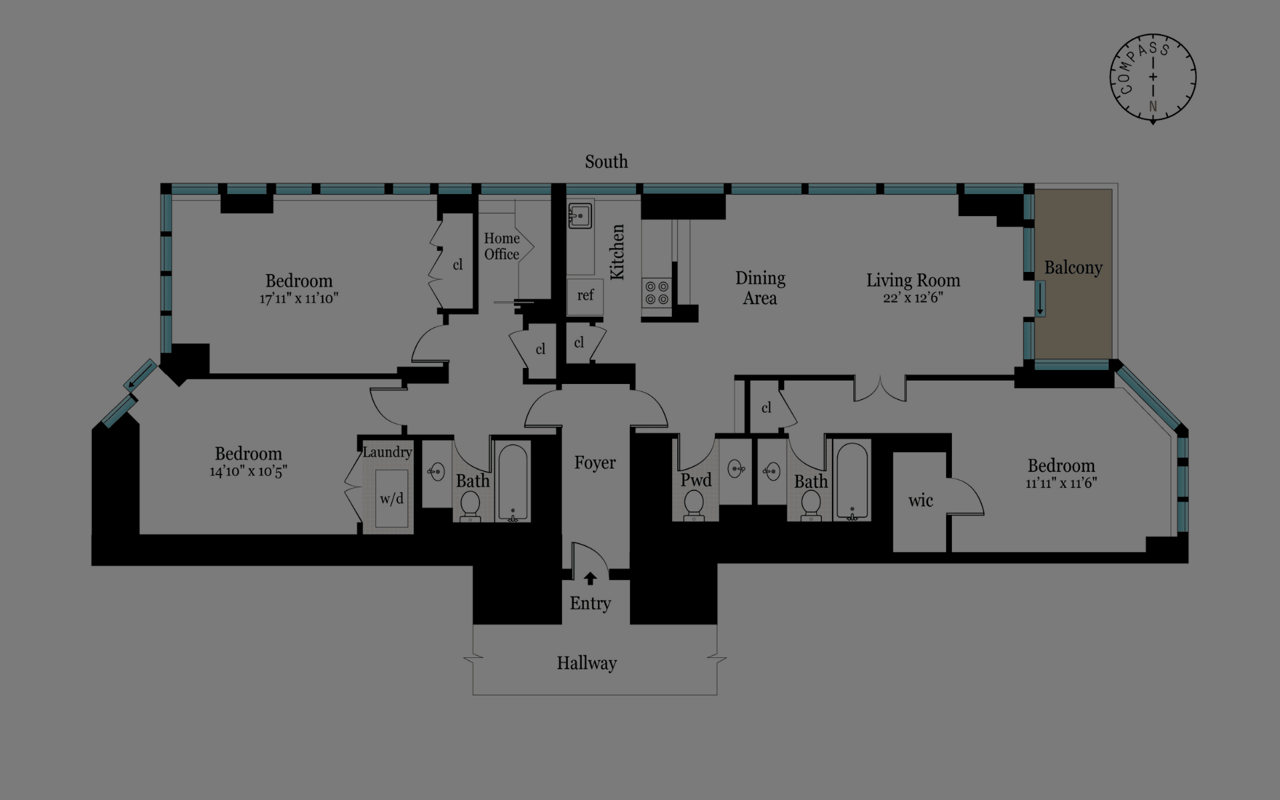
- Layout: Does the apartment have an efficient floor plan, or does charm come with awkward tradeoffs?
- Noise exposure: Is the unit affected by nightlife, avenue traffic, bridge traffic, or heavy sidewalk activity?
- Transit fit: Are you close to the subway line you actually need, or will you rely on buses or a longer walk?
- Open space: How important is nearby park access to your routine?
- Resale clarity: Does the building have enough comparable sales to support future pricing confidence?
When you view homes, try to think beyond the listing photos. In the Lower East Side, block, building, and even apartment line can shape your experience as much as the neighborhood itself.
So, Is the Lower East Side Right for You?
The Lower East Side can be a strong first-home choice if you want downtown Manhattan energy, a broad mix of housing options, and pricing that still sits below some nearby luxury neighborhoods. It can be especially compelling if you are open to tradeoffs and willing to evaluate each building with care.
It may be less ideal if you are highly sensitive to noise, want abundant green space close by, or need a very simple transit setup from every block. In this neighborhood, the smartest buyers tend to be the ones who shop with a clear lifestyle filter, not just a budget.
If you want help comparing Lower East Side options against the East Village, Chinatown, FiDi, or other Manhattan neighborhoods, Dana Sapir can help you assess value, building differences, and long-term fit with a calm, strategic approach.
FAQs
Is the Lower East Side affordable for a first-time Manhattan buyer?
- The Lower East Side is not a bargain market, but StreetEasy’s reported median sale price of $913,000 places it in a workable entry band for many first-time Manhattan buyers.
What kinds of homes can you buy on the Lower East Side?
- You can find a mix of tenement-style walk-ups, prewar apartments, boutique condos, large new-development towers, and homes ranging from compact one-bedrooms to larger loft-style units.
Is the Lower East Side noisy for first-time homeowners?
- It can be, and Manhattan Community Board 3 reports high district-wide noise complaint volume, so block-by-block evaluation is important when you tour apartments.
How is transit on the Lower East Side for Manhattan buyers?
- The neighborhood is served by several subway lines and bus routes, but some eastern blocks are farther from stations and certain bus trips can be affected by traffic and street layout.
How does the Lower East Side compare with East Village for first-time buyers?
- Pricing is similar, but East Village generally offers a more consistently prewar housing profile, while the Lower East Side has a broader mix of old walk-ups and newer condo product.
What should first-time buyers check before buying on the Lower East Side?
- Focus on building type, layout efficiency, noise exposure, transit convenience, nearby open space, and whether the building has enough comparable sales to support future resale value.