Wondering whether a Hell’s Kitchen walk-up or high-rise is the smarter buy? In this neighborhood, that choice shapes not just your budget, but also your day-to-day experience, your monthly costs, and your future flexibility. If you are trying to balance character, convenience, and long-term strategy, the good news is that Hell’s Kitchen gives you real options. Let’s dive in.
Hell’s Kitchen offers two distinct paths
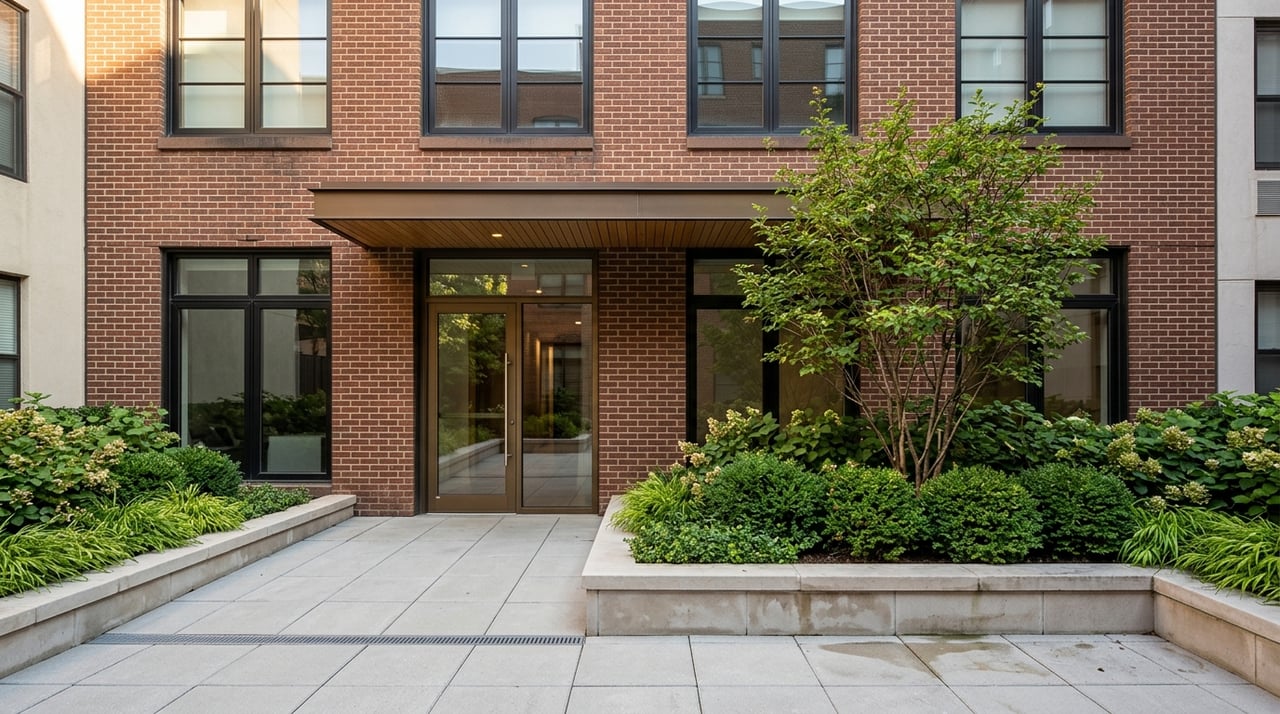
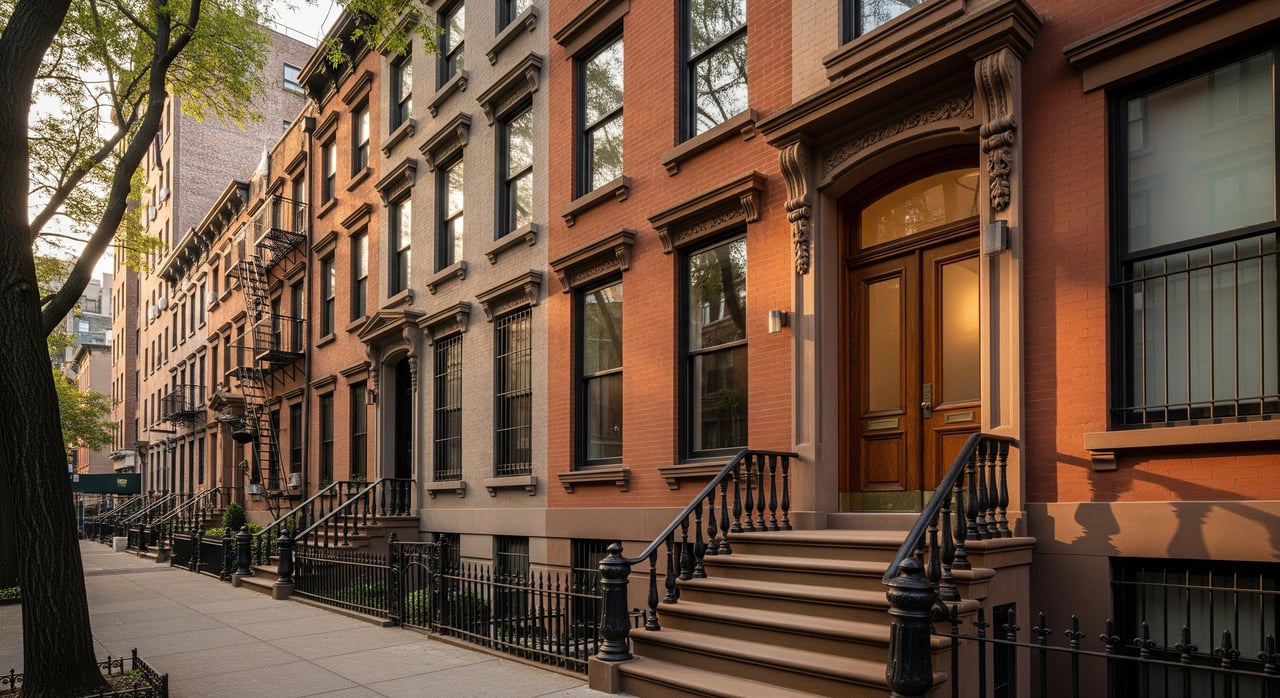
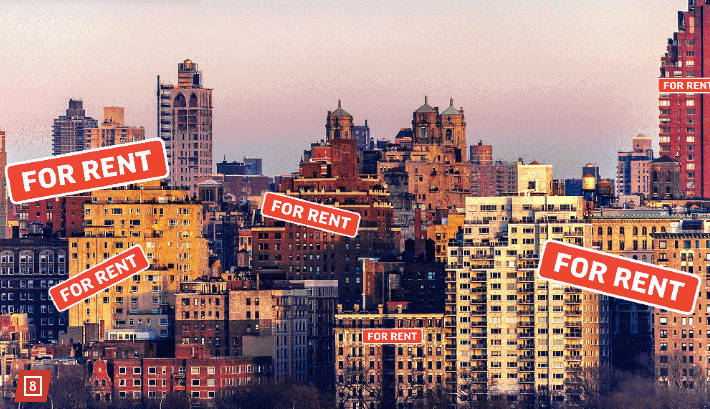
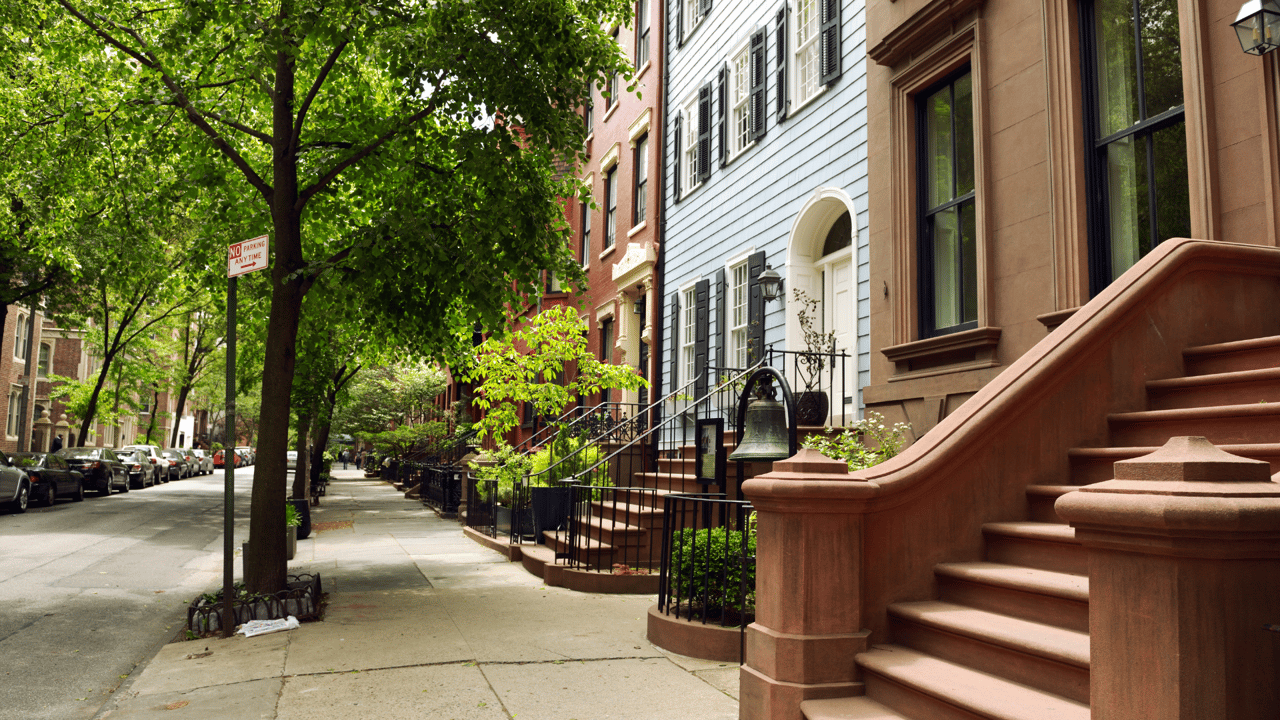
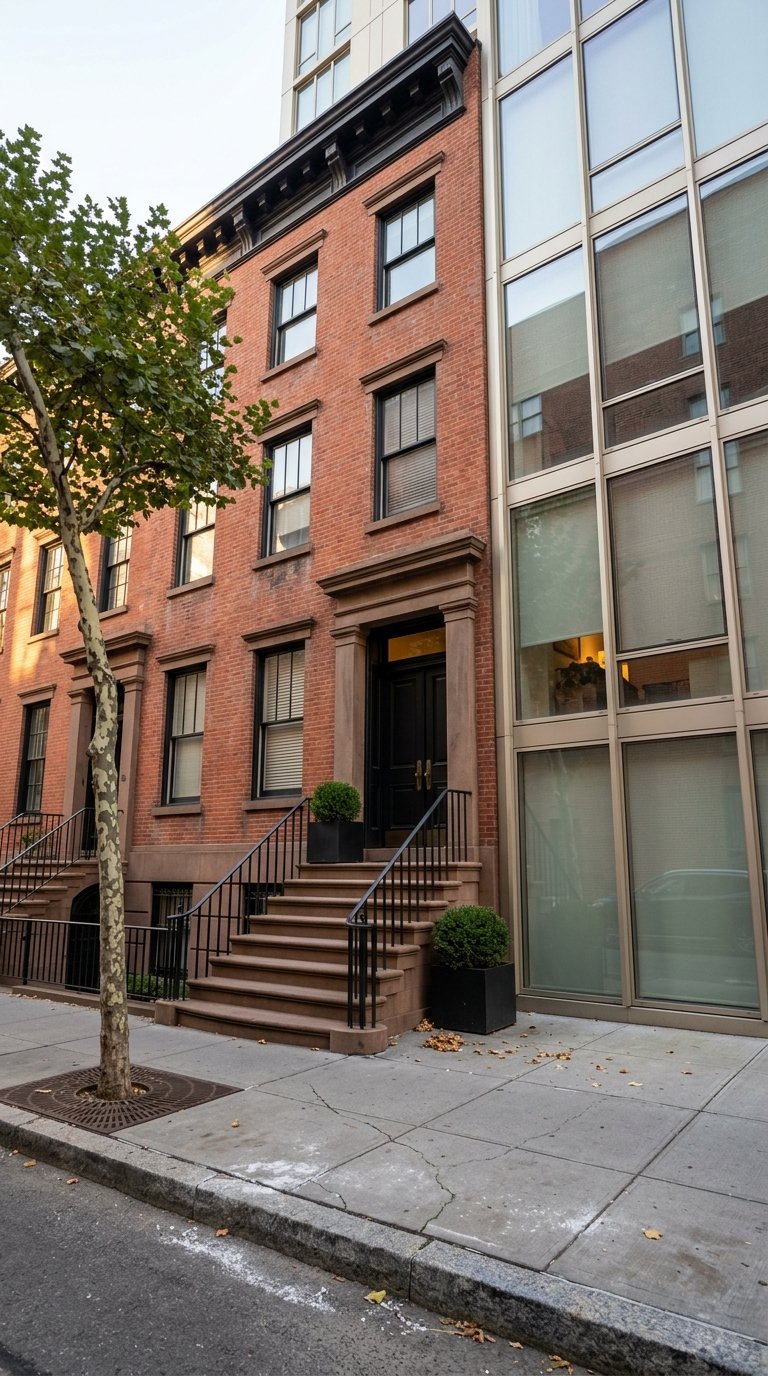
Hell’s Kitchen has a split personality in the best way. Official planning materials for the Special Clinton District describe a residential fabric that includes many five- to six-story walk-up buildings, while the avenues and surrounding corridors include a denser mix of apartment towers, hotels, offices, and other larger-scale buildings.
That means your decision is not just about building height. It is really about how you want to live in Hell’s Kitchen. One path leans toward classic neighborhood scale and lower entry pricing, while the other leans toward elevators, amenities, and a more modern ownership experience.
The neighborhood itself is also more economically mixed than many buyers assume. Manhattan Community District 4 reported about 120,000 residents, an average household income of roughly $100,000, more than 14,000 families below $35,000, 18,216 rent-regulated units, and 879 public housing units. That mix helps explain why Hell’s Kitchen can feel both established and evolving at the same time.
Walk-ups fit buyers seeking value
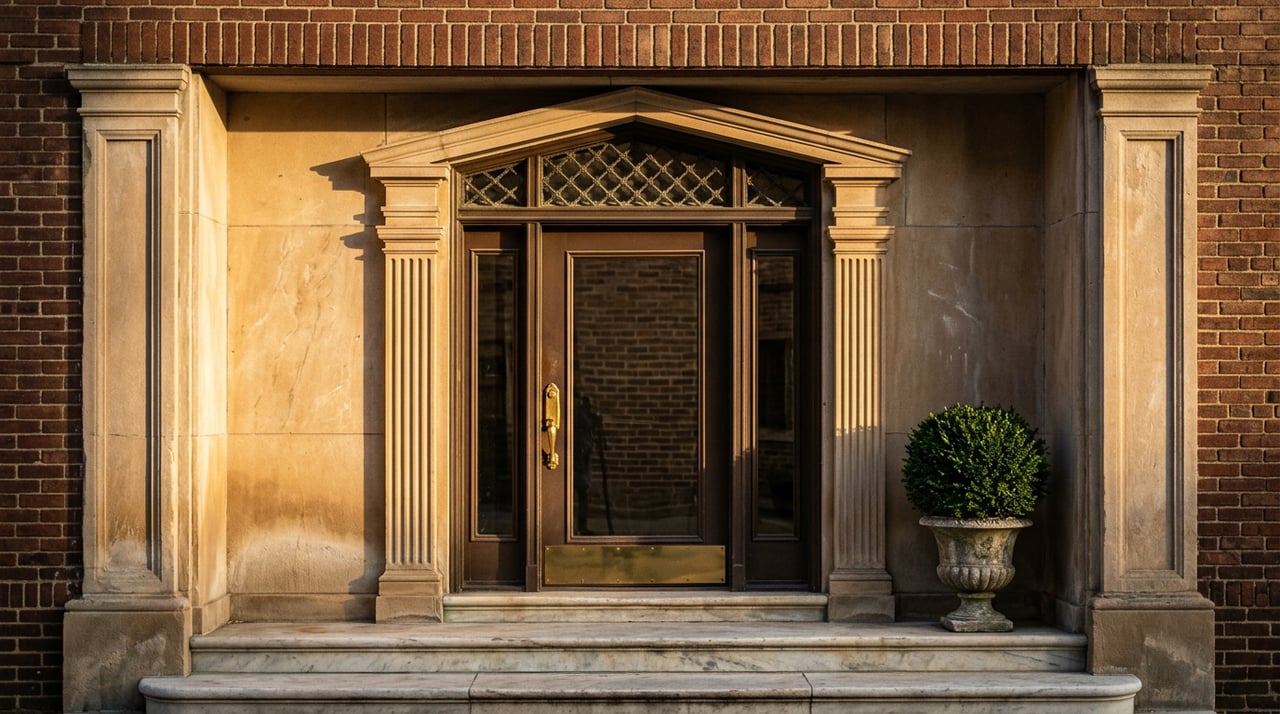
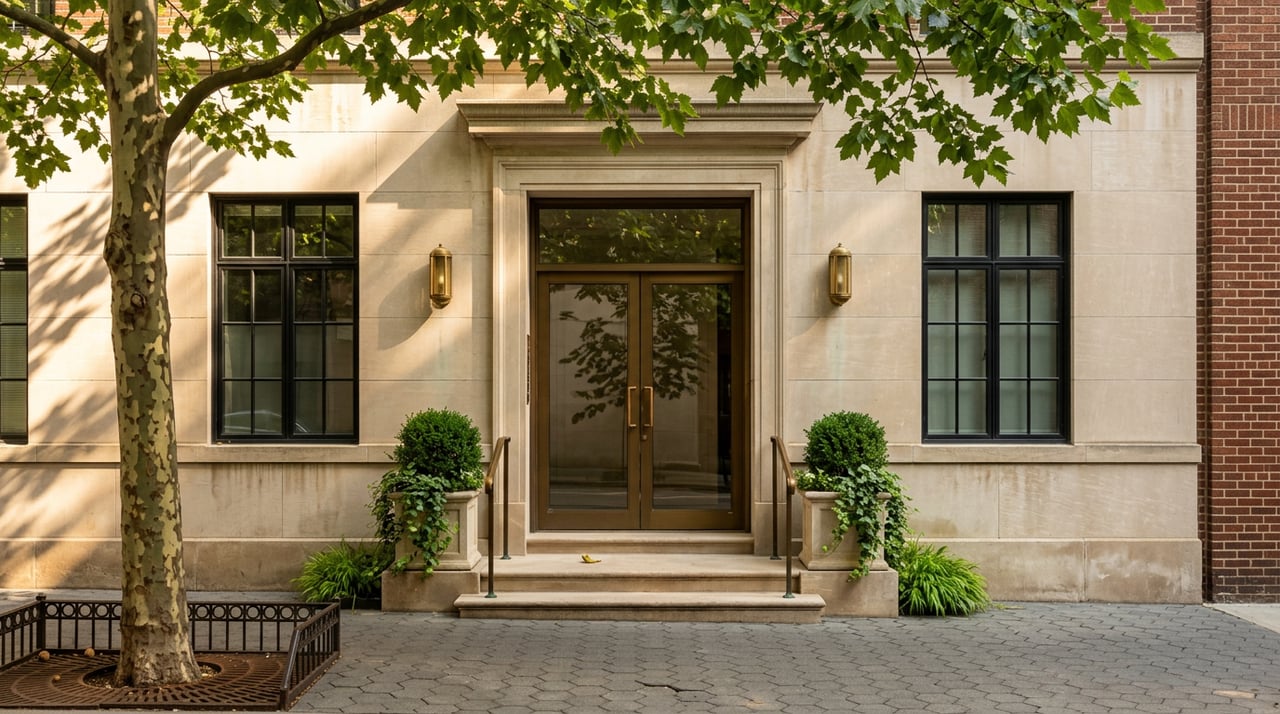
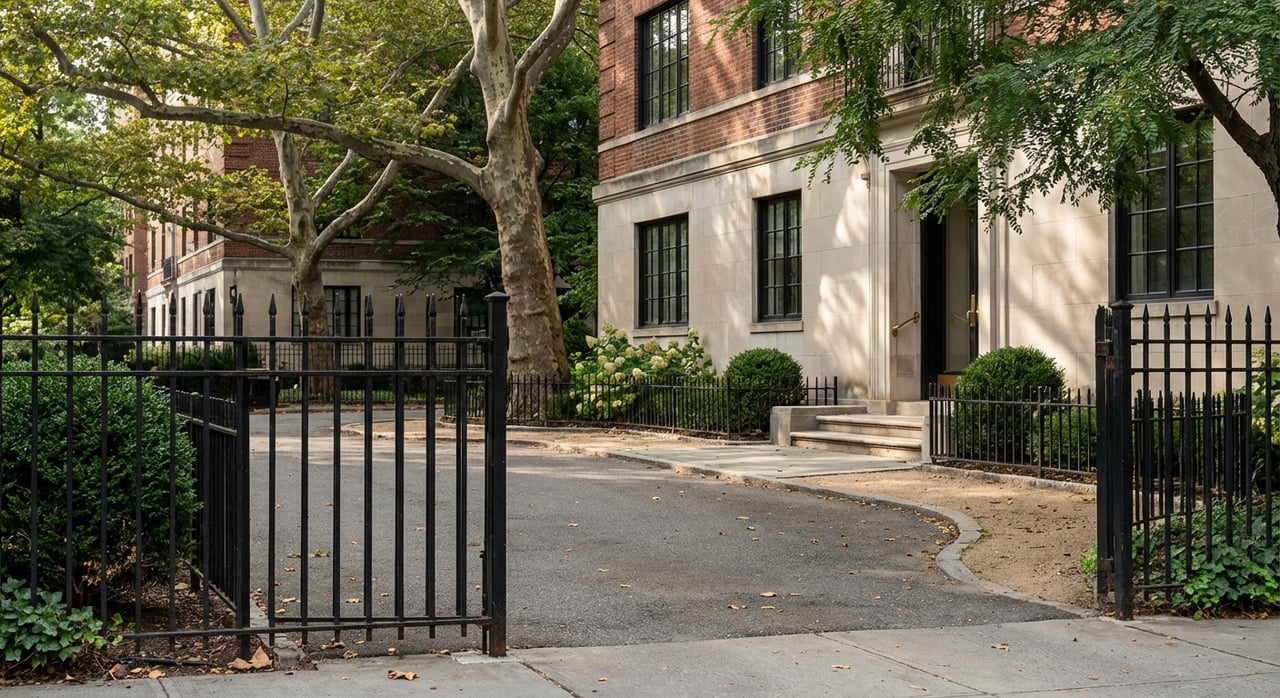
If your top goal is getting the most neighborhood feel per dollar, a walk-up or other low-rise building may be the better fit. In Hell’s Kitchen, these buildings often connect you more directly to the block-by-block texture that the Special Clinton District was designed to preserve.
This option often appeals to buyers who care about character more than amenities. You may find smaller-scale buildings, fewer shared spaces, and a more intimate feel than you would in a taller condo tower.
The tradeoff is straightforward. You are usually giving up elevator service, larger amenity packages, and some convenience in exchange for a lower entry point and a more traditional Hell’s Kitchen experience.
High-rises favor convenience and flexibility
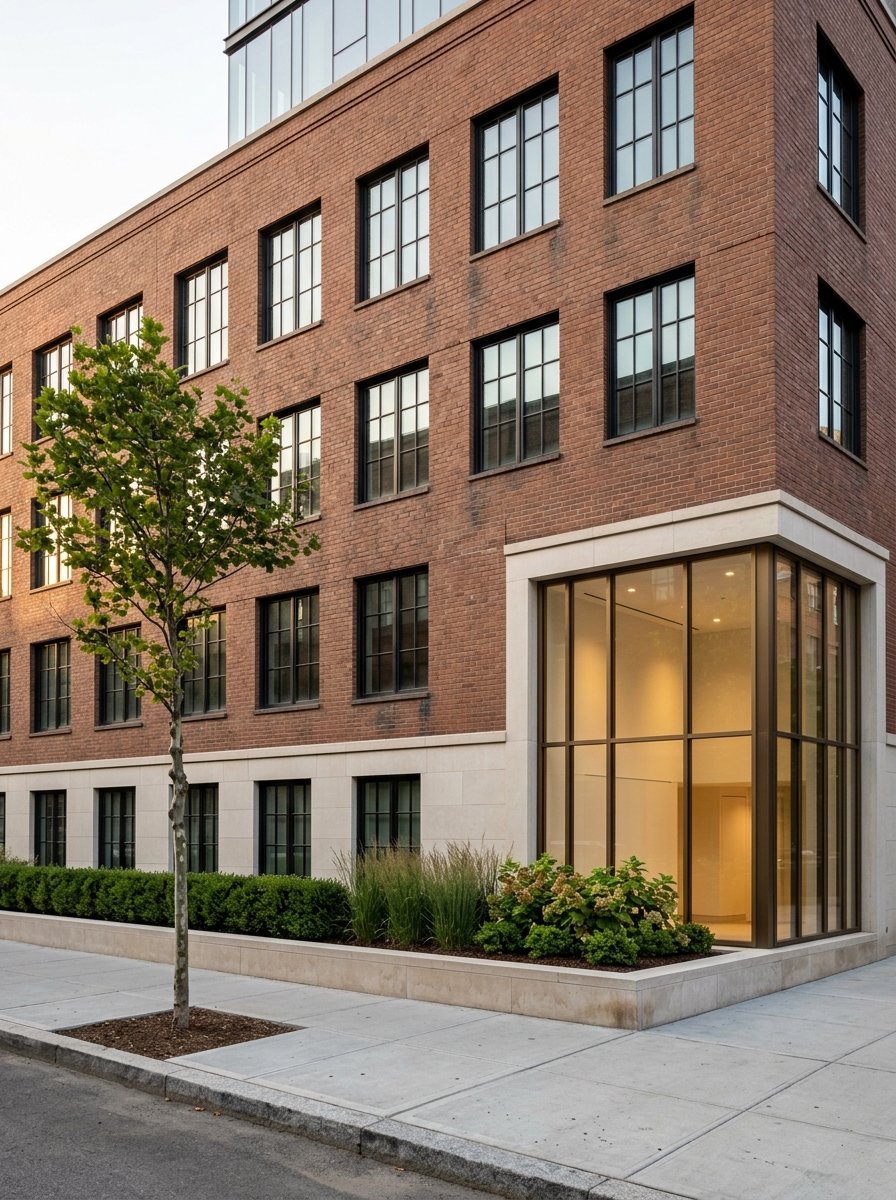
If you want modern systems, elevator access, and a smoother ownership structure, a high-rise condo may make more sense. StreetEasy’s co-op versus condo guidance notes that condos are generally newer, more flexible for renting or future changes, and often simpler to buy and resell.
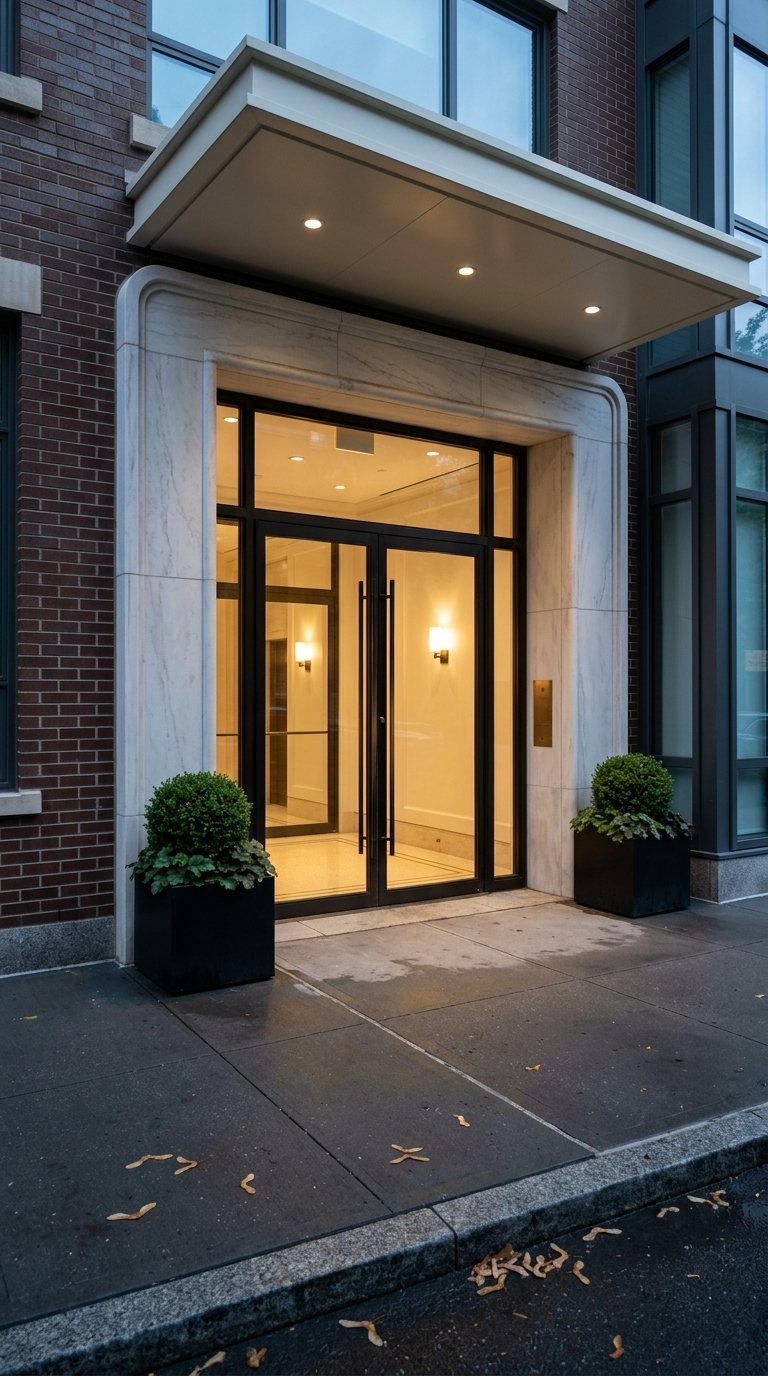
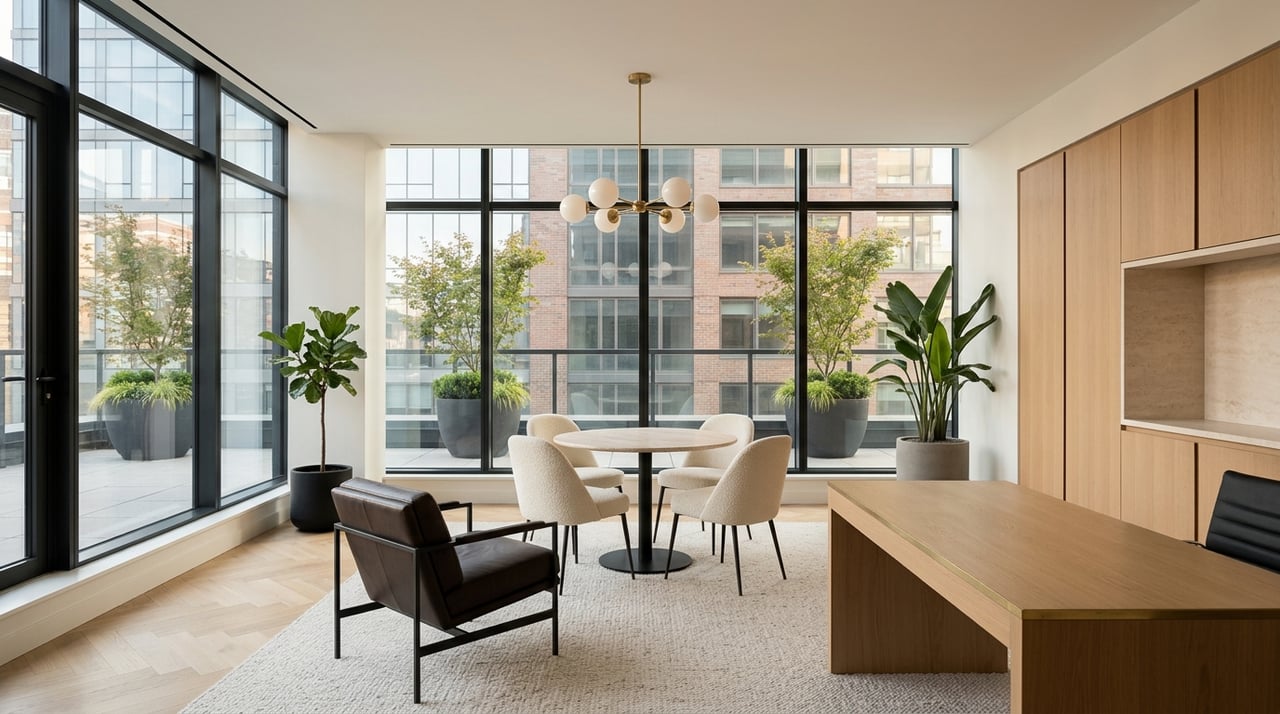
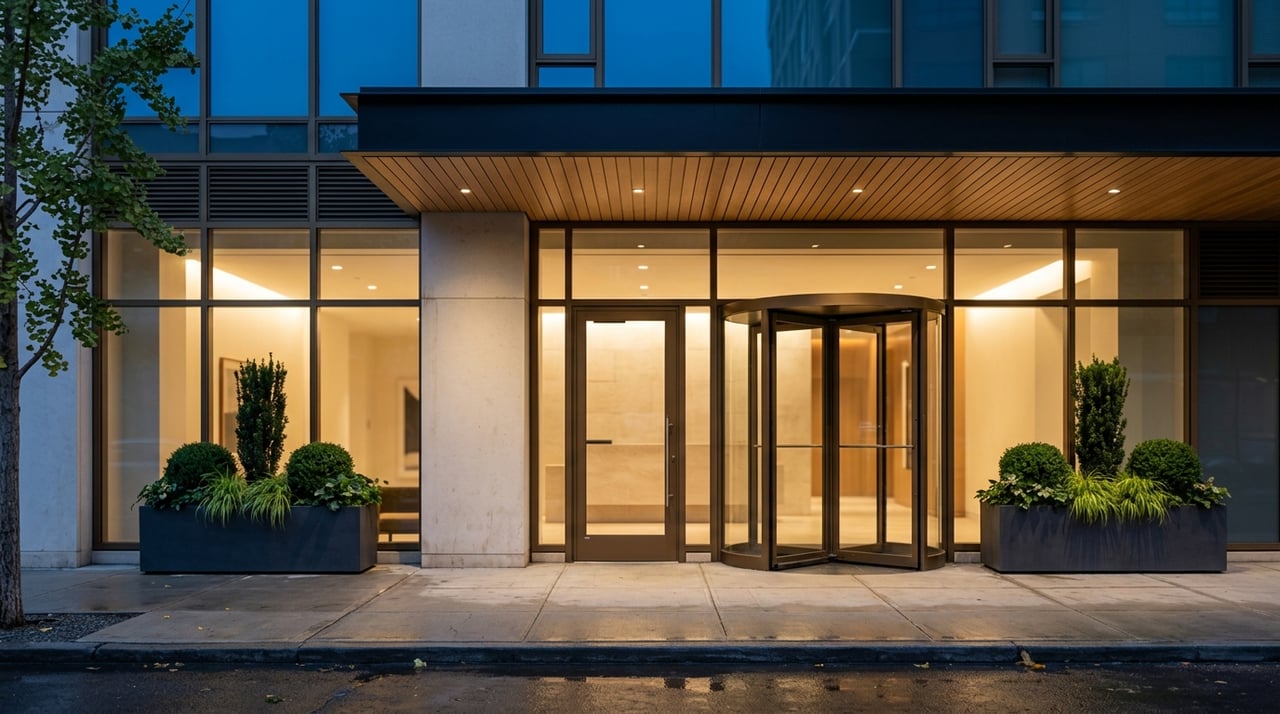
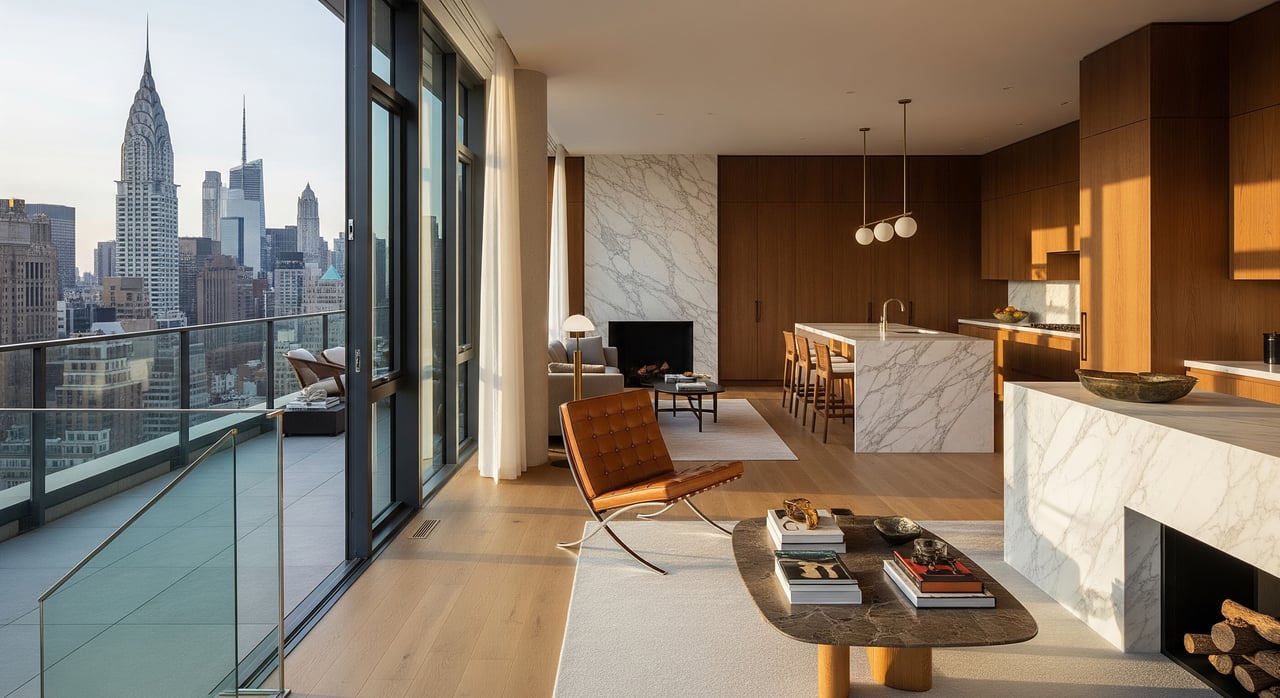
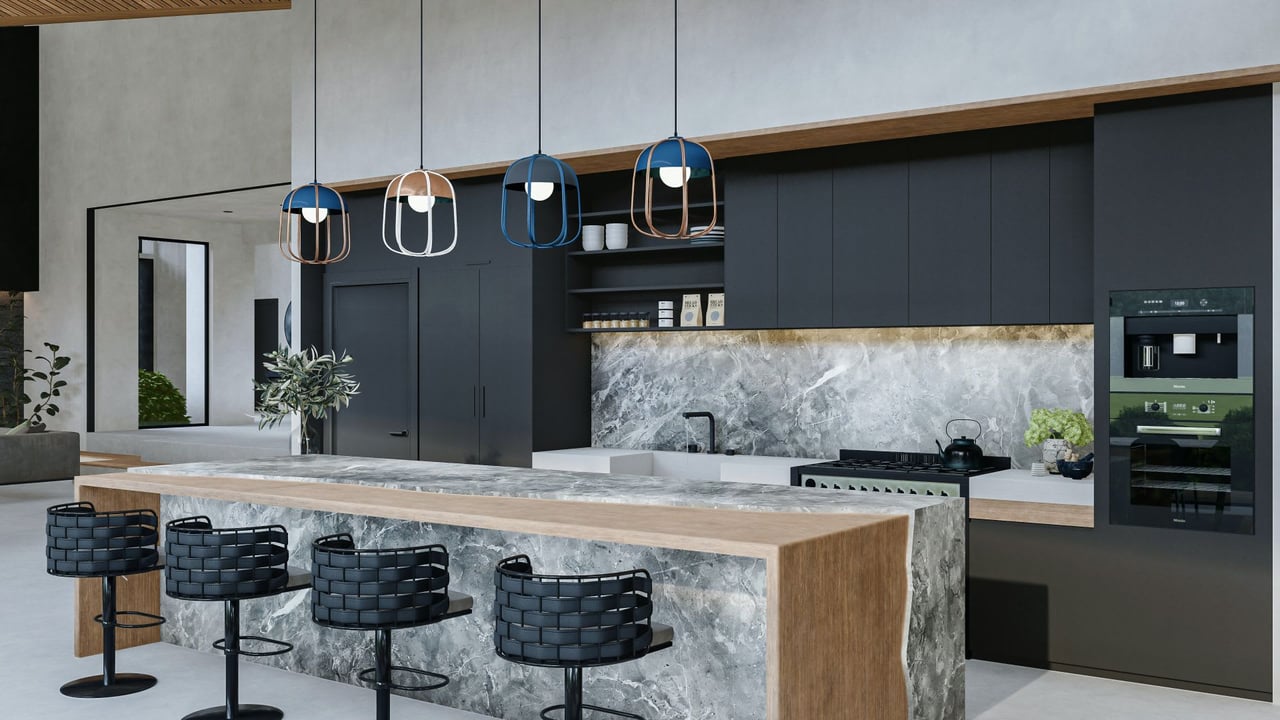
High-rises also tend to come with the features many Manhattan buyers now prioritize. That can include fitness centers, rooftop lounges, pools, coworking spaces, and staffed services, depending on the building.
For some buyers, that convenience is worth paying for. If you expect your needs to change, want easier resale positioning, or care about rental flexibility later, the high-rise path can offer a more standardized experience.
Price gaps are hard to ignore
In Hell’s Kitchen, the price spread between co-ops and condos is meaningful. Current asking data shows median condo asks at $677,000 for studios, $1.02 million for one-bedrooms, and $1.65 million for two-bedrooms.
Comparable co-op pricing comes in lower. Median asking prices are about $450,000 for studios, $599,000 for one-bedrooms, and $1.09 million for two-bedrooms.
New-development condos push even higher. Median asking prices sit around $760,000 for studios, $1.2675 million for one-bedrooms, and $1.9415 million for two-bedrooms, with a neighborhood-wide new-development median asking price of $1.47 million.
That pricing ladder matters because it changes who each option works best for. A walk-up or low-rise co-op may open the door to Hell’s Kitchen sooner, while a high-rise condo often requires more room in your purchase budget from day one.
Monthly carry matters as much
Sticker price is only part of the story in Manhattan. What really matters is your all-in monthly cost, including maintenance, common charges, and taxes.
Manhattan-wide closed-sale data from Q4 2025 shows median condo sale prices at $1.661 million versus $825,000 for co-ops. The same report shows average co-op monthly maintenance at $2,938, while condo common charges plus real estate taxes averaged $5,013.
Those numbers are citywide, not Hell’s Kitchen-specific, but they are a strong reminder that a lower purchase price does not automatically mean a lower monthly cost. Co-op maintenance typically includes building expenses, insurance, the underlying mortgage, and property taxes, while condo owners pay common charges and property taxes separately.
Before you choose a walk-up or a high-rise, compare the full monthly picture. A building that looks more affordable on paper can feel different once recurring costs are added back in.
Amenities versus character
This is where the choice often becomes personal. A high-rise condo usually wins on amenities and convenience, while a walk-up often wins on character, scale, and price efficiency.
If you picture your ideal home as turnkey and service-oriented, the high-rise likely checks more boxes. If you care more about classic Manhattan texture, a lower-rise building may feel more grounded in the neighborhood.
Neither choice is automatically better. The right answer depends on which tradeoffs you are happiest making every day.
Resale and rental flexibility differ
Your future plans should influence your decision now. If you think you may sell in a few years or want the option to rent the home later, flexibility matters.
StreetEasy notes that condos are usually simpler to buy and resell, and generally more flexible when it comes to renting. Co-ops tend to have stricter rules and board approval requirements, which can affect both purchase process and future use.
There is also evidence that Hell’s Kitchen has real market depth. StreetEasy currently shows 337 listings for sale and 423 rental listings in the neighborhood, with a median rent of $4,995.
At the Manhattan level, condos had 8.2 months of supply in Q4 2025 compared with 5.5 months for co-ops. That does not predict appreciation, but it does suggest that condos and co-ops can behave differently when you eventually exit.
Hell’s Kitchen pricing stays competitive
Hell’s Kitchen sits close to the core of Midtown, but the neighborhood can still offer relative value by Manhattan standards. StreetEasy reports an average asking price of $1,382 per square foot in Hell’s Kitchen, compared with $1,467 in Midtown West and $3,306 for Midtown overall.
That does not make any given listing a bargain. It does mean buyers often look at Hell’s Kitchen as a place where they can stay close to Midtown while still finding a wider range of price points and building types.
This helps explain why the walk-up versus high-rise question matters so much here. You are not just deciding between two homes. You are choosing how to use one of Manhattan’s more varied residential markets.
How to decide based on your profile
A simple framework can make this choice much easier. Start with your top priority, then work backward from there.
Choose a walk-up if you want value
A walk-up or low-rise building may be right for you if you:
- Want a lower entry price
- Prefer classic neighborhood scale and character
- Are comfortable with stairs or fewer amenities
- Care more about price efficiency than building services
This path often fits first-time buyers who want to maximize location and feel without stretching into a higher condo budget.
Choose a high-rise if you want ease
A high-rise condo may be right for you if you:
- Want elevator access and modern systems
- Value amenities and convenience
- Prefer a simpler approval and resale process
- Want more flexibility to rent or reposition later
This path often fits buyers who see their home as both a lifestyle choice and a long-term asset with broader future options.
Choose based on monthly comfort
If the price difference feels manageable, let the monthly number break the tie. Your purchase should support your life in Manhattan, not just get you through closing.
Look closely at maintenance, common charges, taxes, and the practical value of amenities you will actually use. A lower purchase price with high monthly costs can be just as limiting as a higher purchase price with better long-term fit.
Why local guidance matters
In Hell’s Kitchen, two apartments with the same bedroom count can lead to very different ownership experiences. One may offer a lower entry price and more neighborhood character, while another may give you easier resale, elevator access, and more flexibility.
That is why the best decision usually comes from matching the building type to your priorities, your timeline, and your comfort with monthly carrying costs. A clear strategy matters more here than a quick first impression.
If you are weighing a walk-up against a high-rise in Hell’s Kitchen, working with a team that understands Manhattan co-ops, condos, board processes, and resale positioning can help you choose with more confidence. To book a private consultation, connect with Dana Sapir.
FAQs
What is the main difference between a Hell’s Kitchen walk-up and high-rise?
- A walk-up or low-rise usually offers a lower entry price, more classic neighborhood character, and fewer amenities, while a high-rise condo usually offers elevators, newer systems, more amenities, and greater flexibility for future resale or renting.
Are Hell’s Kitchen walk-ups cheaper than high-rises?
- Often, yes. Current asking data shows lower median co-op prices than condo prices across studios, one-bedrooms, and two-bedrooms in Hell’s Kitchen, though your full monthly costs still need careful review.
Do Hell’s Kitchen high-rises have higher monthly costs?
- They often can. Manhattan Q4 2025 data shows average condo common charges plus real estate taxes at $5,013, compared with average co-op monthly maintenance of $2,938, so it is important to compare the full monthly cost and not just the purchase price.
Is a Hell’s Kitchen high-rise better for resale or renting later?
- It can be, especially if flexibility is your priority. StreetEasy notes that condos are generally simpler to buy and resell, and they are usually more flexible when it comes to renting than co-ops.
Does Hell’s Kitchen offer good value compared with Midtown?
- It can. StreetEasy reports average asking prices around $1,382 per square foot in Hell’s Kitchen, compared with $1,467 in Midtown West and $3,306 in Midtown overall, which suggests relative value near the Midtown core.
Who should choose a Hell’s Kitchen walk-up?
- A walk-up may suit you if your priorities are lower entry price, neighborhood character, and a more intimate building scale, and if you are comfortable with fewer amenities or no elevator.
Who should choose a Hell’s Kitchen high-rise condo?
- A high-rise condo may suit you if you prioritize convenience, modern amenities, elevator access, easier future resale, and more flexibility around renting later.