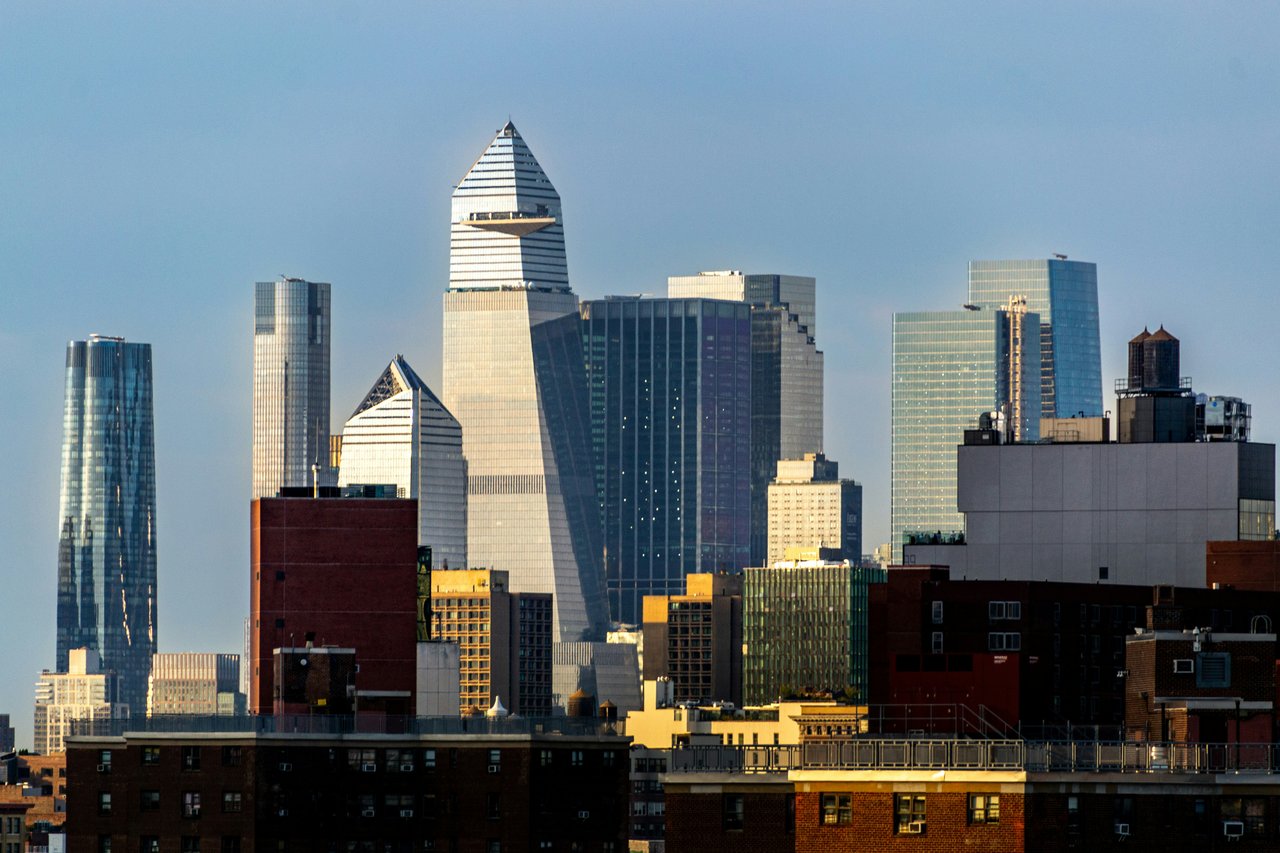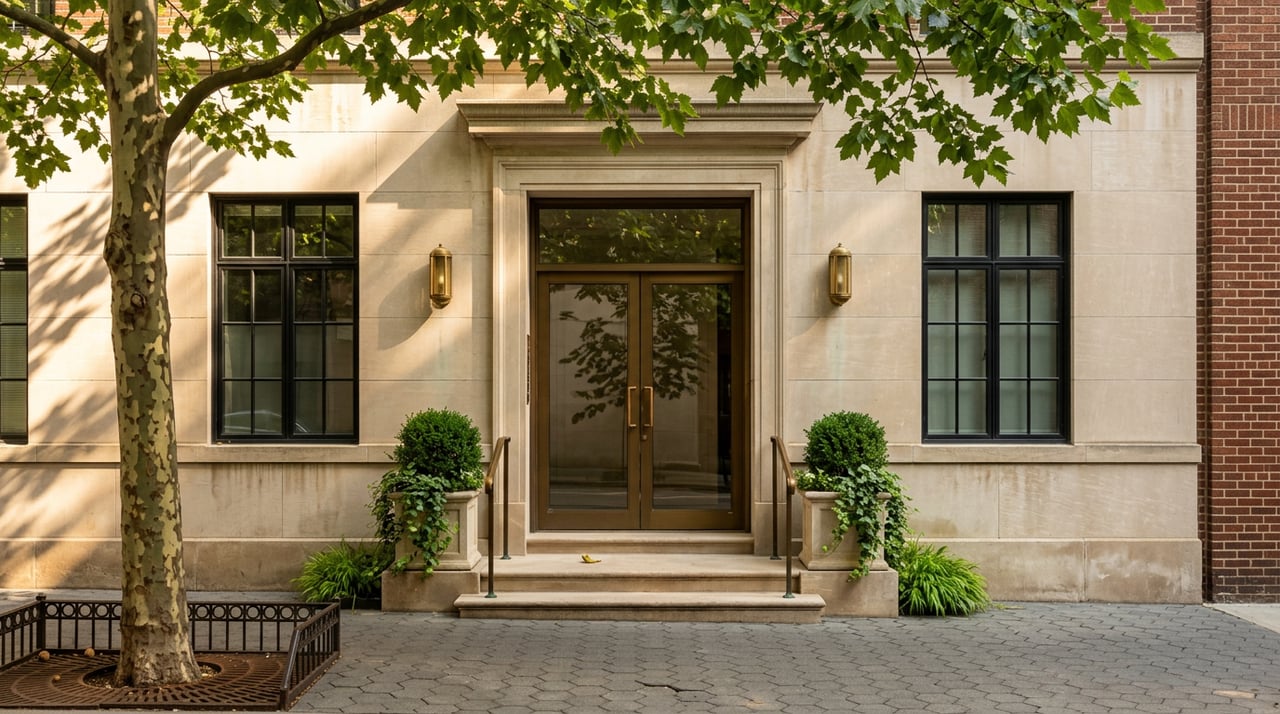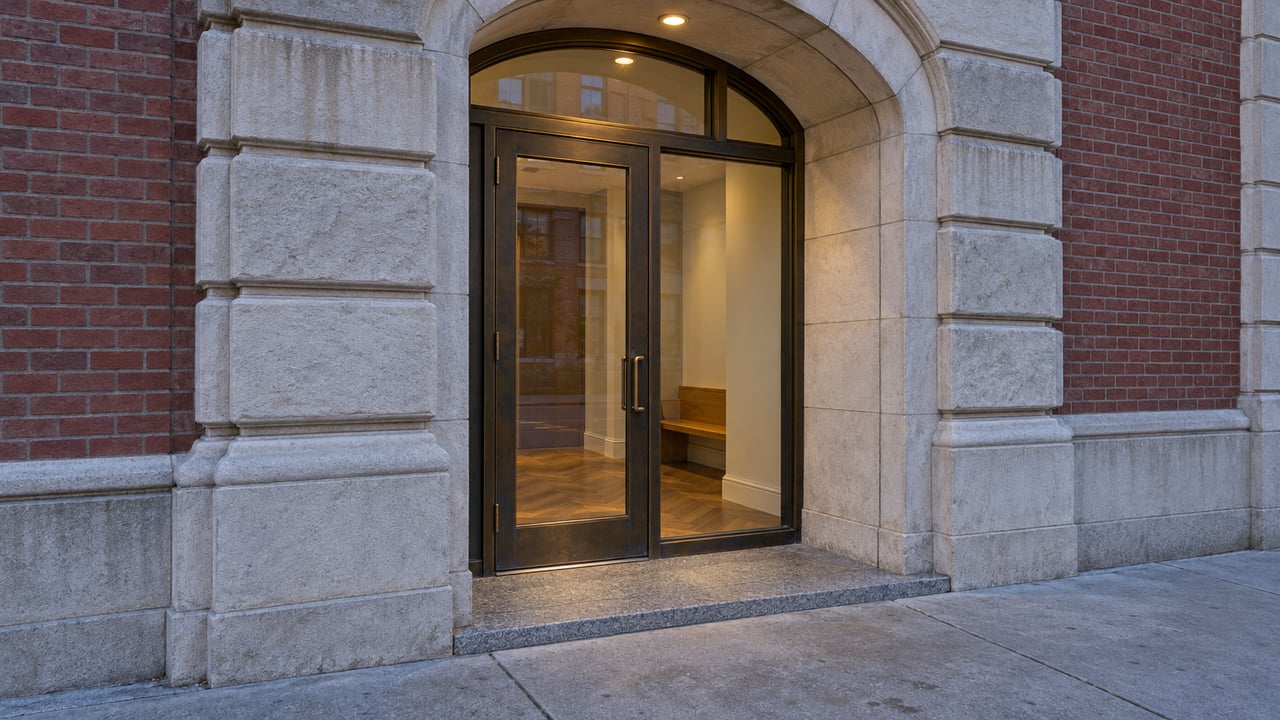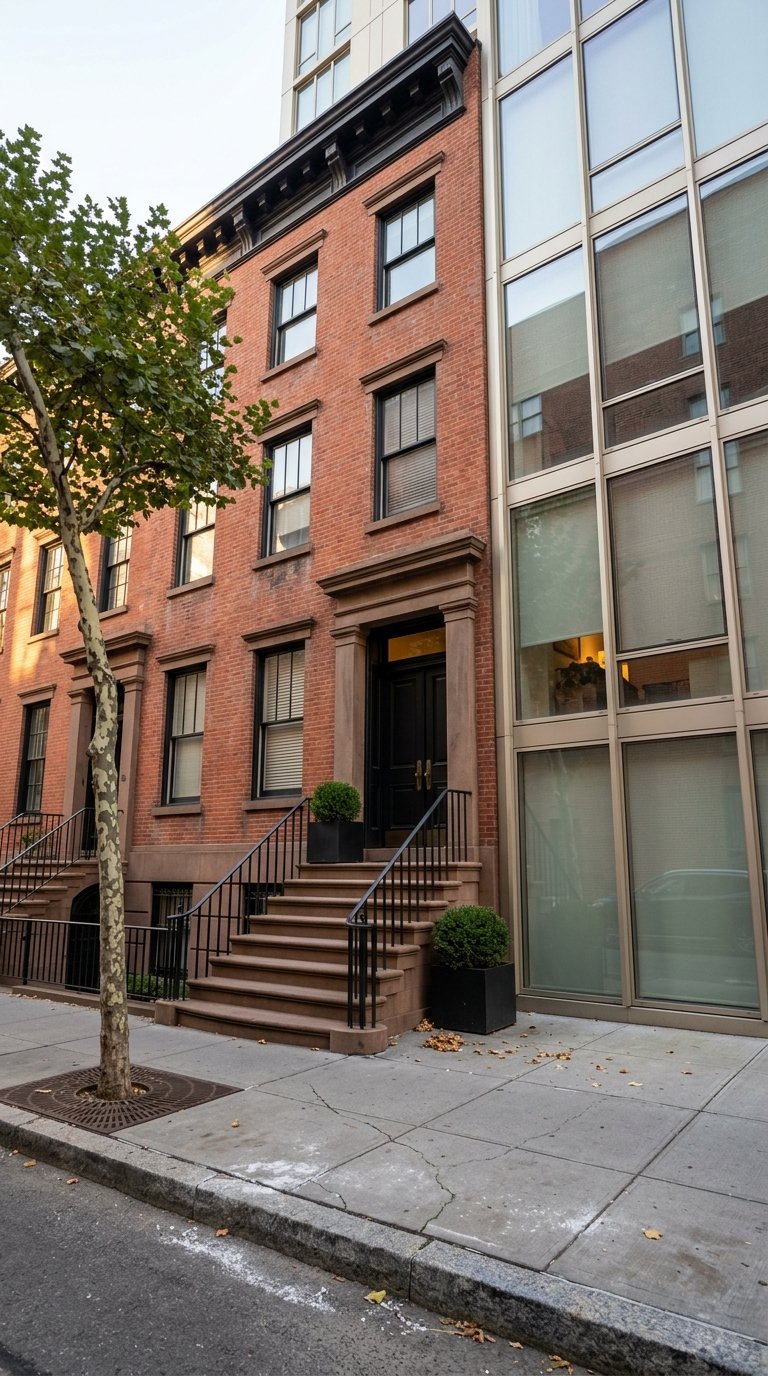
Nobody in Hell's Kitchen is talking about the middle of the neighborhood right now. They're talking about 38th Street, where a Michelin-starred chef just moved into a building most residents still think of as "the new Hudson Yards tower." And they're talking about 57th Street, where a building that started life as a church is about to become a theater as its next identity, having spent the years in between as a recording studio and, most recently, a nightclub. The middle, the stretch of 9th and 10th Avenue that residents actually walk every day, got a crepe shop and one more omakase counter.
That split is worth sitting with for a minute, because it tells you something about how this neighborhood actually grows. The headline moments aren't happening at the center. They're happening at the borders, where Hell's Kitchen bumps into Hudson Yards on one side and Columbus Circle on the other. The center keeps doing what it always does: absorbing small businesses, one storefront at a time, without much ceremony.
The West Border: A Tasting Menu Moves In Where Legacy Records Moved Out
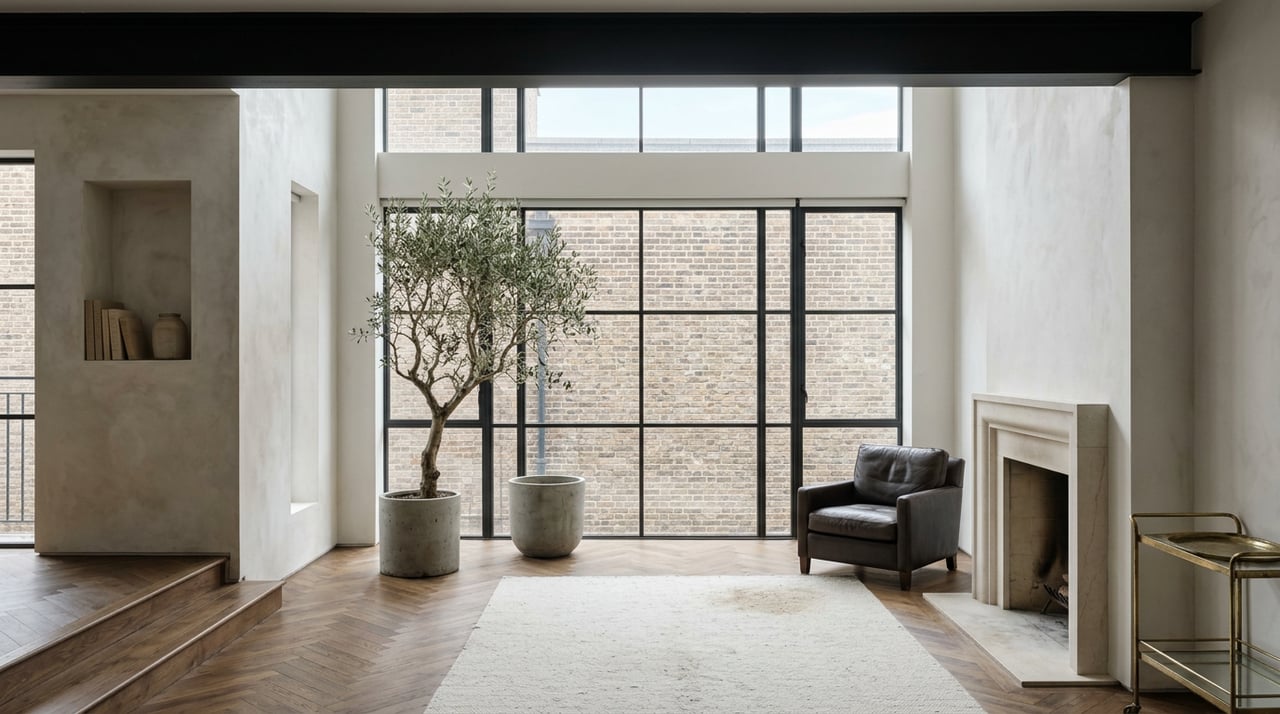
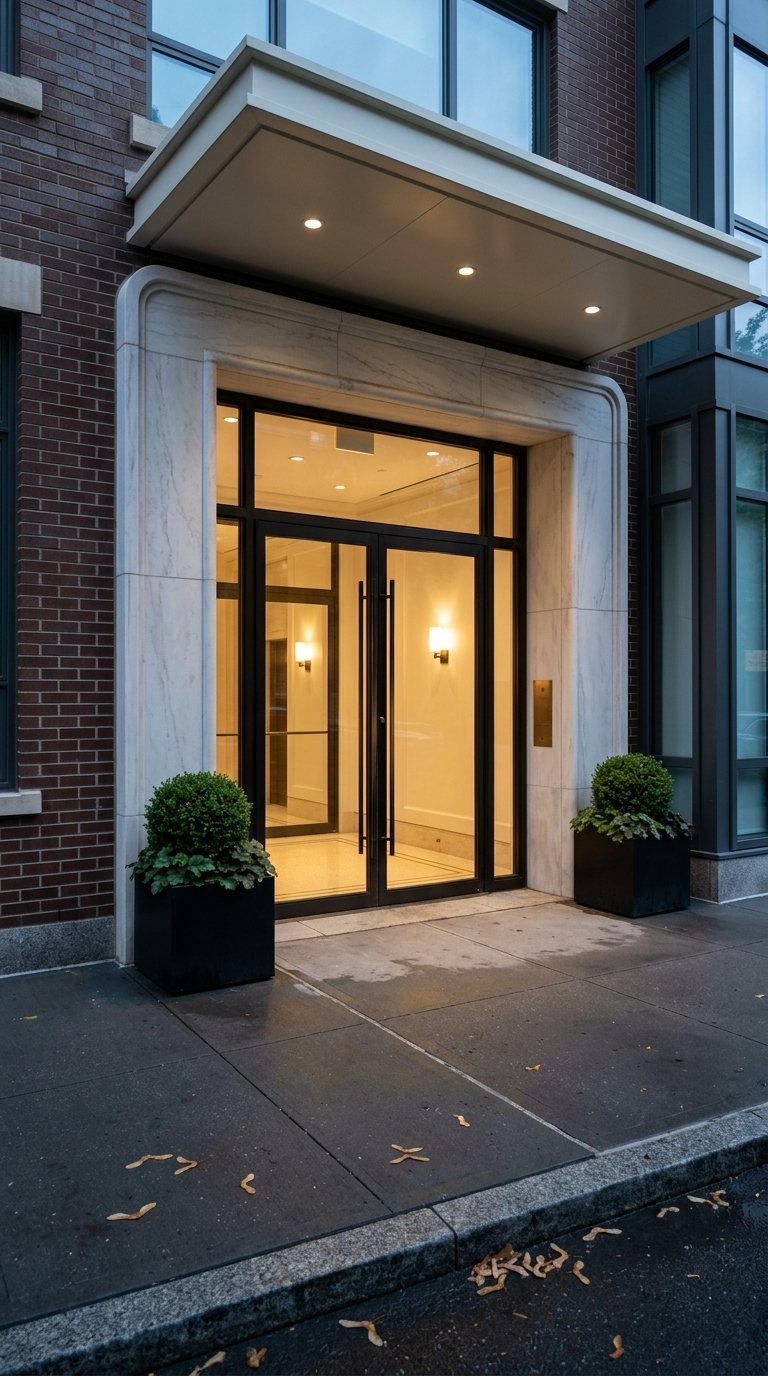
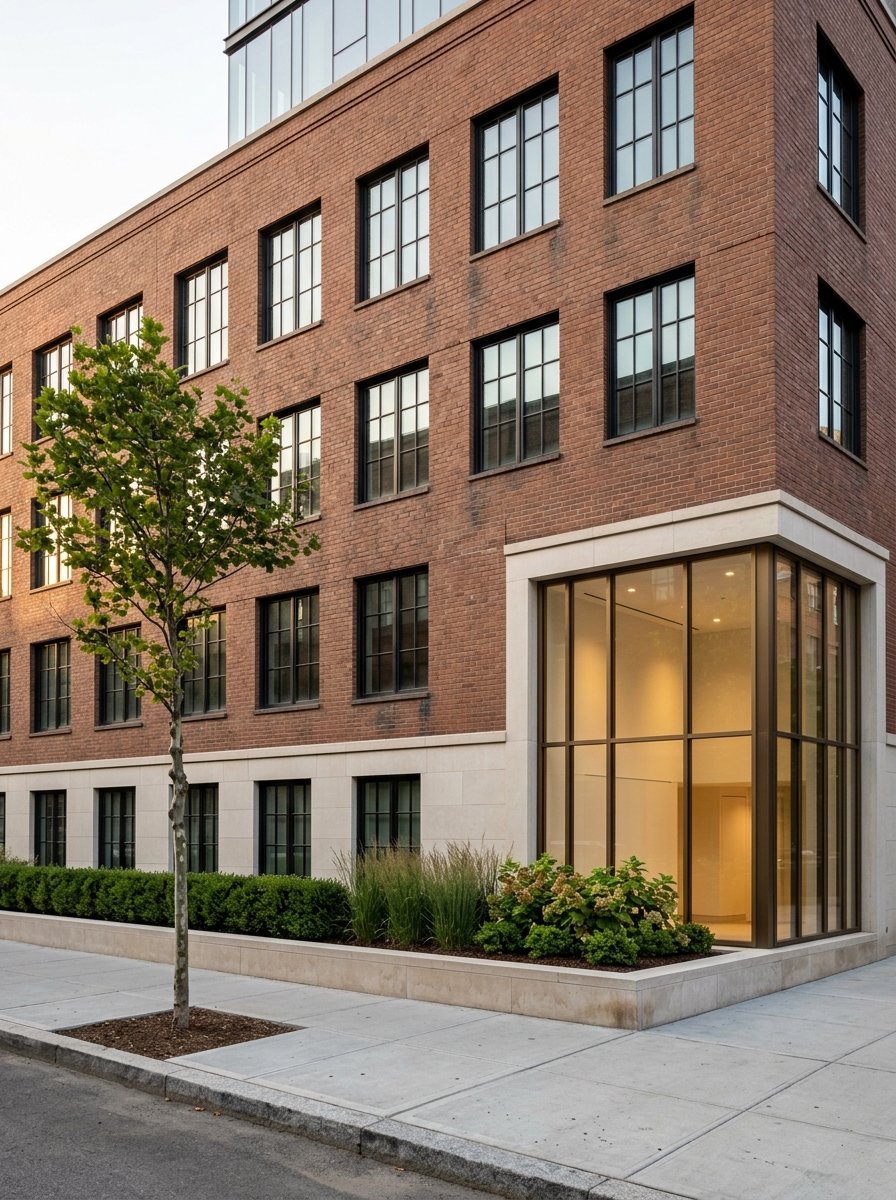
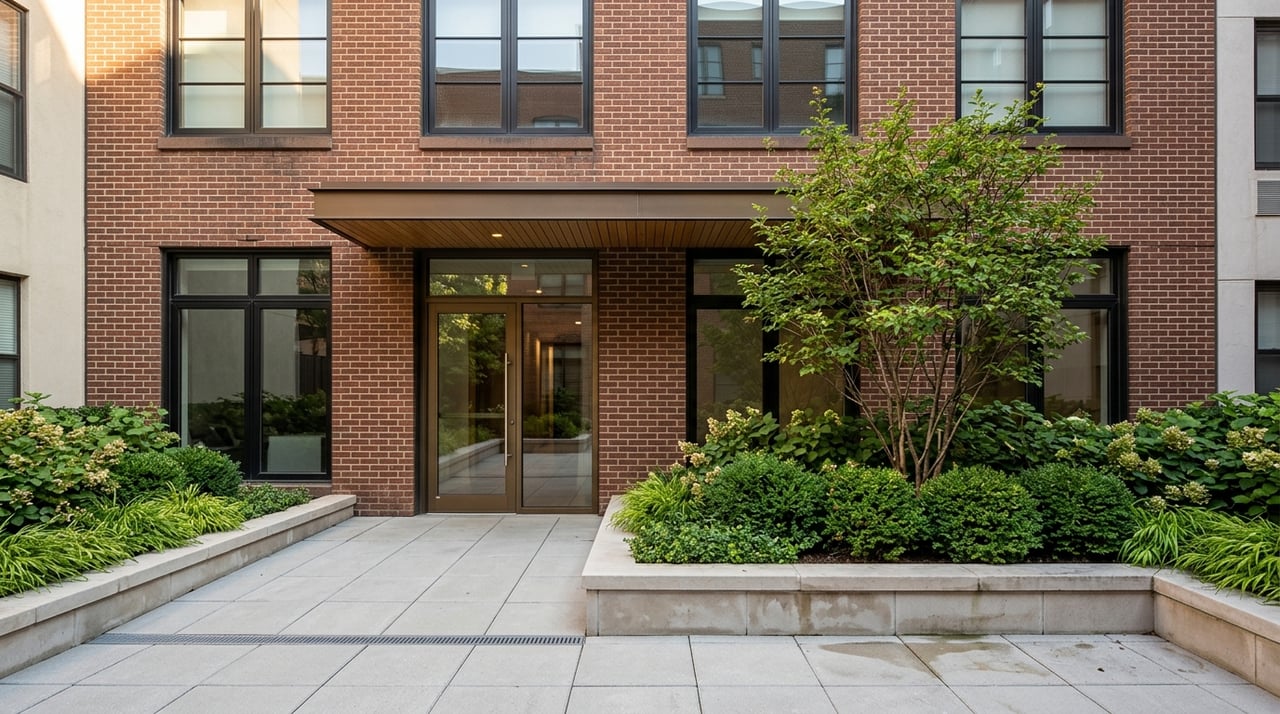
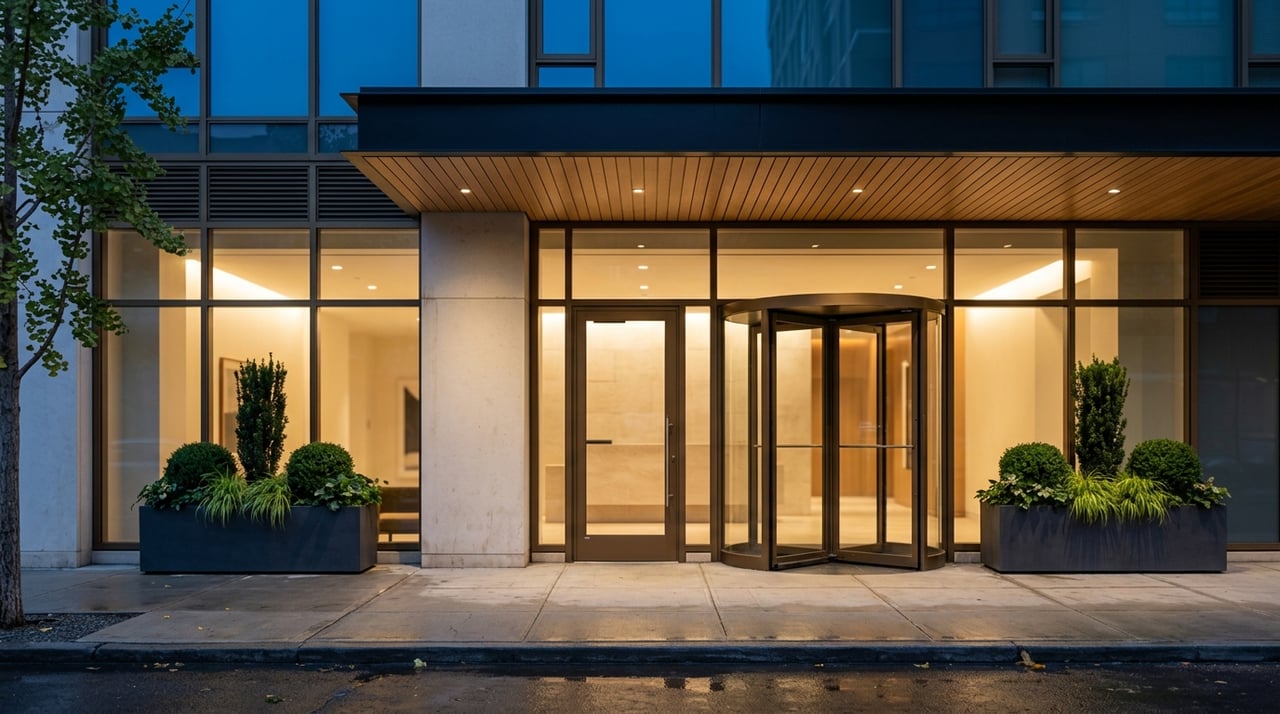
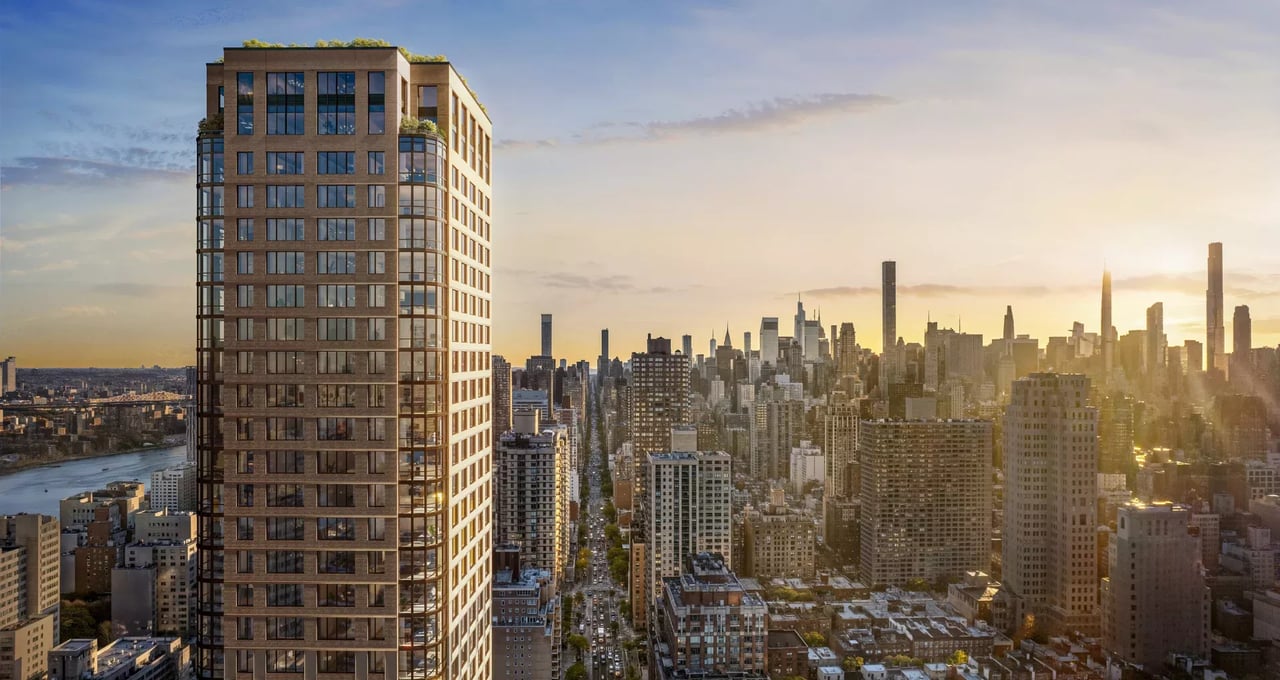
Start at 515 West 38th Street, inside the residential tower Henry Hall. Chef Sujan Sarkar, whose Chicago restaurant Indienne earned a Michelin star within its first year, opened the New York outpost of that same restaurant here on May 28. It's a 34-seat room built for nine-course tasting menus, in a space that previously held Legacy Records before that restaurant closed in August 2025.
Sarkar didn't have to land here. He's the chef who helped put contemporary Indian dining on the map in the East Village nearly a decade ago with Baar Baar, and he could have opened his New York comeback almost anywhere. When W42ST asked why he chose a block that, as their reporter put it, feels part Hudson Yards and part Hell's Kitchen, his answer was simple:
"The location chose me."
Indienne wasn't the end of it. On August 6, Sarkar opened Elder, a British-Indian chophouse, a few doors down at 517 West 38th Street, drawing on his years cooking in London. A third concept, a cocktail bar called Apas, is still to come. Together they're turning the edge of the neighborhood into a small culinary district of its own, something Hell's Kitchen has never quite had before: a fine-dining anchor that residents from Restaurant Row are now driving or walking west to visit, rather than the other way around.
| Concept | Address | Status |
|---|---|---|
| Indienne | 515 W 38th St, 2nd Fl | Opened May 28 |
| Elder | 517 W 38th St | Opened Aug 6 |
| Apas | 515 W 38th St | Still to come |
The East Border: A Building That Keeps Changing Its Mind
Now go to the opposite edge, 311 West 57th Street, near Columbus Circle. As Hoodline reported, the building started as the Manhattan Baptist Church, with 40-foot cathedral ceilings and stained glass. In 1969, audio engineers backed by two of the founders of the Woodstock festival gutted it into Mediasound Studios, a 24-track recording facility. More recently it operated as The Stranger, a multi-level immersive nightlife venue spanning roughly 17,000 square feet.
Now it's becoming Arts 57, a 250-seat Off-Broadway theater. The plan calls for musical theater alongside comedy and jazz, not a single-genre house. It's the same building's fourth identity in a little over a century, and the timing puts it almost exactly opposite Henry Hall's restaurant buildout on the calendar. Two of the biggest cultural announcements this neighborhood has had in months, and neither one is happening anywhere near 9th Avenue.
What's Actually Changing in the Middle
The center of the neighborhood is not standing still. It's just moving at a different speed, and in smaller increments.
On 9th Avenue, Bluestreet Café quietly opened at 696 9th Avenue, a narrow storefront that previously held Lunchbox Exotics and, before that, a pizza shop. It's positioning itself as both a morning coffee stop and a midnight dessert destination, with crepes and waffles running from early commuting hours through to midnight, aimed squarely at the post-theater crowd a few blocks east.
A few blocks north, on West 50th Street, East By West Omakase opened with a 13-course, $68 tasting menu that mixes traditional Japanese seafood with less conventional toppings. It's a good restaurant, and it also illustrates something about how crowded one particular category has become in this neighborhood. Within a handful of blocks, residents can already choose between Hanaya Omakase on 9th Avenue, Kun Tsuki Omakase Xtra in the former Totto Ramen space on West 51st, and Omakase by Korami on West 50th. East By West isn't introducing omakase to Hell's Kitchen. It's the fourth or fifth version of the same idea landing in the same few blocks, which says the format has become the neighborhood's default answer to "what's the new restaurant," the way ramen or poke did in other parts of the city a few years back.
That's the real difference between the two borders and the middle. Henry Hall and Arts 57 are each introducing something this neighborhood has never had. The middle is refining something it already has, sometimes to the point of oversupply.
This Weekend, Specifically
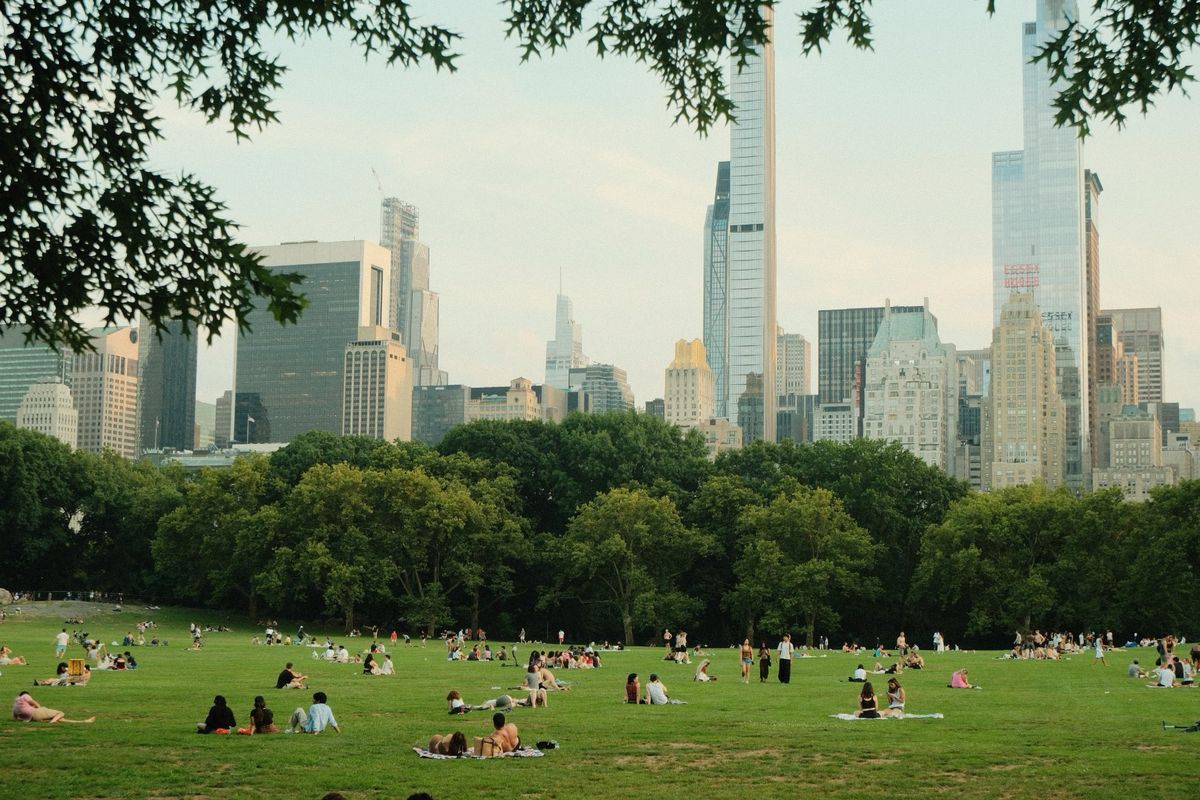
For this weekend, the reliable answer is still DeWitt Clinton Park, between West 52nd and 54th Streets along 11th and 12th Avenue. At 5.8 acres it's the largest park the neighborhood has, and it remains the only park on the west side of Manhattan with lighted ball fields, which is why the softball games there run into the evening long after the sun sets over the Hudson. The dog run occupies a converted bocce court, and the park's roots go back to New York City's first community garden. Whatever else changes at the edges of this neighborhood, that park keeps doing the same job it's done for over a century: giving people somewhere to walk the dog, watch a game under lights, and run into the same neighbors they see every week.
The Pattern, If You're Watching For It
None of this is a coincidence so much as a pattern that's easy to miss if you only pay attention to what's directly outside your building. The biggest investments right now, the ones that took real money and real ambition, a Michelin-starred chef opening a New York outpost, a century-old building getting reimagined, are happening at the two literal edges of Hell's Kitchen. The middle absorbs smaller, faster changes: a crepe shop here, one more omakase counter there. Both things are true at once, and both are worth knowing if you live here, because the edges are where the neighborhood's next chapter is being written, while the middle is where you'll actually eat dinner most nights.
We track this kind of block-by-block detail for the same reason residents do: it tells you what a neighborhood is actually becoming, not just what it currently looks like on a map. If you're curious what any of this means for a specific building or block in Hell's Kitchen, the Sapir Team knows this neighborhood at that level of detail. Book a private consultation whenever you're ready to talk specifics.