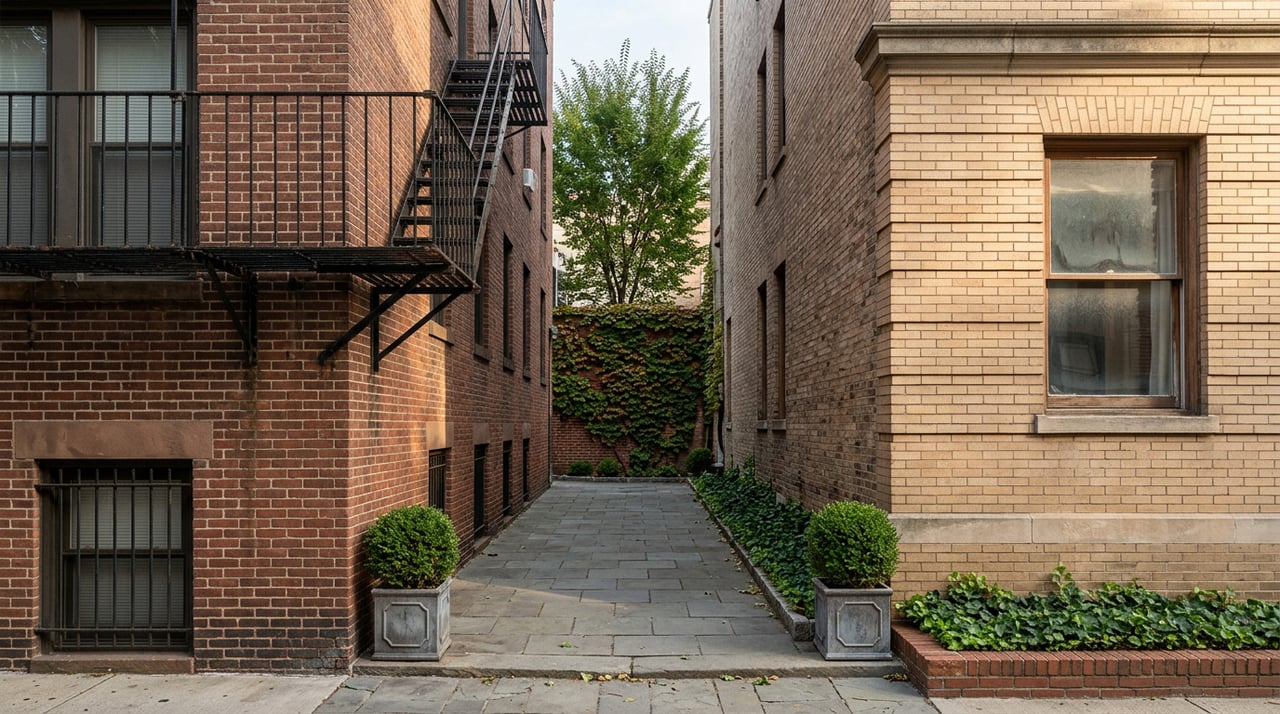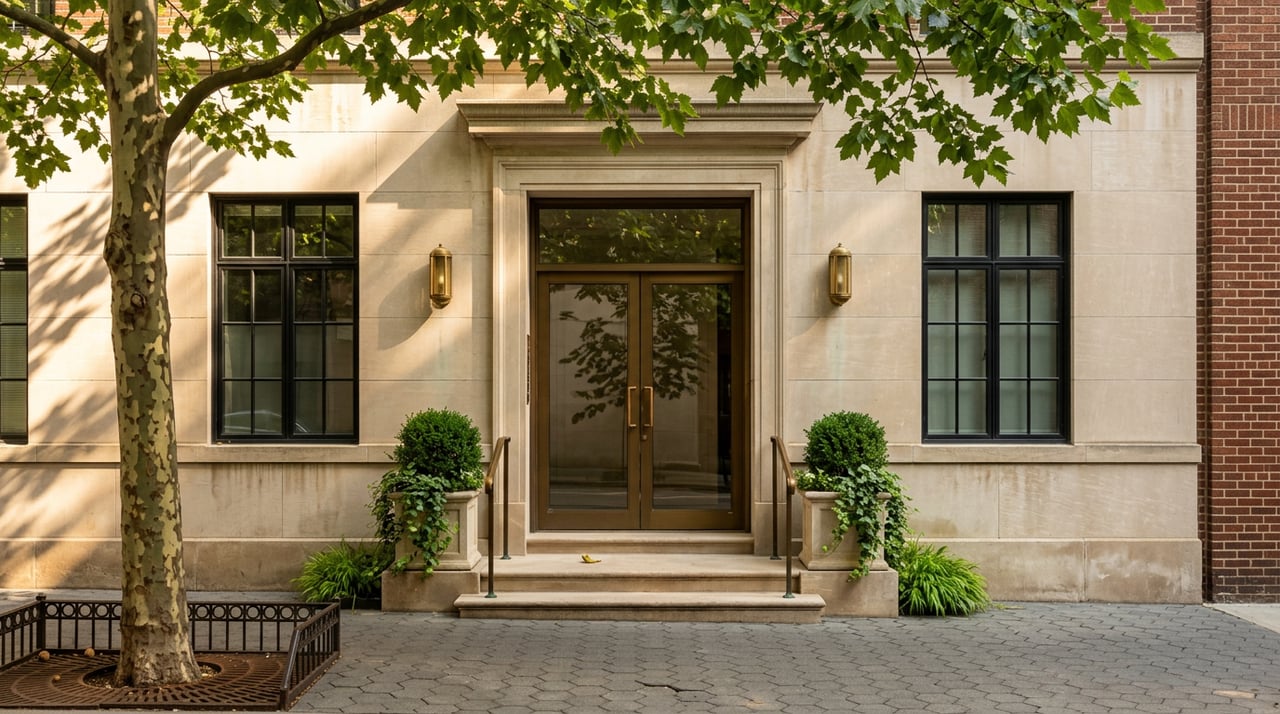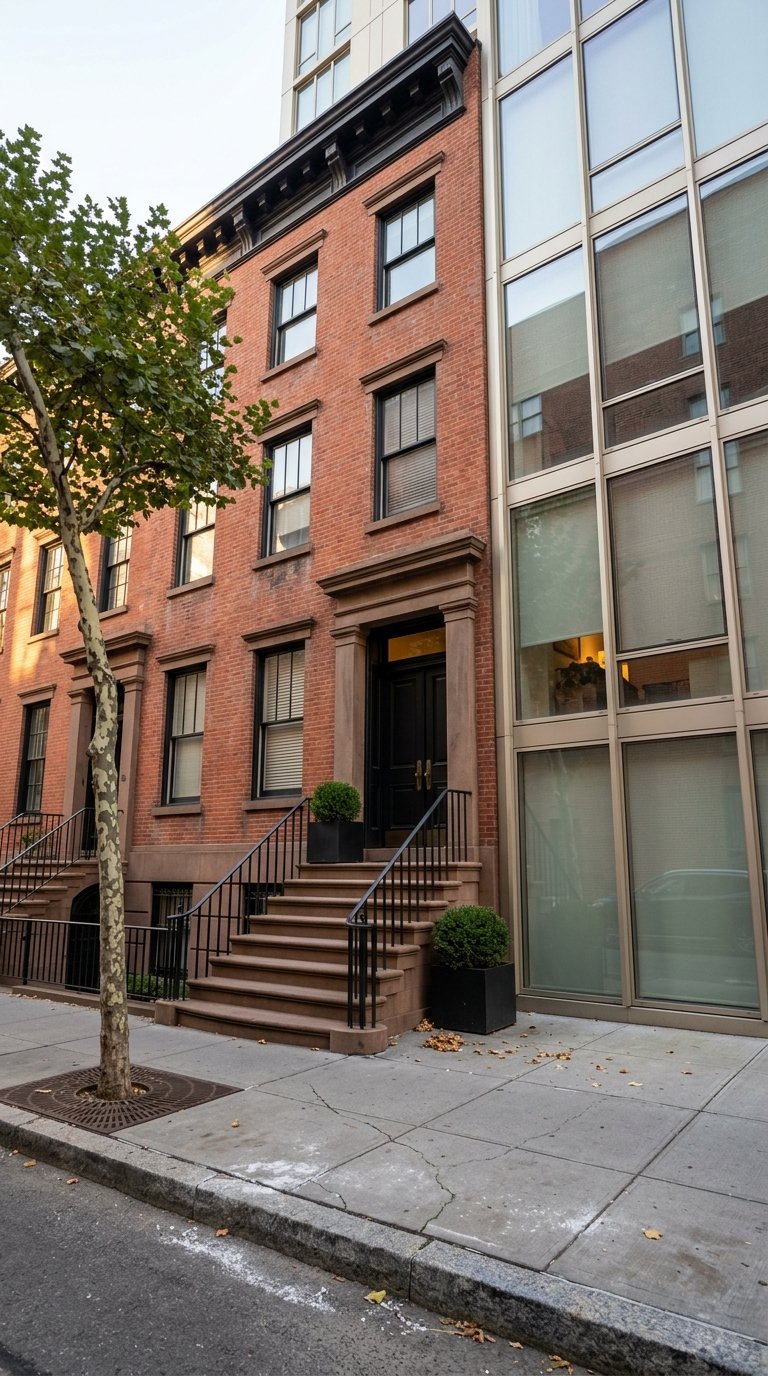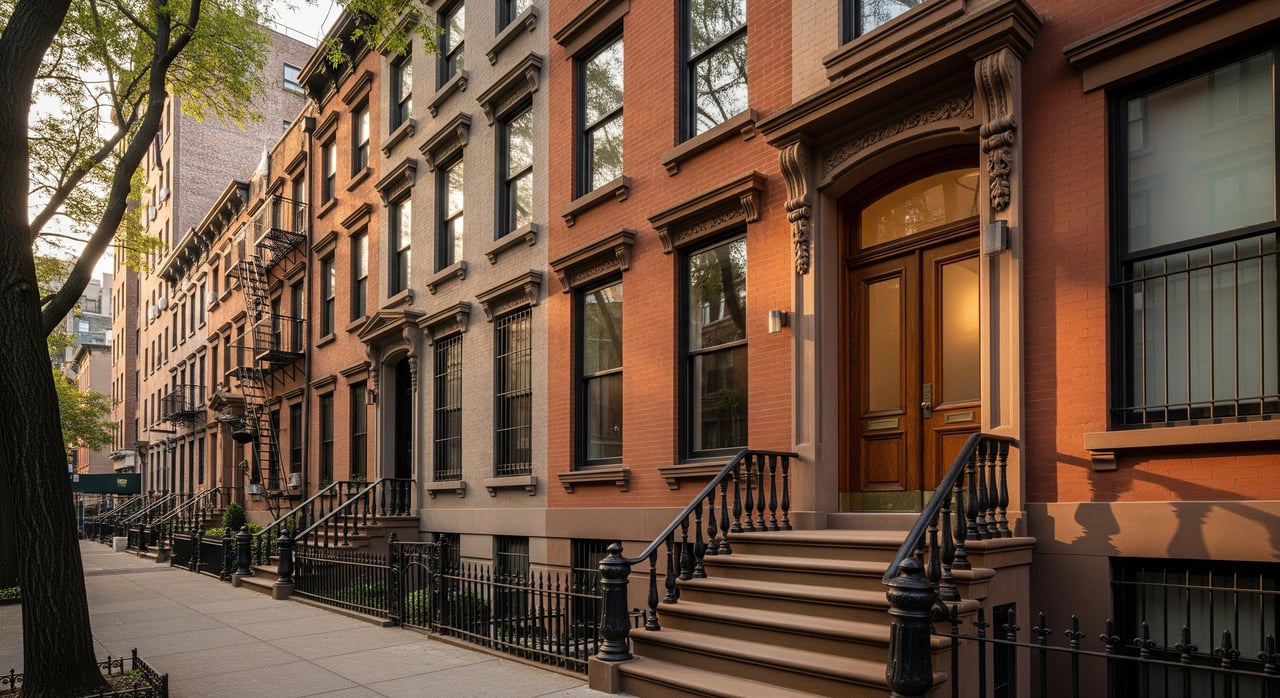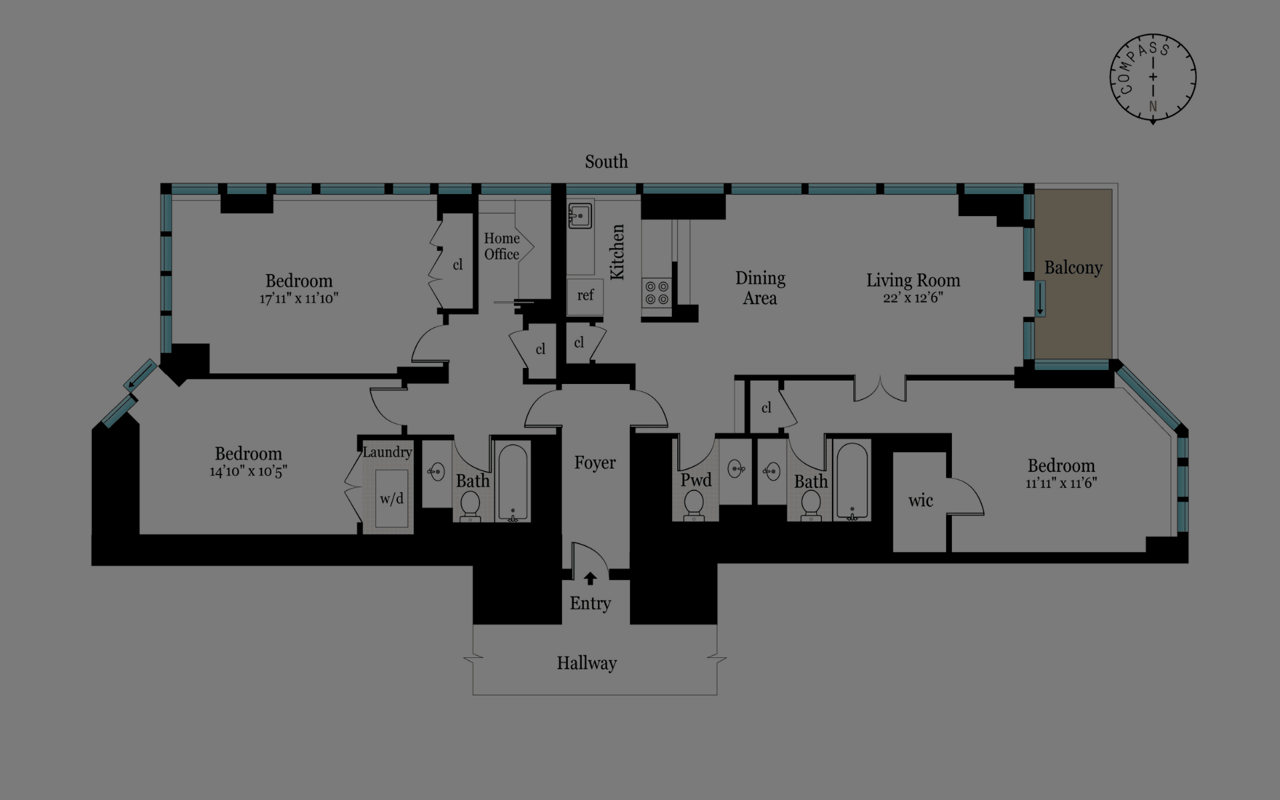
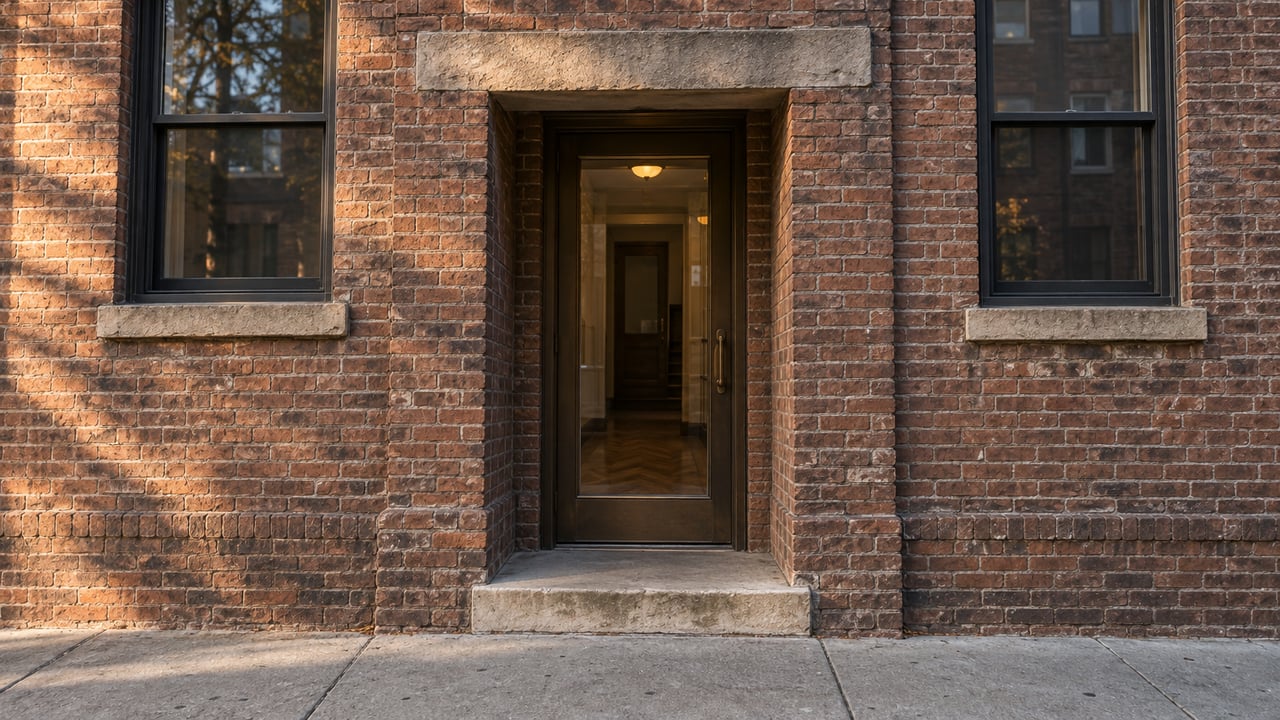
Walk into a two-bedroom co-op on Orchard Street and the apartment might look nothing like its paperwork. The kitchen is renovated, the wall between what used to be two rooming units is long gone, and the layout reads like any other prewar two-bedroom. The certificate of occupancy on file with the city, though, may still describe a rooming house: a Single Room Occupancy, or SRO, multiple dwelling. That gap between what a building looks like and what its certificate of occupancy says is common across the Lower East Side's tenement stock, and as of two weeks ago it carries more weight than it used to.
On September 12, 2026, a City Council bill that had been sitting with the Mayor for 30 days became law without a signature, because the Mayor neither signed nor vetoed it within the charter's window. Local Law 138 of 2026 made New York City's Certification of No Harassment program permanent, closing a sunset date that, as it happens, would have arrived this very week. For anyone buying, converting, or planning a renovation in a Lower East Side building with tenement-era bones, that change is worth understanding before signing anything.
What Changed, and When
The Certification of No Harassment program started in 2018 under Local Law 1, was extended and expanded by Local Law 140 of 2021, and was scheduled to expire on September 27, 2026. That expiration is now gone. The City Council approved the bill making it permanent, known as Int. 839-A, on August 13, 2026, with 31 Council Member sponsors plus the Public Advocate. It passed 36 to 5 with one abstention. The bill was sponsored by Council Member Pierina Sánchez, who chairs the Committee on Housing and Buildings. Because the Mayor took no action within the 30-day window the City Charter allows, the bill was deemed adopted on September 12, 2026, and became Local Law 138 of 2026.
For eight years, this had been framed as an experiment. It no longer is.
The Certificate Nobody Reads Until They Need It
A Certification of No Harassment is a document issued by the city's Department of Housing Preservation and Development stating that no lawful tenants in a building have been harassed within a defined lookback period. Buildings classified as SRO Multiple Dwellings can't get a Department of Buildings permit for demolition, a change of use, unit reconfiguration, or a new or amended certificate of occupancy without one, unless the owner secures a waiver.
The part that catches buyers off guard is how a building earns that classification in the first place. It isn't about how the apartments are used today. It's about what the certificate of occupancy says. A record of SRO units on that document can classify a building as an SRO Multiple Dwelling regardless of whether those rooms still exist as such, because owners combined them, renovated them, or sold them as conventional apartments decades ago without ever filing to update the certificate. The building can look, function, and sell like a normal prewar co-op while still carrying a legal classification from its rooming-house past.
That's not a hypothetical concern for a neighborhood where combining units without filing paperwork has been common practice for generations.
Why This Lands Differently Here
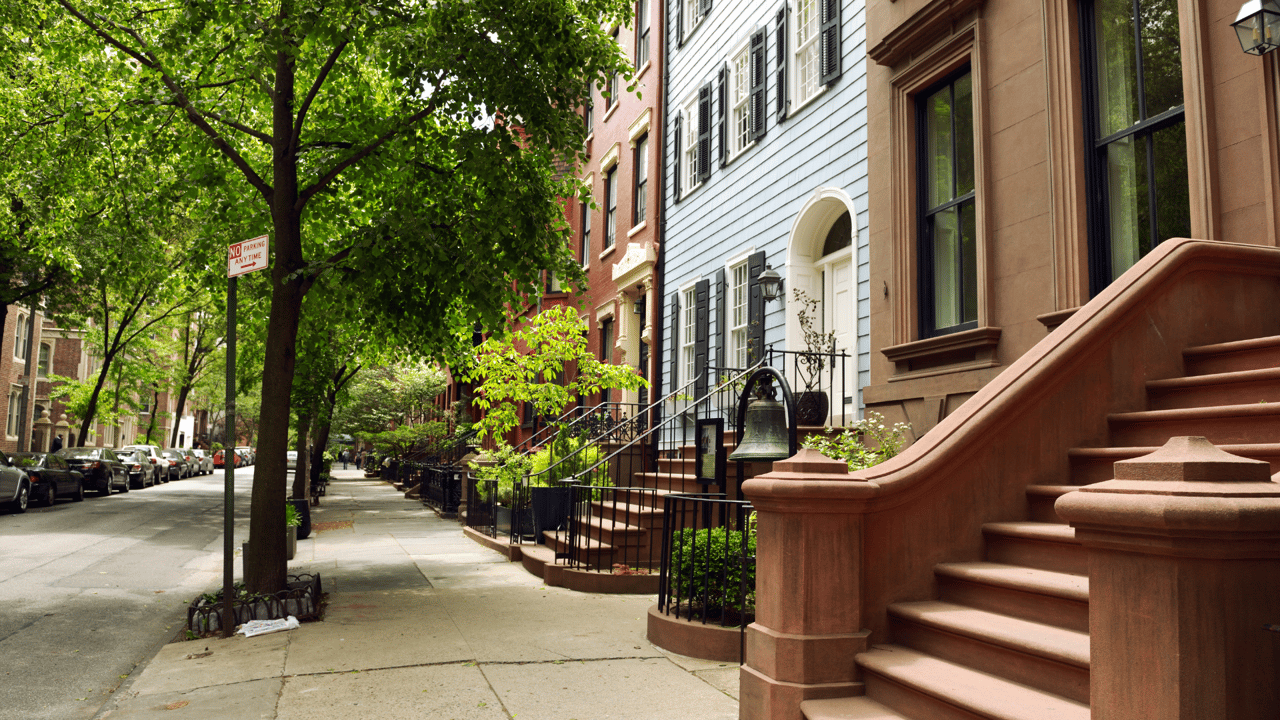
The Lower East Side was built at a density that made rooming-house-style tenements the default housing type for most of the neighborhood's history. Buildings along Orchard, Ludlow, and Essex Streets were constructed for exactly the kind of small-unit, shared-facility living that the SRO classification describes, and many of them were later subdivided, combined, and re-subdivided again as they passed through decades of ownership and gut renovations, often without a corresponding update to the certificate of occupancy on file with the city.
The neighborhood has also litigated the underlying question before. When the City Council adopted the East Village/Lower East Side Rezoning in November 2008, covering 111 blocks bounded roughly by East 13th Street, Avenue D and Pitt Street, Delancey and Grand Streets, and the Bowery and Third Avenue, community members specifically asked that anti-harassment provisions be written directly into the zoning text. The City Planning Commission declined, noting that Local Law 7 of 2008 already gave tenants the protection the community was asking for. Nearly two decades later, a different legal mechanism, aimed at the same underlying problem, has now become permanent citywide, in a neighborhood that asked for it once already.
The Change That Actually Matters: Ownership, Not Just Address
The most consequential shift in Local Law 138 isn't that the program continues. It's who a building's compliance record now depends on.
Under the permanent law, a building with six or more units can land on HPD's program list not only because of its own history, but because another building under the same registered owner had a court or state Homes and Community Renewal finding of harassment, or had a Certification of No Harassment denied or rescinded, within the prior 60 months. A building that was discharged from the city's Alternative Enforcement Program, the code-violation track for chronically distressed buildings, remains eligible for listing for five years after that discharge. A denial blocks the covered categories of work for five years unless the owner agrees to a cure, which under the current framework means setting aside units as permanently affordable housing. As of city housing-policy testimony delivered in August 2026, no building owner had actually used that cure option.
| Before Local Law 138 | After Local Law 138 | |
|---|---|---|
| Basis for listing | Building's own tenant harassment history | Building's own history, or another building under common ownership within the prior 60 months |
| Program status | Pilot, set to expire September 27, 2026 | Permanent, no sunset date |
| Next public list | Existing pilot list | New list due by April 15, 2027, republished every three years, updated at least monthly |
| Consequence of denial | Blocks covered work | Blocks covered work for five years absent a cure agreement |
The city's own guidance is direct on the timing question: whatever occurred at a building in the years before an alteration application doesn't reset when title changes hands. A buyer inherits the record, not a clean slate.
Two Different Buyers, Two Different Exposures
For an investor buying a whole tenement building on the Lower East Side to reposition or convert, the portfolio-wide lookback is the headline risk. If the same ownership entity has another building anywhere in the city with a recent harassment finding or a rescinded certification, that history can attach to the building being purchased, even if this particular address has no issues of its own. A due diligence process that only checks the subject building's violation history now misses half the picture.
For someone buying a single unit in a prewar co-op or condo with plans to eventually combine two apartments, open up a wall, or otherwise touch the layout, the more immediate question is what the certificate of occupancy actually says about the building's history, not what the listing photos show. If that document still reflects an SRO configuration, the renovation that seemed routine can trigger a certification requirement the buyer never budgeted time for.
Before You Sign
A few checks belong in the contract stage, not after closing:
- Ask your attorney to search the building's block and lot against HPD's Certification of No Harassment program list and review its violation and court history, not just its recent sales history.
- If the building has six or more units, ask whether the current or prior ownership entity holds other buildings in the city, and whether any of those buildings have a harassment finding, denial, or rescinded certification within the last five years.
- Pull the certificate of occupancy directly rather than relying on a listing description, and ask specifically whether it reflects an SRO or rooming-house classification from an earlier era of the building's life.
- If you're planning any future combination, reconfiguration, or renovation that would require a Department of Buildings permit, raise the question of Certification of No Harassment exposure before you're under contract, not while you're waiting on a permit.
Frequently Asked Questions
Does this apply to co-ops and condos, or only rental buildings? It applies based on the certificate of occupancy classification, not the ownership structure. A building can carry an SRO Multiple Dwelling designation on its certificate of occupancy after converting to co-op or condo ownership if that document was never formally amended when units were combined or reconfigured.
I'm buying a resale unit with no renovation plans. Does this affect me? The requirement is triggered by the covered categories of work: demolition, change of use, unit reconfiguration, or a new or amended certificate of occupancy. If neither you nor a future owner intends to touch any of those, the requirement is unlikely to come into play directly, though it's still worth knowing the building's status before you buy.
How do I check if a building is already flagged? The program's building list is public through HPD. Your attorney can search it by address or block and lot before you sign a contract.
What if the seller says a past issue was already resolved? Ask to see the documentation rather than taking it on description. The cure process requires the owner to set aside permanently affordable units, and as of city testimony in August 2026, that option had seen essentially no uptake, which makes paperwork worth confirming directly.
A Lower East Side purchase built around a converted tenement, a combination unit, or a future renovation carries a paper trail that's easy to underweight and expensive to untangle later. If you're evaluating a building like this, The Sapir Team can help you and your attorney get the certificate of occupancy history and ownership record in front of you before you're under contract, not after.