The financials arrive as a PDF, usually the night before the offer deadline. Three years of maintenance history, the reserve fund balance, the underlying mortgage terms. Most Upper East Side buyers and their attorneys know exactly where to look on that document: flip tax clause, sublet policy, pending litigation. Right now, a growing number of those packages carry a line that did not exist two years ago, and almost nobody outside the building's own board and accountant knows what to do with it.
It shows up as "Article 320 Compliance Reserve" or "carbon assessment" or may be reflected in a maintenance increase without a separate line item. It is the cost of Local Law 97, New York City's building emissions law, and for a specific slice of Upper East Side housing stock it is no longer a future concern. According to NYC Accelerator, the city's extended deadline for the second round of emissions filings closed on August 29, 2026. Buildings that filed late, filed with problems, or filed showing they are over their cap are now on the clock for real bills, not projections.
Why an emissions overage matters
Local Law 97 sets a carbon emissions cap on most buildings over 25,000 square feet, with the first compliance period running 2024 through 2029. Buildings that exceed their cap pay $268 for every metric ton of carbon dioxide equivalent over the limit, every year, until the building's emissions come down. It is not a one-time assessment. It recurs on the same annual cycle as maintenance itself.
An annual penalty can sit on top of whatever capital project the building eventually undertakes to actually fix the underlying emissions problem. A shareholder buying into that building today is not just buying the maintenance number printed on the current financials.
Why prewar co-ops carry this exposure and new condos mostly don't
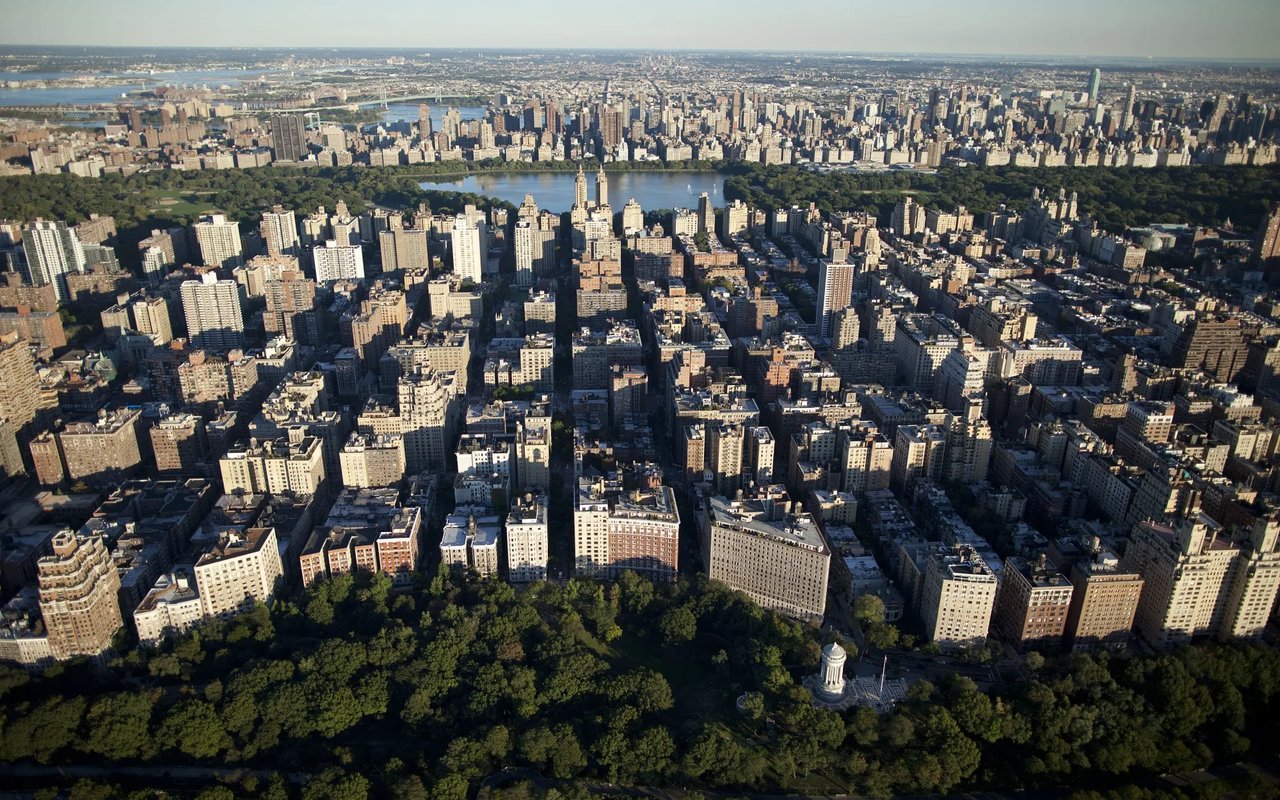
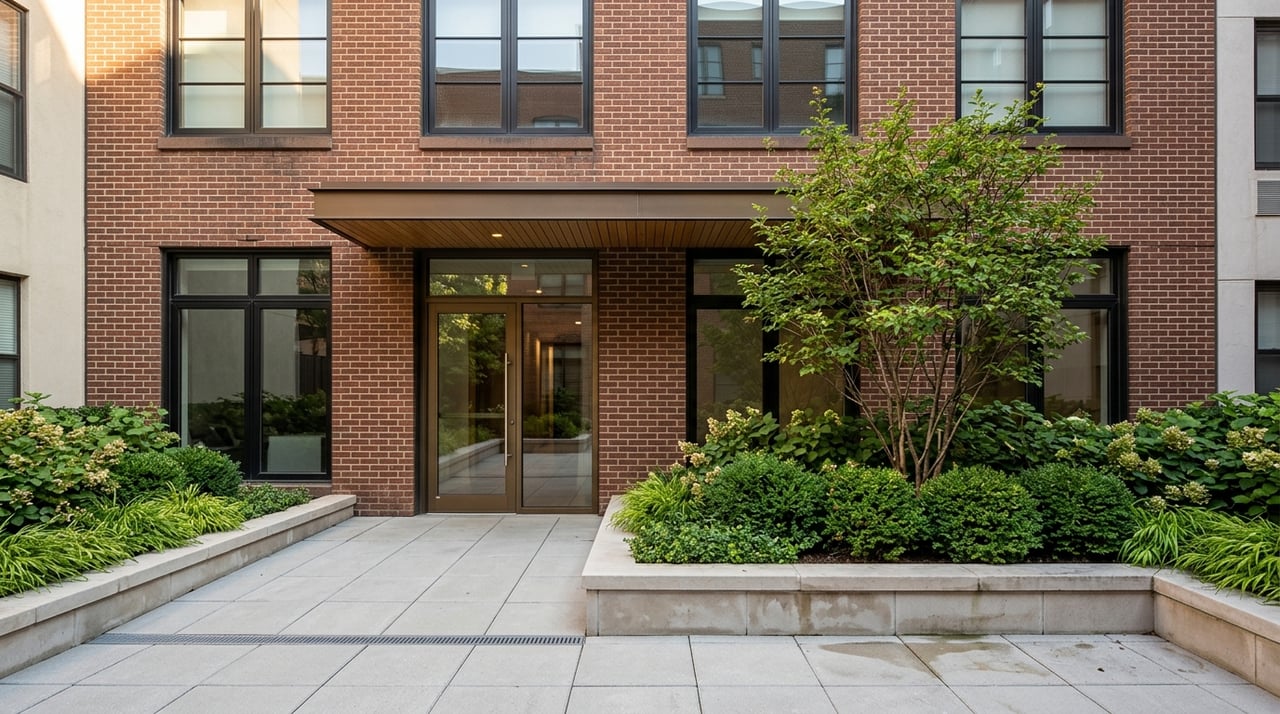
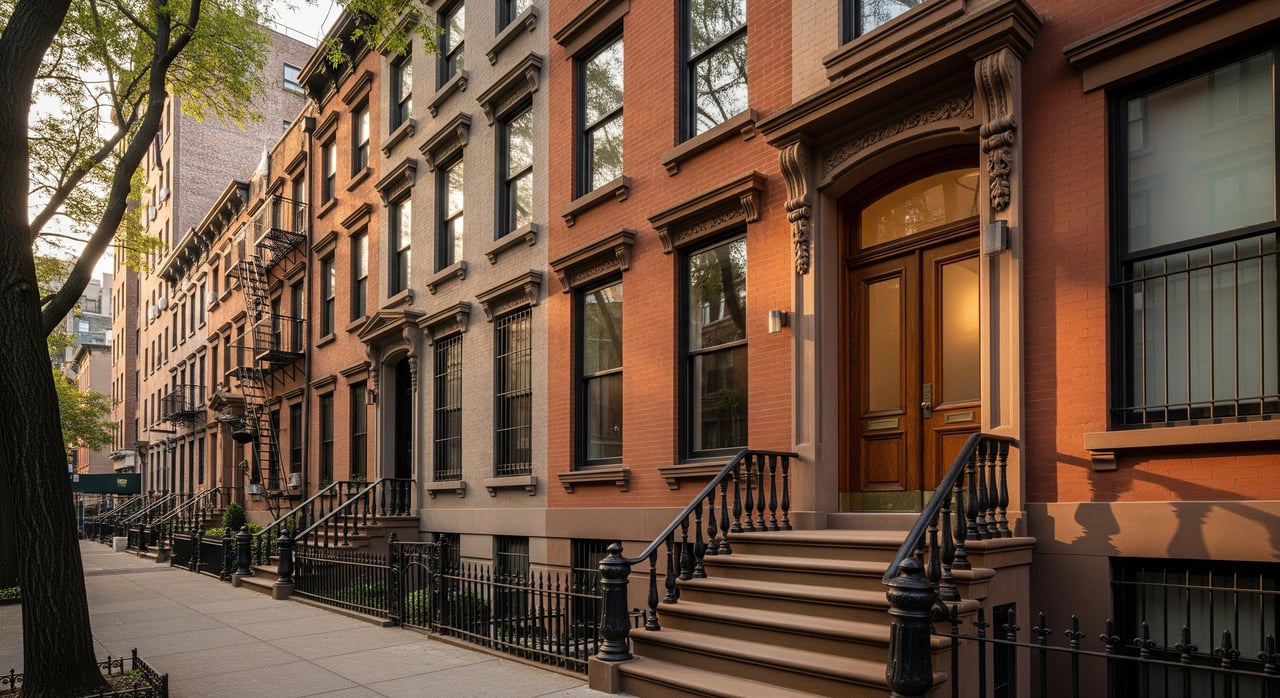
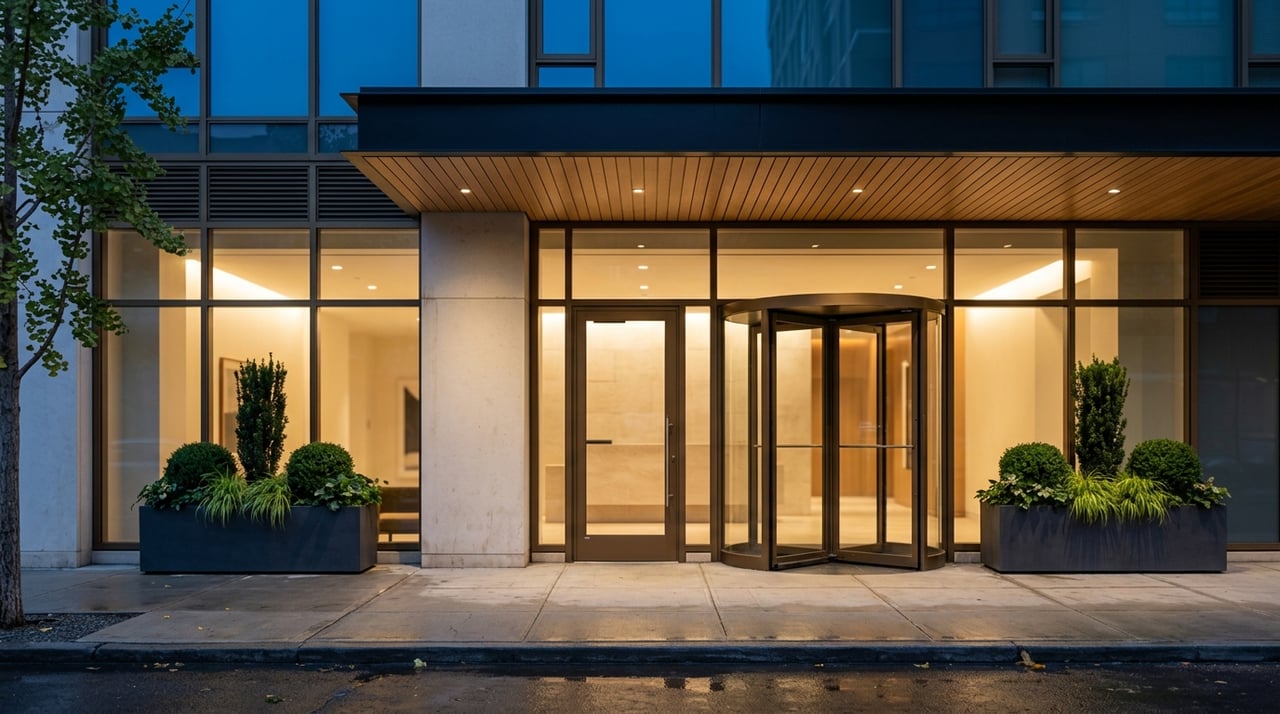
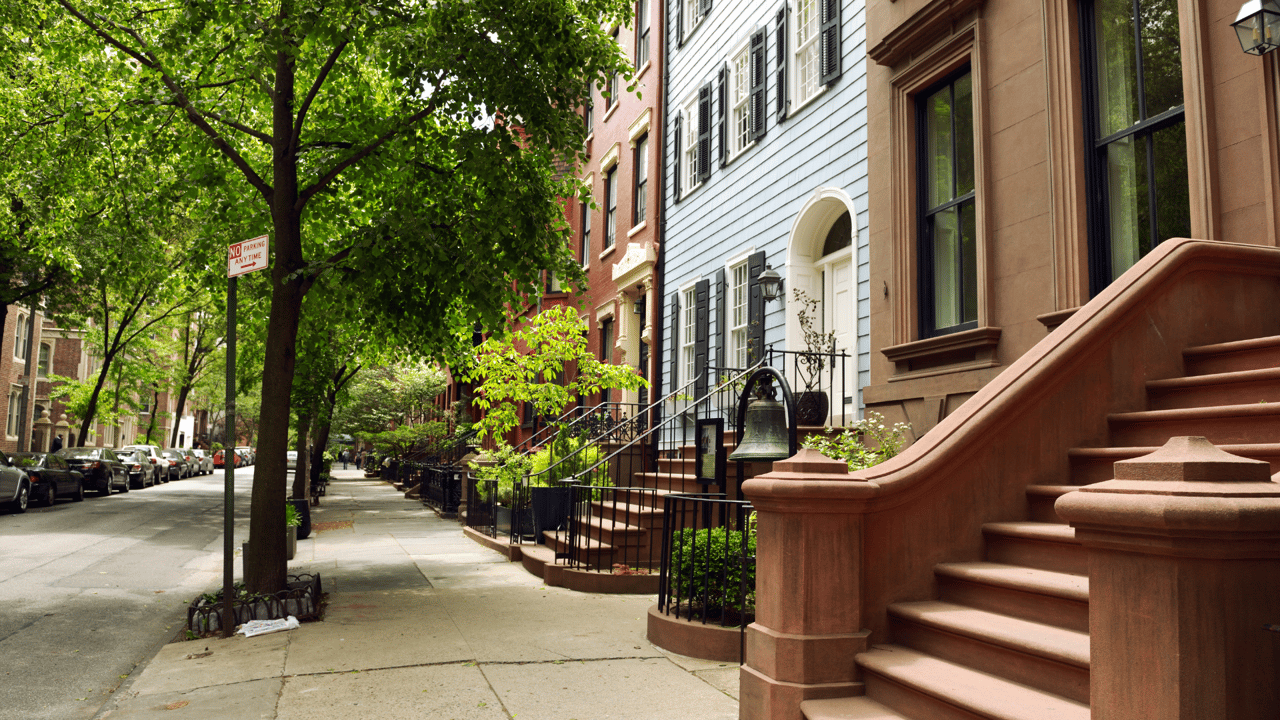
Local Law 97 does not treat every building the same way, and the exposure on the Upper East Side is uneven in a way that matters for anyone comparing a prewar co-op to newer construction. Pre-2000 towers with original gas-fired boilers and full amenity floors are running 15 to 25 percent over their 2024 caps, and a full electrification retrofit for a large tower can run $4 million to $8 million, which is why some boards are simply paying the annual fine for a year or more while they assemble a real capital plan. Newer buildings with modern mechanical systems generally clear their caps with room to spare, at least for now.
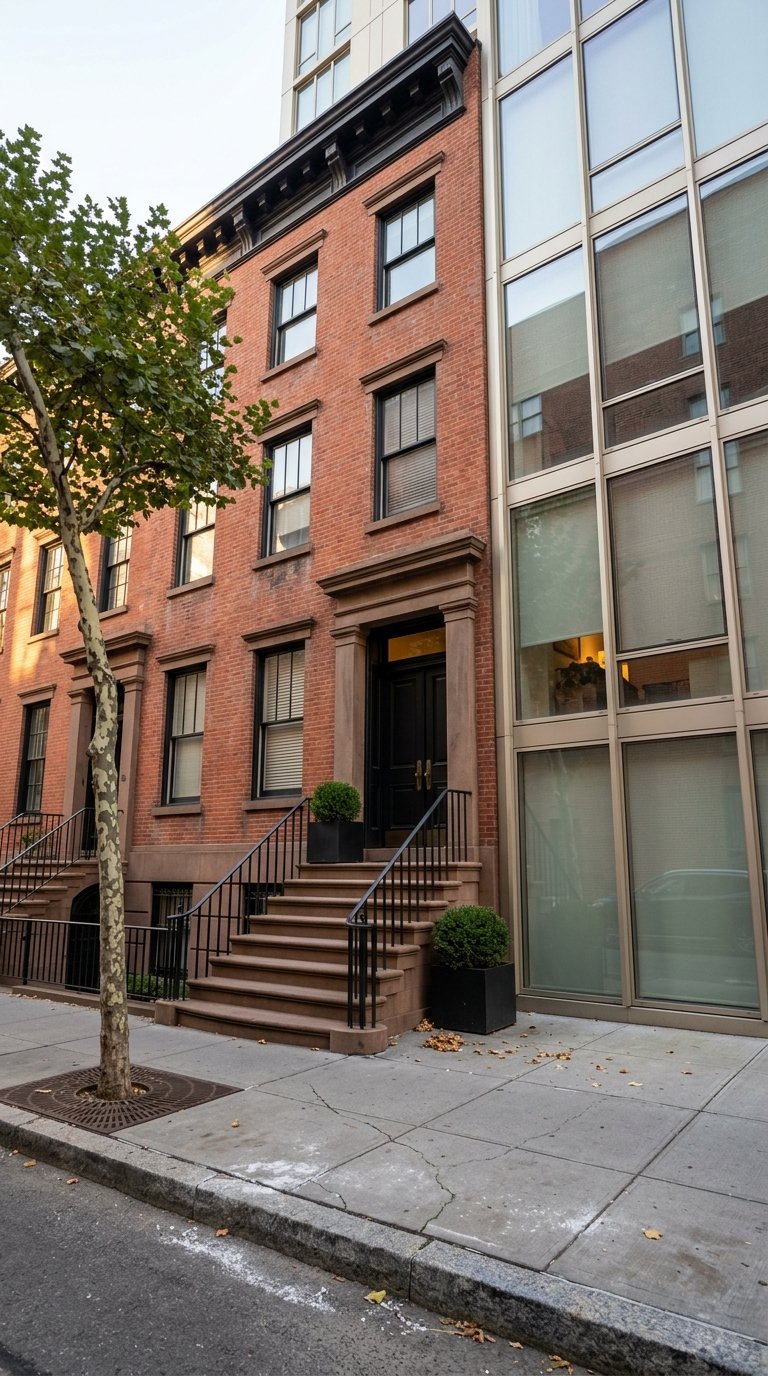
Not every building owes anything. Real estate cooperatives where every unit is owner-occupied may qualify for a different compliance path under Article 321 if the building meets specific criteria. The exposure concentrates specifically in market-rate prewar co-ops with aging oil or gas systems, which is exactly the housing stock that defines large parts of the Upper East Side's inventory.
The three ways a board can pay for it
When a building comes in over its cap, the board has essentially three levers, and knowing which one a building has pulled tells a buyer something about how that board operates.
- Raise maintenance or common charges across the building, which spreads the cost evenly but never goes away as a line item
- Pass a one-time special assessment, often used when the board wants to fund an engineering study without touching base maintenance
- Borrow against the building through an underlying mortgage refinance, which defers the cash hit but adds a debt service obligation that shows up in the building's financials for years
None of these choices is inherently a red flag. Buyers should ask whether the board has a documented plan and how it intends to address any ongoing penalty.
What to actually ask before you make an offer
A prewar co-op's board package may not present this information in plain language, so the buyer's attorney should ask directly.
Confirm whether the building has filed its required emissions report through the city's BEAM portal and whether the filing showed the building over or under its cap. If the board is claiming protection under the "Good Faith Effort" framework, ask for the documentation behind it. Bueno Analytics reports that penalty relief under that framework is winding down as enforcement matures through 2026. As Envigilance reports, a board that claimed good faith status for several years without demonstrable work can face accumulated penalties retroactively.
The maintenance number on the financials tells you what the building costs today. It does not tell you what the building has already promised the city it will spend, or what it owes if that promise falls through.
Buyers with a long time horizon should also ask about the 2030 cliff. According to Skybriz, the emissions caps tighten by roughly 40 percent in the second compliance period beginning in 2030. A building that is barely compliant now, or paying a modest fine, can face a materially larger penalty once the stricter limits take effect, which matters for anyone planning to hold the apartment past the next few years.
What a credible plan looks like, in practice
The gap between paying a fine indefinitely and undertaking a multimillion-dollar electrification project is wider than most board conversations suggest. As Habitat Magazine reported, a 48-story condominium on the Upper West Side offers a useful comparison for what a middle path can look like. Rather than replace two still-functional steam boilers, the board there spent $320,000 on modern digital combustion controls that continuously tune the fuel-to-air ratio, plus additional building management upgrades, for a combined project cost of roughly $600,000. A Con Edison incentive of about $143,000 brought the net cost down to around $456,000. Engineers expect the retrofit to cut emissions by more than 60 percent, saving an estimated $45,781 in projected 2030 penalties along with $76,759 in annual energy costs, for a payback period of around three and a half years.
That is not a template every prewar building can copy exactly, since boiler age, building height, and system type all change the math. It does show that a board reporting a specific, funded, engineered project with a payback timeline is in a fundamentally different position than a board that has only calculated the size of its annual fine. When a listing agent or board president can describe which of those two categories a building falls into, that answer belongs in the conversation before the offer, not after the board interview.
Frequently asked questions
Does every Upper East Side co-op owe this fine? No. Exposure concentrates in market-rate buildings over 25,000 square feet with older mechanical systems.
Can I see a building's compliance status before I make an offer? Ask the listing agent or the board's managing agent for the building's most recent BEAM filing and, if applicable, its Good Faith Effort documentation. If documentation is not available, ask what information the board can provide and when.
Is this the same thing as a flip tax or a capital assessment? No. It is a recurring city penalty, separate from any building-specific transfer fee, that boards typically pass through as a maintenance increase, a special assessment, or debt service on a refinance. It shows up differently depending on how the board chooses to fund it, which is why the line item alone is not always self-explanatory.
This is informational only and not tax, legal, or financial advice. Every building's numbers are different, and a buyer's attorney should review the actual filing and financials for any specific address before making an offer.
If you are comparing prewar co-ops on the Upper East Side and want a second set of eyes on what a board package is actually telling you, the Sapir Team has spent years reading these buildings closely. Book a private consultation before your next offer goes in.