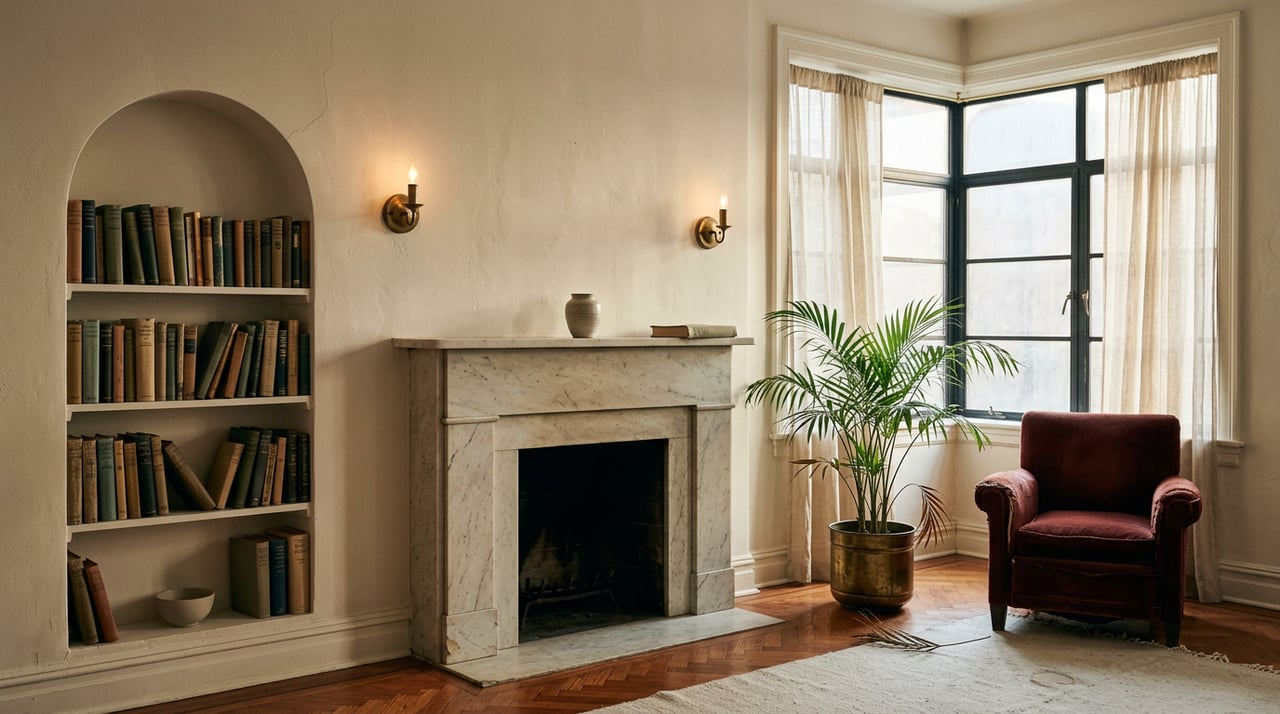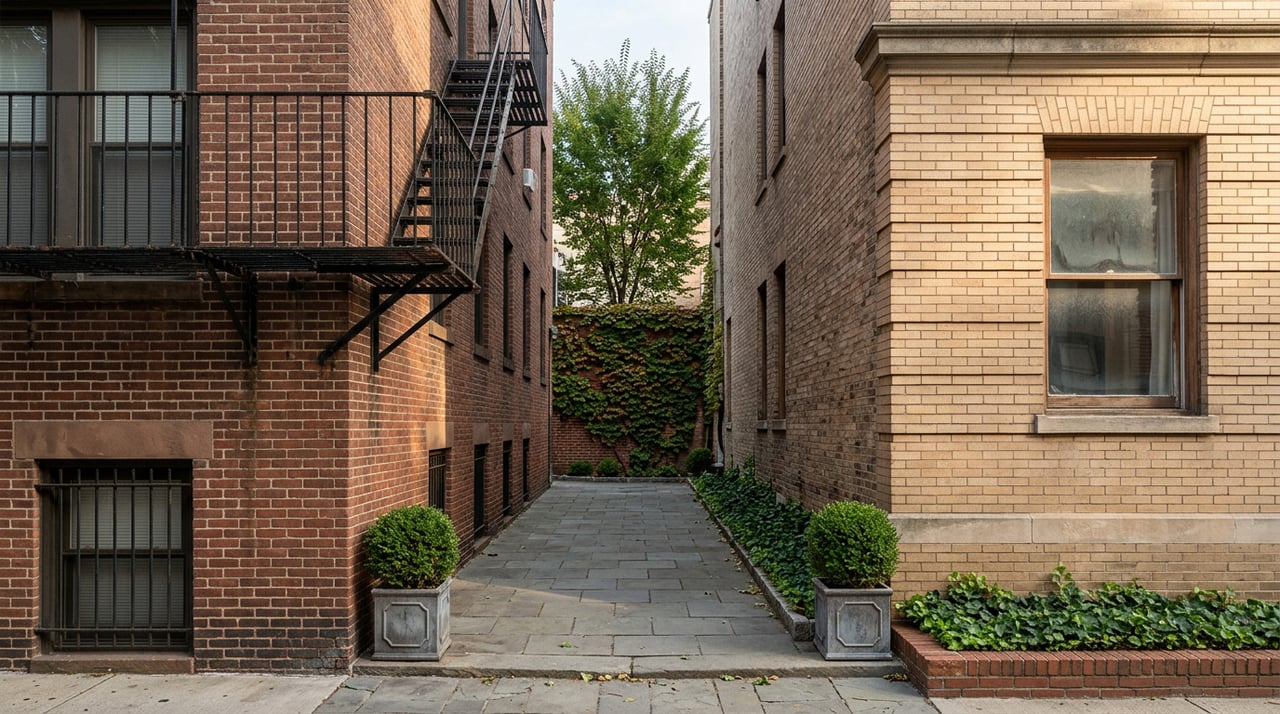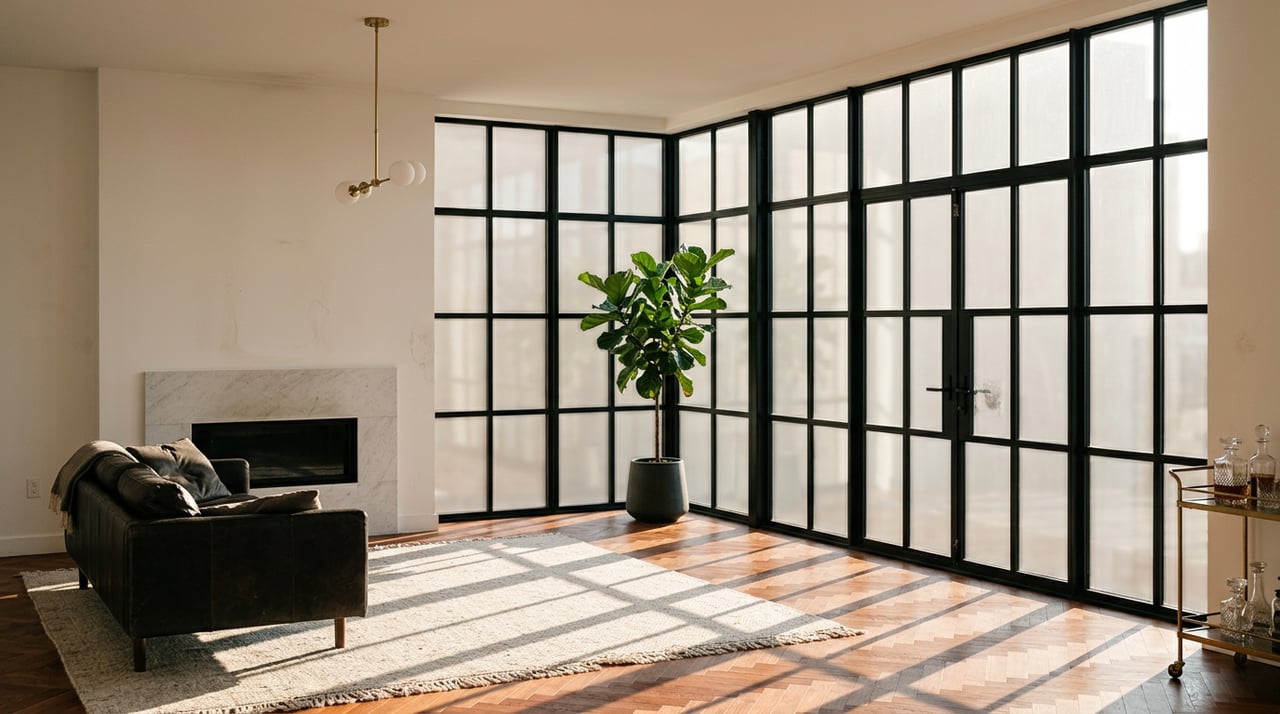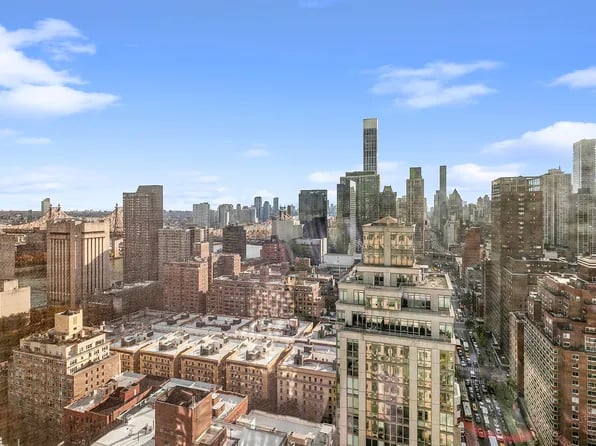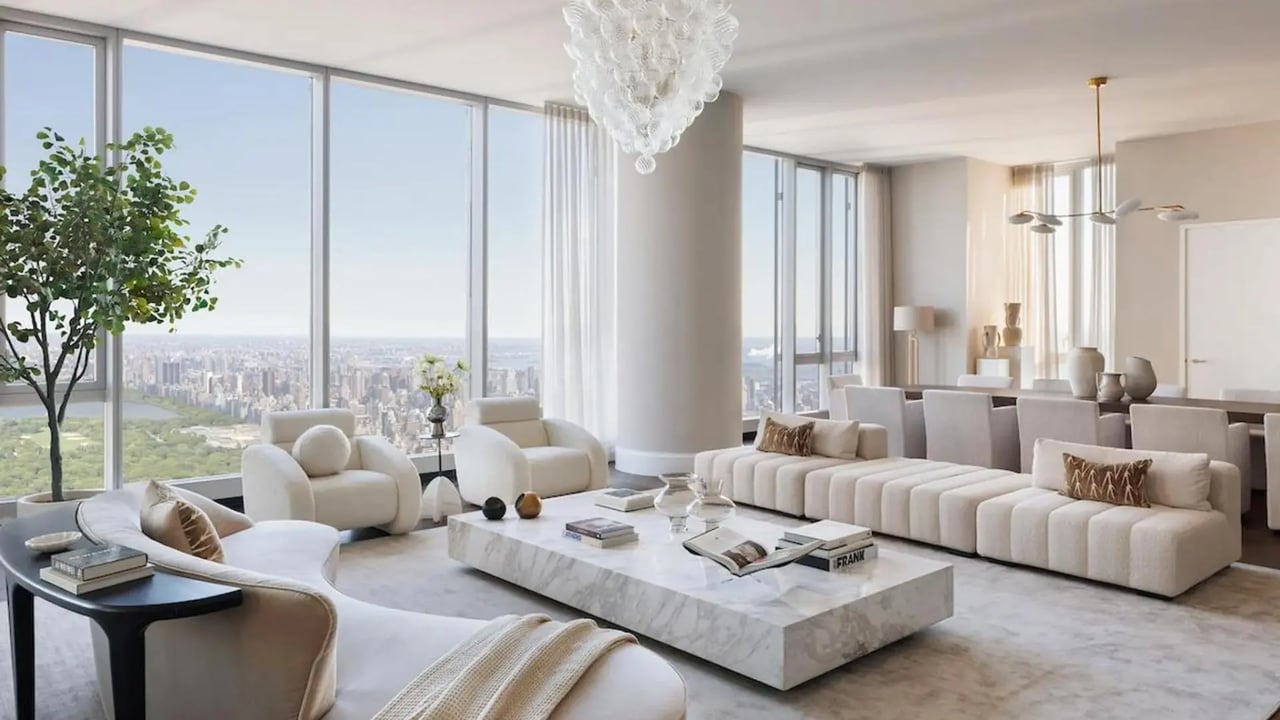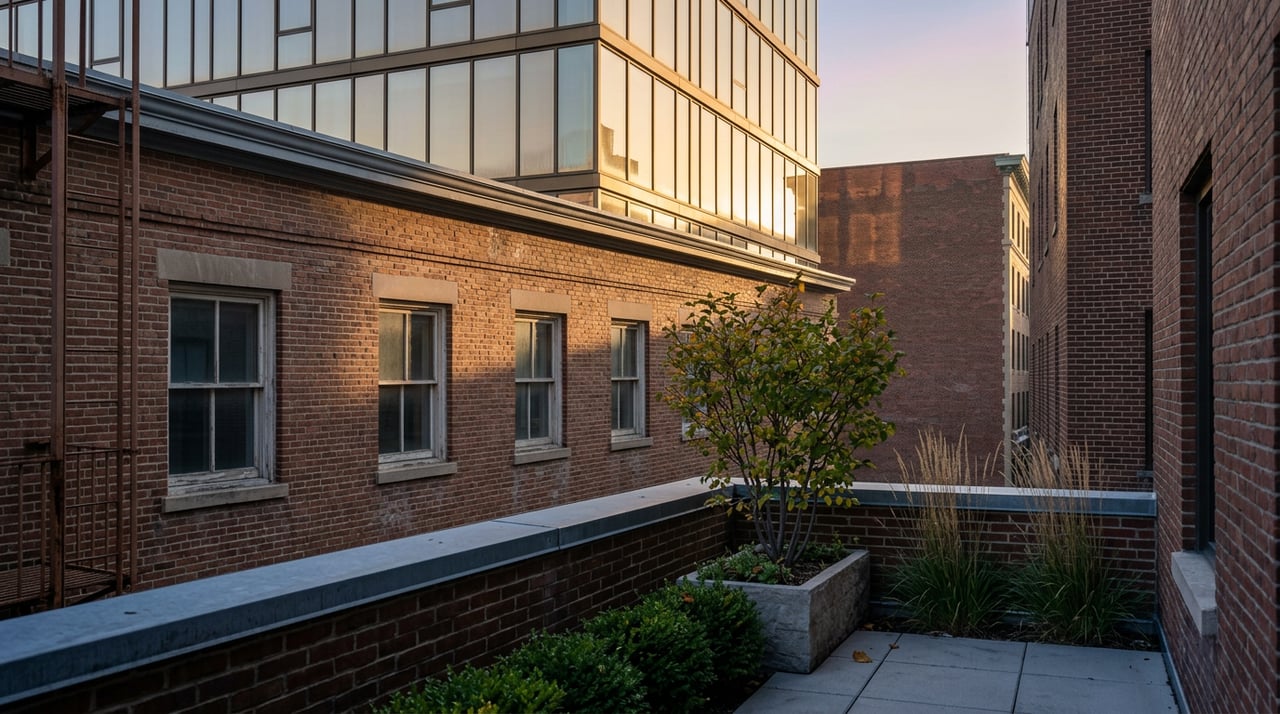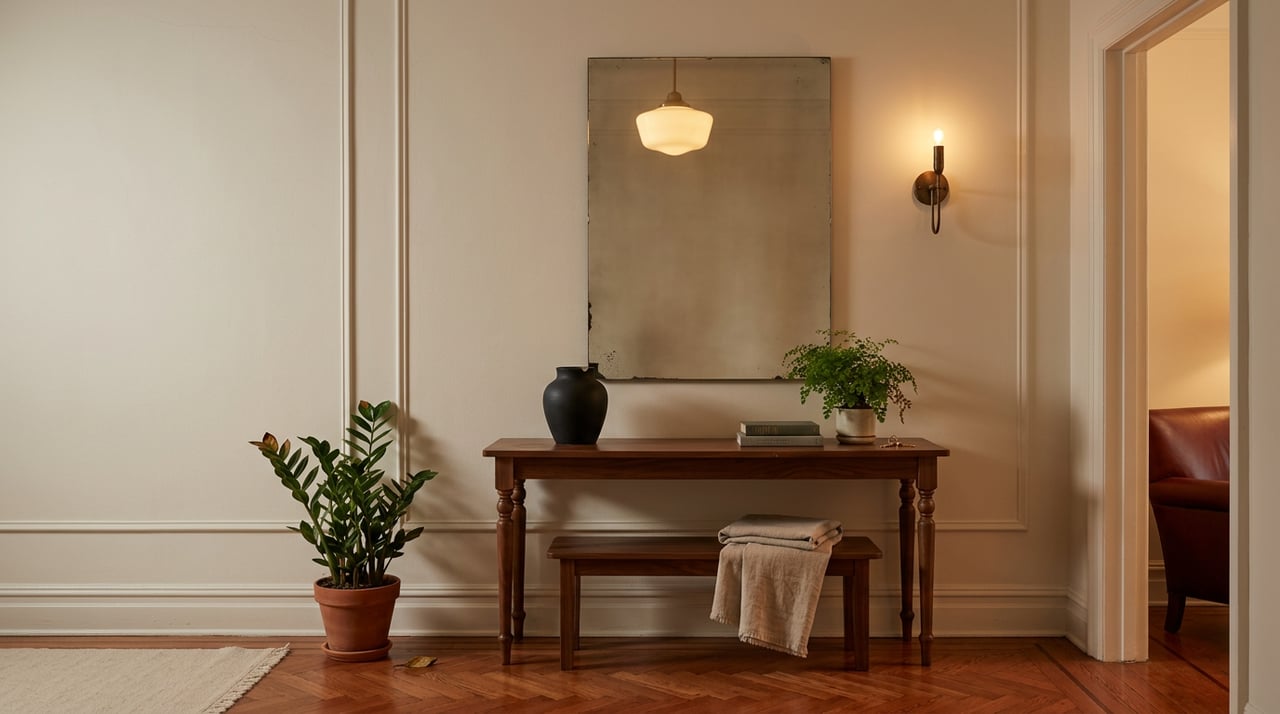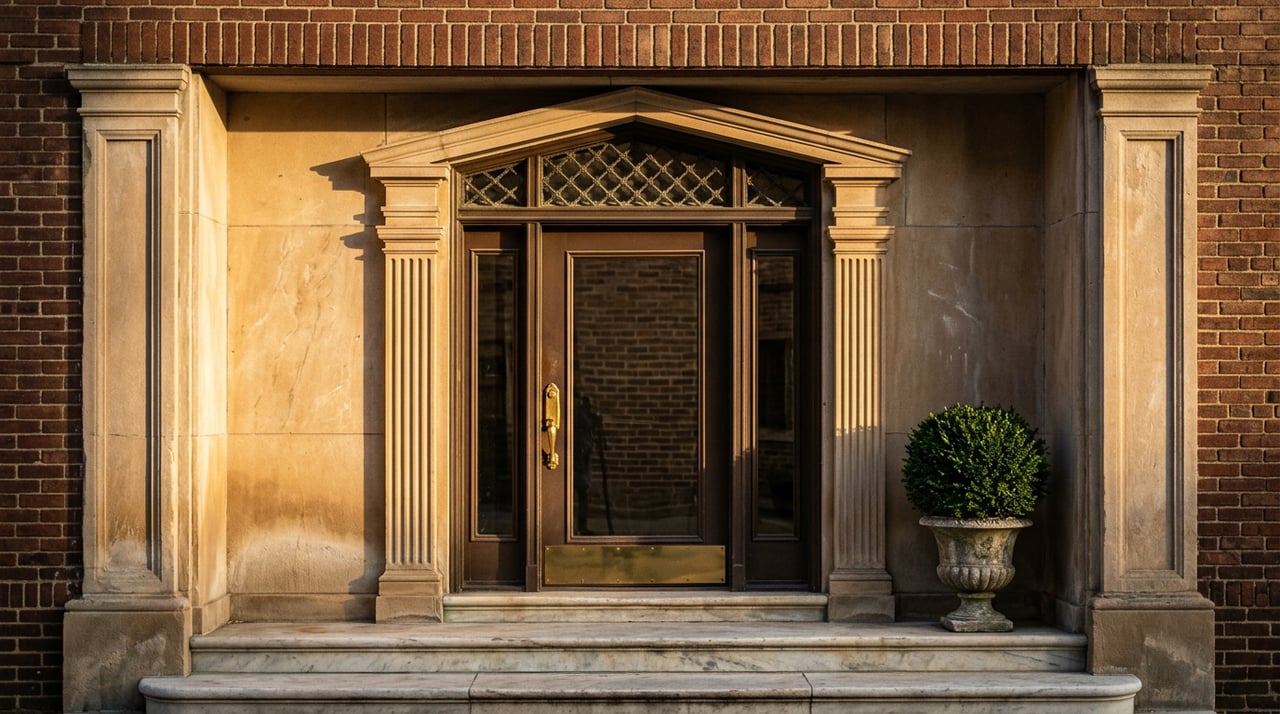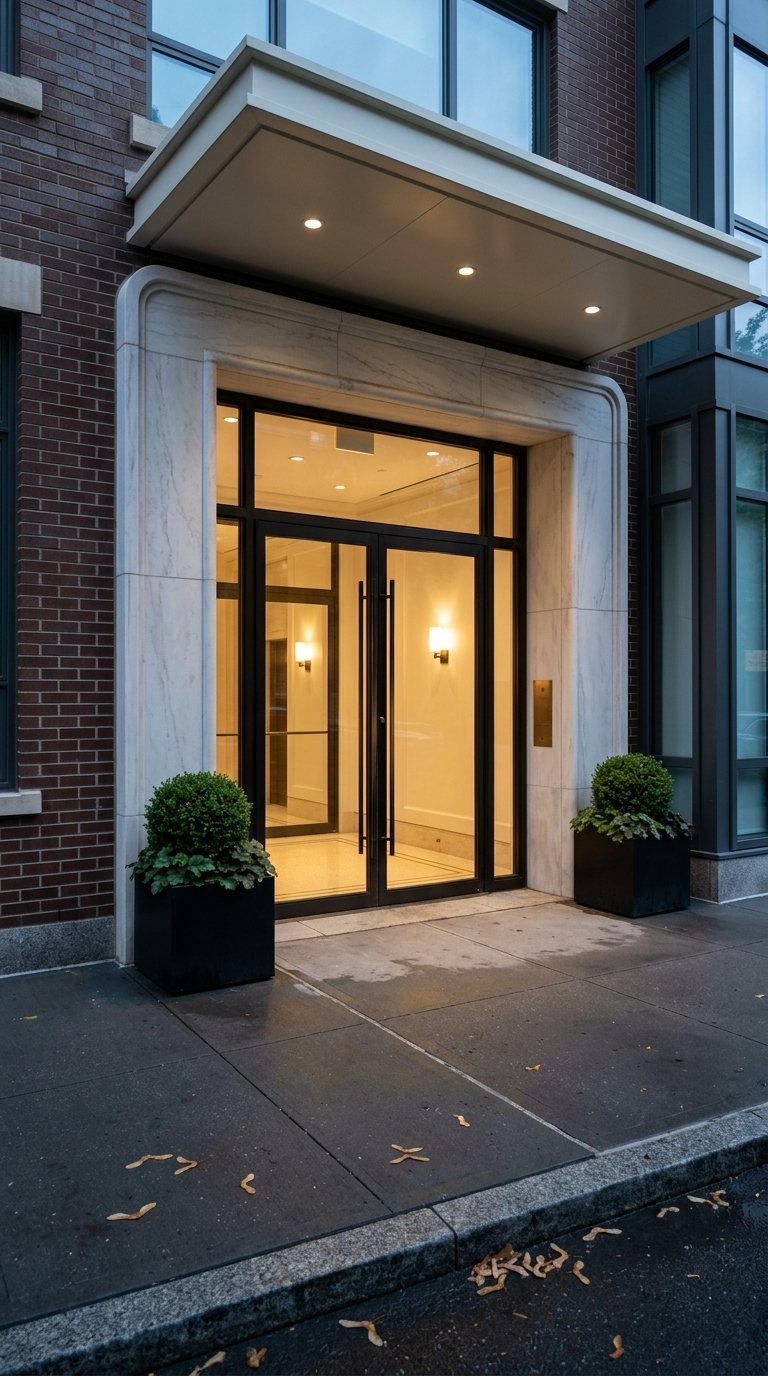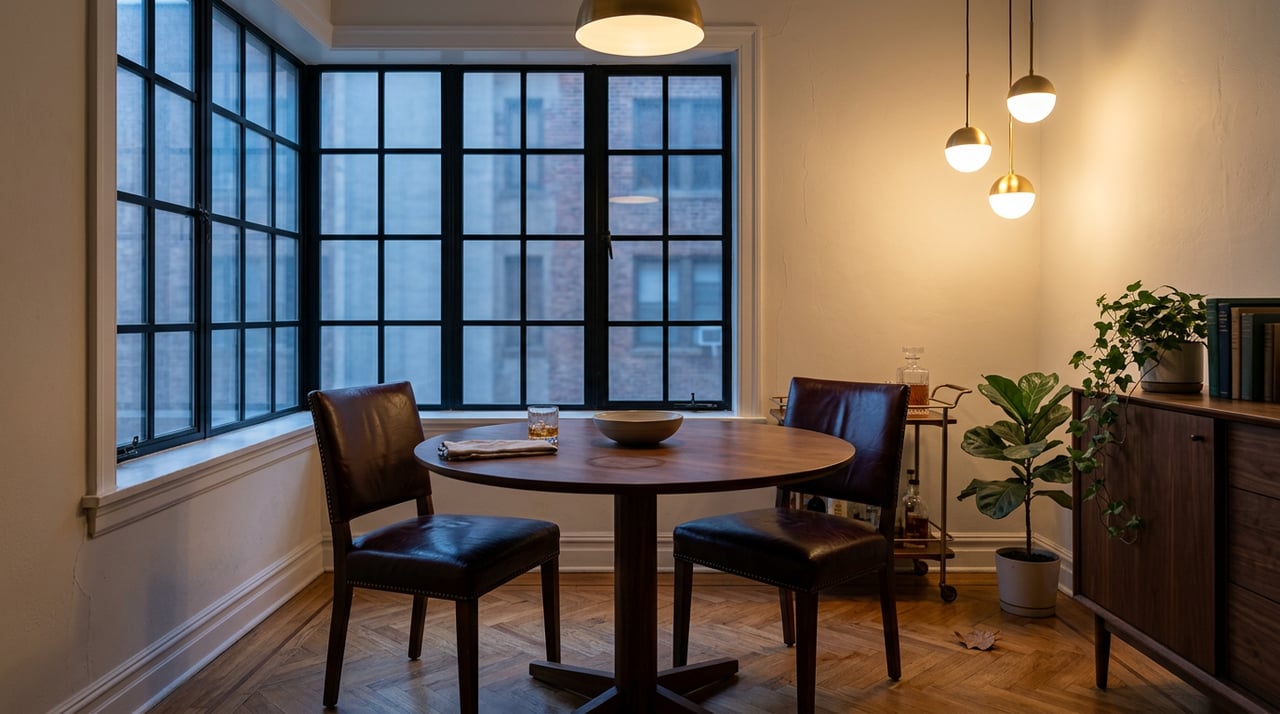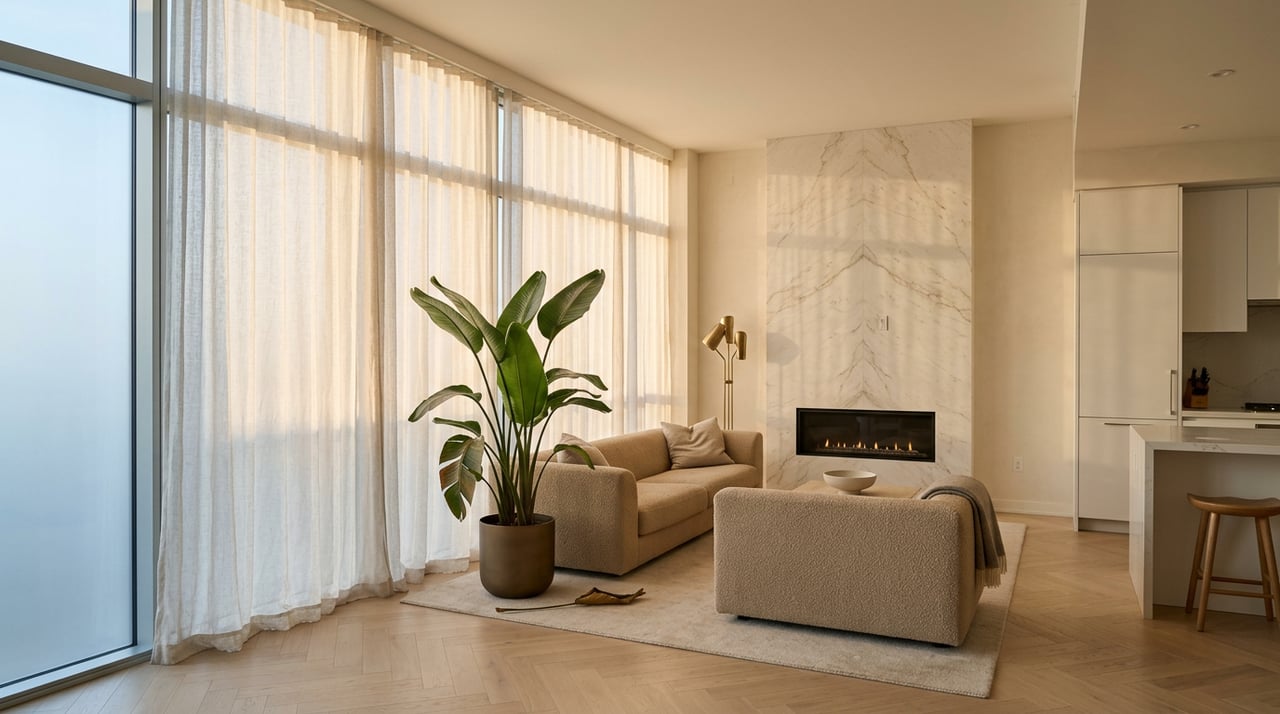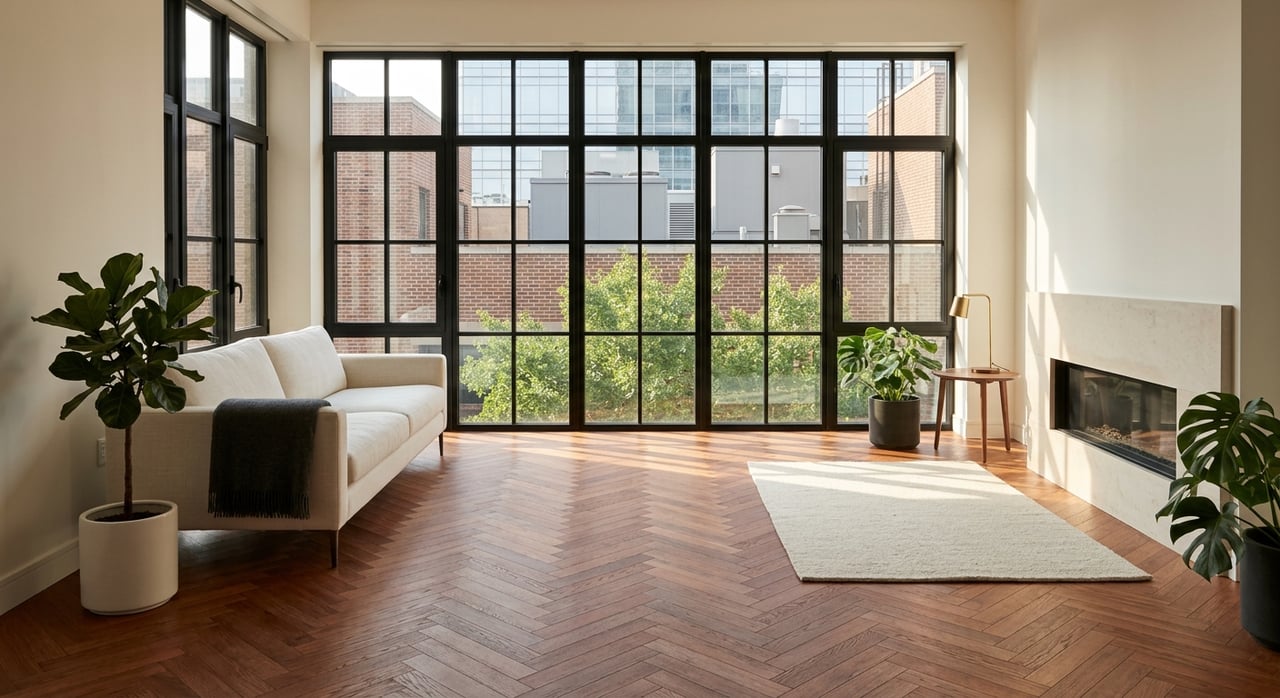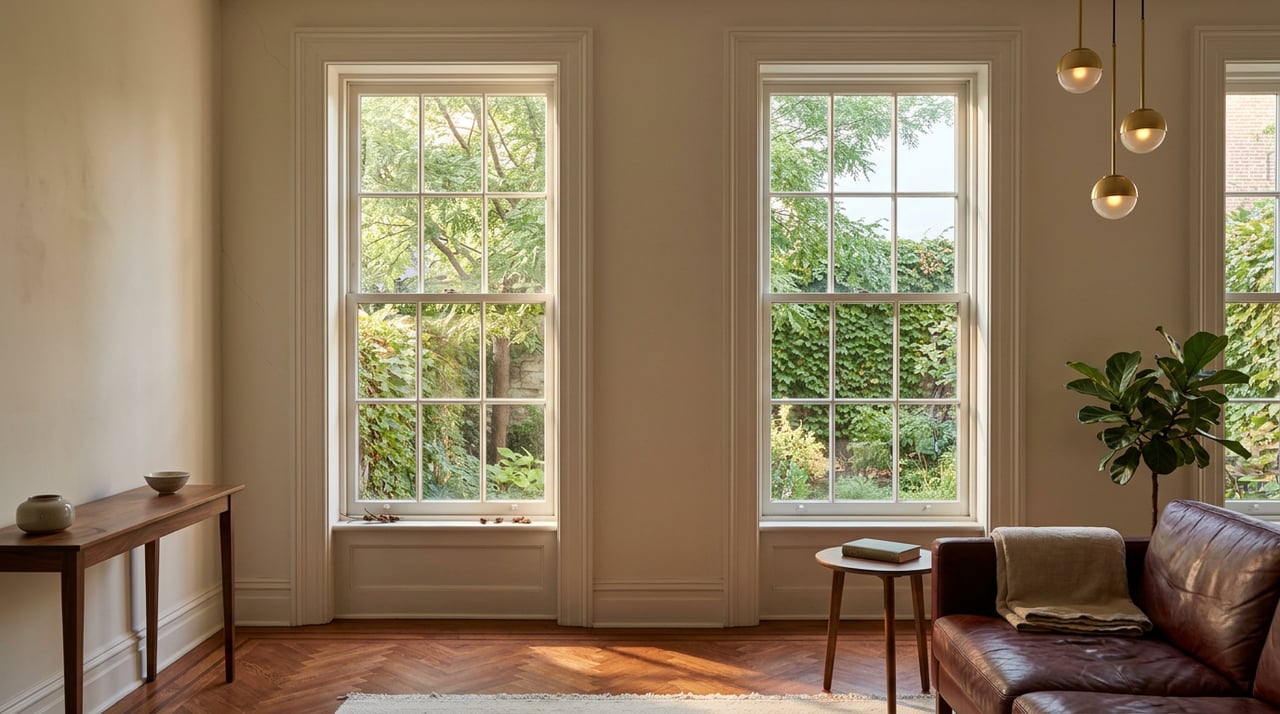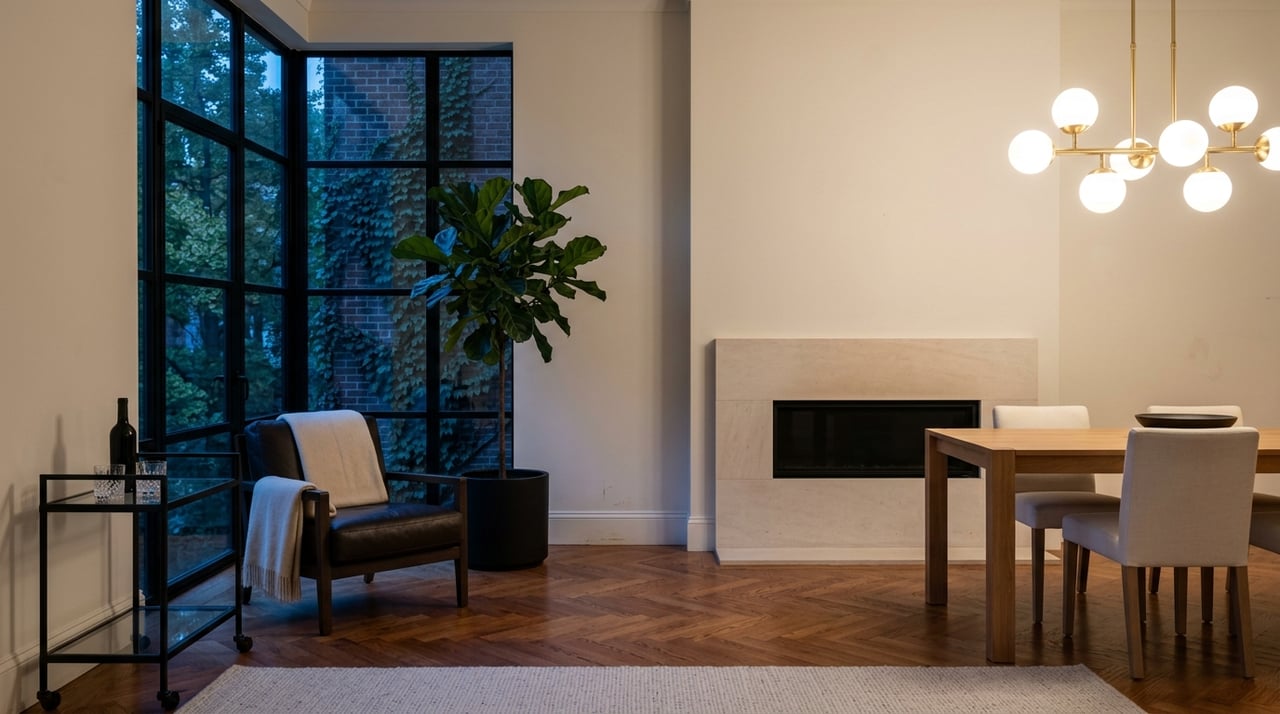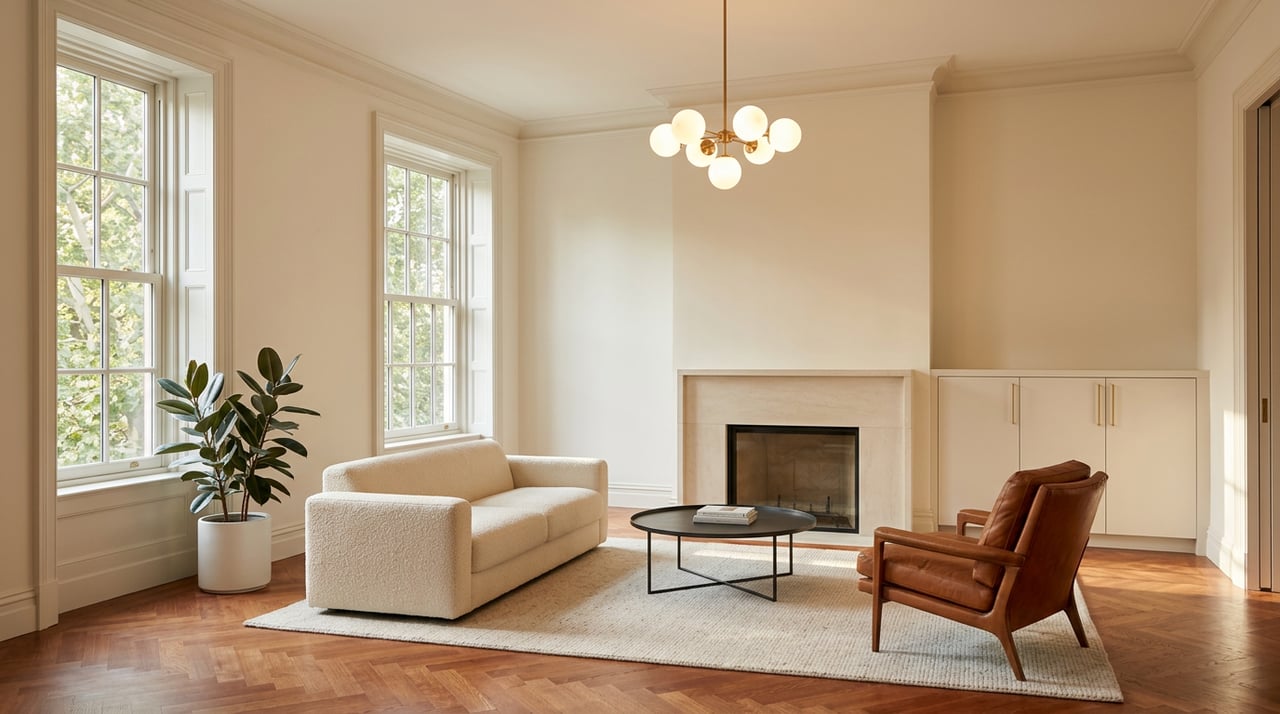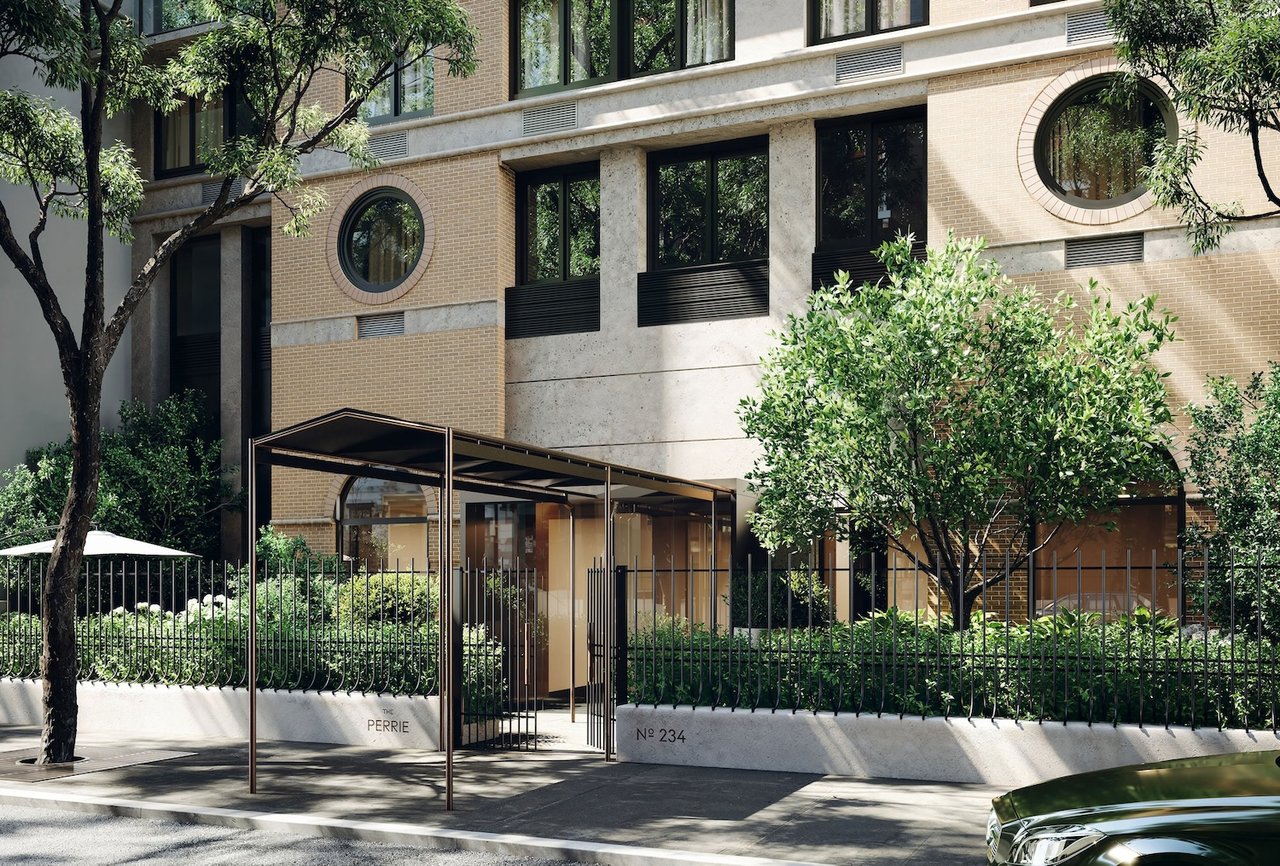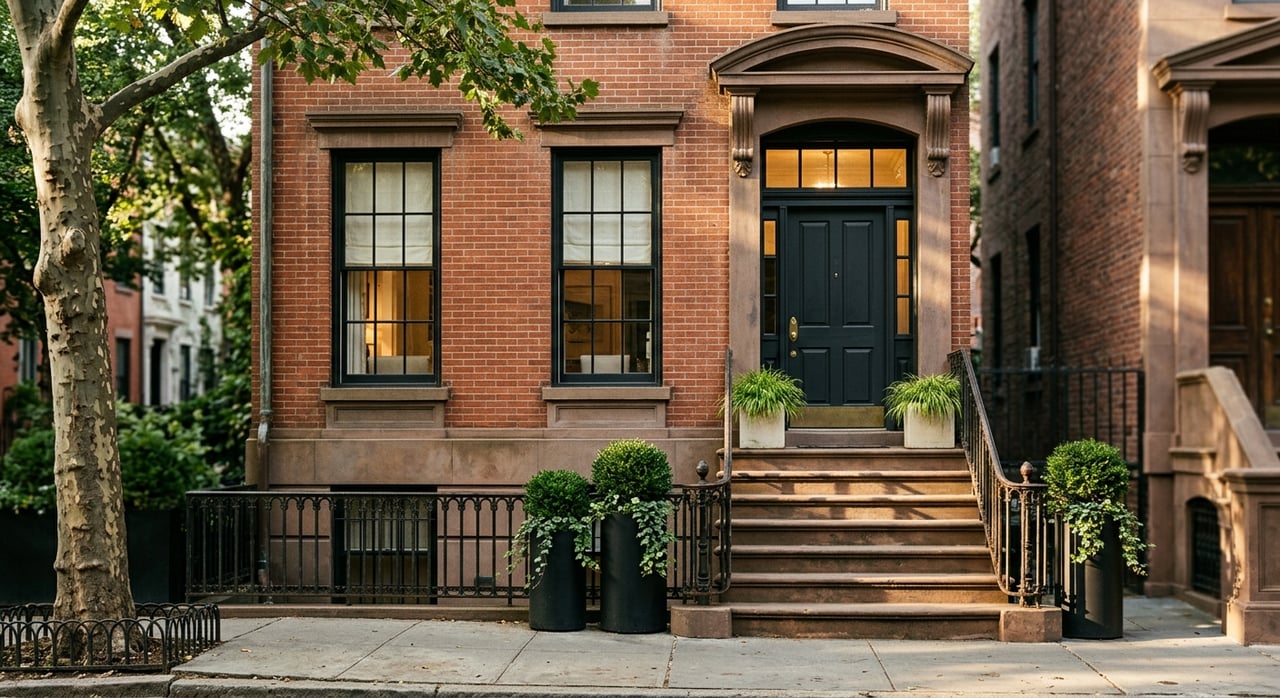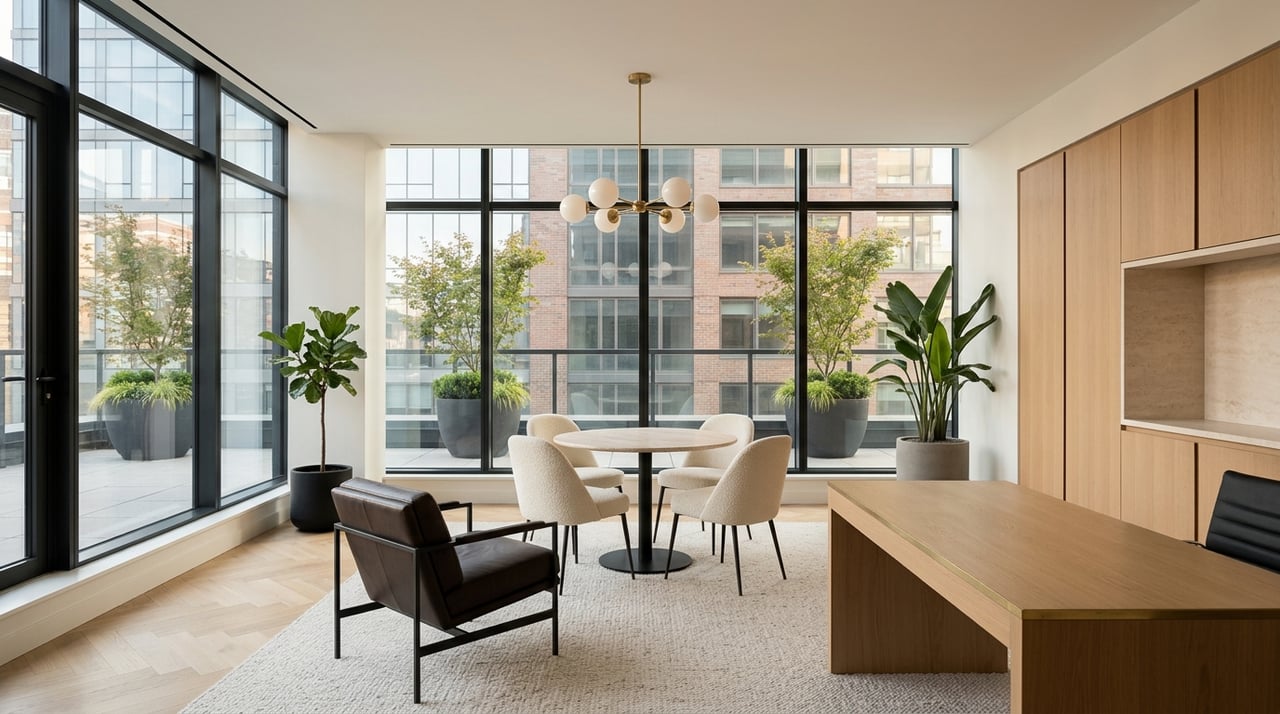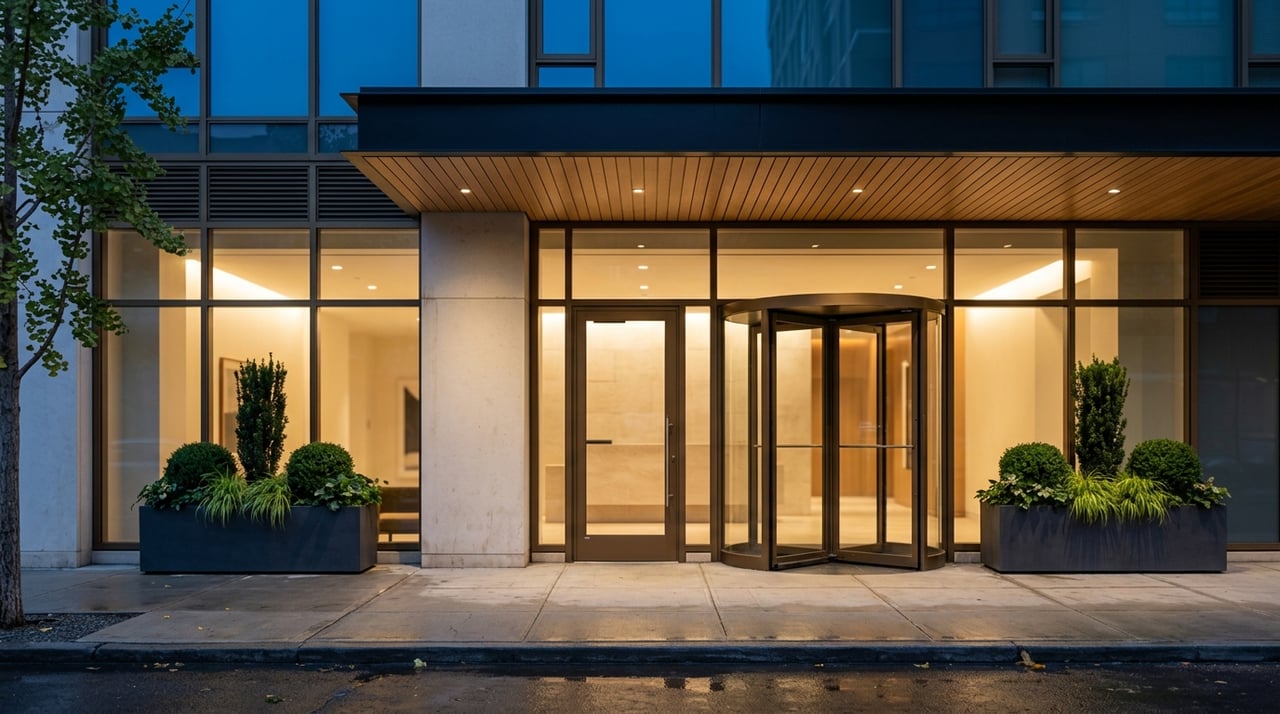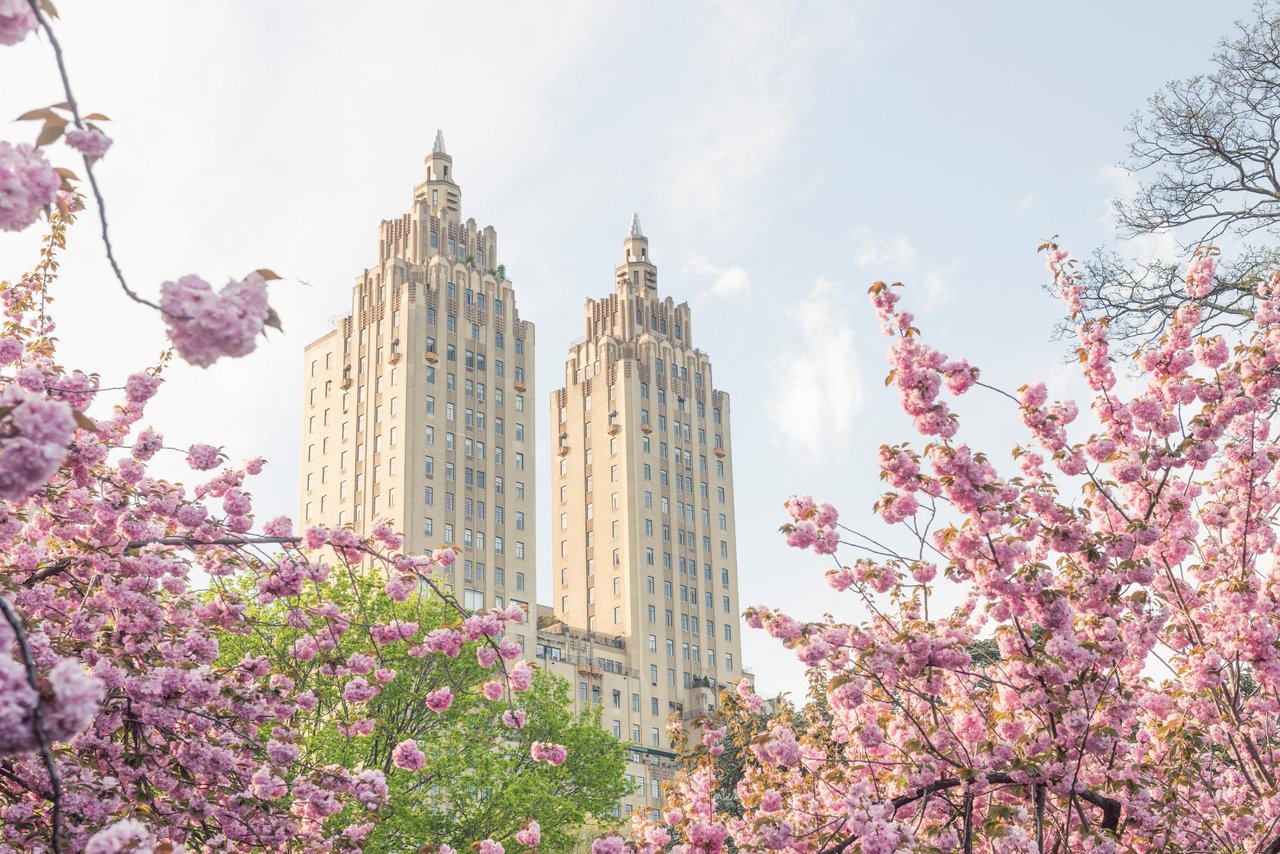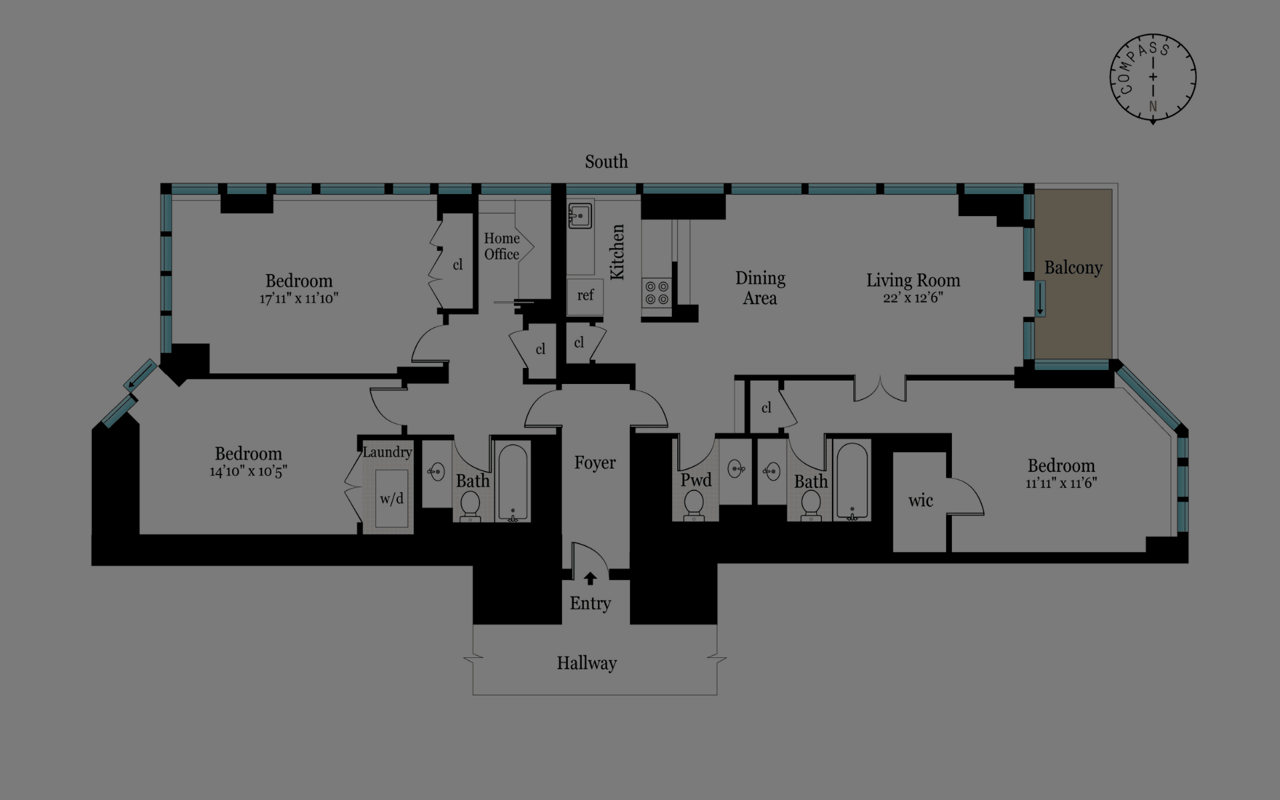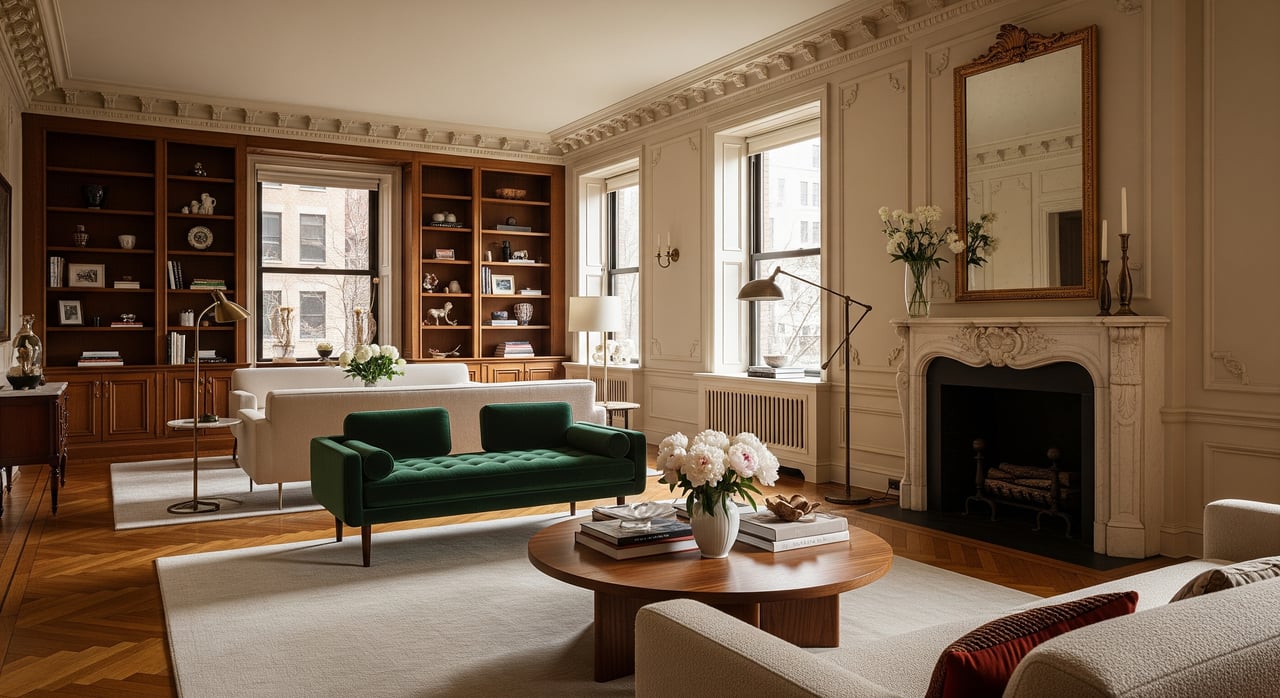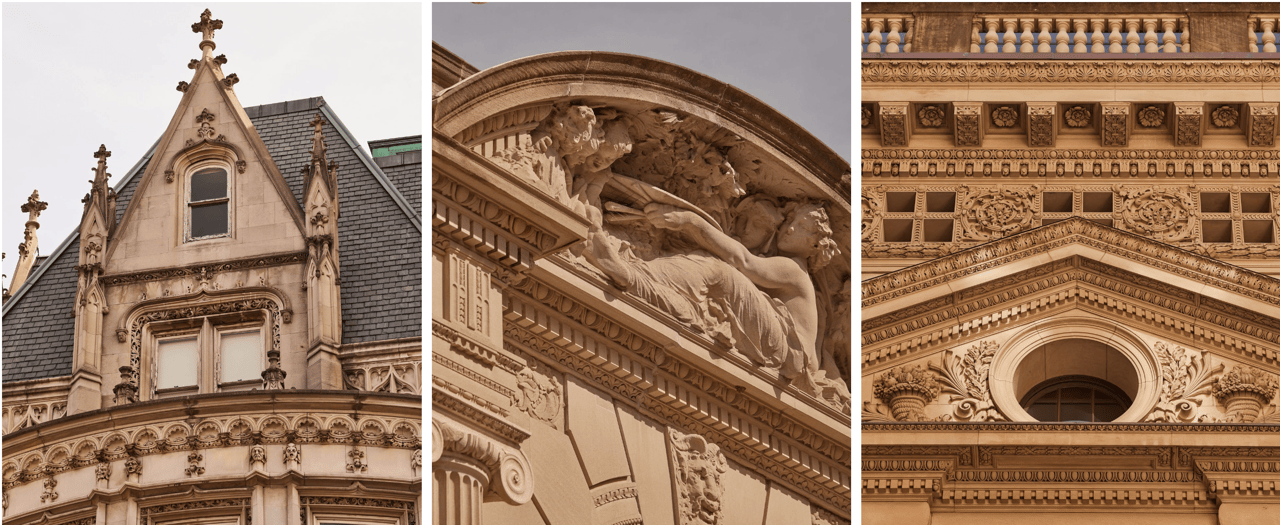
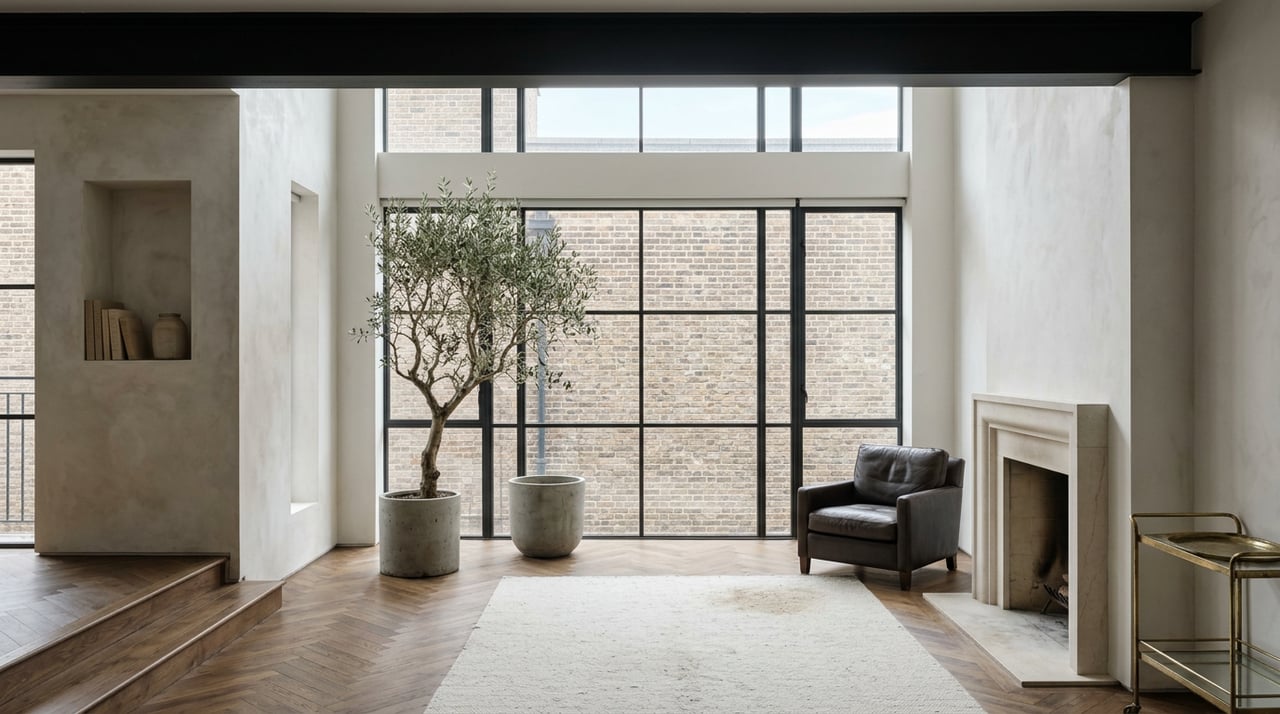
Walk two open houses in the same week in Greenwich Village and you can end up more confused than when you started. One is a prewar co-op, roughly the same square footage, a few blocks from Washington Square Park. The other is a condo, similar layout, similar light, similar block. The condo is asking something close to three times as much.
The instinct is to assume the condo is simply better: newer systems, a cleaner renovation, maybe a doorman. Sometimes that is true. But the gap in Greenwich Village is too consistent, and too large, to be explained by finishes alone. Something structural is setting these prices, and it has almost nothing to do with what is inside either unit.
The Obvious Explanation Doesn't Hold Up
If the price difference were mostly about condition, you would expect it to move in step with quality. Instead, the numbers swing in ways that condition can't explain. PropertyShark's Greenwich Village data for April 2026 showed the median co-op sale price up 15.6 percent year over year to $1.2 million, while the median condo price that same month jumped 480.5 percent to $11 million. No renovation trend produces an 480 percent swing in thirty days. What produces it is a market where only a handful of condos trade in any given stretch, so one or two large sales can drag the median wherever they land.
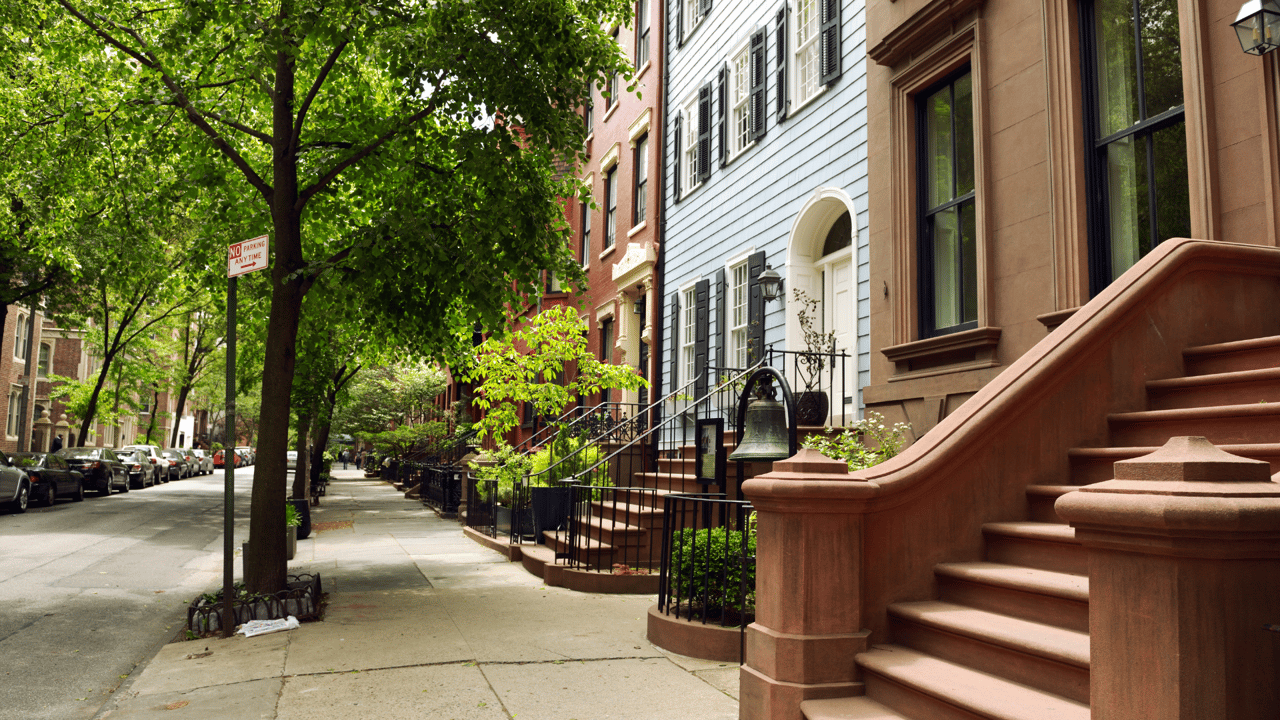
That thinness matters because co-ops are not the neighborhood's leftovers. Greenwich Village's housing stock has long been described, including by neighborhood data trackers, as older, walk-up heavy, and built around apartment houses rather than high-rises, which is another way of saying co-ops are the default product here, not a discount tier. If the majority of the neighborhood's homes are co-ops and they still trade at a fraction of the condo price, the gap was never really about which unit had the nicer kitchen. It was about which ownership structure the neighborhood is even capable of producing more of.
What the City Actually Allows to Get Built Here
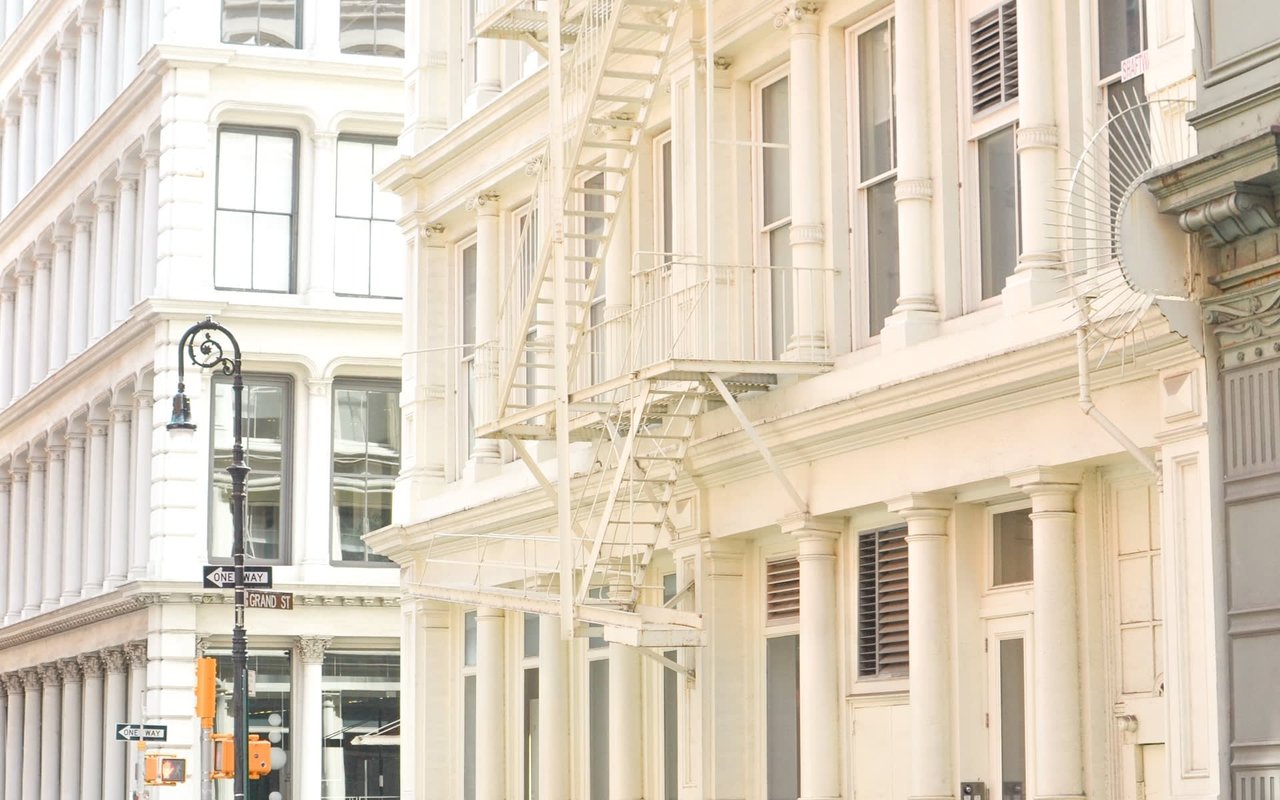
Here is the number that explains it. The Greenwich Village Historic District was designated on April 29, 1969, covering roughly 2,300 buildings. Village Preservation, the nonprofit that has tracked every application in the district because no city agency keeps a running count, has documented approximately 45 new buildings approved for construction across the district in the more than five decades since designation, a count last detailed through 2021 and still updated periodically as new applications move through Landmarks. Some of those 45 were never built. Some replaced buildings lost to fire or demolition. Even taken generously, that is well under one new building approved per year, in a district built out to more than two thousand structures.
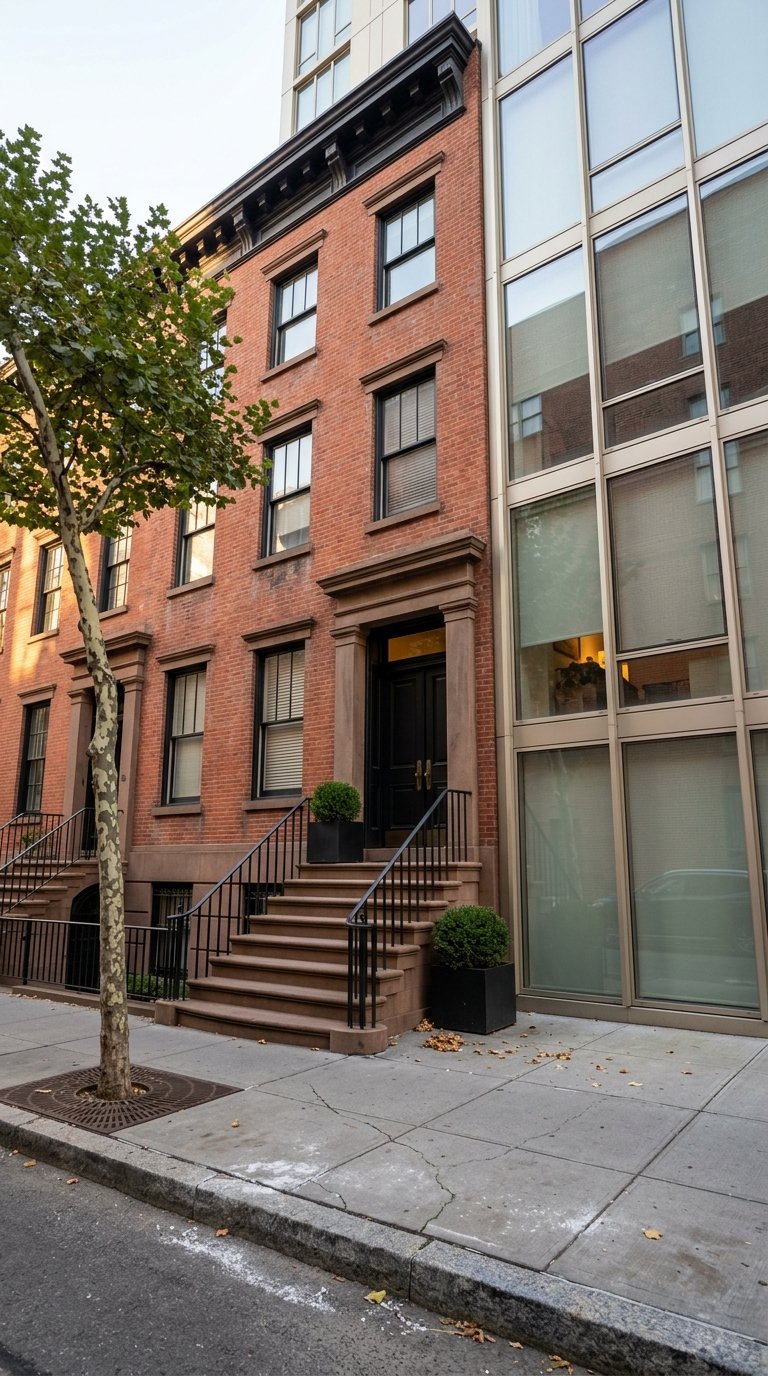
A Greenwich Village condo isn't priced like a better product. It's priced like the only new thing on a block that stopped growing in 1969.
That is the mechanism. Co-ops occupy the roughly 2,250-plus buildings that predate the historic district, the housing stock that already existed when landmarking froze the neighborhood in place. Condos, with rare exceptions, come from that thin trickle of new construction and from loft or institutional conversions squeezed through Landmarks Preservation Commission review. One category has an almost fixed ceiling. The other does not.
Why That Math Explains the Price Gap
Once you see the supply picture, the pricing data reads differently. A district that has approved something like 45 new buildings since 1969 is not going to produce a steady flow of condo closings in any given month or quarter. Some months it produces almost none, which is exactly the kind of thin, lumpy sample that let a single April 2026 closing swing PropertyShark's reported condo median by 480 percent while the deeper co-op pool moved a comparatively ordinary 15.6 percent.
This is also why a straight price-per-square-foot comparison between a co-op and a condo in the Village tells you less than it would in a neighborhood with normal new construction. You are not comparing two competing products in the same market. You are comparing the deep, slow-moving pool of prewar housing against a narrow lane of new or converted units that a handful of buyers are chasing at any given time.
The New Buildings Prove the Point
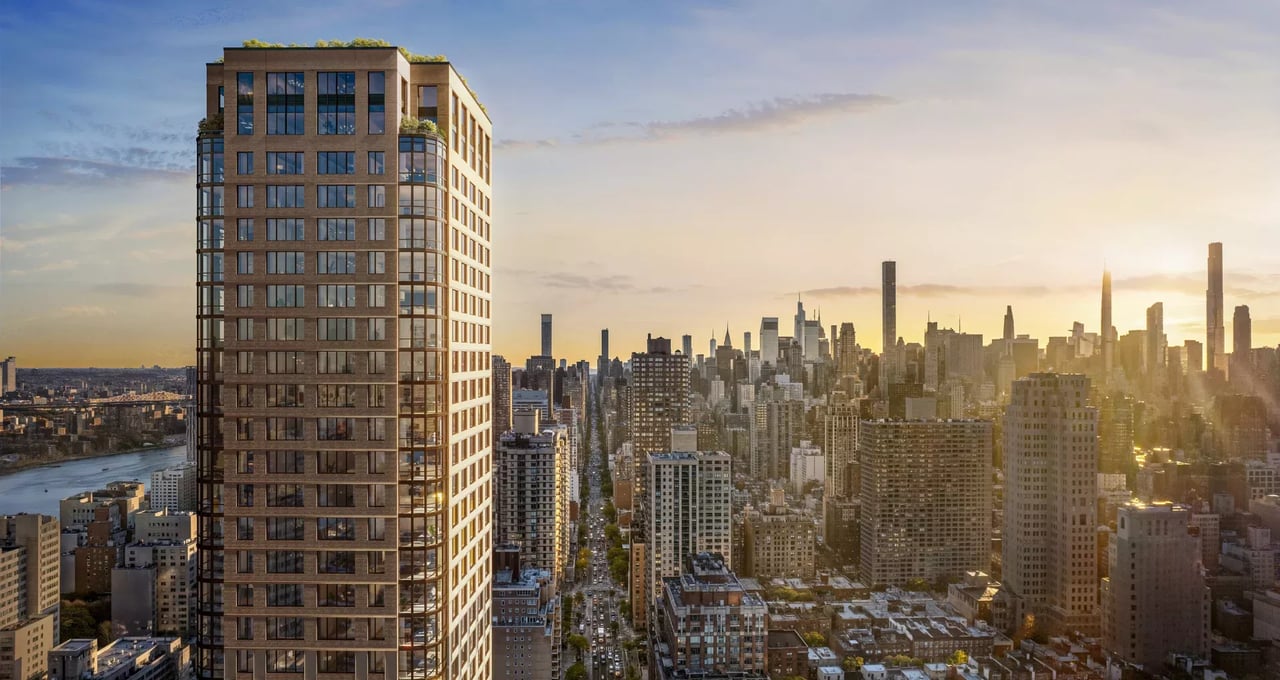
When something does get approved, it draws attention out of proportion to its size, because everyone understands how rare it is. The Greenwich Spire at 11 West 13th Street, developed by Legion Investment Group and EJS Group, is rising to roughly 500 feet with only 34 residences, and its unveiling this year was treated as a genuine event rather than another building coming to market. Nearby, 525 Sixth Avenue, developed by Izaki Group, secured construction financing in 2024 with completion originally targeted for spring 2026. Both sit inside a district where that kind of ground-up delivery almost never happens.
Smaller conversions carry the same signal. At 181 MacDougal, a boutique condo with just 16 residences, or at Parc Village, a 1985 conversion with 44 units, the scale itself is the selling point. The Greenwich Lane, built on the former St. Vincent's Hospital campus, remains one of the few large-scale new condo developments the neighborhood has seen this century. And when 64 University Place brought 28 new units to market, much of the building moved through private outreach before most buyers even knew it was available. That is not how a normal, well-supplied market behaves. It is how a market behaves when everyone already knows the next building like this may not come for years.
What This Means for Your Search
If your priority is space per dollar and you are comfortable with a board process, the co-op market gives you the deepest, most comparable pool of inventory in the neighborhood, and the pricing data behind it is stable enough to trust. If you specifically want a condo, budget for the fact that you are competing for a small, slow-replenishing category, that comparable sales will be thinner than you are used to, and that a single closing at the top or bottom of the range can move the reported median more than it would anywhere else in Manhattan.
Neither path is the smarter one. They are different products sitting inside a neighborhood that made a decision in 1969 to stop letting most of its housing stock change, and has largely kept that promise ever since.
Frequently asked questions
If co-ops are so much cheaper, are they the better financial move? Not automatically. Co-op boards can add months to a closing timeline and typically require significant post-purchase liquidity, and resale can take longer than a comparable condo. The lower price reflects those trade-offs as much as it reflects supply.
Will new construction eventually close the gap? Nothing in the pattern suggests it will soon. New building approvals inside the Greenwich Village Historic District have never run more than a handful per decade since 1969, and Village Preservation's own tracking of landmark activity citywide shows new historic district designations have slowed sharply in recent years. Neither trend points toward more condo supply arriving here anytime soon.
If you are trying to figure out which side of this market fits your budget and your timeline, that is exactly the kind of comparison Dana Sapir and the Sapir Team walk Manhattan buyers through every week. Book a private consultation and we will pull the current co-op and condo comps for the blocks you actually have in mind.