
Buying in Manhattan is one of the biggest financial decisions you'll make — and one of the trickiest questions to answer is deceptively simple: is the asking price actually fair?
In a market this layered, the number on the listing rarely tells the whole story. Two apartments with nearly identical square footage, even on the same block, can be worth very different amounts once you factor in building quality, monthly costs, condition, views, floor, and layout. Here's how to cut through the noise and evaluate a price like a pro.
1. Start With Recent Comparable Sales
"Comps" — recently closed sales in the same building or nearby — are your strongest reference point. Closed deals show what buyers actually paid, not just what sellers hope to get.
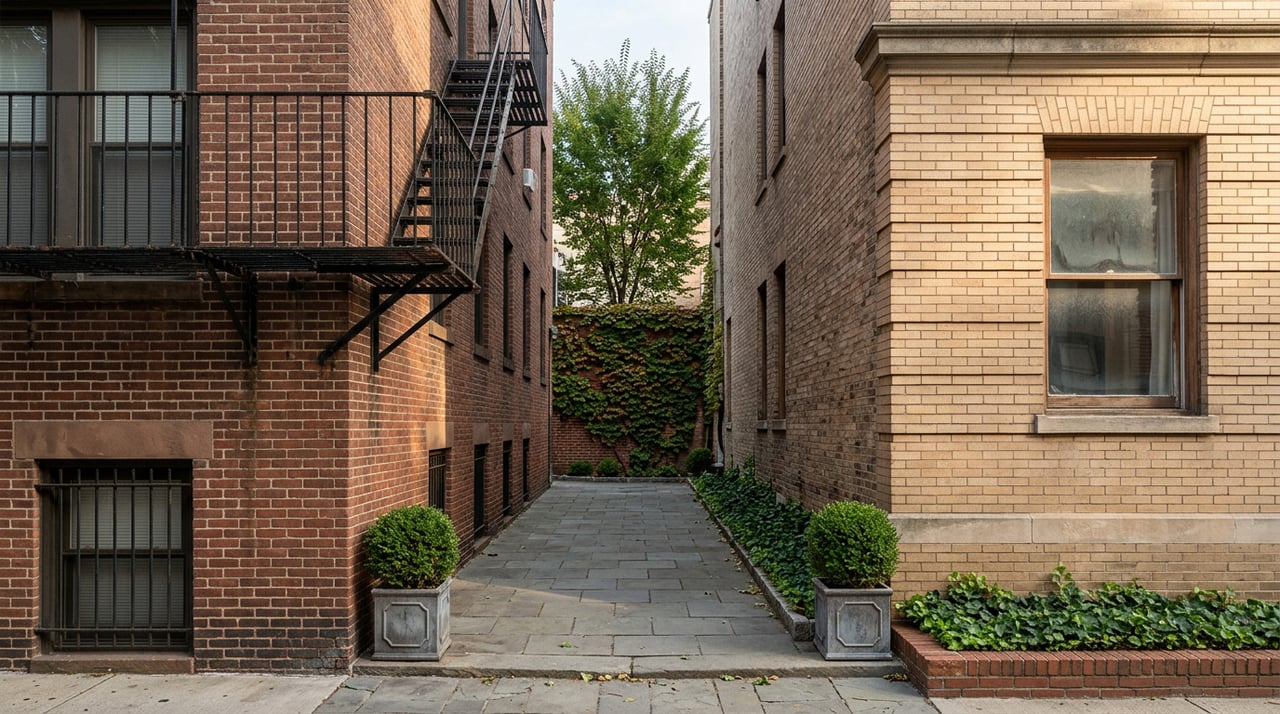
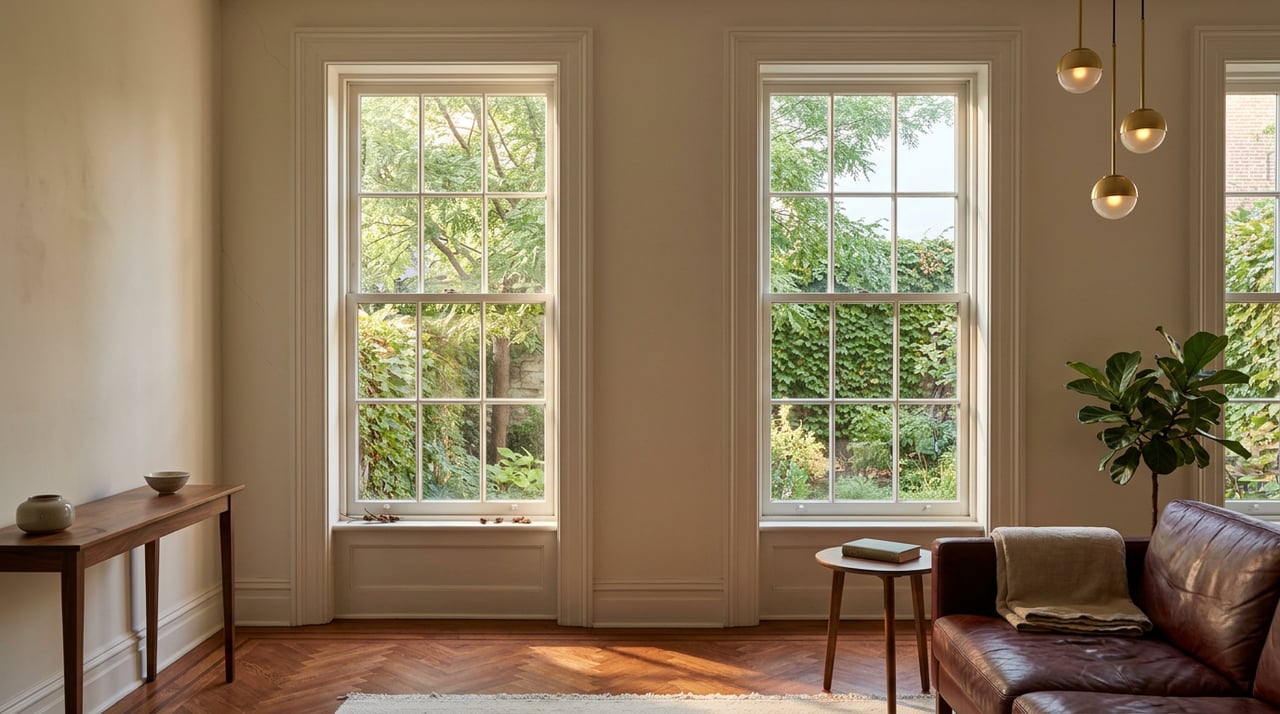
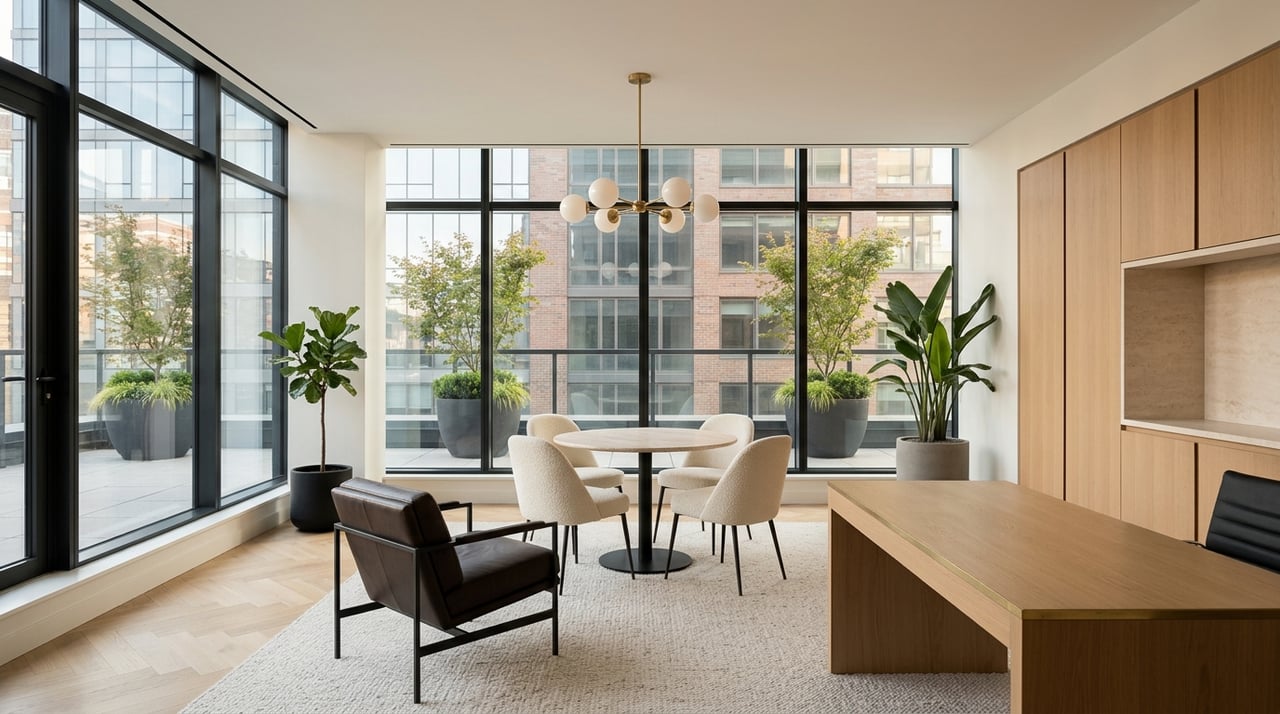
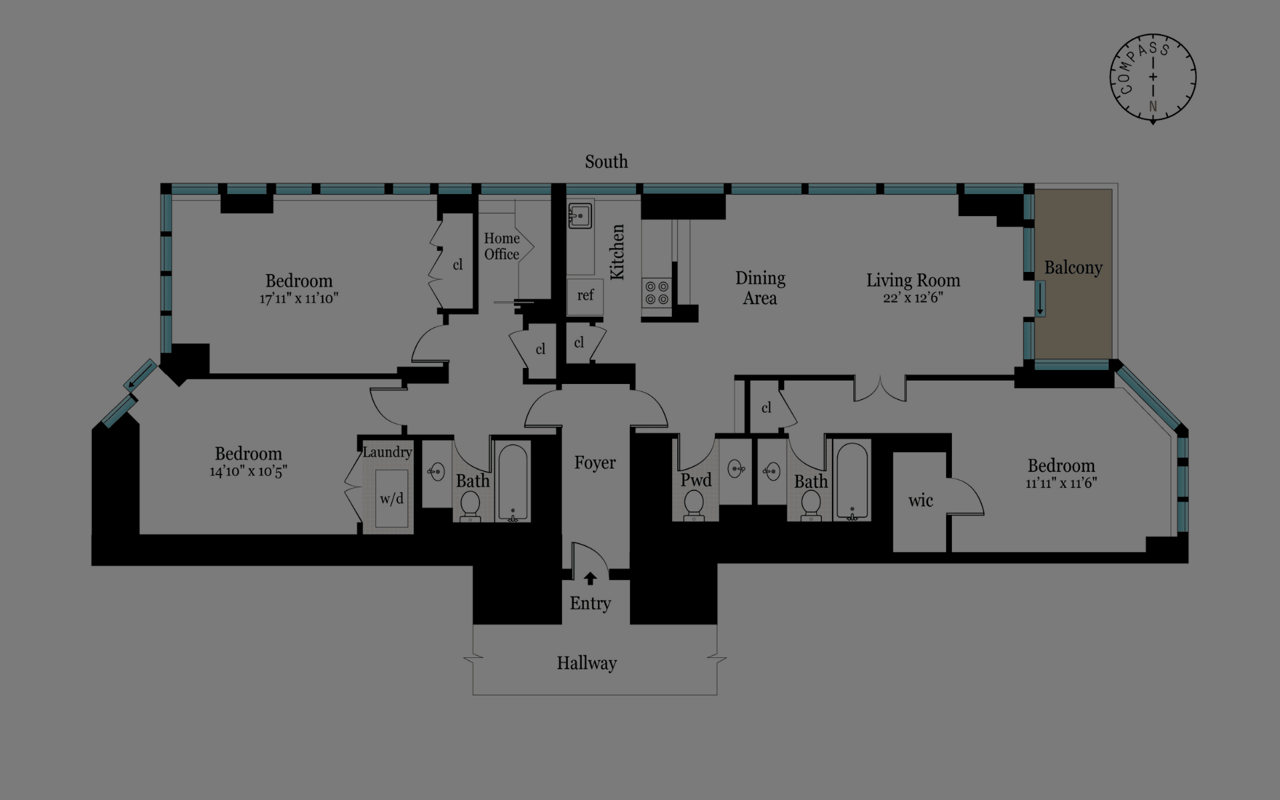
Don't stop at bedroom count and square footage. A high-floor two-bedroom with open views can be worth meaningfully more than an identical layout facing a brick wall. Renovation quality, light, and outdoor space all move the needle.
2. Check the Price Per Square Foot
This is a useful gut-check, but never the whole picture. If a listing is priced well above comparable recent sales per square foot, there should be a clear reason: a full renovation, standout views, private outdoor space, or an especially desirable building.
A price below the neighborhood average isn't automatically a deal, either — it may signal deferred maintenance or high monthly costs lurking underneath.
3. Factor In the Building Itself
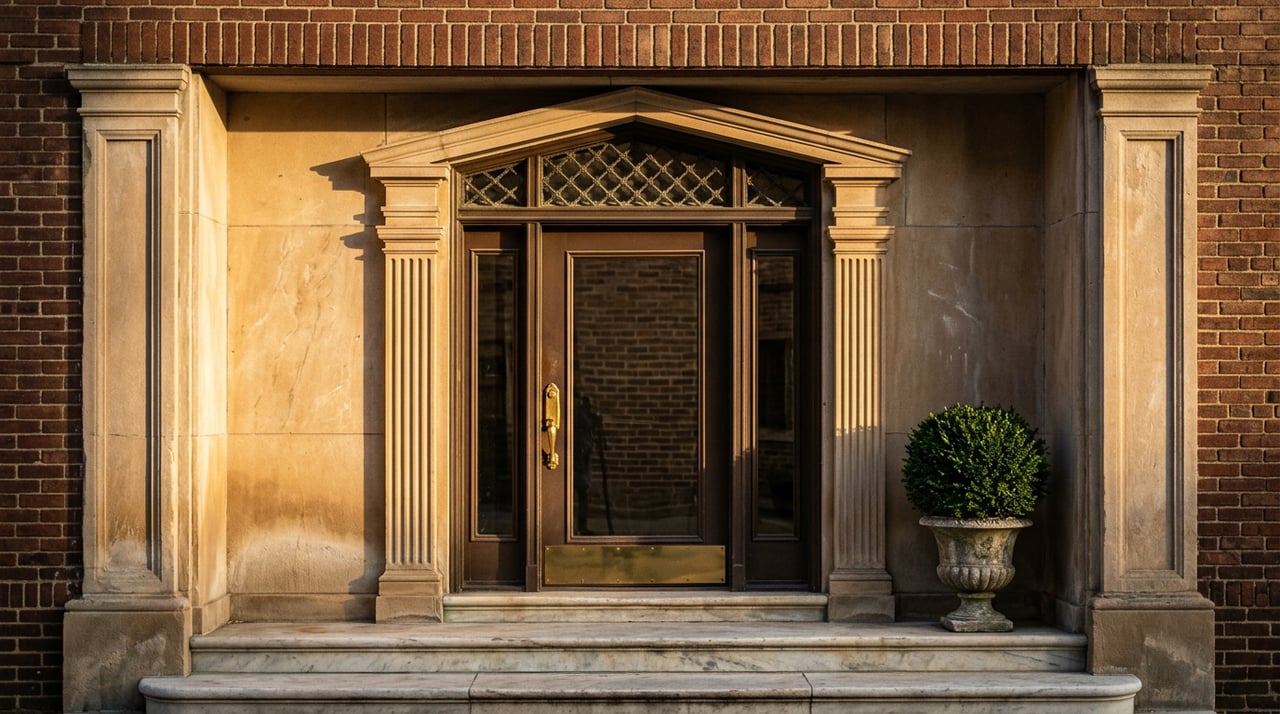
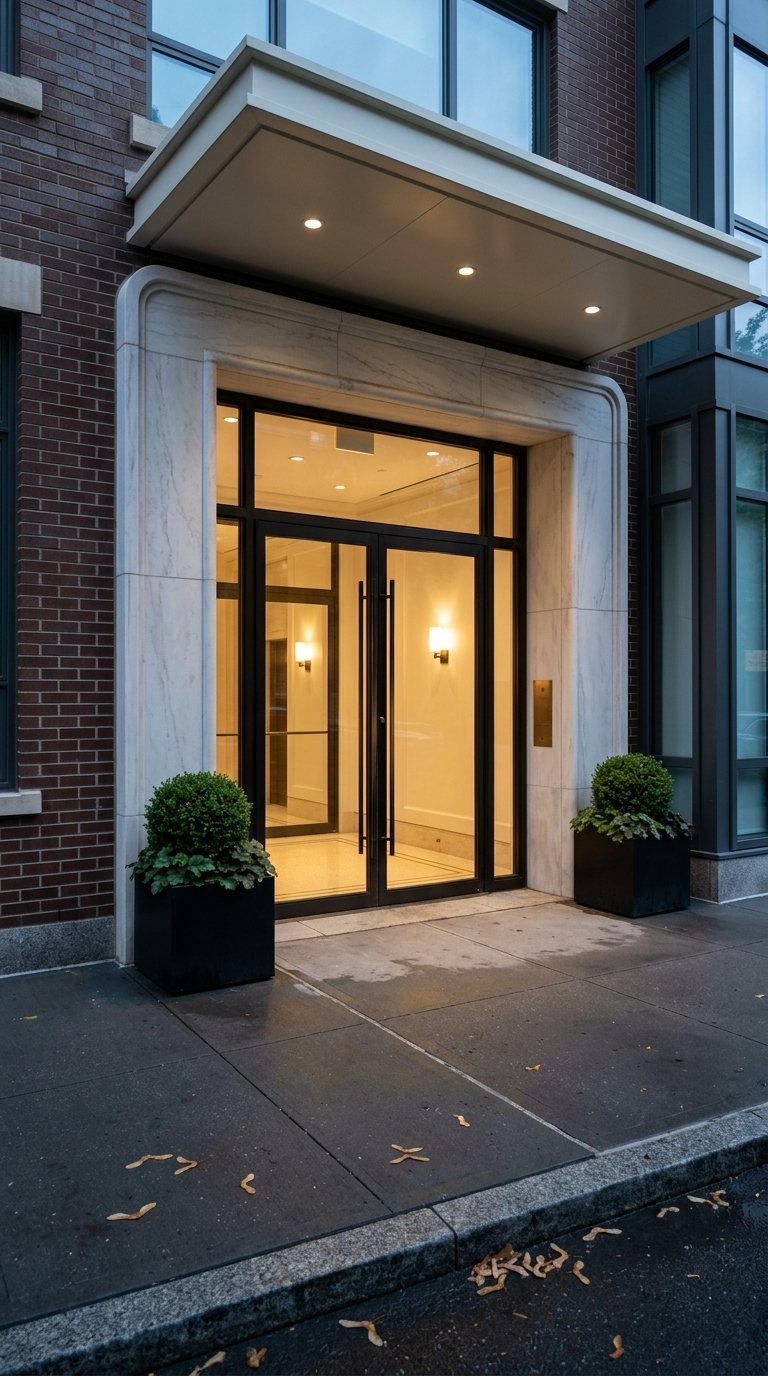
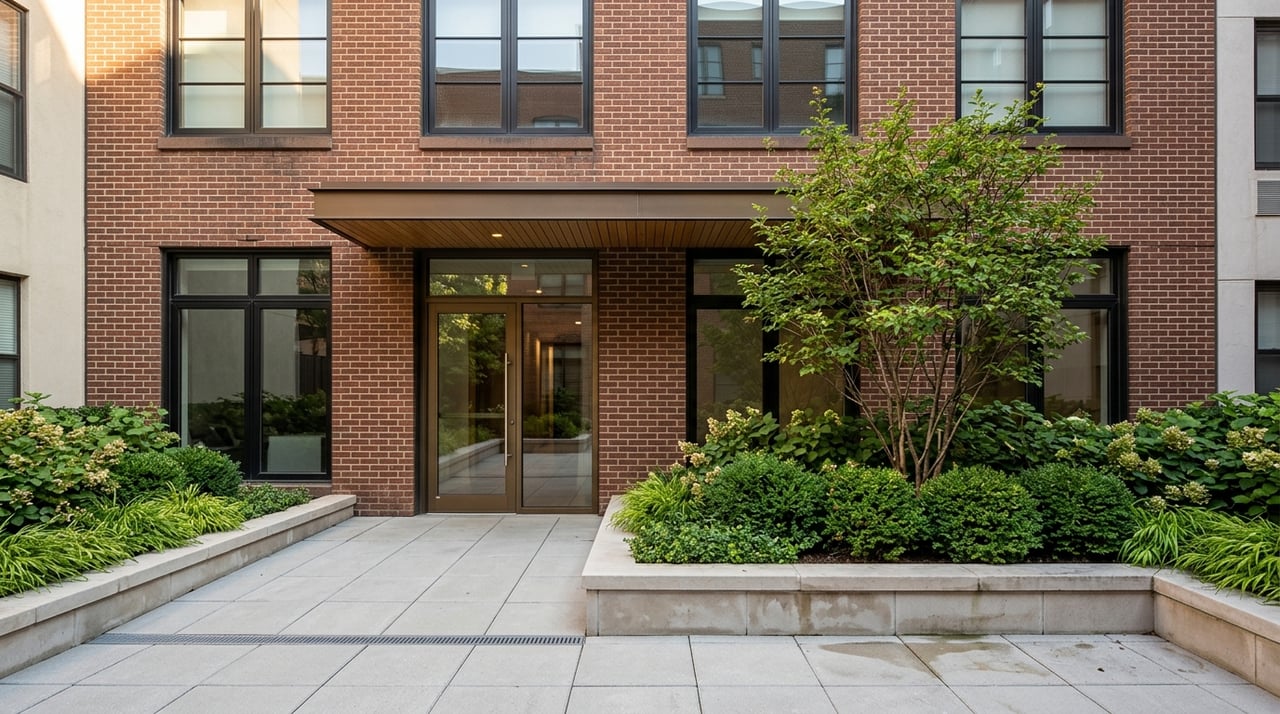
In Manhattan, you're not just buying an apartment — you're buying into a building. A well-run co-op or condo with strong financials, good amenities, and a solid reputation commands a premium. High common charges, looming assessments, strict co-op rules, or major capital projects can quietly erode value.
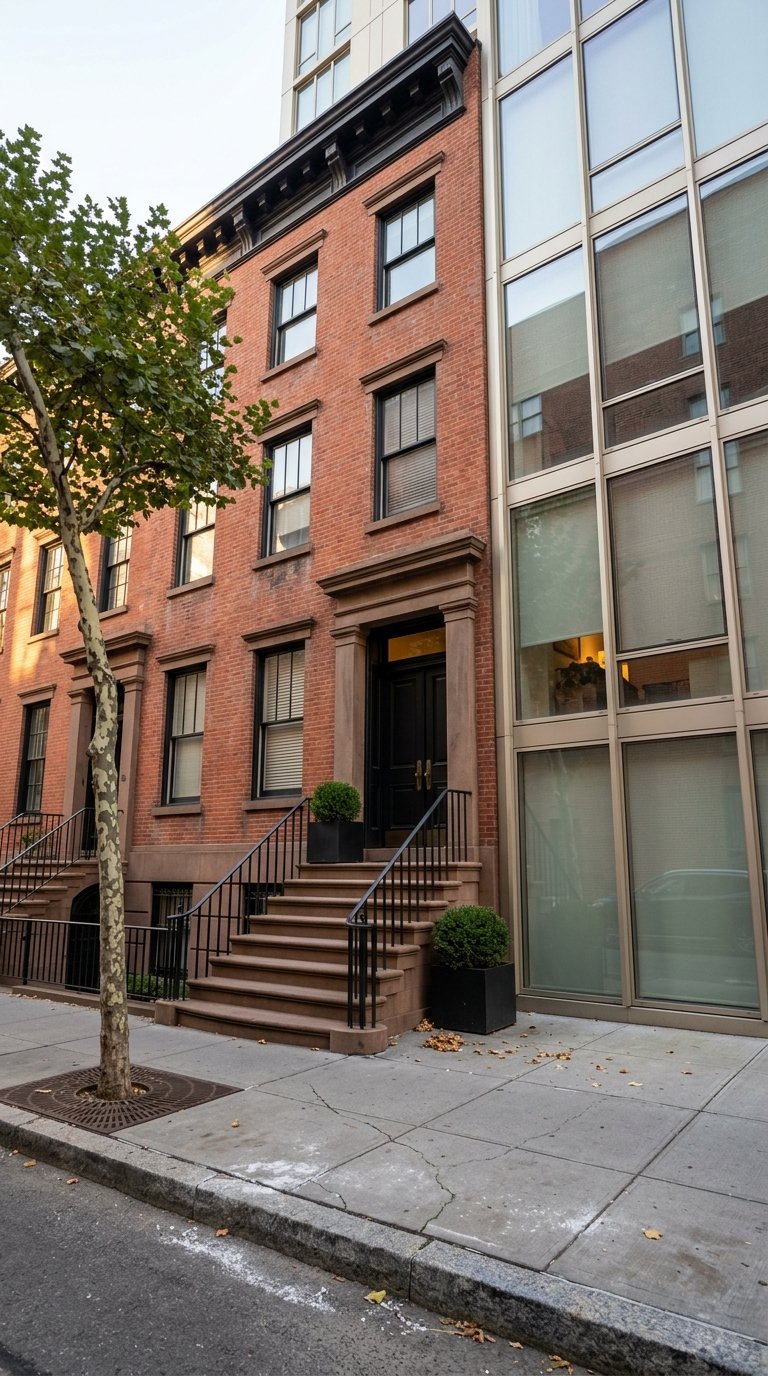
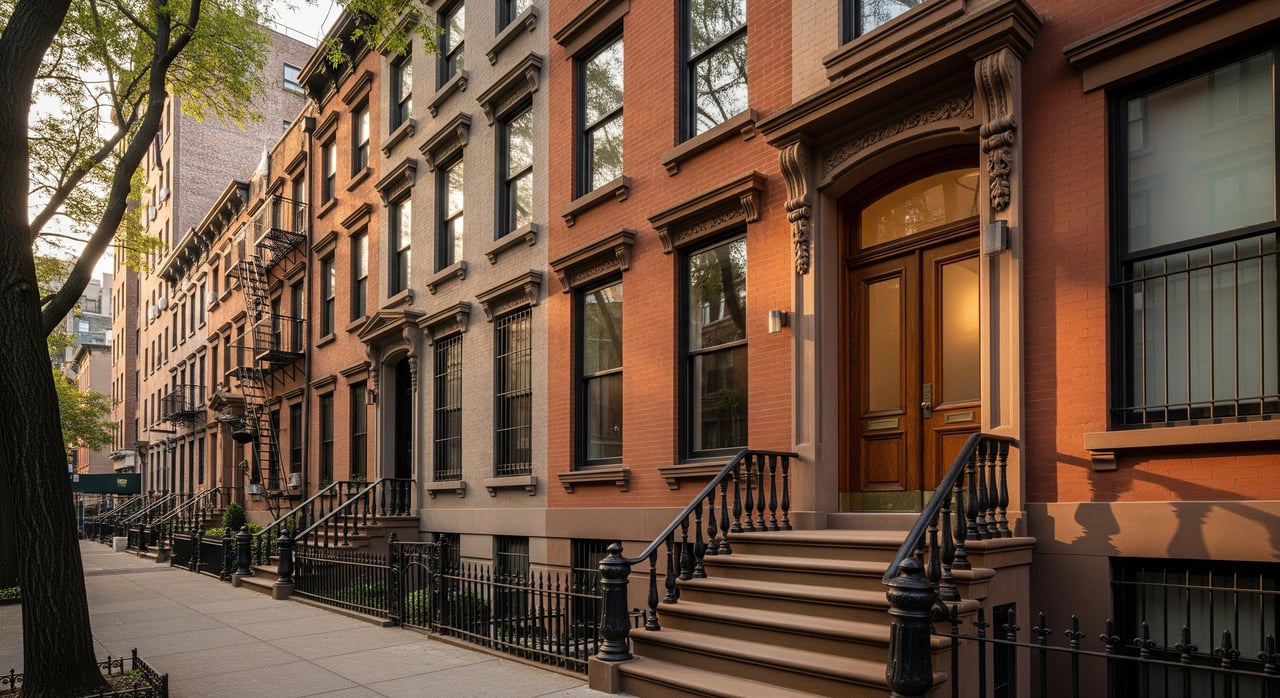
Two near-identical units across the street from each other can justify very different price tags for exactly this reason.
4. Look Past the Sticker Price to Monthly Costs
Purchase price is only half the equation. Maintenance (co-ops) or common charges plus taxes (condos) can swing dramatically between buildings. A slightly cheaper apartment with unusually high monthly costs may end up less attractive than a pricier one with reasonable carrying costs — always compare both together.
5. Watch Days on Market
How long has the listing sat? Has the price already been cut? An apartment lingering well past the typical timeline for its type may be overpriced — though not always. Multiple reductions are a strong signal the original ask missed the mark; fast, strong interest suggests the price is close to right.
6. Weigh the Unforgettable Features
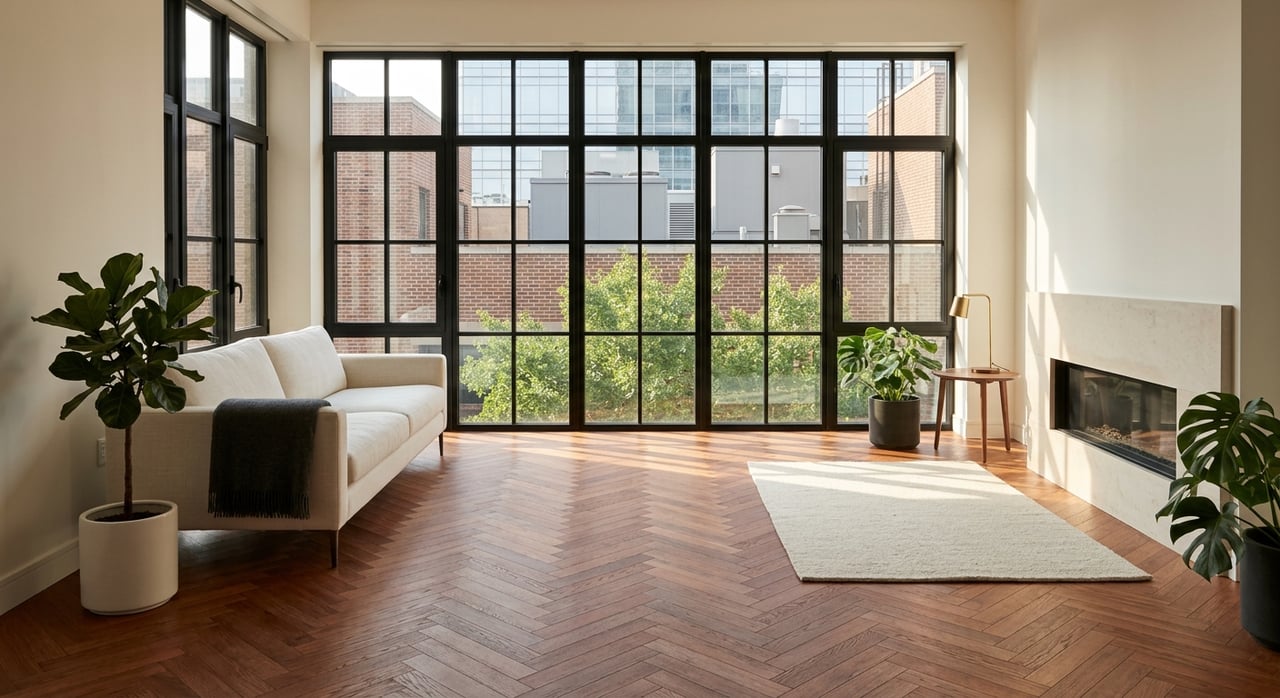
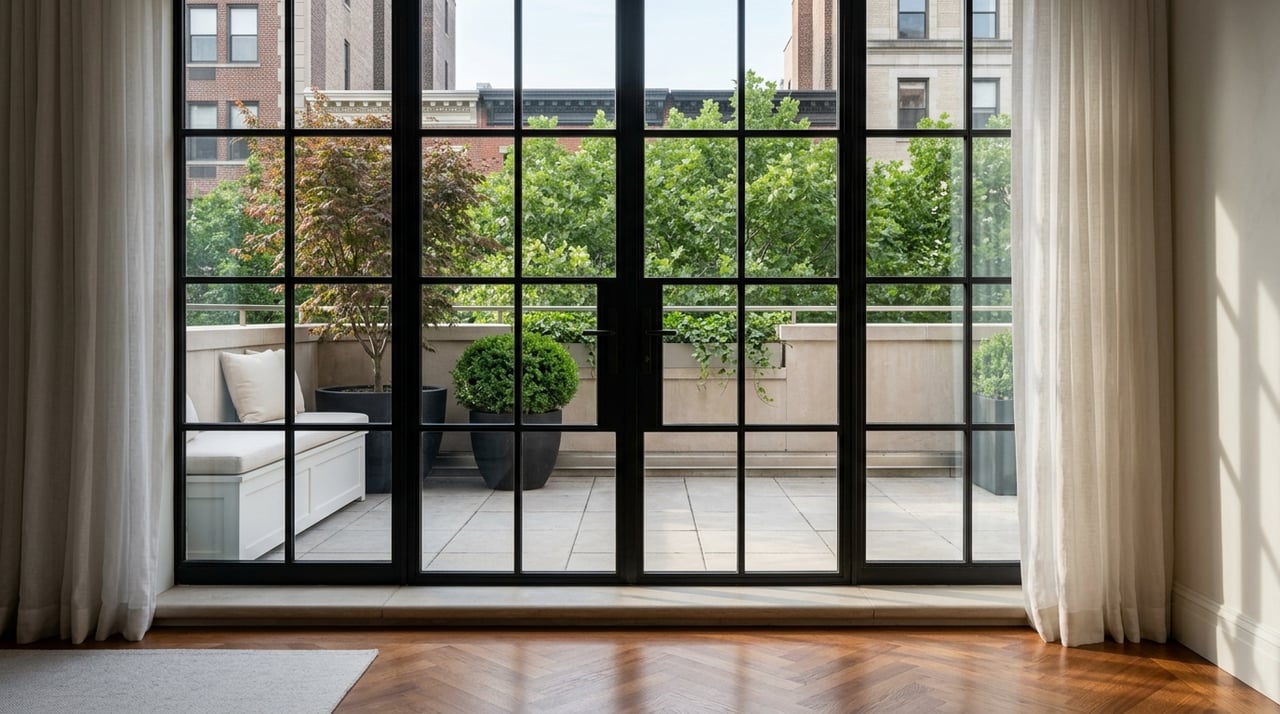
Some things don't fit neatly into a spreadsheet: Central Park or skyline views, soaring ceilings, a private terrace, a fireplace, corner exposures. Manhattan buyers pay real premiums for these — the question is whether that premium lines up with what similar apartments have actually fetched.
The Bottom Line
A fair price isn't just a number that feels reasonable — it's one backed by comparable sales, cost analysis, and building fundamentals, adjusted for what makes the apartment genuinely special. Doing that homework before you make an offer is how you negotiate with confidence, and avoid paying for a premium the market doesn't actually support.