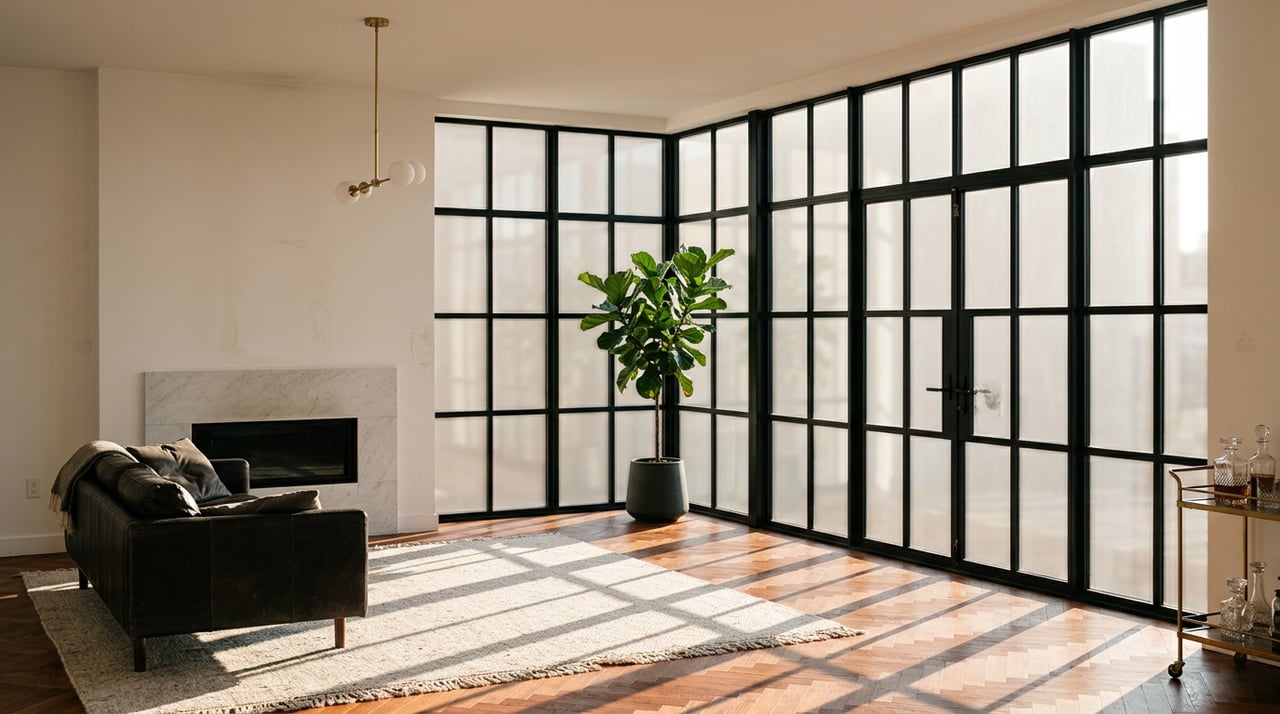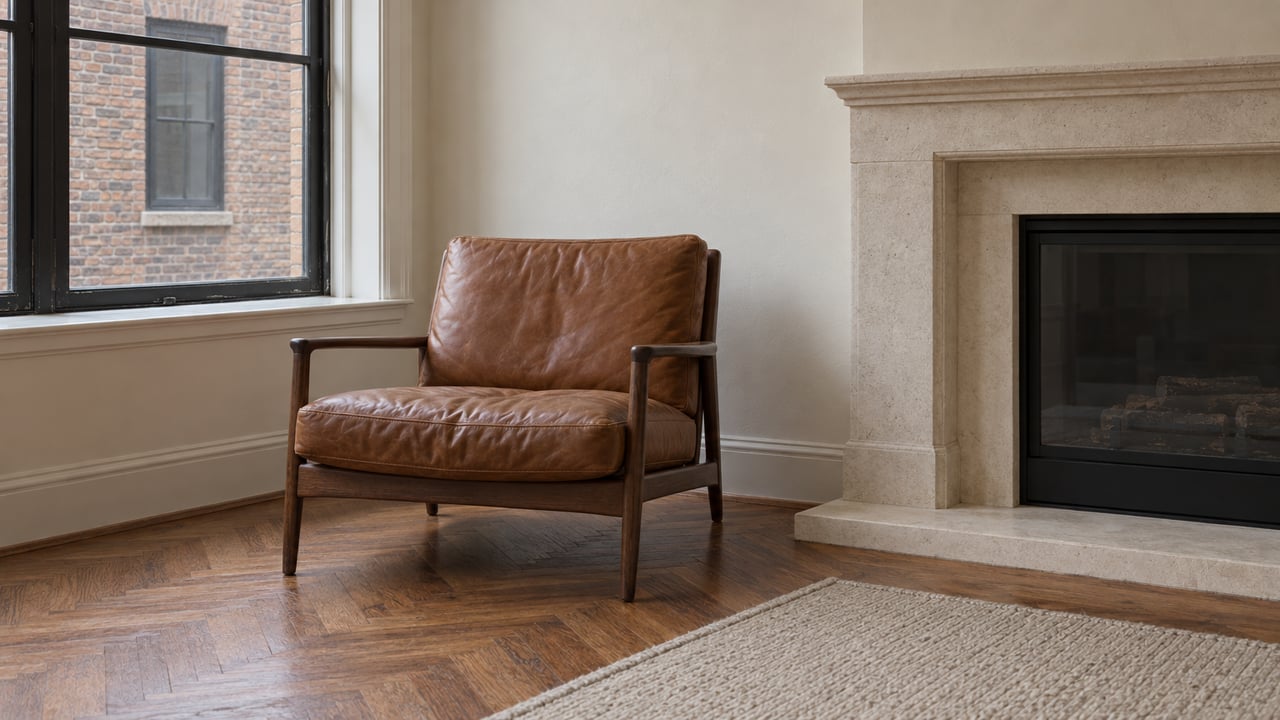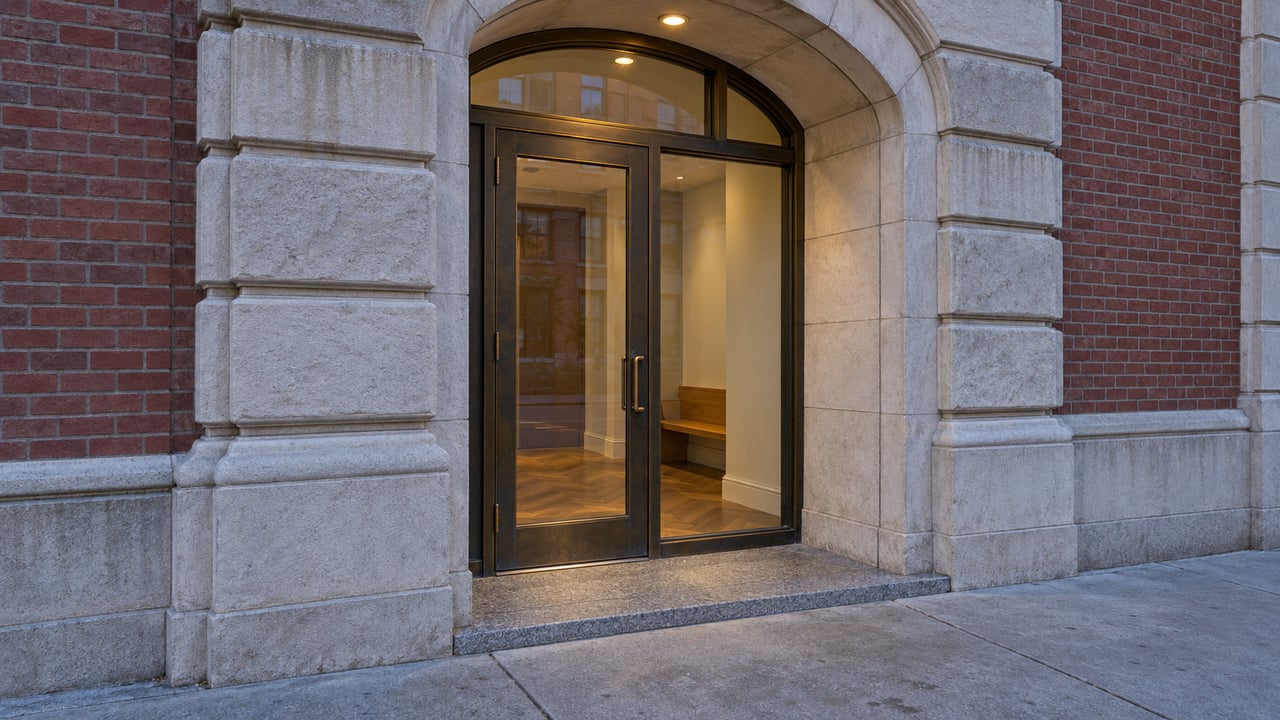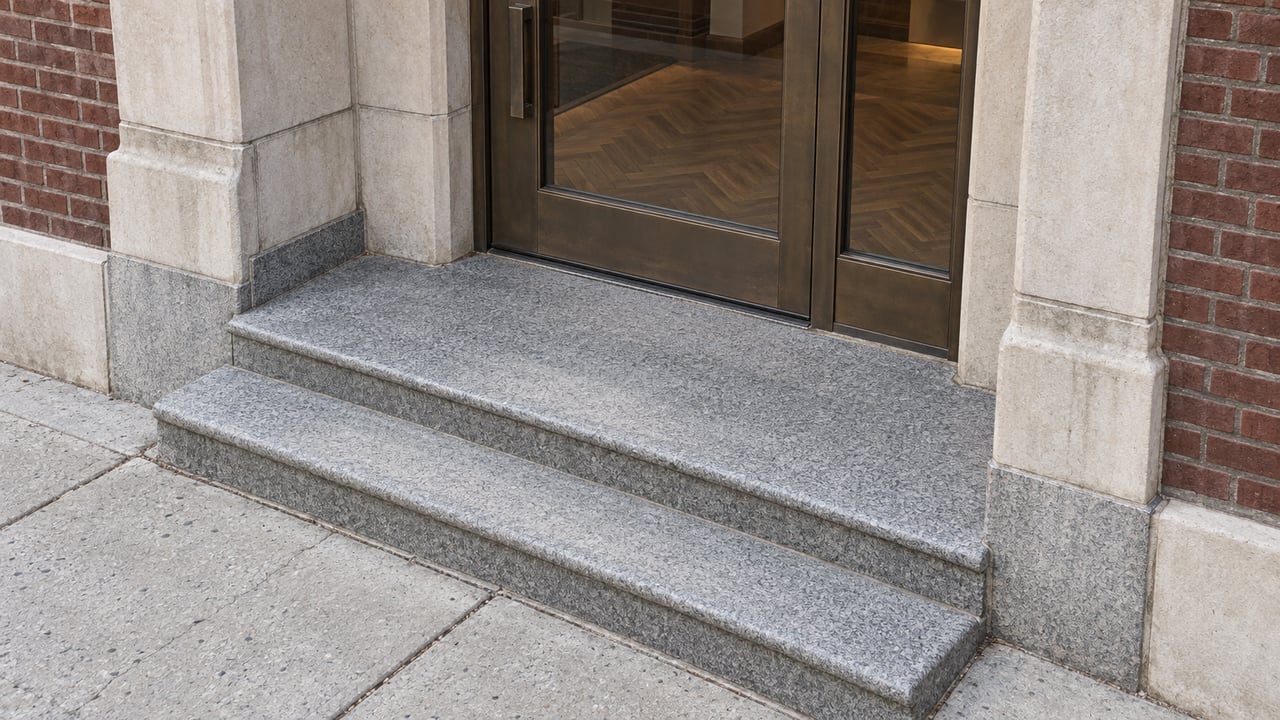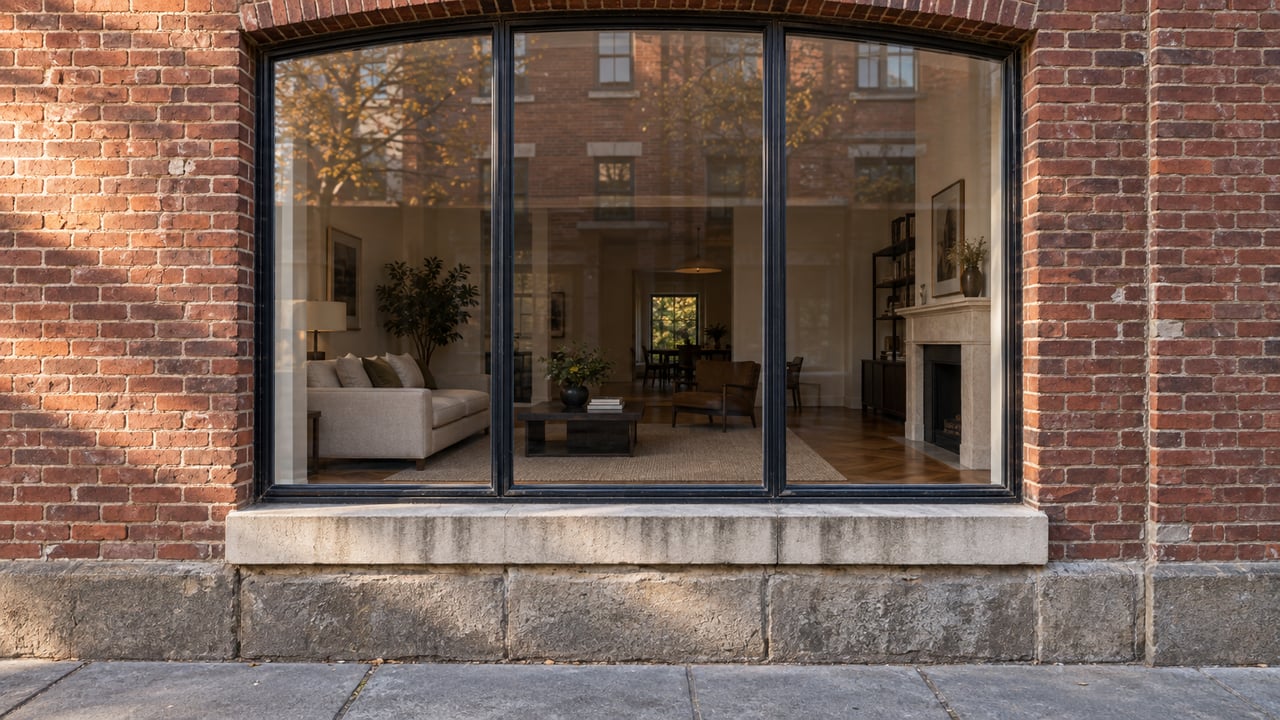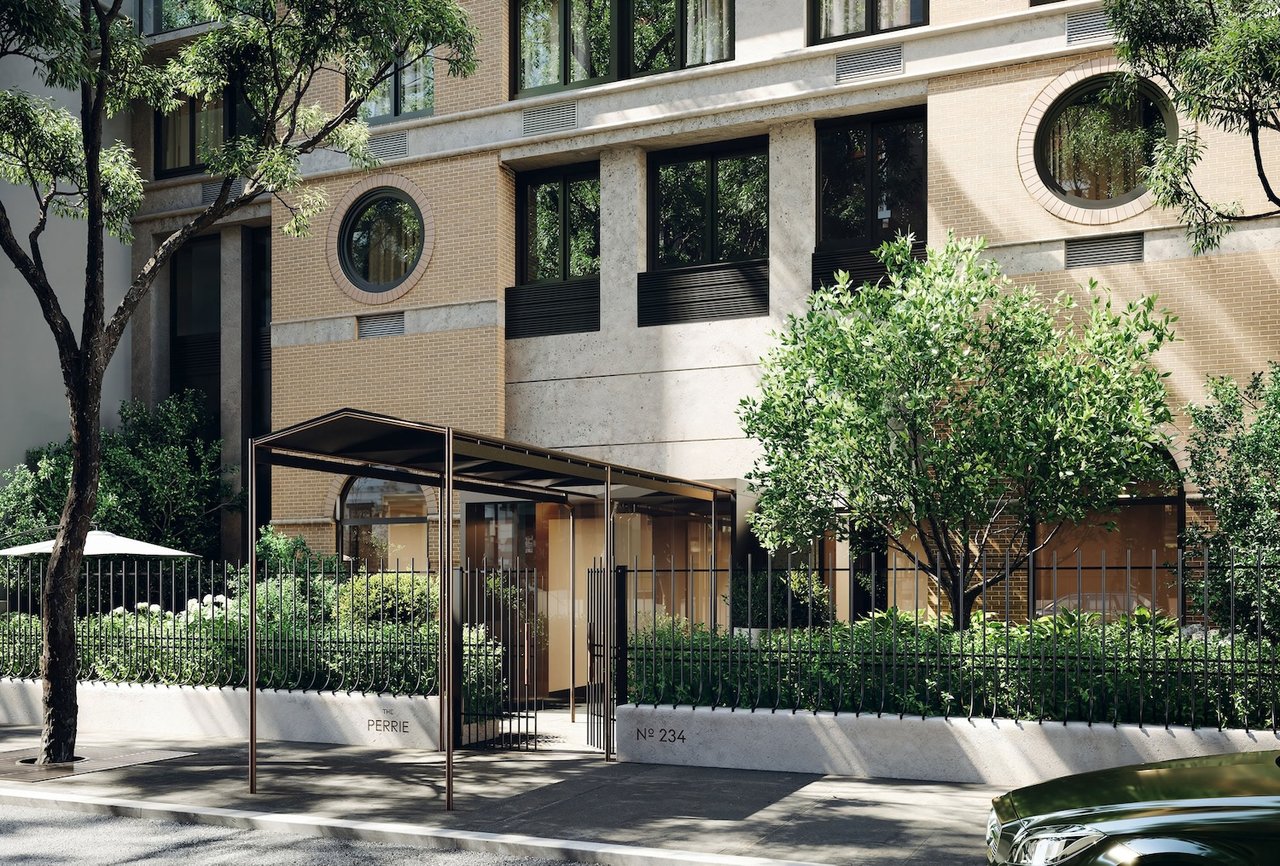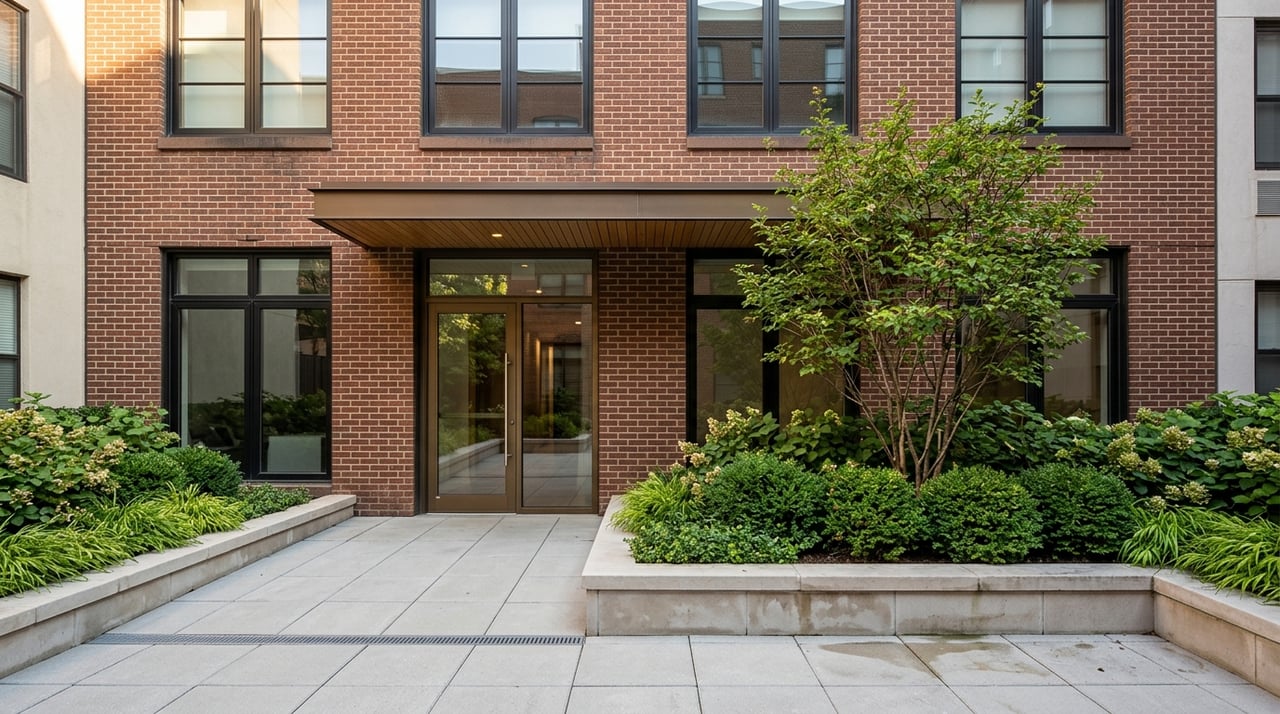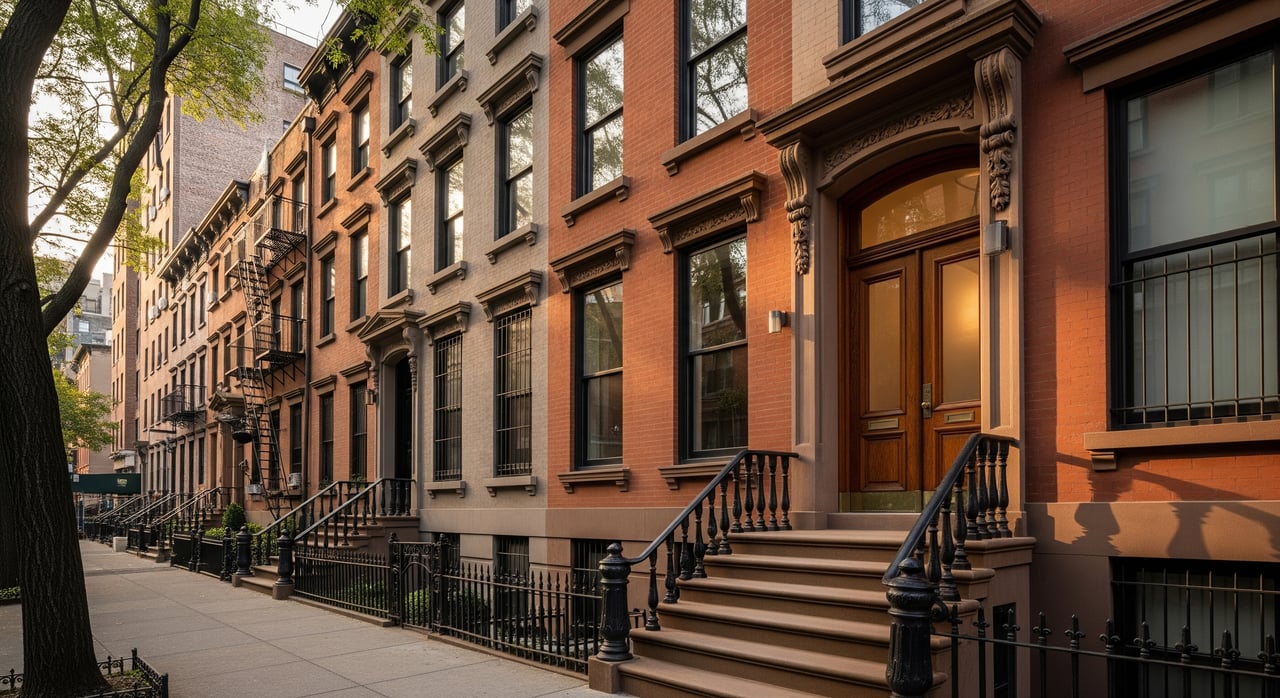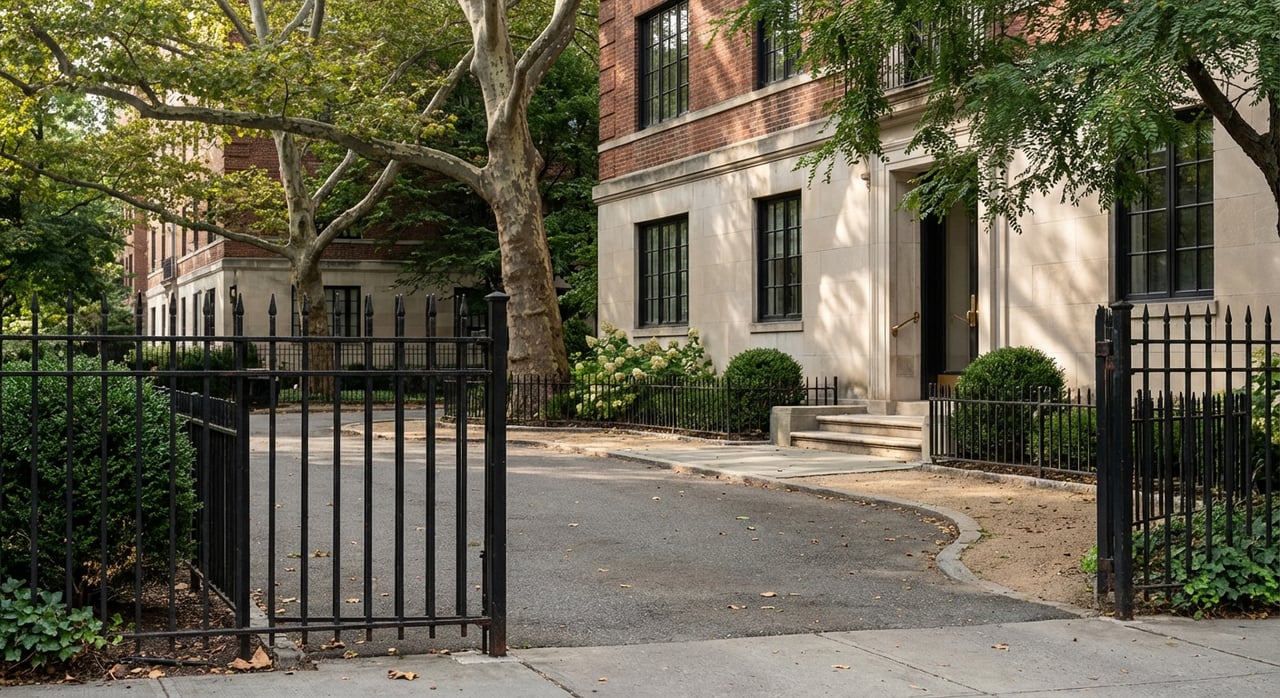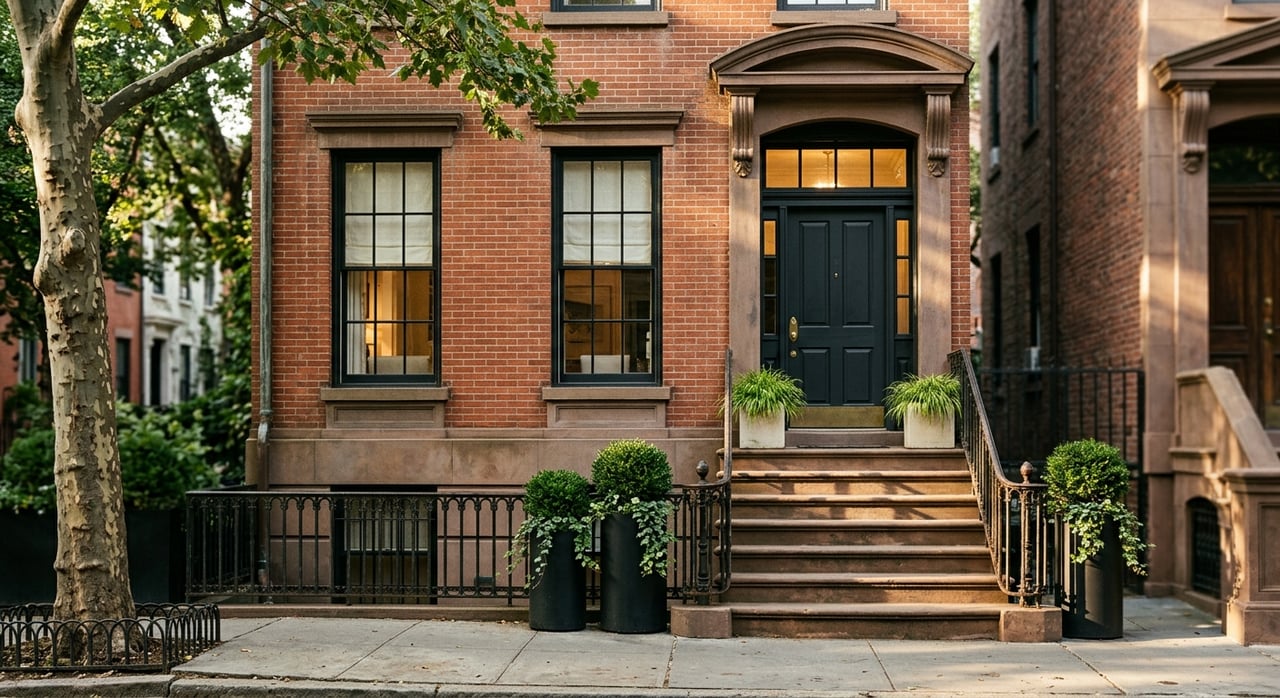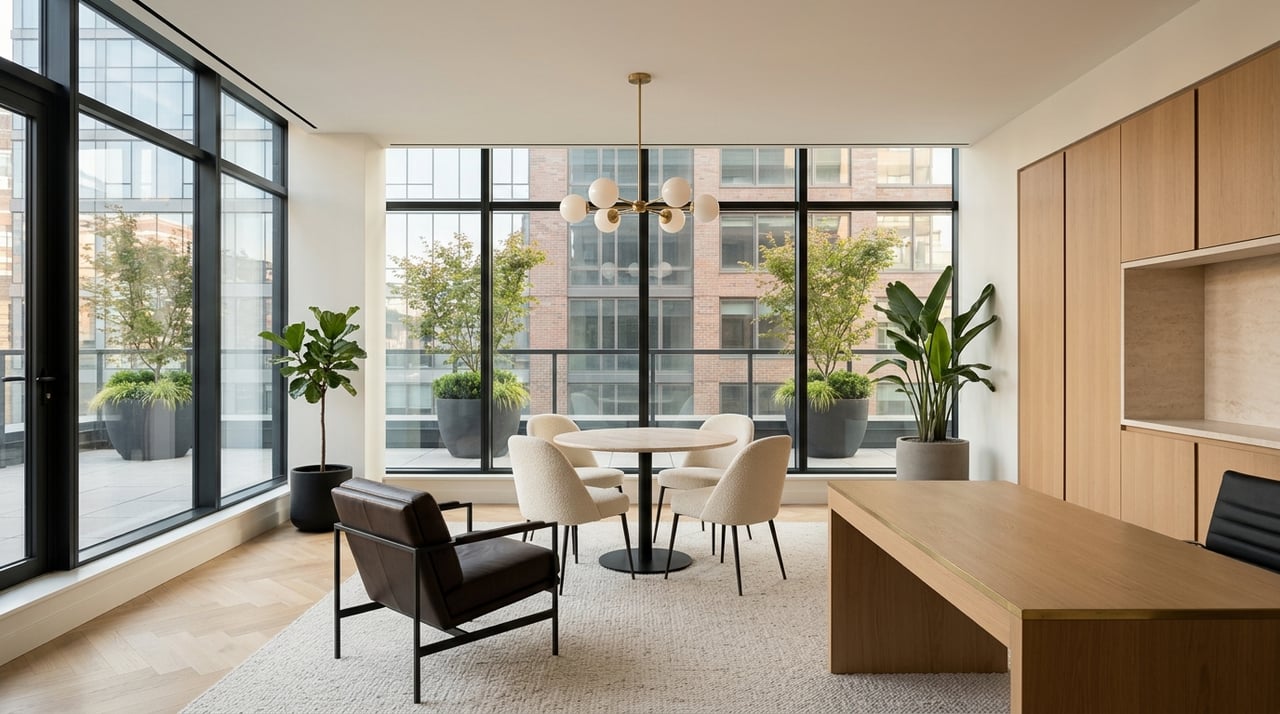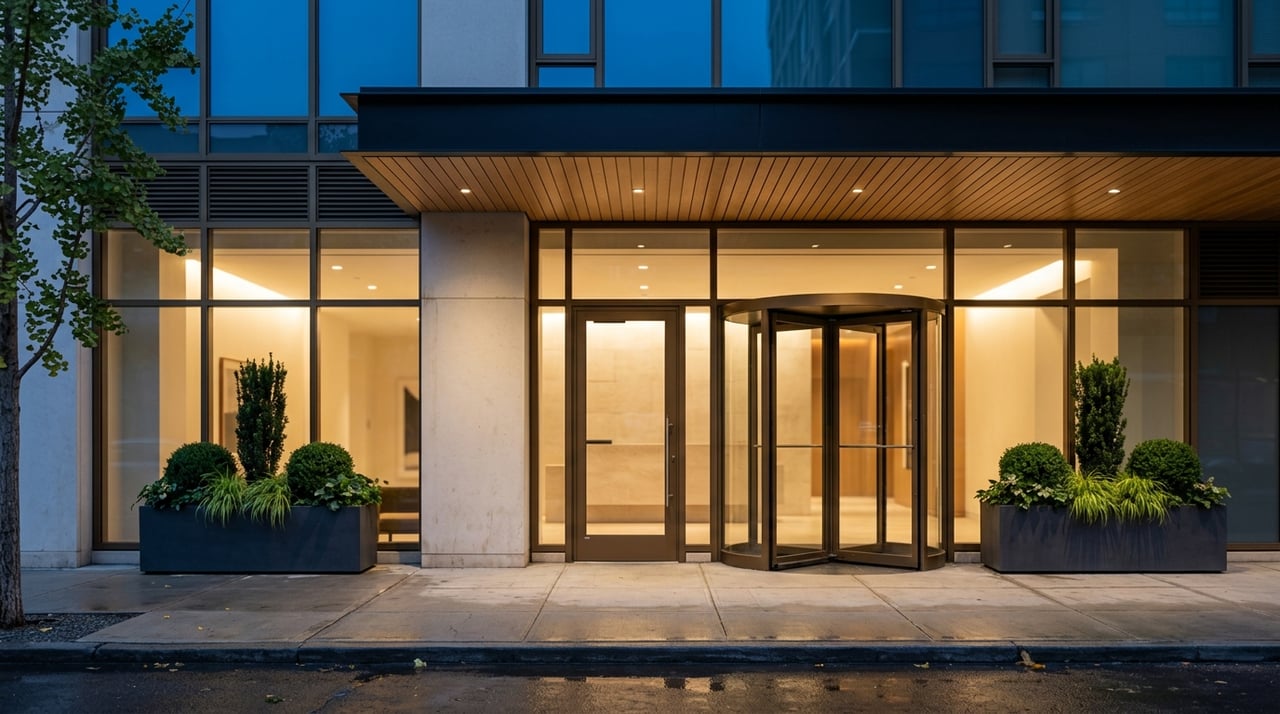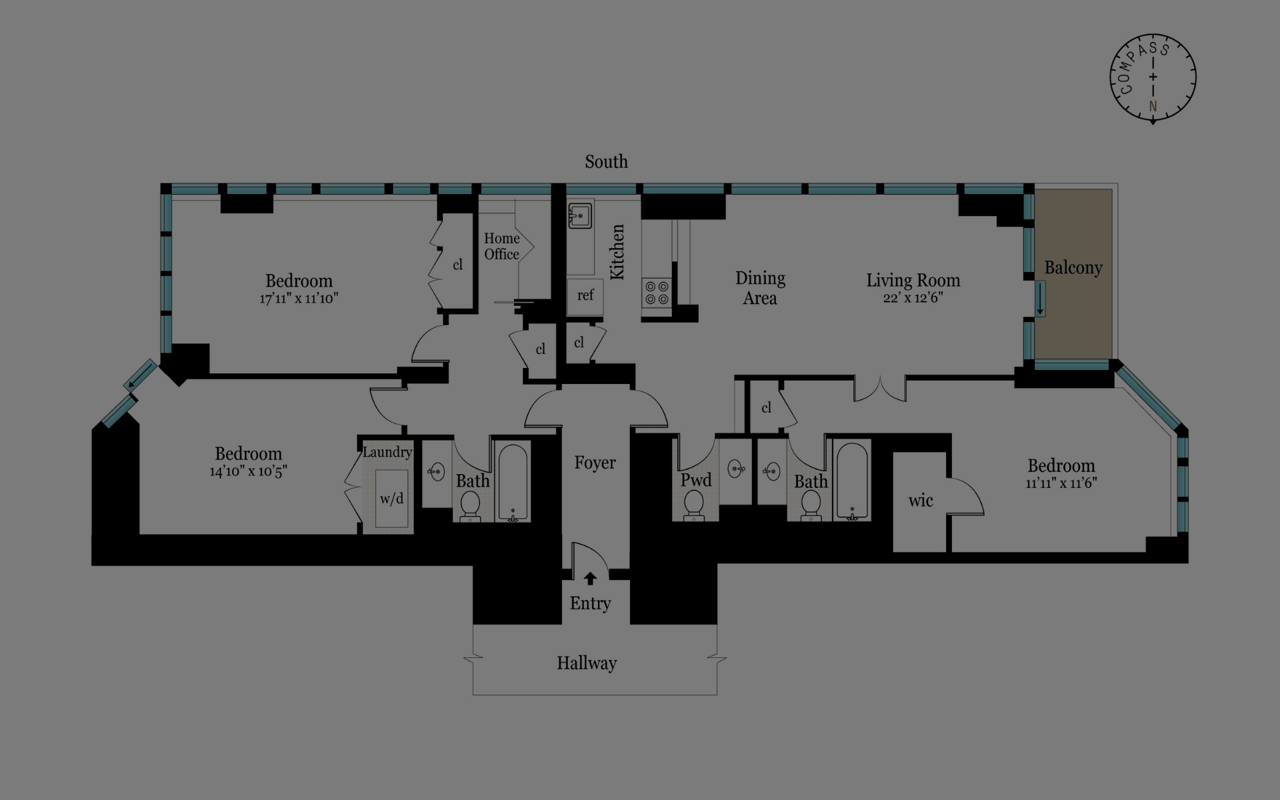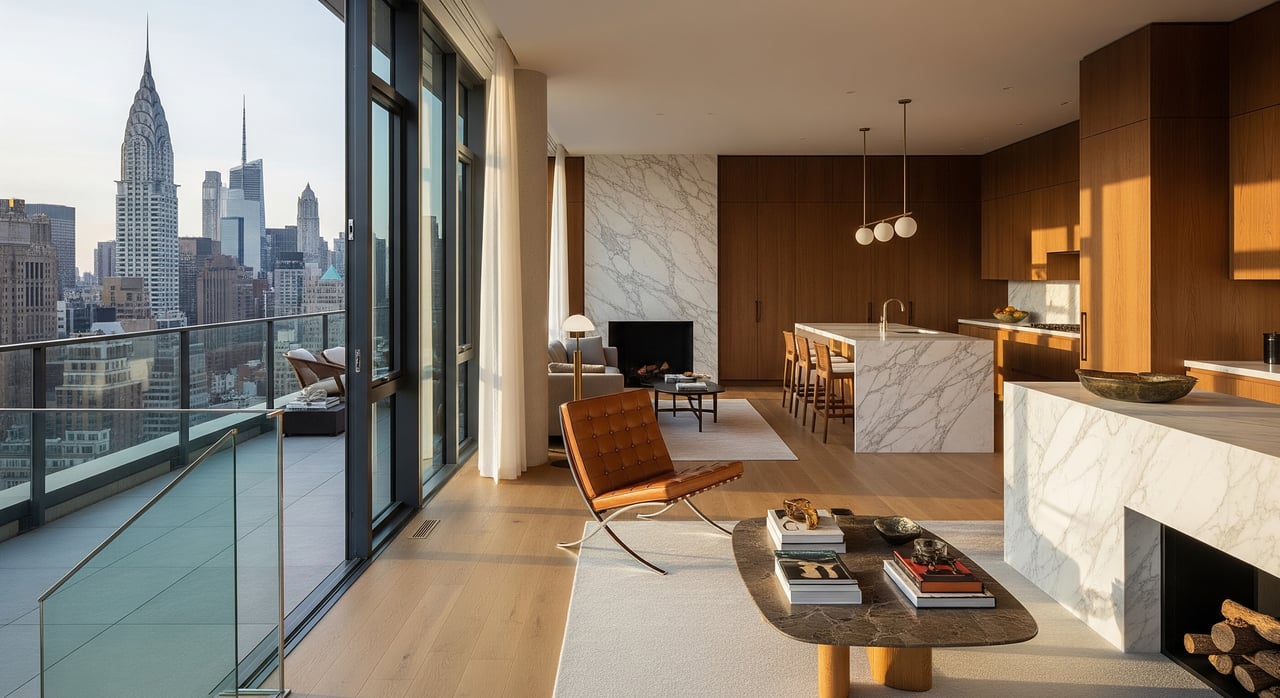
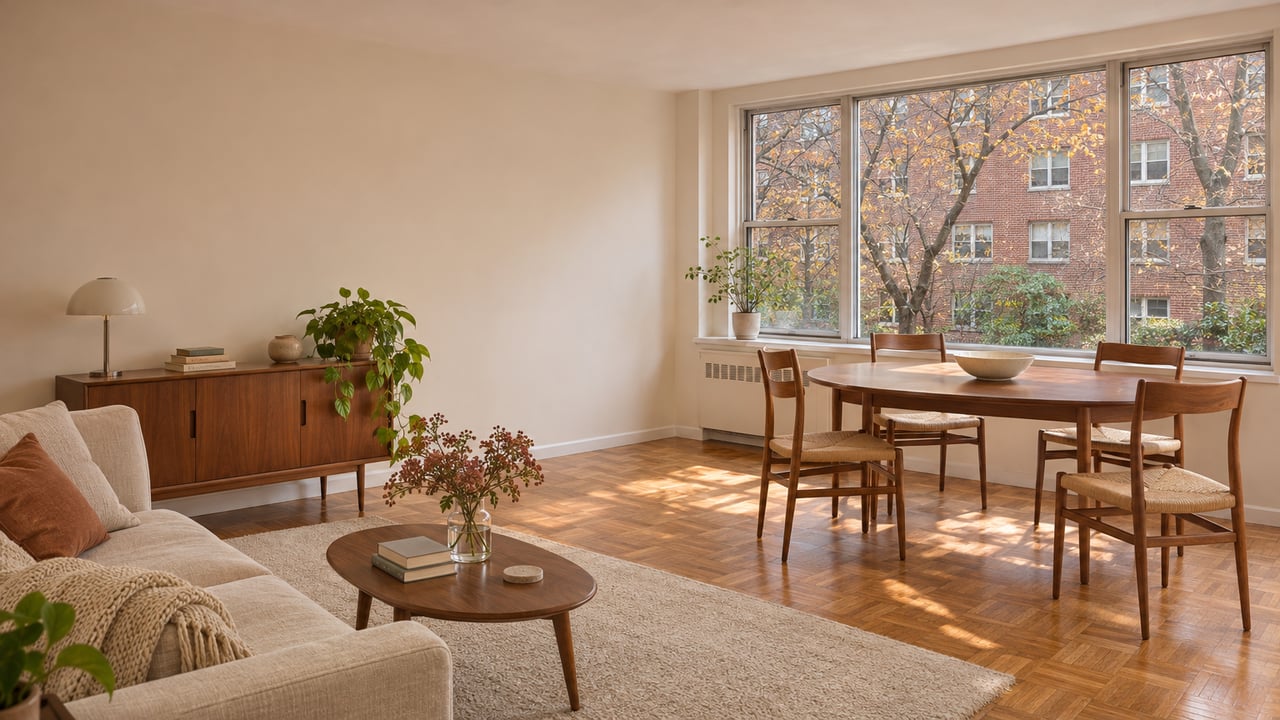
Two 1,000-square-foot apartments on the Lower East Side closed three weeks apart this summer. On August 5, 2026, a one-bedroom at 242 Broome Street, the Essex Crossing condominium, sold for $1,545,000. On August 27, a two-bedroom of the same size at the Hillman co-op on Grand Street sold for $795,000. The two apartments are the same size and a short walk apart, and the co-op had an extra bedroom for about half the price.
The Grand Street co-ops also cost less to carry each month, so the price gap is not a trade between purchase price and monthly cost. It goes back to where these buildings came from.
The gap holds across both buildings
The August sales match each building's wider record. Hillman's recent sales through this fall averaged about $740 a square foot. At 242 Broome, recent sales averaged about $1,720 a square foot. Family-size apartments follow the same pattern. Hillman apartment D9F, a three-bedroom of about 1,200 square feet, was listed at $1,395,000 on September 29, 2026, and was in contract by October 1. In March 2026, apartment 7C at 242 Broome, a two-bedroom of 1,376 square feet, sold for $2,170,000. At Hillman, about $1.4 million bought a third bedroom. At Essex Crossing, $2.17 million bought two.
The other Grand Street complexes sell in the same range. At Seward Park, a 1,000-square-foot apartment, F504, was listed on October 6, 2026 for $999,000. An 800-square-foot unit there, F1603, went into contract on September 4 at $815,000. At Amalgamated Dwellings, a three-bedroom of about 1,700 square feet was offered this year at $1,425,000, or $838 a foot.
The monthly bill is lower too
Apartment 7C at 242 Broome carries $3,171 a month in common charges plus $673 in real estate taxes, for a total of $3,844. That works out to about $2.79 per square foot each month. Hillman's D9F lists maintenance of $2,004 a month with taxes included, which is about $1.67 a foot. Seward Park's F504 lists $1,500 a month, taxes included, or $1.50 a foot. On a 1,200-square-foot apartment, the gap between $2.79 and $1.67 is about $1,340 a month.
Neither side's monthly figure is fixed. The 242 Broome listings show their 421a tax abatement expiring in 2039. The co-op figure has its own extras. Some Grand Street listings this year carried capital assessments on top of maintenance: $343 a month for boiler work at Amalgamated Dwellings, running through June 1, 2029, and $144 a month at an East River apartment, running through April 2028. Even with those added, the co-ops are still well below the condo on a per-foot basis.
Where the gap comes from
The Grand Street complexes were built as cooperatives for working families. According to the Cooperative Village history, Amalgamated Dwellings was completed in 1930 with 230 apartments. Hillman was built in 1950. East River Housing's 1,672 apartments were dedicated in 1955 and occupied in 1956. Seward Park's own history says it ran as a limited-equity co-op for more than three decades. Its shareholders adopted a Plan of Reconstitution in 1995, and price ceilings were phased out over five years before market-rate sales began.
Seward Park's apartments reached market pricing only around the turn of this century, after decades under price ceilings, and they and their neighbors are large mid-century complexes. 242 Broome was built and sold as a new condominium, with a tax abatement that runs into the next decade. The 2026 sales show the two kinds of building still trading as separate markets on the same few blocks.
The complexes are also priced separately from one another. The Lo-Down's 2010 review of Grand Street sales found comparable apartments at East River and Hillman selling for about 15% to 20% less than those at Seward Park. That spread is from 2010 and is not a current figure. It shows that buyers have long treated Grand Street as several separate markets, and this year's per-foot figures still differ from building to building.
What the condo premium has bought sellers
Paying more for new construction has not reliably meant getting more back. A Brown Harris Stevens analysis reported by The Real Deal found that about a third of the more than 2,500 Manhattan condo resales between July 2024 and July 2025 lost money, and more than half of sellers who had bought between 2016 and 2020 sold at a loss. Those figures cover all of Manhattan, not the Lower East Side alone. Over that period, the premium for a newer condo was a cost of buying in, and it did not reliably come back at resale.
For the two 1,000-square-foot apartments that sold this August, the purchase prices differed by $750,000. That difference is close to the price of the Hillman apartment itself.
Comparing specific apartments
Building averages are a starting point. Hillman alone had asking prices this fall from $499,000 for a 550-square-foot one-bedroom to $1,395,000 for D9F. Each co-op sets its own flip tax, financing limits and sublet terms. Ask the managing agent for those terms along with the building's financials, and compare them with the price and maintenance. Our guides on how much cash a Manhattan purchase takes and on the full set of buying costs cover the closing side, and our Lower East Side neighborhood page covers the rest of the area's housing.
The prices and monthly figures here come from 2026 listings and sales. They are general information, not legal, tax or financial advice, so please confirm the numbers for any specific apartment with your attorney and lender.
If you are weighing a Grand Street co-op against one of the newer condos nearby, The Sapir Team can compare the specific apartments side by side on price per foot, monthly carrying cost and each building's terms before you make an offer. Book a private consultation.